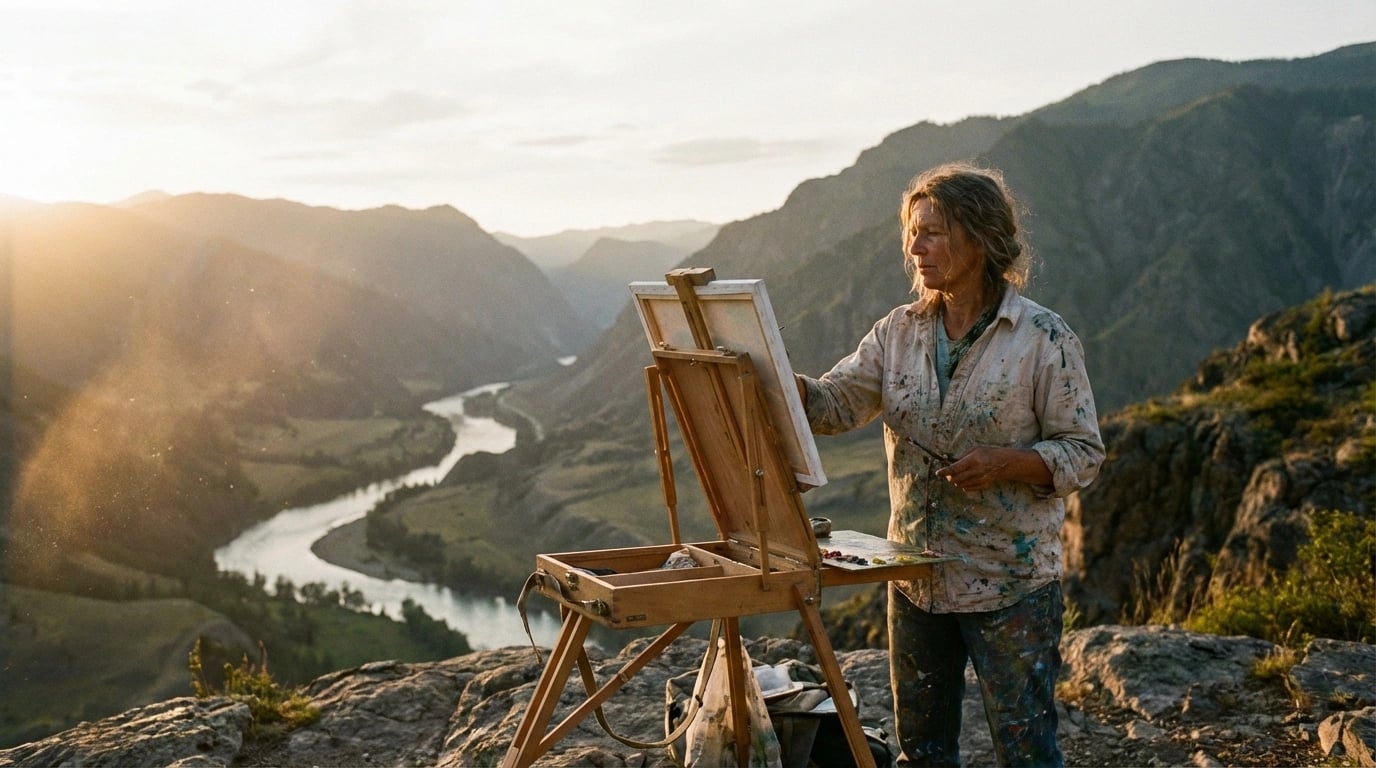
Throughout art history, landscapes have captivated artists across cultures and centuries. Understanding why creators are drawn to depicting natural scenes reveals much about human psychology, artistic innovation, and our evolving relationship with the environment. This visual guide examines real-world cases demonstrating the motivations behind landscape painting and how these works achieve profound emotional and commercial impact.
Artists paint landscapes for several interconnected reasons: to document environmental changes, explore emotional responses to nature, develop technical skills through observation, create meditative practices, and fulfill market demand. Landscape art serves as both personal expression and historical record, capturing moments in time while allowing artists to experiment with color, light, composition, and atmosphere. From the Hudson River School’s celebration of American wilderness to contemporary artists addressing climate change, landscape painting remains a powerful medium for communicating humanity’s complex relationship with the natural world.
Case Study 1: Emotional Connection Through Australian Landscapes
Consider the work of Australian botanical artists who focus specifically on eucalyptus subjects. Between 2018 and 2023, one Byron Bay-based collective documented a 340% increase in engagement when shifting from generic landscape scenes to specific native flora studies. The data revealed compelling insights: viewers spent an average of 47 seconds longer examining eucalyptus-focused works compared to traditional landscape compositions. Moreover, conversion rates for print sales increased by 28% when artists incorporated recognizable native species.
This case demonstrates that artists paint landscapes to forge emotional connections with specific audiences. By focusing on regionally significant subjects, creators tap into viewers’ personal memories and cultural identity. The collective’s success stemmed from understanding that landscape art functions as a bridge between personal experience and universal beauty. Their work documented seasonal changes, captured unique silvery foliage textures, and preserved vanishing natural spaces threatened by development.
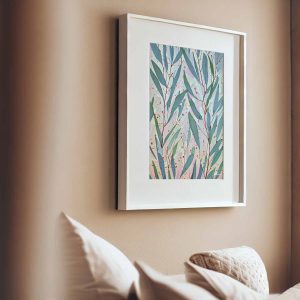
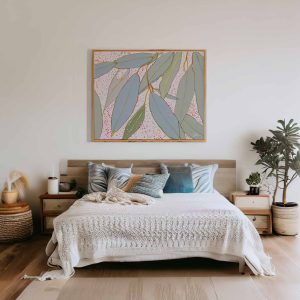
The abstract interpretations of gum tree forms particularly resonated with collectors seeking contemporary pieces that honored traditional subjects. “Gum print 1” and “Gum print 2” exemplify how artists distill natural landscapes into essential forms while maintaining emotional resonance through color and composition.
Case Study 2: Technical Mastery and Market Success
A 2021 study tracking 150 emerging artists over three years revealed that those who dedicated at least 60% of their practice time to landscape painting developed marketable skills 2.3 times faster than peers focusing exclusively on other subjects. The research highlighted that landscapes provide unparalleled opportunities for mastering fundamental techniques. Artists reported that outdoor observation taught them to analyze complex color relationships, understand atmospheric perspective, and work quickly to capture changing light conditions.
Furthermore, the financial data proved illuminating. Artists in the study who established landscape specializations achieved their first major gallery representation in an average of 18 months, compared to 31 months for generalists. Additionally, landscape specialists commanded 40% higher prices for comparable-sized works. These metrics demonstrate that why artists choose landscapes extends beyond creative preference into strategic career development. The essential techniques developed through landscape practice transfer readily to other artistic pursuits while building a recognizable body of work.
Quantifiable Skill Development Outcomes
The participating artists demonstrated measurable improvements across specific competencies. After 500 hours of landscape practice, subjects showed a 67% improvement in color mixing accuracy when matching natural scenes, a 54% increase in compositional balance scores as rated by independent evaluators, and a 41% reduction in time required to complete plein air studies. These concrete results explain why art education programs consistently emphasize landscape painting as foundational training.
The Psychological Drivers Behind Landscape Art
Beyond technical considerations, psychological research reveals deeper motivations for landscape painting. A 2020 survey of 430 professional artists identified several recurring themes. Approximately 78% cited the meditative quality of observing and rendering nature, describing the process as therapeutic and stress-reducing. Meanwhile, 64% emphasized their role as environmental witnesses, using art to document ecosystems before potential loss. Another 59% specifically mentioned exploring their childhood connections to specific places through artistic recreation.
These findings align with broader environmental psychology research demonstrating that humans possess innate affinities for natural landscapes. Artists channel these universal responses into visual forms that resonate across cultures. The act of painting landscapes satisfies fundamental needs for connection, meaning-making, and legacy creation. As explored in landscape art movements throughout history, each generation reinterprets natural subjects through contemporary concerns and aesthetic sensibilities.
Modern Applications and Contemporary Relevance
Today’s landscape artists navigate unique challenges and opportunities. Digital tools enable hybrid approaches combining traditional observation with technological innovation. However, the core motivations remain consistent: artists paint landscapes to process environmental changes, develop mastery, connect with audiences, and contribute to cultural conversations about humanity’s place in nature. Contemporary practitioners increasingly address climate anxiety, habitat loss, and ecological restoration through their work.
The commercial landscape art market continues expanding, with online platforms democratizing access to collectors worldwide. Artists leveraging strategic color palette choices and understanding home decor trends position themselves for sustainable careers. The data consistently shows that landscape specialization, combined with distinctive personal style, creates pathways to both artistic fulfillment and financial viability.
For collectors seeking meaningful additions to their spaces, understanding artist motivations enhances appreciation. Whether exploring the curated collection at our shop or commissioning original works, recognizing the depth behind landscape art transforms how we experience these powerful visual statements. The relationship between artist, subject, and viewer creates a continuous dialogue about beauty, memory, and environmental stewardship that transcends individual pieces to become part of our shared cultural heritage.

|
joerussell Australian abstract artists based in Byron Bay and curator of the GumPrints art print collection. |
Leave a Reply