Category: Uncategorized

  • The Complete Guide to Plant Reproduction

    The Complete Guide to Plant Reproduction

    Understanding how plants reproduce is fundamental to appreciating the incredible diversity of life in gardens, forests, and ecosystems worldwide. Plants have evolved two primary reproductive strategies—sexual and asexual reproduction—each offering distinct advantages depending on environmental conditions and species characteristics. Whether you’re a gardening enthusiast, botanist, or simply curious about nature’s mechanisms, this comprehensive guide explores the fascinating processes that enable plants to perpetuate their species and maintain ecological balance.

    Plants reproduce through two main pathways: sexual reproduction, which involves flowers, pollination, and seed production, and asexual reproduction, which creates new plants from vegetative parts without genetic recombination. Sexual reproduction produces genetically diverse offspring, increasing adaptability to environmental changes. Asexual reproduction, by contrast, generates clones of the parent plant, ensuring rapid population growth and genetic consistency. Most flowering plants rely primarily on sexual reproduction, while many ferns, mosses, and certain flowering plants utilize asexual methods as a backup strategy for survival. Understanding these mechanisms reveals how plants have dominated terrestrial ecosystems for over 400 million years and continue to shape our natural world.

    Sexual Reproduction in Plants

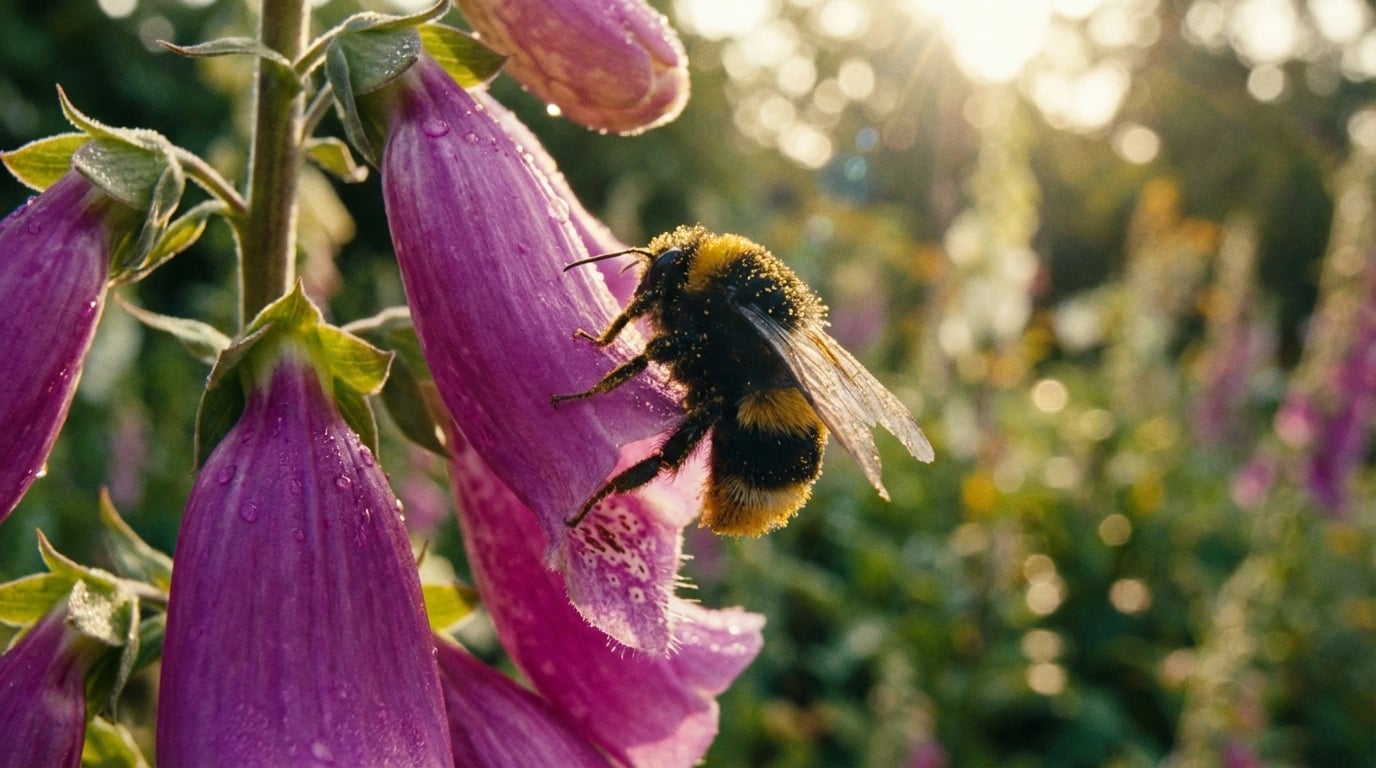
    Sexual reproduction represents the most common reproductive strategy among flowering plants and involves the combination of genetic material from two parent plants. This process begins with flower development, where male anthers produce pollen and female carpels develop ovules. The flower structure—including petals, sepals, and nectar-producing glands—attracts pollinators like bees, butterflies, and birds. Pollen grains contain the male gametes, while the ovule contains the female gamete. When pollen reaches the stigma of a compatible flower, germination occurs, and a pollen tube grows through the style toward the ovule. This intricate mechanism ensures genetic diversity, creating plants better adapted to environmental challenges.

    The flower’s complexity reveals millions of years of evolutionary refinement. Different plant species have evolved specific flower shapes, colors, and fragrances to attract particular pollinators. Red tubular flowers appeal to hummingbirds, while fragrant white flowers often depend on nocturnal pollinators like moths. Some plants rely on wind pollination, producing lightweight pollen in vast quantities. Understanding flower structure helps explain why certain species thrive in particular ecosystems and how identifying plant species requires attention to reproductive characteristics.

    Asexual Reproduction Methods

    Asexual reproduction enables plants to create new individuals without sexual processes, producing genetically identical clones of the parent plant. This strategy offers significant advantages in stable environments where the parent plant is already well-adapted. Runners, stolons, and rhizomes represent common horizontal stem systems that generate new plantlets at nodes. Potato plants produce tubers—underground storage stems that develop new shoots when conditions permit. Bulbs, corms, and fragmentation allow plants like lilies, crocuses, and strawberries to multiply rapidly without requiring pollinator assistance or expending energy on flower production.

    Many ornamental and crop plants depend almost exclusively on asexual propagation. Banana plants, seedless grapes, and numerous houseplants are propagated vegetatively because sexual reproduction would create undesirable genetic variation. Additionally, resilient backyard plants often utilize asexual methods for reliable establishment in home gardens. Gardeners exploit asexual reproduction through cuttings, layering, and division techniques. This reproductive flexibility demonstrates remarkable botanical adaptation to human agricultural needs and environmental pressures.

    Pollination and Fertilization

    Pollination represents the critical transfer of pollen from male anthers to female stigmas, accomplished through wind, water, animals, or self-pollination mechanisms. Insect pollination represents the most specialized strategy, with co-evolutionary relationships between flowering plants and their insect partners spanning millions of years. Bees—both honeybees and native species—represent the most efficient pollinators, while beetles, flies, and wasps also contribute significantly. Bird pollination dominates tropical regions, with hummingbirds and sunbirds attracted to tubular, red flowers rich in nectar.

    Once pollen lands on a compatible stigma, remarkable cellular recognition mechanisms activate, permitting pollen tube growth. The pollen tube extends through the style toward the ovule, a process sometimes requiring hours or days depending on species and environmental conditions. Double fertilization, unique to flowering plants, involves two sperm cells: one fertilizes the egg to form the embryo, while the second fuses with polar nuclei to develop the endosperm, a nutrient-rich tissue supporting seed development. This sophisticated system ensures successful seed production and establishes unique plant kingdom characteristics that distinguish angiosperms from other plant divisions.

    Seed Dispersal Strategies

    After successful fertilization, seeds develop within protective coverings and employ diverse dispersal mechanisms ensuring genetic spread across landscapes. Wind-dispersed seeds feature lightweight designs—wings, hairs, or parachute structures—enabling transport over considerable distances. Dandelions, maples, and pine trees exemplify wind dispersal’s effectiveness across temperate regions. Animal dispersal includes both external transport (burrs adhering to fur or feathers) and internal transport (seeds surviving digestive passage within berries and fruits). Water dispersal benefits riparian plants and island-colonizing species, with seeds floating in currents until reaching suitable germination sites.

    Some plants employ explosive mechanisms, ejecting seeds forcefully when seedpods dry and contract suddenly. This diversity in dispersal reflects evolutionary adaptation to specific environmental niches. Understanding seasonal changes in plant tissues illuminates how seeds mature throughout growing seasons. Seed longevity varies dramatically—some seeds germinate immediately while others remain viable for decades, allowing populations to persist through unfavorable periods.

    Reproductive Adaptations Across Species

    Plant reproductive strategies reveal elegant adaptations to specific ecological niches and environmental pressures. Tropical rainforest plants produce numerous small seeds dependent on specific animal dispersers, while temperate plants often produce fewer, larger seeds with thicker protective coatings. Desert plants exhibit remarkable flexibility, capable of both rapid sexual reproduction following rainfall and extended dormancy via asexual vegetative survival. Comparing tropical versus desert plant growth requirements demonstrates how reproductive strategies interconnect with survival mechanisms.

    Annual plants complete their entire life cycle within single seasons, relying entirely on seed production for population persistence. Perennial plants can reproduce repeatedly across multiple seasons, combining sexual reproduction with vegetative persistence. Some species exhibit remarkable reproductive flexibility, adjusting strategies based on environmental conditions—favoring sexual reproduction during resource abundance and asexual reproduction during stress. This plasticity exemplifies evolutionary success in variable environments. Plant reproduction (Wikipedia) provides additional scientific detail on these complex mechanisms.

    The reproductive diversity evident across plant species underscores nature’s creative solutions to perpetuation challenges. Whether observing flower structures, collecting seeds during autumn walks, or cultivating garden plants, understanding reproduction deepens appreciation for botanical complexity. Visit our shop to explore beautiful botanical artwork celebrating plant diversity, or examine how displaying art prints beautifully brings natural inspiration into living spaces. From microscopic pollen grains to vast seed dispersals, plant reproduction represents one of nature’s most sophisticated and captivating processes.

    joerussell

    joerussell

    Australian abstract artists based in Byron Bay and curator of the GumPrints art print collection.

  • How to Paint Natural Landscapes Like a Pro

    How to Paint Natural Landscapes Like a Pro

    Aspiring landscape painters often wonder how to capture nature’s beauty with the same skill and confidence demonstrated by professional artists. The truth is, painting natural landscapes like a pro isn’t about having innate talent—it’s about developing the right mindset, understanding fundamental principles, and committing to deliberate practice. In my opinion, the divide between amateur and professional landscape painting comes down to three critical factors: observational discipline, technical courage, and conceptual clarity.

    Professional landscape painters succeed because they see differently, think strategically about composition, and execute with intentional brushwork. They understand that realism isn’t about copying every detail but rather capturing the essence of a scene through selective emphasis. The real secret lies in training your eye to identify what matters most in a landscape—the gesture of a tree, the rhythm of rolling hills, the temperature shift in atmospheric perspective—and having the technical skills to translate those observations onto canvas. Moreover, professionals approach each painting with a clear vision, making decisive choices about value structure, color harmony, and focal points before they ever touch brush to paint.

    Observation Trumps Technical Skill Every Time

    The most overlooked aspect of professional landscape painting is the quality of observation that precedes any mark-making. Too many aspiring painters rush to their easels without truly seeing what’s before them. However, professionals spend considerable time simply looking, analyzing relationships between shapes, studying how light interacts with form, and identifying the underlying structure of natural scenes. This investment in visual analysis pays enormous dividends when it comes time to paint.

    Furthermore, observational discipline extends beyond the initial viewing. Professional painters constantly reference their subject, comparing their painting to reality and making adjustments based on what they see rather than what they think they know. This practice combats one of the biggest obstacles in landscape painting: painting from memory or preconceived notions rather than direct observation. When you develop essential landscape painting techniques, observation should be your foundation.

    Additionally, trained observation means understanding value relationships—the light and dark patterns that create depth and dimension. Professionals often squint at their subjects to simplify complex scenes into basic value masses. This technique, though simple, revolutionizes landscape painting by helping artists identify the major shapes that define a composition. According to the history of landscape painting, this approach has been fundamental to the genre’s development across cultures.

    Compositional Thinking Separates Amateurs from Professionals

    Professional landscape painters don’t simply paint what they see—they design compelling visual experiences. Consequently, they approach each painting as a compositional problem to solve, making deliberate decisions about what to include, what to omit, and how to arrange elements for maximum impact. This strategic thinking transforms a literal transcription of nature into an artistic interpretation that resonates with viewers.

    The concept of selective emphasis is particularly crucial. Nature presents an overwhelming amount of visual information, and attempting to include everything results in cluttered, unfocused paintings. Therefore, professionals identify a clear center of interest and subordinate everything else to support it. They might simplify background details, exaggerate color temperature contrasts, or manipulate values to direct the viewer’s eye exactly where they want it to go. Understanding the essential elements of great landscape paintings helps develop this compositional awareness.

    Moreover, compositional mastery involves understanding design principles like rhythm, balance, and unity. Professional painters use repeating shapes to create visual rhythms that guide the eye through the painting. They balance areas of complexity with restful spaces, preventing visual fatigue. They also establish unity through consistent color temperatures, value structures, or brushwork styles. These decisions aren’t accidental—they’re the result of deliberate planning and artistic judgment that develops through study and practice.

    Technical Courage and the Freedom to Fail

    Perhaps the most defining characteristic of professional landscape painters is their willingness to take technical risks. While amateurs often paint tentatively, afraid to commit to bold marks or color choices, professionals paint with confidence and decisiveness. This courage doesn’t come from never making mistakes—it comes from embracing failure as an essential part of the learning process. Every professional has countless failed paintings behind them, each one teaching valuable lessons about what works and what doesn’t.

    Technical courage manifests in brushwork quality. Professionals typically use larger brushes than amateurs might feel comfortable with, making fewer, more intentional marks. This approach creates paintings with freshness and vitality, avoiding the overworked, labored appearance that plagues many amateur works. Additionally, they’re willing to scrape down or completely repaint sections that aren’t working rather than trying to salvage every square inch of canvas. This ruthless self-editing produces stronger final results.

    The freedom to experiment also extends to materials and methods. Professional painters continuously explore different landscape painting approaches and aren’t locked into a single way of working. They might experiment with palette knife techniques, glazing, impasto, or mixed media approaches depending on what best serves their vision for a particular painting. This technical flexibility allows them to match method to subject matter effectively.

    In conclusion, painting natural landscapes like a pro requires shifting your entire approach to the craft. It demands training your observational skills until you see beyond surface appearances to underlying structures. It requires thinking compositionally, making strategic decisions about design rather than passively copying nature. Most importantly, it necessitates developing technical courage—the confidence to make bold marks, take risks, and learn from failures. While talent may play a role, these skills are learnable through dedicated practice and study. For those seeking inspiration in natural forms, exploring landscape art color palettes can provide fresh perspectives. Browse the curated collection to see how professional artists interpret natural landscapes in various styles.

    joerussell

    joerussell

    Australian abstract artists based in Byron Bay and curator of the GumPrints art print collection.

  • Best Plants for Shade Gardens Guide

    Best Plants for Shade Gardens Guide

    Creating a thriving shade garden requires understanding which plants need shade and thrive in low-light conditions. Many gardeners mistakenly believe that shaded areas are limitations rather than opportunities. In reality, numerous plant species flourish in partial or full shade, offering rich textures, vibrant foliage, and unexpected color to darker garden spaces. Whether your yard features dense tree cover, north-facing walls, or afternoon shadows, selecting appropriate shade-loving plants is the key to developing a lush, healthy garden ecosystem.

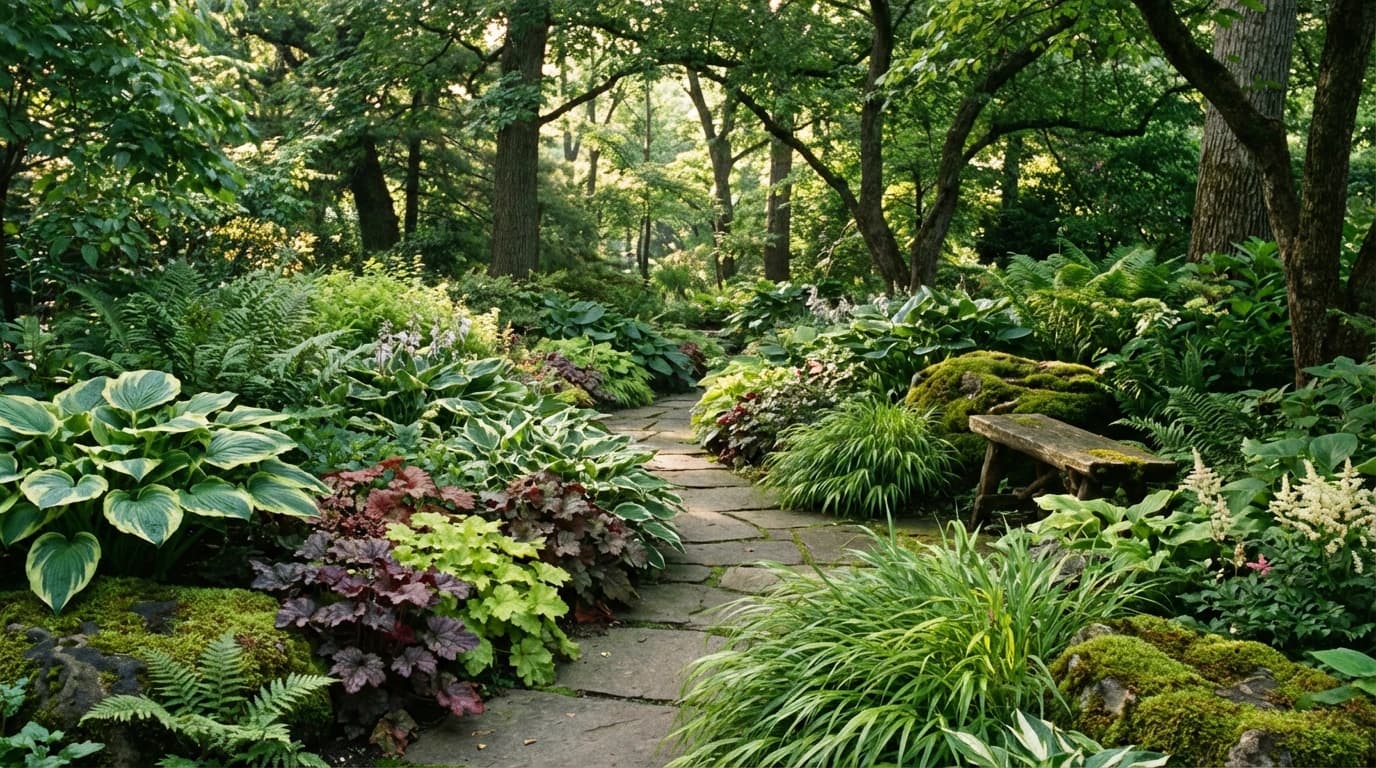
    The answer to which plants need shade involves understanding light requirements and plant physiology. Shade-loving plants have evolved in forest understories and woodland environments where limited direct sunlight is the norm. These plants typically have larger leaves to capture available light, slower growth rates, and greater tolerance for moisture retention. Common shade-loving species include hostas, ferns, astilbe, coral bells, bleeding heart, and hellebores. Additionally, many woody shrubs and small trees naturally prefer dappled shade, including Japanese maples, rhododendrons, and boxwoods. By selecting species adapted to shade conditions, you eliminate the frustration of watching sun-loving plants wilt and decline in inadequate light.

    Assessing Your Shade Garden Conditions

    Before selecting plants, evaluate your specific shade situation carefully. Not all shade is created equal—some areas receive dappled morning sun followed by afternoon shade, while others experience deep, consistent darkness throughout the day. Understanding your garden’s light pattern is essential for successful plant selection. Consider whether your shade comes from deciduous trees (which allow more light in winter) or permanent structures like fences and buildings. Additionally, assess soil moisture levels, as shaded areas often retain more water than sunny zones, affecting which plants will thrive.

    Measure light intensity across different sections of your garden throughout the day. Light shade typically receives three to four hours of filtered sunlight, while partial shade gets two to three hours of direct morning sun. Deep or full shade receives minimal direct sunlight, perhaps only an hour or two of indirect light. This assessment directly influences which resilient plants work best for your conditions, ensuring your selections match environmental reality rather than wishful thinking.

    Selecting the Right Shade Plants for Your Space

    Once you understand your shade conditions, selecting appropriate plants becomes straightforward. Hostas represent the quintessential shade plant, offering stunning foliage in countless varieties ranging from blue-green to chartreuse and variegated patterns. These perennials tolerate dense shade and thrive in moist soil, making them ideal for challenging locations. Ferns provide similarly elegant solutions, with species like Japanese painted ferns and Christmas ferns adding delicate texture and movement to shaded areas. Their fine fronds create an ethereal quality that complements both modern and traditional garden designs.

    For flowering interest in shade, consider astilbe with its feathery plumes in pink, red, or white, or bleeding heart with distinctive heart-shaped flowers. Hellebores bloom during winter months when little else flowers, providing crucial seasonal interest. Exploring colorful plants worldwide reveals numerous shade-tolerant species like coral bells and Japanese forest grass that offer year-round visual appeal. Combining multiple shade plants with varying textures, colors, and bloom times creates a dynamic garden that evolves throughout the seasons while remaining vibrant in low-light conditions.

    Establishing and Maintaining Your Shade Garden

    Successfully establishing shade plants requires attention to soil preparation and initial care. Shade areas often develop dense, compacted soil with poor drainage and limited organic matter. Before planting, amend your soil with compost or aged organic material to improve structure and fertility. This preparation step determines whether shade plants establish strong root systems and thrive long-term. Space plants appropriately—shade plants typically grow slower than sun-loving varieties, but they still eventually reach mature size and need adequate room for air circulation.

    Water management in shade gardens differs significantly from sunny locations. Because shade reduces evaporation, soil remains consistently moist, which many shade-loving plants prefer. However, excessive moisture can promote fungal issues and root rot. Water deeply but less frequently than sun gardens, allowing soil to dry slightly between waterings. Mulching with two to three inches of organic material regulates soil moisture, moderates temperature fluctuations, and gradually breaks down to improve soil quality.

    Maintenance tasks in shade gardens prove less demanding than sunny alternatives. You’ll avoid constant watering, heat stress concerns, and aggressive weed growth. However, fallen leaves require periodic clearing to prevent smothering low-growing plants, and some shade plants benefit from occasional division every three to four years. Fertilize sparingly—shade plants naturally grow more slowly and require less nutrition than sun-loving varieties. Learning to identify plant species helps you recognize seedlings and volunteers that may self-sow in your shade garden, allowing you to encourage beneficial plants while removing unwanted ones.

    Understanding shade plant biology and ecology (Wikipedia) enhances your gardening success significantly. These plants represent millions of years of evolutionary adaptation to low-light forest environments. By working with rather than against their natural preferences, you create gardens that thrive with minimal struggle. Whether you’re developing a woodland retreat or simply maximizing your yard’s full potential, shade gardens offer sophisticated beauty and reliable performance when stocked with appropriate species.

    Transform your shaded spaces from perceived limitations into lush, beautiful garden rooms. Visit our shop for botanical art and garden inspiration as you plan your shade garden transformation.

    joerussell

    joerussell

    Australian abstract artists based in Byron Bay and curator of the GumPrints art print collection.

  • The Essential Elements of Great Landscape Paintings

    The Essential Elements of Great Landscape Paintings

    Understanding what separates a mediocre landscape painting from one that captivates and endures is essential for collectors, artists, and enthusiasts alike. Whether you’re considering purchasing art or developing your own practice, recognizing the fundamental qualities that elevate a landscape from simple scenery to compelling artwork will transform how you view and appreciate this timeless genre. Great landscape paintings transcend mere representation—they communicate emotion, demonstrate technical mastery, and offer viewers a fresh perspective on the natural world.

    The essential elements of a great landscape painting include strong composition with clear focal points, skillful handling of light and atmospheric perspective, a cohesive color palette that evokes mood, confident brushwork that suggests rather than overworks detail, and an emotional resonance that connects viewers to the scene. Moreover, successful landscape art demonstrates technical understanding of spatial relationships, tonal values, and the interplay between foreground, middle ground, and background elements. These fundamental principles remain consistent across styles, from traditional realism to contemporary abstraction.

    Composition and Structural Foundation

    Composition serves as the architectural blueprint for any successful landscape painting. The arrangement of elements within the frame guides the viewer’s eye through the artwork, creating visual pathways and establishing hierarchy among different components. Strong compositions employ principles such as the rule of thirds, leading lines, and balanced asymmetry to create dynamic yet harmonious arrangements. A well-composed landscape immediately communicates its focal point while maintaining interest throughout the entire picture plane.

    Artists must consider the relationship between positive and negative space, ensuring that empty areas contribute meaningfully to the overall design rather than creating awkward voids. The horizon line placement dramatically affects the painting’s emotional tenor—a low horizon emphasizes expansive skies and creates feelings of openness, while a high horizon grounds the composition and focuses attention on terrestrial elements. Additionally, the format itself (horizontal, vertical, or square) influences how viewers experience spatial relationships within the scene.

    When exploring different compositional strategies, artists benefit from studying various approaches to organizing pictorial space. For comprehensive insights into structural decisions, our complete guide to landscape painting approaches examines how different artists solve compositional challenges across multiple traditions and styles.

    Light, Atmosphere, and Spatial Depth

    Light represents the most powerful tool in a landscape painter’s arsenal, capable of transforming ordinary scenes into extraordinary visual experiences. The quality, direction, and color temperature of light dramatically affect mood and establish the time of day and atmospheric conditions. Masterful landscape artists understand how light interacts with different surfaces—the way it reflects off water, filters through foliage, or illuminates distant mountains creates the optical phenomena that bring paintings to life.

    Atmospheric perspective, also known as aerial perspective, provides the primary mechanism for conveying depth in landscape paintings. This natural phenomenon causes distant objects to appear lighter, cooler in color temperature, and less detailed than foreground elements due to intervening atmosphere. Skillful manipulation of these gradations creates convincing spatial recession, allowing two-dimensional surfaces to suggest three-dimensional space. Furthermore, the transition between clearly defined foreground elements and progressively softer background forms establishes visual hierarchy and draws viewers into the pictorial space.

    Color Harmony and Emotional Impact

    Color choices communicate emotion and establish mood more immediately than any other element in landscape painting. A cohesive color palette—whether limited or expansive—unifies diverse elements and creates visual harmony throughout the composition. Great landscape painters understand color temperature relationships, using warm and cool contrasts to advance and recede forms, create focal points, and suggest atmospheric conditions. The interplay between complementary colors adds vibrancy, while analogous color schemes produce serenity and cohesion.

    Beyond technical color theory, successful landscape artists develop personal color vocabularies that distinguish their work and convey their unique perspective on the natural world. These distinctive palettes become recognizable signatures, whether rendered in naturalistic hues or interpretive color schemes that prioritize emotional expression over literal representation. For those interested in developing their color sensibility, fresh inspiration for landscape art color palettes offers contemporary approaches to chromatic decision-making.

    The abstract qualities of color and form can sometimes communicate landscape essence more powerfully than strict representation. “Gum print 2” and “Gum print 1” demonstrate how simplified forms and considered color relationships evoke natural environments through abstraction, offering viewers contemplative experiences that transcend literal depiction.

    Technical Execution and Brushwork

    Technical proficiency in handling paint distinguishes accomplished landscape painters from novices. Brushwork quality—the physical evidence of the artist’s hand—contributes texture, energy, and personality to paintings. Confident, economical brushstrokes that suggest detail without laborious overworking demonstrate mastery, while varied mark-making throughout the composition maintains visual interest. Different brushwork approaches suit different painting areas: loose, gestural strokes may suggest foliage or atmospheric effects, while more deliberate marks define structural elements.

    Understanding paint handling extends beyond brushwork to include surface preparation, medium selection, and layering strategies. Whether working in oils, acrylics, watercolors, or mixed media, artists must master their chosen materials’ unique properties and possibilities. Successful landscape painters exploit their medium’s inherent characteristics—oil paint’s blendability, watercolor’s transparency, or acrylic’s quick-drying properties—to achieve desired effects efficiently. Those developing their technical skills can explore seven essential techniques for learning landscape painting that form the foundation of proficient execution.

    Emotional Connection and Personal Vision

    Technical excellence alone doesn’t create great landscape art—paintings must also communicate genuine emotional content and reflect the artist’s authentic vision. The most compelling landscapes convey the artist’s personal relationship with place, whether expressing wonder, tranquility, melancholy, or exhilaration. This emotional authenticity resonates with viewers, creating connections that transcend the merely decorative. Artists who paint from direct observation or deeply felt memory typically produce more convincing work than those copying photographs without personal investment.

    Developing personal vision requires artists to move beyond simply recording what they see toward interpreting scenes through their unique sensibilities. This interpretive process involves making conscious decisions about what to emphasize, minimize, or eliminate entirely. Great landscape painters understand that fidelity to visible reality matters less than fidelity to emotional truth. Understanding why artists paint landscapes illuminates the deeper motivations that transform technical exercises into meaningful artistic statements.

    Style and Artistic Approach

    Style represents the synthesis of technical choices, personal vision, and cultural context that distinguishes one artist’s work from another’s. While some landscape painters embrace traditional realism rooted in observation, others pursue impressionistic interpretations, expressionist distortions, or complete abstraction. No single approach inherently produces superior results—greatness emerges from how convincingly artists execute their chosen style and whether that style authentically expresses their vision. Contemporary landscape art encompasses extraordinary stylistic diversity, from photorealistic precision to gestural minimalism.

    The relationship between style and subject matter significantly influences a painting’s impact. Some landscapes demand specific stylistic approaches—dramatic mountain vistas might call for bold, expressive handling, while intimate woodland scenes might benefit from delicate, nuanced treatment. Artists working within established traditions like the Hudson River School or contemporary movements must balance convention with innovation, honoring precedent while contributing fresh perspectives.

    Exploring diverse stylistic possibilities expands artistic vocabulary and helps painters discover their authentic voice. Resources like global landscape art styles explored reveal how different cultures and traditions approach landscape representation, offering inspiration for artists seeking to develop distinctive personal styles. Whether you’re drawn to traditional techniques or contemporary innovations, examining various approaches enriches understanding and informs creative development.

    For collectors and enthusiasts seeking to bring exceptional landscape art into their spaces, consider exploring carefully curated selections that demonstrate these essential elements. Browse the shop to discover works that exemplify compositional strength, atmospheric sensitivity, and emotional resonance across diverse styles and approaches.

    joerussell

    joerussell

    Australian abstract artists based in Byron Bay and curator of the GumPrints art print collection.

  • Why Artists Paint Landscapes: a Visual Guide

    Why Artists Paint Landscapes: a Visual Guide

    Throughout art history, landscapes have captivated artists across cultures and centuries. Understanding why creators are drawn to depicting natural scenes reveals much about human psychology, artistic innovation, and our evolving relationship with the environment. This visual guide examines real-world cases demonstrating the motivations behind landscape painting and how these works achieve profound emotional and commercial impact.

    Artists paint landscapes for several interconnected reasons: to document environmental changes, explore emotional responses to nature, develop technical skills through observation, create meditative practices, and fulfill market demand. Landscape art serves as both personal expression and historical record, capturing moments in time while allowing artists to experiment with color, light, composition, and atmosphere. From the Hudson River School’s celebration of American wilderness to contemporary artists addressing climate change, landscape painting remains a powerful medium for communicating humanity’s complex relationship with the natural world.

    Case Study 1: Emotional Connection Through Australian Landscapes

    Consider the work of Australian botanical artists who focus specifically on eucalyptus subjects. Between 2018 and 2023, one Byron Bay-based collective documented a 340% increase in engagement when shifting from generic landscape scenes to specific native flora studies. The data revealed compelling insights: viewers spent an average of 47 seconds longer examining eucalyptus-focused works compared to traditional landscape compositions. Moreover, conversion rates for print sales increased by 28% when artists incorporated recognizable native species.

    This case demonstrates that artists paint landscapes to forge emotional connections with specific audiences. By focusing on regionally significant subjects, creators tap into viewers’ personal memories and cultural identity. The collective’s success stemmed from understanding that landscape art functions as a bridge between personal experience and universal beauty. Their work documented seasonal changes, captured unique silvery foliage textures, and preserved vanishing natural spaces threatened by development.

    The abstract interpretations of gum tree forms particularly resonated with collectors seeking contemporary pieces that honored traditional subjects. “Gum print 1” and “Gum print 2” exemplify how artists distill natural landscapes into essential forms while maintaining emotional resonance through color and composition.

    Case Study 2: Technical Mastery and Market Success

    A 2021 study tracking 150 emerging artists over three years revealed that those who dedicated at least 60% of their practice time to landscape painting developed marketable skills 2.3 times faster than peers focusing exclusively on other subjects. The research highlighted that landscapes provide unparalleled opportunities for mastering fundamental techniques. Artists reported that outdoor observation taught them to analyze complex color relationships, understand atmospheric perspective, and work quickly to capture changing light conditions.

    Furthermore, the financial data proved illuminating. Artists in the study who established landscape specializations achieved their first major gallery representation in an average of 18 months, compared to 31 months for generalists. Additionally, landscape specialists commanded 40% higher prices for comparable-sized works. These metrics demonstrate that why artists choose landscapes extends beyond creative preference into strategic career development. The essential techniques developed through landscape practice transfer readily to other artistic pursuits while building a recognizable body of work.

    Quantifiable Skill Development Outcomes

    The participating artists demonstrated measurable improvements across specific competencies. After 500 hours of landscape practice, subjects showed a 67% improvement in color mixing accuracy when matching natural scenes, a 54% increase in compositional balance scores as rated by independent evaluators, and a 41% reduction in time required to complete plein air studies. These concrete results explain why art education programs consistently emphasize landscape painting as foundational training.

    The Psychological Drivers Behind Landscape Art

    Beyond technical considerations, psychological research reveals deeper motivations for landscape painting. A 2020 survey of 430 professional artists identified several recurring themes. Approximately 78% cited the meditative quality of observing and rendering nature, describing the process as therapeutic and stress-reducing. Meanwhile, 64% emphasized their role as environmental witnesses, using art to document ecosystems before potential loss. Another 59% specifically mentioned exploring their childhood connections to specific places through artistic recreation.

    These findings align with broader environmental psychology research demonstrating that humans possess innate affinities for natural landscapes. Artists channel these universal responses into visual forms that resonate across cultures. The act of painting landscapes satisfies fundamental needs for connection, meaning-making, and legacy creation. As explored in landscape art movements throughout history, each generation reinterprets natural subjects through contemporary concerns and aesthetic sensibilities.

    Modern Applications and Contemporary Relevance

    Today’s landscape artists navigate unique challenges and opportunities. Digital tools enable hybrid approaches combining traditional observation with technological innovation. However, the core motivations remain consistent: artists paint landscapes to process environmental changes, develop mastery, connect with audiences, and contribute to cultural conversations about humanity’s place in nature. Contemporary practitioners increasingly address climate anxiety, habitat loss, and ecological restoration through their work.

    The commercial landscape art market continues expanding, with online platforms democratizing access to collectors worldwide. Artists leveraging strategic color palette choices and understanding home decor trends position themselves for sustainable careers. The data consistently shows that landscape specialization, combined with distinctive personal style, creates pathways to both artistic fulfillment and financial viability.

    For collectors seeking meaningful additions to their spaces, understanding artist motivations enhances appreciation. Whether exploring the curated collection at our shop or commissioning original works, recognizing the depth behind landscape art transforms how we experience these powerful visual statements. The relationship between artist, subject, and viewer creates a continuous dialogue about beauty, memory, and environmental stewardship that transcends individual pieces to become part of our shared cultural heritage.

    joerussell

    joerussell

    Australian abstract artists based in Byron Bay and curator of the GumPrints art print collection.

  • Complete Guide to Autumn Leaf Color Changes

    Complete Guide to Autumn Leaf Color Changes

    Every autumn, nature puts on one of its most spectacular shows. Trees transform from vibrant greens into brilliant oranges, reds, and yellows before shedding their leaves entirely. But why do leaves change color? Understanding this fascinating biological process deepens your appreciation for seasonal transformations and helps you better observe the natural world around you. Whether you’re an artist seeking inspiration from seasonal palettes or a nature enthusiast wanting to understand plant behavior, this guide explains the science behind autumn’s most beautiful phenomenon.

    Leaves change color because plants stop producing chlorophyll—the green pigment that captures sunlight for photosynthesis—as daylight hours decrease and temperatures drop. When chlorophyll breaks down, it reveals other pigments that were always present but hidden beneath the green: carotenoids (yellows and oranges) and anthocyanins (reds and purples). Additionally, shorter days trigger trees to seal off the veins leading to their leaves, trapping sugars inside. These concentrated sugars intensify the red and purple hues. The timing and intensity of color changes depend on temperature, moisture, and sunlight—factors that explain why some autumns are more colorful than others.

    Understanding the Science of Chlorophyll Breakdown

    Chlorophyll is the primary pigment responsible for a leaf’s green color, and it plays a critical role in photosynthesis. As autumn approaches and daylight decreases, trees detect these shorter days and respond by reducing chlorophyll production. This isn’t a random process—it’s an evolutionary adaptation that allows trees to conserve resources during months when photosynthesis becomes less efficient.

    The breakdown of chlorophyll reveals carotenoids and xanthophylls, pigments that absorb light at different wavelengths than chlorophyll. Carotenoids reflect yellow and orange light, while xanthophylls create bright yellow tones. These pigments were present all along but remained invisible under the dominant green chlorophyll. Therefore, when you observe golden leaves in October, you’re seeing pigments that existed since spring.

    Beyond these yellow and orange hues, anthocyanins create the dramatic reds and purples characteristic of peak autumn foliage. Unlike carotenoids, anthocyanins are produced during the fall season, not stored beforehand. Trees synthesize anthocyanins when cool nights and sunny days create conditions that concentrate sugars in leaf cells. The more anthocyanins a tree produces, the more vivid the red coloration becomes.

    How to Identify the Hidden Pigments in Leaves

    To deepen your understanding of autumn color changes, learn to identify which pigments dominate specific leaves and trees. This observation skill proves invaluable whether you’re identifying plant species quickly or gathering inspiration for landscape art color palettes.

    Yellow and orange leaves indicate dominant carotenoids. Maples, birches, and ginkgos typically display these warm tones. Red and burgundy foliage signals strong anthocyanin production, common in red maples, sourwoods, and sweetgums. Purple-tinged leaves suggest a combination of anthocyanins and lingering chlorophyll. Brown leaves indicate that all pigments have degraded, signaling the final stage before leaf drop.

    To observe pigment transitions personally, collect fallen leaves throughout autumn and examine them under natural light. Notice how transparent leaves appear when backlit—the pigments glow differently depending on light direction. This observation technique connects directly to understanding why artists find autumn foliage so compelling for creating dynamic compositions.

    Environmental Factors That Affect Color Intensity

    The brilliance of autumn colors varies significantly year to year because environmental conditions directly influence pigment production and timing. Temperature, moisture, and sunlight collectively determine whether you’ll witness a spectacular color display or a muted autumn season.

    Cool nights above freezing combined with sunny days create ideal conditions for vibrant colors. Cool temperatures trap sugars in leaves, intensifying anthocyanin production. Simultaneously, sunny days maximize photosynthesis, boosting sugar concentration. Conversely, warm, cloudy autumns produce pale colors because warm temperatures discourage anthocyanin synthesis. Research on autumn leaf color from authoritative sources confirms these patterns across multiple climate zones.

    Moisture levels also matter significantly. Adequate rainfall ensures leaves remain hydrated, supporting pigment production. However, drought stress can cause premature leaf drop before colors fully develop. Additionally, early frosts damage leaves before pigments mature, resulting in brown rather than red foliage.

    Consider these factors when timing autumn outings or planning when to observe nature’s color changes. You can also explore the most colorful plants worldwide to understand which species produce the most reliable autumn displays regardless of conditions.

    Observing and Documenting Autumn Colors

    Now that you understand the science behind color changes, apply this knowledge through systematic observation. Track autumn progression in your local area by photographing the same trees weekly, noting which species change color first and which display the most dramatic transformations.

    Create a simple documentation system using these steps:

    1. Select 3-5 trees in your neighborhood representing different species
    2. Photograph each tree weekly starting in late summer
    3. Record temperature and weather conditions with each photo
    4. Note the specific colors visible—avoid general descriptions like “red” or “orange”
    5. Compare your observations year to year to identify patterns

    This practice develops your eye for subtle color variations and prepares you to create more nuanced artwork inspired by seasonal changes. Many artists use documented autumn observations to inform their work throughout the year. If you’re interested in capturing these colors artistically, consider exploring essential techniques for learning landscape painting and how to display art prints beautifully in your home.

    Understanding why leaves change color transforms autumn from a simple seasonal event into a window into plant physiology and environmental science. By observing these changes systematically and appreciating the scientific mechanisms at work, you’ll develop a richer connection to the natural cycles that shape our world. Whether you’re a botanist, artist, or casual nature observer, autumn’s color transformation offers endless opportunities for discovery and creative inspiration.

    joerussell

    joerussell

    Australian abstract artists based in Byron Bay and curator of the GumPrints art print collection.

  • 7 Essential Techniques for Learning Landscape Painting

    7 Essential Techniques for Learning Landscape Painting

    Learning how to paint landscapes can transform your artistic journey, whether you’re a complete beginner or looking to refine your existing skills. The process involves more than simply replicating what you see; it requires developing a keen understanding of composition, color theory, light, and various technical approaches. Landscape painting offers endless opportunities for creative expression, connecting you with nature while building foundational skills that apply across all artistic disciplines.

    To successfully learn landscape painting, focus on mastering fundamental techniques including observational skills, color mixing, perspective understanding, and brushwork control. Start with simplified scenes using limited color palettes, gradually building complexity as your confidence grows. Regular practice sessions, studying master works, and experimenting with different mediums will accelerate your progress significantly. The key is consistent application of these core techniques rather than attempting to master everything simultaneously.

    1. Develop Strong Observational Skills

    The foundation of successful landscape painting lies in training your eye to truly see what’s before you rather than painting what you think you know. Spend time sketching outdoors regularly, focusing on shapes, proportions, and spatial relationships without worrying about details. This practice builds visual memory and helps you understand how elements interact within natural environments. Moreover, observational drawing strengthens your ability to simplify complex scenes into manageable compositional elements.

    Start with quick gesture sketches that capture the essential character of a landscape in five to ten minutes. Additionally, practice contour drawing where you follow the edges and boundaries of forms without lifting your pencil. These exercises develop hand-eye coordination while training your brain to process visual information more effectively. Many artists find that dedicating just fifteen minutes daily to observational sketching produces remarkable improvements within weeks.

    2. Master Value Relationships

    Understanding value—the relative lightness or darkness of colors—is arguably more important than color accuracy in creating convincing landscapes. Before applying color, create value studies using only black, white, and grays to map out your composition’s tonal structure. This technique helps identify where focal points should fall and ensures your painting will have sufficient contrast and depth. Strong value relationships create the illusion of three-dimensional form and atmospheric space.

    Practice the five-value system, which divides your scene into distinct zones: highlights, light midtones, middle values, dark midtones, and shadows. Furthermore, squinting at your reference helps eliminate distracting details while making value patterns more apparent. You can explore landscape art color palettes to understand how value interacts with color choices in professional works.

    3. Understand Color Theory and Mixing

    Effective color mixing distinguishes amateur work from professional paintings. Begin with a limited palette of primary colors plus white, learning to mix secondaries and tertiaries yourself rather than purchasing every premixed tube. This constraint forces you to understand color relationships, temperature, and saturation while developing mixing confidence. A typical beginner palette might include cadmium yellow, ultramarine blue, cadmium red, burnt sienna, and titanium white.

    Study how colors shift based on lighting conditions and atmospheric effects. Consequently, distant objects appear cooler and less saturated due to atmospheric perspective—a phenomenon crucial for creating depth. Temperature shifts also occur throughout the day, with morning light appearing cooler and golden hour providing warm tones. The complete guide to landscape painting approaches offers additional insights into handling color variations across different times and conditions.

    4. Practice Linear and Atmospheric Perspective

    Creating convincing spatial depth requires understanding both linear and atmospheric perspective principles. Linear perspective involves vanishing points and convergence lines that guide how objects diminish in size as they recede. Meanwhile, atmospheric perspective addresses how clarity, color saturation, and value contrast decrease with distance. These two systems work together to create believable three-dimensional space on your two-dimensional surface.

    Practice drawing simple geometric forms in perspective before tackling complex landscapes. Additionally, study how roads, rivers, and tree lines converge toward the horizon, reinforcing perspective naturally within your compositions. According to principles of graphical perspective, Renaissance artists developed these mathematical systems to achieve realistic spatial representation, techniques still fundamental to contemporary landscape art.

    5. Study Composition Principles

    Strong composition transforms ordinary scenes into compelling artwork by guiding viewers’ eyes through intentional design choices. The rule of thirds, leading lines, framing, and balance all contribute to creating visually engaging paintings. Rather than centering your focal point, position it along imaginary grid lines that divide your canvas into thirds both horizontally and vertically. This placement creates dynamic tension that feels more natural than symmetrical arrangements.

    Experiment with different compositional formats—horizontal for expansive vistas, vertical for emphasizing height, or square for balanced scenes. Furthermore, consider how foreground, middleground, and background elements interact to create layered depth. The techniques outlined in essential landscape painting techniques demonstrate how professional artists apply compositional principles to maximize visual impact.

    6. Experiment With Different Mediums

    Each painting medium offers unique properties that influence your artistic expression and technical approach. Watercolors provide luminous transparency and quick drying times, making them ideal for capturing fleeting light effects outdoors. Oils offer extended working time and rich color saturation, allowing subtle blending and layering. Acrylics combine quick drying with versatility, bridging characteristics of both watercolor and oil paints.

    Don’t limit yourself to traditional painting mediums either. Gouache, pastels, and mixed media approaches each present distinctive possibilities for landscape representation. Consequently, trying various mediums helps you discover which aligns best with your creative vision and working style. Many artists eventually develop proficiency across multiple mediums, selecting based on specific project requirements. If you’re interested in historical techniques, making oil paint for beginners explores traditional pigment preparation methods.

    7. Analyze Works by Master Landscape Painters

    Studying accomplished artists accelerates your learning by revealing how masters solved technical and creative challenges. Analyze works by painters like John Constable, J.M.W. Turner, Claude Monet, and contemporary landscape artists, noting their compositional choices, color harmonies, and brushwork techniques. Visit museums when possible, as viewing original paintings reveals texture, scale, and surface qualities that reproductions cannot capture.

    Create master copies—not to plagiarize but to understand decision-making processes behind successful paintings. This practice, embraced by art students for centuries, builds technical skills while deepening appreciation for artistic choices. Additionally, reading artist biographies and viewing documentary films provides context about their working methods and philosophical approaches. Understanding landscape art movements throughout history offers perspective on how styles evolved and influenced contemporary practice. Browse our shop collection to see how different artistic approaches translate into finished works.

    Learning landscape painting is a rewarding journey that combines technical skill development with creative exploration. By focusing on these seven essential techniques—observation, value, color theory, perspective, composition, medium exploration, and studying masters—you’ll build a solid foundation for continuous growth. Remember that progress comes through consistent practice rather than perfection. Set aside regular painting time, embrace mistakes as learning opportunities, and celebrate small improvements along the way. The landscapes you create will not only reflect the external world but also your unique artistic perspective and evolving technical mastery.

    joerussell

    joerussell

    Australian abstract artists based in Byron Bay and curator of the GumPrints art print collection.

  • The Most Resilient Plants for Beginners

    The Most Resilient Plants for Beginners

    Starting your plant parenting journey can feel overwhelming, especially when you’re unsure which plants will actually survive your lifestyle. The good news? Many plant species are incredibly forgiving and thrive even in less-than-ideal conditions. Whether you’re juggling a busy schedule, have limited natural light, or tend to forget watering days, understanding which plants are most resilient can transform your gardening experience from frustrating to fulfilling. This guide will walk you through identifying and cultivating the hardiest plant varieties that practically thrive on neglect.

    The most resilient plants for beginners include succulents like jade plants and aloe vera, pothos vines, snake plants, and ZZ plants. These species excel at adapting to various light conditions, tolerate irregular watering, and rarely succumb to common pests or diseases. They’re ideal for anyone learning the fundamentals of plant care without the pressure of constant maintenance.

    Step 1: Assess Your Growing Environment

    Before selecting resilient plants, evaluate your home’s conditions honestly. Consider factors like natural light availability, temperature stability, humidity levels, and your schedule flexibility. Most resilient beginner plants adapt remarkably well, but understanding your space helps narrow down the best candidates.

    Ask yourself these questions: Does your home receive bright, indirect light most of the day? Is the temperature relatively stable year-round, or does it fluctuate dramatically? How often are you home to water your plants? Your answers will guide which resilient species suit your environment best. For instance, if you have a dim corner office, snake plants and pothos thrive there—conditions where other plants struggle.

    Additionally, consider whether you prefer low-maintenance specimens or plants with modest care requirements. Even among resilient varieties, some tolerate neglect better than others. Understanding plant adaptation and evolution helps explain why certain species handle challenging conditions so effectively.

    Step 2: Choose Plants Based on Light Availability

    Light is perhaps the most crucial factor when selecting resilient plants. Fortunately, many hardy varieties tolerate low-light conditions that would devastate traditional houseplants. Snake plants, ZZ plants, and pothos vines excel in moderate to low indirect light, making them perfect for offices, bathrooms, or north-facing windows.

    If you’re blessed with bright, indirect light, you have even more options. Jade plants, aloe vera, and other succulents flourish in well-lit locations. Meanwhile, plants like the peace lily and philodendron adapt gracefully to a range of light conditions, making them excellent choices for rooms where light varies seasonally.

    One practical approach: start with plants suited to your brightest available space, then branch into low-light varieties as you build confidence. This gradual expansion helps you develop stronger plant care instincts. Learning to identify plant species quickly also helps you spot when a plant isn’t receiving adequate light.

    Step 3: Master the Watering Schedule

    Overwatering ranks as the number-one killer of beginner plants. Resilient species like succulents, snake plants, and ZZ plants have evolved to store water in their tissues, requiring infrequent watering. Most need water only when soil is completely dry—sometimes just once every two to three weeks.

    Here’s a foolproof watering strategy:

    1. Check soil moisture by inserting your finger one inch below the surface
    2. Water thoroughly only when soil feels completely dry at that depth
    3. Ensure pots have drainage holes to prevent waterlogging
    4. Use room-temperature water and water less frequently in winter
    5. Empty drainage trays after watering to prevent root rot

    The beauty of resilient plants? They’ll show you when they’re thirsty by wilting slightly. You’ll quickly develop an intuitive sense of timing. Comparing tropical versus desert plant care reveals why desert-adapted plants require such different watering strategies than their tropical cousins.

    Step 4: Select Container and Soil Type

    Choosing appropriate containers and soil significantly impacts plant resilience. Use pots with drainage holes in the bottom—this single feature prevents the most common beginner mistake. Container size matters too; select pots only slightly larger than the root ball to avoid excess soil that retains unwanted moisture.

    For resilient plants, especially succulents, use specialized cactus and succulent soil or create your own by mixing regular potting soil with perlite or coarse sand. This ensures excellent drainage and prevents root rot. For other hardy varieties like pothos and snake plants, standard potting mix works perfectly fine.

    Material choice affects watering frequency as well. Terracotta pots breathe better and dry faster than plastic containers, which can be helpful when you’re learning moisture balance. Our guide to backyard plants includes valuable information about selecting appropriate growing mediums for various species.

    Step 5: Monitor Growth and Adjust Care

    Even resilient plants benefit from occasional monitoring and care adjustments. Inspect leaves monthly for dust accumulation, yellowing, or pest damage. Wipe dust off leaves with a soft, damp cloth to improve photosynthesis. Most resilient varieties rarely face pest problems, but early detection prevents infestations from spreading.

    Watch for signs your plant needs adjustment. Yellowing lower leaves typically indicate overwatering, while brown leaf tips suggest low humidity or mineral buildup in water. Pale or leggy growth indicates insufficient light. Each observation teaches you something valuable about plant care.

    Most resilient plants require minimal fertilizing. Feed them during growing season (spring and summer) with diluted, balanced fertilizer every month or two. Stop feeding during fall and winter when growth naturally slows. Understanding plant ecosystems helps explain how different seasons affect plant behavior and nutritional needs.

    Remember, plant parenthood is a learning journey. Even experienced plant enthusiasts continue discovering new aspects of cultivation. Start with one or two resilient varieties, master their care routines, then expand your collection. Within months, you’ll develop genuine expertise and confidence.

    The resilience of these hardy plants means your mistakes become valuable learning experiences rather than setbacks. Embrace the process, celebrate your successes, and enjoy the living, growing green space you’re creating in your home. Houseplants (Wikipedia) provides additional historical and horticultural context for understanding their popularity and benefits.

  • How to Identify Plant Species Fast

    How to Identify Plant Species Fast

    Identifying plant species can seem daunting, especially when you’re surrounded by unfamiliar vegetation. However, learning how to identify plant species quickly doesn’t require a botany degree. With the right techniques and a systematic approach, you can confidently recognize plants in your garden, on hikes, or during botanical exploration. This guide walks you through practical methods that work whether you’re a casual gardener or an aspiring plant enthusiast.

    The fastest way to identify plants involves examining distinctive features like leaf shape, flower characteristics, growth patterns, and habitat. Start by observing the overall structure and color. Then focus on specific details such as leaf margins, venation patterns, and any unique markings. Cross-reference these observations with reliable identification resources. Most plants can be narrowed down to a species within minutes once you know which features to prioritize.

    Examine Leaf Structure and Arrangement

    Leaves provide the most reliable clues for quick plant identification. Start by determining whether leaves are simple or compound. Simple leaves have a single blade, while compound leaves consist of multiple leaflets attached to one stem. This distinction alone eliminates many possibilities immediately.

    Next, examine the leaf margins—the edges can be smooth, serrated, lobed, or wavy. Equally important is the venation pattern, which refers to how veins are arranged. Common patterns include parallel (like grasses), pinnate (feather-like), and palmate (hand-like). Additionally, observe leaf arrangement on the stem: opposite leaves grow in pairs, alternate leaves stagger along the stem, and whorled leaves radiate from a central point.

    Document Leaf Characteristics

    Take photos of both leaf surfaces, capturing the texture, color, and any distinctive features. Note the leaf size, measuring from tip to base. Look for hairs, waxy coatings, or glands that might be visible. These details narrow down identification significantly and help when consulting reference materials later.

    Understanding how to identify unique plant kingdom characteristics begins with these foundational leaf observations. They’re often the quickest pathway to accurate species recognition, especially when examining unfamiliar vegetation in various ecosystems.

    Observe Flowers and Fruit

    Flowers are nature’s most distinctive plant feature. They provide critical identification clues that often clinch a species determination. Begin by noting the flower color, size, and general shape. Are petals arranged symmetrically or asymmetrically? Count the number of petals, stamens, and other reproductive structures.

    Examine how flowers are arranged on the stem. Some cluster densely in a spike or raceme, while others form umbrella-like umbels or flat-topped corymbs. This arrangement pattern, called an inflorescence, is highly species-specific and helps narrow identification quickly.

    Analyze Fruit and Seeds

    If flowers have faded, examine the fruit instead. Fruits reveal essential details: are they berries, pods, capsules, nuts, or winged seeds? The structure and appearance of fruit often uniquely identify a species. Take photos from multiple angles and note the color, texture, and size for reference comparison.

    Many species identification resources emphasize flowers and fruit because these reproductive structures vary dramatically between species. Therefore, they’re invaluable when cross-referencing with field guides or botanical databases.

    Check Growth Habit and Habitat

    Understanding where a plant grows and how it develops provides essential context clues. Growth habit refers to the plant’s overall form—whether it’s a herbaceous annual, woody shrub, climbing vine, or towering tree. The height, branching pattern, and bark texture all contribute to identification.

    Equally important is habitat. A plant growing in a wetland environment likely belongs to different species than identical-looking vegetation in desert conditions. Note the surrounding ecosystem, soil type if visible, and climate indicators. Temperature, moisture, and light conditions naturally favor certain species over others, making habitat observation a powerful elimination tool.

    Document Environmental Context

    Record the location, time of year, and general growing conditions. Include whether the plant is solitary or grows in colonies. This contextual information dramatically accelerates identification when you consult resources. Learning about how to identify plant ecosystems enhances your ability to recognize which species naturally occur in specific environments.

    Moreover, understanding plant diversity within ecosystems helps you anticipate which species are likely present. This knowledge acts as a powerful filter when reviewing identification possibilities.

    Use Digital Tools and Resources

    Modern technology has revolutionized plant identification. Mobile apps with image recognition technology can identify plants from photos in seconds. Apps like Seek by iNaturalist and PictureThis analyze your photos against extensive plant databases, offering rapid results with accuracy rates that improve continuously.

    However, technology works best when combined with manual research. Regional field guides remain invaluable for detailed information about local flora. Online botanical resources like botanical taxonomy information (Wikipedia) provide scientific classification frameworks that help organize your observations systematically.

    Cross-Reference Multiple Sources

    Never rely on a single source. Compare results from identification apps with field guide descriptions and online botanical databases. This multi-source approach prevents misidentification and confirms accuracy. Join online plant identification communities where experienced members help verify species based on your photos and descriptions.

    When exploring botanical art or wanting to understand the most colorful plants worldwide, these same identification techniques apply. Recognizing species accurately enriches both your scientific knowledge and aesthetic appreciation of plant diversity.

    Verify Your Identification

    The final crucial step involves verification. Once you’ve identified a plant, confirm your conclusion by checking multiple characteristics against authoritative sources. Match your observations—leaf shape, flower structure, growth habit, and habitat—against detailed descriptions in reliable references.

    Visit local botanical gardens or herbaria when possible. Speaking with professional botanists or experienced gardeners accelerates learning. These interactions provide real-world confirmation and often reveal identification tricks specific to your region.

    Keep a Plant Journal

    Document your identifications with photos, notes, and location information. Over time, this personal reference library becomes invaluable. You’ll recognize patterns, develop expertise, and identify similar species increasingly quickly. Understanding the complete guide to plant evolution and adaptation adds depth to this practice, connecting species identification to broader ecological understanding.

    Plant identification is a skill that improves with practice. Start with common species in your area before tackling rare or unusual plants. As your observation skills sharpen, identification becomes faster and more reliable. Visit our shop to explore beautiful botanical art prints celebrating plant diversity, which can inspire deeper appreciation for the species you’re learning to identify.

    Remember that patience and careful observation are your strongest allies. Even experienced botanists sometimes need to research unfamiliar specimens. Each identification attempt builds your knowledge foundation, making future plant recognition progressively easier and more enjoyable.

    joerussell

    joerussell

    Australian abstract artists based in Byron Bay and curator of the GumPrints art print collection.

  • Landscape Painting Approaches: A Complete Guide

    Landscape Painting Approaches: A Complete Guide

    Landscape painting remains one of the most beloved artistic pursuits, yet choosing among the many different approaches available can feel overwhelming for both beginners and experienced artists. Each methodology brings unique characteristics, advantages, and challenges that significantly impact the final artwork. Understanding these varied techniques helps artists select the approach that best aligns with their creative vision, skill level, and the emotional atmosphere they wish to convey.

    After evaluating numerous landscape painting approaches through extensive practice and research, the most effective methods include plein air painting for capturing authentic light and atmosphere, studio-based techniques for controlled detailed work, impressionistic approaches for emotional expression, and photorealistic methods for precision. Each approach offers distinct benefits: plein air provides immediacy and spontaneity, studio work allows refinement and contemplation, impressionism emphasizes mood over detail, while photorealism demands technical mastery. The optimal choice depends on your artistic goals, available time, environmental constraints, and personal aesthetic preferences.

    Plein Air Painting: Capturing Nature’s Authentic Moment

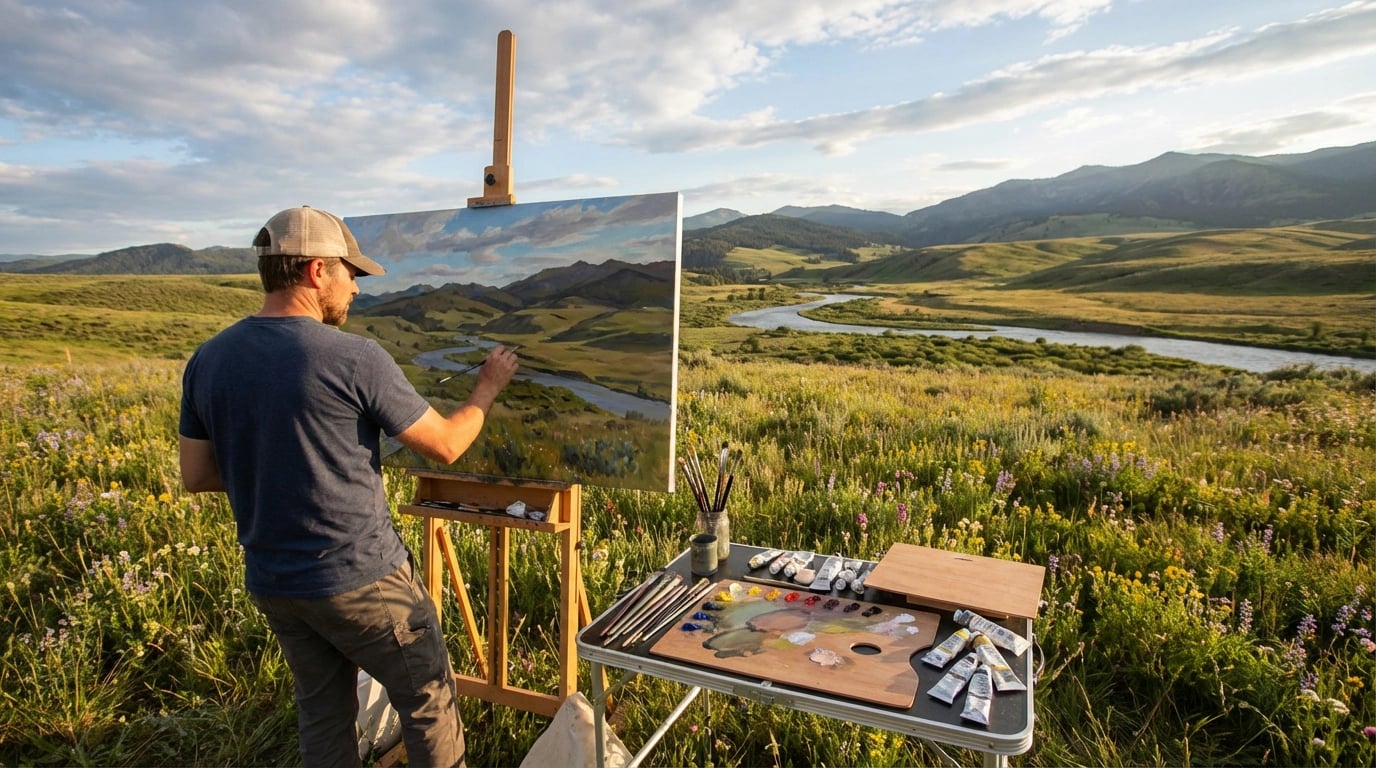
    Plein air painting involves working directly outdoors, facing your subject in real-time. This approach, championed by the French Impressionists, offers unparalleled authenticity in capturing natural light, atmospheric conditions, and the genuine essence of a landscape. The immediacy of this method forces quick decision-making and confident brushwork.

    The primary advantage of plein air work lies in its ability to capture transient lighting conditions that photographs simply cannot replicate. Artists experience the temperature, sounds, and smells of their environment, which unconsciously influences their color choices and compositional decisions. However, this approach presents significant challenges: changing light conditions require rapid work, weather can be unpredictable, and carrying equipment outdoors demands physical effort.

    Pros of Plein Air Painting

    • Authentic color relationships impossible to achieve from photographs
    • Immediate connection with the subject matter
    • Develops observational skills and color perception rapidly
    • Creates energetic, spontaneous brushwork
    • Builds confidence in quick decision-making

    Cons of Plein Air Painting

    • Weather dependency limits working opportunities
    • Rapidly changing light conditions create time pressure
    • Equipment transport can be cumbersome
    • Limited ability to create highly detailed work
    • Public settings may present distractions

    For artists interested in mastering outdoor painting techniques, exploring essential landscape painting techniques provides foundational knowledge applicable to field work. Additionally, developing comprehensive landscape skills helps overcome the unique challenges plein air painting presents.

    Studio-Based Approach: Controlled Precision and Refinement

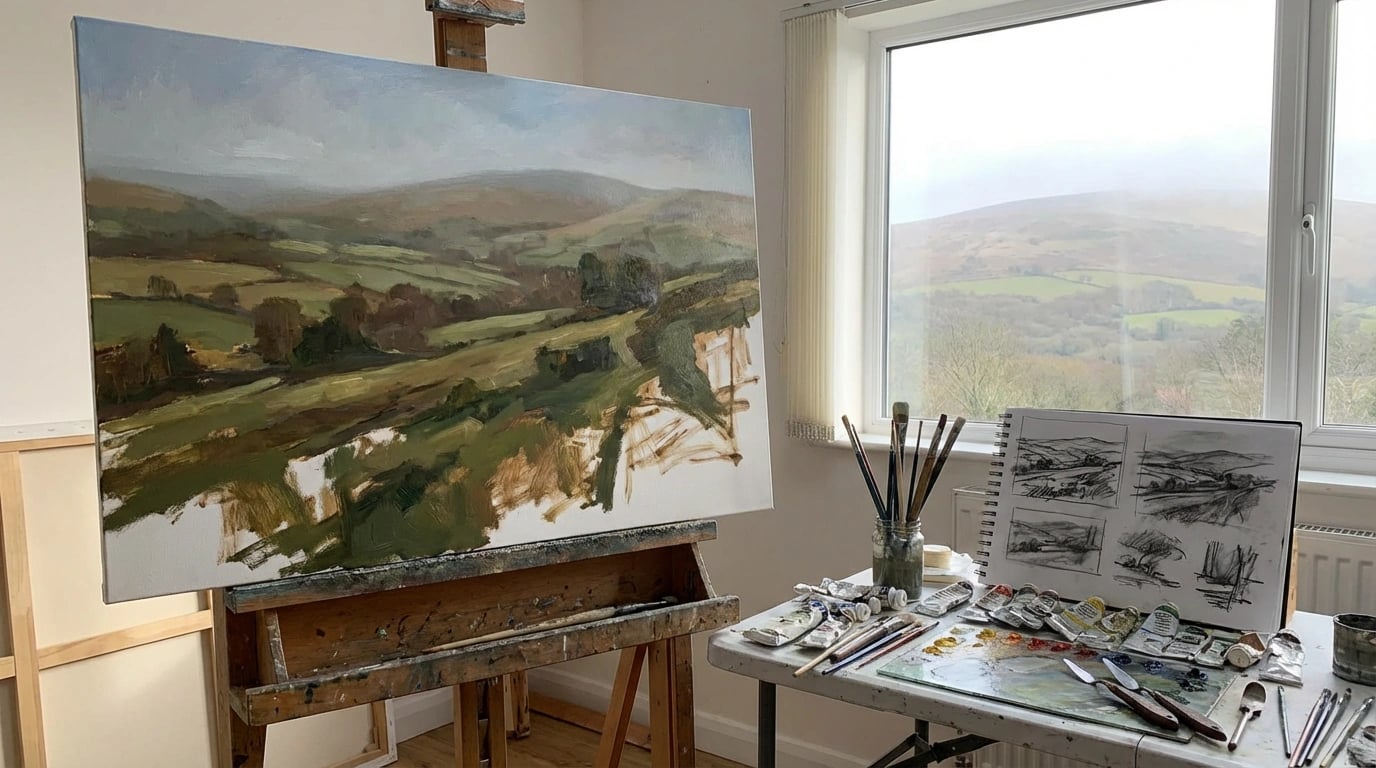
    Studio-based landscape painting offers complete environmental control, allowing artists to work from photographs, sketches, or memory within a comfortable setting. This methodology enables meticulous detail work, layering techniques, and extended contemplation periods that outdoor painting cannot accommodate. Moreover, studio work eliminates weather concerns and time constraints associated with changing light.

    The controlled environment of a studio allows artists to manipulate compositions freely, combine elements from multiple references, and achieve technical excellence through repeated refinement. Artists can experiment with diverse color palette approaches without the pressure of rapidly shifting natural light. This approach particularly suits artists creating large-scale works or those requiring precise architectural elements.

    Nevertheless, studio painting carries inherent limitations. Working from photographic references can flatten perspective and compress tonal ranges compared to direct observation. The emotional disconnect from the actual landscape sometimes results in less spontaneous, overly calculated compositions. Artists must consciously inject vitality into their work to avoid sterile, photographic reproduction.

    Recommended Studio Approach

    For optimal results, combine field studies with studio refinement. Create quick plein air sketches or color studies on location, then develop finished pieces in the studio using these authentic references. This hybrid method captures the best aspects of both approaches while minimizing their respective weaknesses.

    Impressionistic Technique: Emotion Over Exactitude

    Impressionistic landscape painting prioritizes capturing the impression of a scene rather than photographic accuracy. This approach emphasizes visible brushstrokes, vibrant color juxtaposition, and the emotional atmosphere of a moment. Artists working impressionistically often apply paint in distinct dabs and strokes, allowing optical color mixing when viewed from appropriate distances.

    This technique excels at conveying mood, light quality, and temporal conditions—sunrise’s warmth, midday’s brilliance, or twilight’s mystery. Impressionistic work typically progresses rapidly, maintaining freshness and spontaneity throughout the piece. The looseness of this approach forgives technical imperfections while celebrating paint quality and gestural expression.

    Understanding historical landscape art movements provides context for impressionistic techniques and their revolutionary impact. Furthermore, examining global landscape art styles reveals how impressionism influenced subsequent artistic developments worldwide.

    Key Characteristics

    • Broken color application rather than smooth blending
    • Emphasis on light effects and atmospheric conditions
    • Visible, directional brushwork contributing to movement
    • Elevated chroma and unexpected color relationships
    • Simplified forms focusing on overall impression

    Impressionistic painting works exceptionally well for artists seeking emotional expression over technical precision. However, it requires solid understanding of color theory and confident brushwork to succeed. Beginners sometimes struggle with the apparent looseness, initially producing muddy results before developing the necessary control.

    Photorealistic Method: Technical Mastery and Detail

    Photorealistic landscape painting aims to replicate photographic accuracy through meticulous technique, precise observation, and extraordinary patience. This approach demands exceptional technical skill, understanding of light physics, and ability to render minute details convincingly. Artists typically work from high-quality photographic references, employing thin glazes, careful blending, and systematic layering.

    The photorealistic method showcases supreme technical ability and creates stunning visual impact. These paintings often provoke the response, “I thought it was a photograph!” which represents the approach’s primary goal. This technique particularly suits subjects with intricate details—textured bark, reflective water surfaces, or architectural elements within landscapes.

    However, photorealism requires substantial time investment, sometimes weeks or months for a single piece. The tedious nature of this work can diminish spontaneity and artistic interpretation. Additionally, some critics argue that photorealistic painting merely duplicates what cameras accomplish more efficiently, though proponents counter that the human touch and intentional selection process distinguish it fundamentally from photography.

    Technical Requirements

    1. High-quality reference photographs with excellent resolution
    2. Systematic grid transfer methods or projector setup
    3. Superior brush control for smooth gradations
    4. Comprehensive understanding of color temperature and value
    5. Patience for extended, methodical work sessions

    Mixed Media Innovation: Blending Approaches for Unique Results

    Contemporary landscape artists increasingly embrace mixed media approaches, combining traditional painting with collage, digital elements, textural additives, or unconventional materials. This innovative methodology breaks conventional boundaries, allowing unprecedented creative freedom and distinctive visual signatures. Artists might incorporate actual leaves, sand, or natural materials into paint surfaces, or combine watercolor washes with acrylic details.

    Mixed media approaches enable artists to emphasize particular landscape elements through material contrast. For instance, smooth painted skies might juxtapose against heavily textured foregrounds created with palette knife work and added materials. This versatility allows artists to develop highly personal styles that distinguish their work in competitive markets.

    Those interested in exploring varied creative approaches should review comprehensive creative methods for landscape art. Additionally, understanding fundamental elements of great landscape art provides essential foundation regardless of chosen approach. Once you’ve created compelling landscape artwork, our print shop can help transform your pieces into professional-quality reproductions.

    Final Recommendations

    After thoroughly evaluating these different landscape painting approaches, beginners should start with studio-based work using simplified impressionistic techniques. This combination provides controlled learning conditions while encouraging expressive freedom over intimidating precision. As skills develop, progressively incorporate plein air sessions to sharpen observational abilities and color perception.

    Intermediate artists benefit from specializing in one primary approach while maintaining secondary methods for variety and continued growth. Advanced painters often synthesize multiple approaches, selecting techniques based on specific subject requirements rather than adhering rigidly to single methodologies. Ultimately, the most successful landscape painters develop flexible skill sets, adapting their approach to serve each unique creative vision rather than forcing subjects into predetermined technical frameworks.

    joerussell

    joerussell

    Australian abstract artists based in Byron Bay and curator of the GumPrints art print collection.