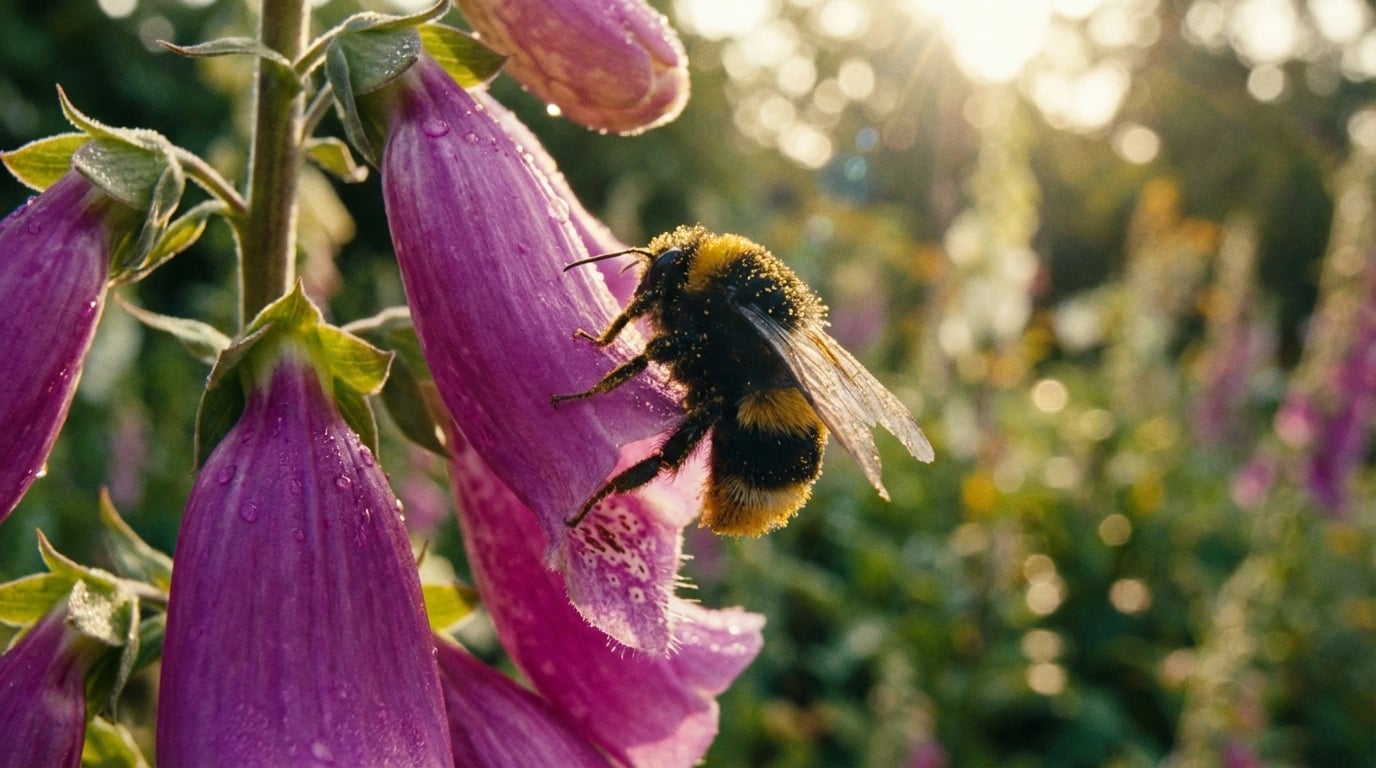
Understanding how plants reproduce is fundamental to appreciating the incredible diversity of life in gardens, forests, and ecosystems worldwide. Plants have evolved two primary reproductive strategies—sexual and asexual reproduction—each offering distinct advantages depending on environmental conditions and species characteristics. Whether you’re a gardening enthusiast, botanist, or simply curious about nature’s mechanisms, this comprehensive guide explores the fascinating processes that enable plants to perpetuate their species and maintain ecological balance.
Plants reproduce through two main pathways: sexual reproduction, which involves flowers, pollination, and seed production, and asexual reproduction, which creates new plants from vegetative parts without genetic recombination. Sexual reproduction produces genetically diverse offspring, increasing adaptability to environmental changes. Asexual reproduction, by contrast, generates clones of the parent plant, ensuring rapid population growth and genetic consistency. Most flowering plants rely primarily on sexual reproduction, while many ferns, mosses, and certain flowering plants utilize asexual methods as a backup strategy for survival. Understanding these mechanisms reveals how plants have dominated terrestrial ecosystems for over 400 million years and continue to shape our natural world.
Sexual Reproduction in Plants
Sexual reproduction represents the most common reproductive strategy among flowering plants and involves the combination of genetic material from two parent plants. This process begins with flower development, where male anthers produce pollen and female carpels develop ovules. The flower structure—including petals, sepals, and nectar-producing glands—attracts pollinators like bees, butterflies, and birds. Pollen grains contain the male gametes, while the ovule contains the female gamete. When pollen reaches the stigma of a compatible flower, germination occurs, and a pollen tube grows through the style toward the ovule. This intricate mechanism ensures genetic diversity, creating plants better adapted to environmental challenges.
The flower’s complexity reveals millions of years of evolutionary refinement. Different plant species have evolved specific flower shapes, colors, and fragrances to attract particular pollinators. Red tubular flowers appeal to hummingbirds, while fragrant white flowers often depend on nocturnal pollinators like moths. Some plants rely on wind pollination, producing lightweight pollen in vast quantities. Understanding flower structure helps explain why certain species thrive in particular ecosystems and how identifying plant species requires attention to reproductive characteristics.


Asexual Reproduction Methods
Asexual reproduction enables plants to create new individuals without sexual processes, producing genetically identical clones of the parent plant. This strategy offers significant advantages in stable environments where the parent plant is already well-adapted. Runners, stolons, and rhizomes represent common horizontal stem systems that generate new plantlets at nodes. Potato plants produce tubers—underground storage stems that develop new shoots when conditions permit. Bulbs, corms, and fragmentation allow plants like lilies, crocuses, and strawberries to multiply rapidly without requiring pollinator assistance or expending energy on flower production.
Many ornamental and crop plants depend almost exclusively on asexual propagation. Banana plants, seedless grapes, and numerous houseplants are propagated vegetatively because sexual reproduction would create undesirable genetic variation. Additionally, resilient backyard plants often utilize asexual methods for reliable establishment in home gardens. Gardeners exploit asexual reproduction through cuttings, layering, and division techniques. This reproductive flexibility demonstrates remarkable botanical adaptation to human agricultural needs and environmental pressures.
Pollination and Fertilization
Pollination represents the critical transfer of pollen from male anthers to female stigmas, accomplished through wind, water, animals, or self-pollination mechanisms. Insect pollination represents the most specialized strategy, with co-evolutionary relationships between flowering plants and their insect partners spanning millions of years. Bees—both honeybees and native species—represent the most efficient pollinators, while beetles, flies, and wasps also contribute significantly. Bird pollination dominates tropical regions, with hummingbirds and sunbirds attracted to tubular, red flowers rich in nectar.
Once pollen lands on a compatible stigma, remarkable cellular recognition mechanisms activate, permitting pollen tube growth. The pollen tube extends through the style toward the ovule, a process sometimes requiring hours or days depending on species and environmental conditions. Double fertilization, unique to flowering plants, involves two sperm cells: one fertilizes the egg to form the embryo, while the second fuses with polar nuclei to develop the endosperm, a nutrient-rich tissue supporting seed development. This sophisticated system ensures successful seed production and establishes unique plant kingdom characteristics that distinguish angiosperms from other plant divisions.
Seed Dispersal Strategies
After successful fertilization, seeds develop within protective coverings and employ diverse dispersal mechanisms ensuring genetic spread across landscapes. Wind-dispersed seeds feature lightweight designs—wings, hairs, or parachute structures—enabling transport over considerable distances. Dandelions, maples, and pine trees exemplify wind dispersal’s effectiveness across temperate regions. Animal dispersal includes both external transport (burrs adhering to fur or feathers) and internal transport (seeds surviving digestive passage within berries and fruits). Water dispersal benefits riparian plants and island-colonizing species, with seeds floating in currents until reaching suitable germination sites.
Some plants employ explosive mechanisms, ejecting seeds forcefully when seedpods dry and contract suddenly. This diversity in dispersal reflects evolutionary adaptation to specific environmental niches. Understanding seasonal changes in plant tissues illuminates how seeds mature throughout growing seasons. Seed longevity varies dramatically—some seeds germinate immediately while others remain viable for decades, allowing populations to persist through unfavorable periods.
Reproductive Adaptations Across Species
Plant reproductive strategies reveal elegant adaptations to specific ecological niches and environmental pressures. Tropical rainforest plants produce numerous small seeds dependent on specific animal dispersers, while temperate plants often produce fewer, larger seeds with thicker protective coatings. Desert plants exhibit remarkable flexibility, capable of both rapid sexual reproduction following rainfall and extended dormancy via asexual vegetative survival. Comparing tropical versus desert plant growth requirements demonstrates how reproductive strategies interconnect with survival mechanisms.
Annual plants complete their entire life cycle within single seasons, relying entirely on seed production for population persistence. Perennial plants can reproduce repeatedly across multiple seasons, combining sexual reproduction with vegetative persistence. Some species exhibit remarkable reproductive flexibility, adjusting strategies based on environmental conditions—favoring sexual reproduction during resource abundance and asexual reproduction during stress. This plasticity exemplifies evolutionary success in variable environments. Plant reproduction (Wikipedia) provides additional scientific detail on these complex mechanisms.
The reproductive diversity evident across plant species underscores nature’s creative solutions to perpetuation challenges. Whether observing flower structures, collecting seeds during autumn walks, or cultivating garden plants, understanding reproduction deepens appreciation for botanical complexity. Visit our shop to explore beautiful botanical artwork celebrating plant diversity, or examine how displaying art prints beautifully brings natural inspiration into living spaces. From microscopic pollen grains to vast seed dispersals, plant reproduction represents one of nature’s most sophisticated and captivating processes.

|
joerussell Australian abstract artists based in Byron Bay and curator of the GumPrints art print collection. |
Leave a Reply