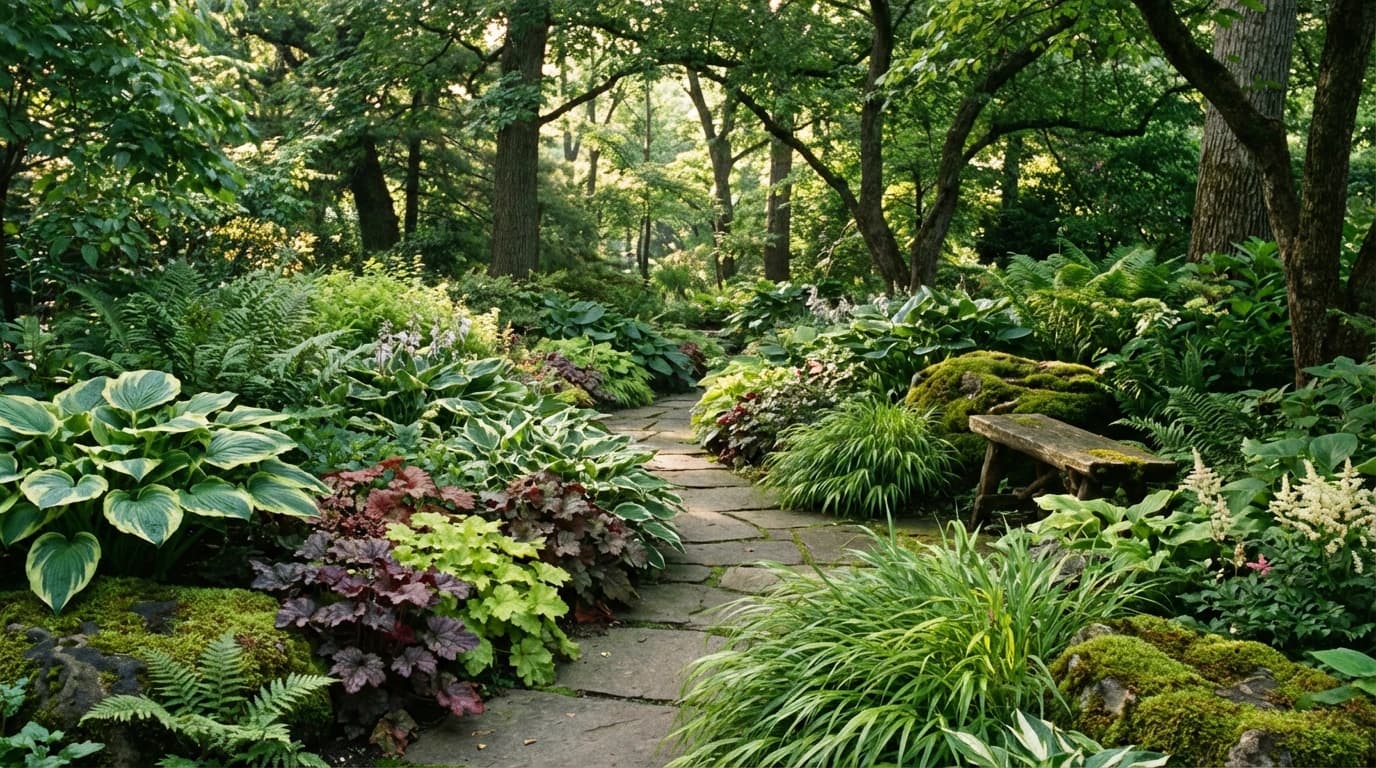
Creating a thriving shade garden requires understanding which plants need shade and thrive in low-light conditions. Many gardeners mistakenly believe that shaded areas are limitations rather than opportunities. In reality, numerous plant species flourish in partial or full shade, offering rich textures, vibrant foliage, and unexpected color to darker garden spaces. Whether your yard features dense tree cover, north-facing walls, or afternoon shadows, selecting appropriate shade-loving plants is the key to developing a lush, healthy garden ecosystem.
The answer to which plants need shade involves understanding light requirements and plant physiology. Shade-loving plants have evolved in forest understories and woodland environments where limited direct sunlight is the norm. These plants typically have larger leaves to capture available light, slower growth rates, and greater tolerance for moisture retention. Common shade-loving species include hostas, ferns, astilbe, coral bells, bleeding heart, and hellebores. Additionally, many woody shrubs and small trees naturally prefer dappled shade, including Japanese maples, rhododendrons, and boxwoods. By selecting species adapted to shade conditions, you eliminate the frustration of watching sun-loving plants wilt and decline in inadequate light.
Assessing Your Shade Garden Conditions
Before selecting plants, evaluate your specific shade situation carefully. Not all shade is created equal—some areas receive dappled morning sun followed by afternoon shade, while others experience deep, consistent darkness throughout the day. Understanding your garden’s light pattern is essential for successful plant selection. Consider whether your shade comes from deciduous trees (which allow more light in winter) or permanent structures like fences and buildings. Additionally, assess soil moisture levels, as shaded areas often retain more water than sunny zones, affecting which plants will thrive.
Measure light intensity across different sections of your garden throughout the day. Light shade typically receives three to four hours of filtered sunlight, while partial shade gets two to three hours of direct morning sun. Deep or full shade receives minimal direct sunlight, perhaps only an hour or two of indirect light. This assessment directly influences which resilient plants work best for your conditions, ensuring your selections match environmental reality rather than wishful thinking.
Selecting the Right Shade Plants for Your Space
Once you understand your shade conditions, selecting appropriate plants becomes straightforward. Hostas represent the quintessential shade plant, offering stunning foliage in countless varieties ranging from blue-green to chartreuse and variegated patterns. These perennials tolerate dense shade and thrive in moist soil, making them ideal for challenging locations. Ferns provide similarly elegant solutions, with species like Japanese painted ferns and Christmas ferns adding delicate texture and movement to shaded areas. Their fine fronds create an ethereal quality that complements both modern and traditional garden designs.
For flowering interest in shade, consider astilbe with its feathery plumes in pink, red, or white, or bleeding heart with distinctive heart-shaped flowers. Hellebores bloom during winter months when little else flowers, providing crucial seasonal interest. Exploring colorful plants worldwide reveals numerous shade-tolerant species like coral bells and Japanese forest grass that offer year-round visual appeal. Combining multiple shade plants with varying textures, colors, and bloom times creates a dynamic garden that evolves throughout the seasons while remaining vibrant in low-light conditions.
Establishing and Maintaining Your Shade Garden
Successfully establishing shade plants requires attention to soil preparation and initial care. Shade areas often develop dense, compacted soil with poor drainage and limited organic matter. Before planting, amend your soil with compost or aged organic material to improve structure and fertility. This preparation step determines whether shade plants establish strong root systems and thrive long-term. Space plants appropriately—shade plants typically grow slower than sun-loving varieties, but they still eventually reach mature size and need adequate room for air circulation.
Water management in shade gardens differs significantly from sunny locations. Because shade reduces evaporation, soil remains consistently moist, which many shade-loving plants prefer. However, excessive moisture can promote fungal issues and root rot. Water deeply but less frequently than sun gardens, allowing soil to dry slightly between waterings. Mulching with two to three inches of organic material regulates soil moisture, moderates temperature fluctuations, and gradually breaks down to improve soil quality.
Maintenance tasks in shade gardens prove less demanding than sunny alternatives. You’ll avoid constant watering, heat stress concerns, and aggressive weed growth. However, fallen leaves require periodic clearing to prevent smothering low-growing plants, and some shade plants benefit from occasional division every three to four years. Fertilize sparingly—shade plants naturally grow more slowly and require less nutrition than sun-loving varieties. Learning to identify plant species helps you recognize seedlings and volunteers that may self-sow in your shade garden, allowing you to encourage beneficial plants while removing unwanted ones.
Understanding shade plant biology and ecology (Wikipedia) enhances your gardening success significantly. These plants represent millions of years of evolutionary adaptation to low-light forest environments. By working with rather than against their natural preferences, you create gardens that thrive with minimal struggle. Whether you’re developing a woodland retreat or simply maximizing your yard’s full potential, shade gardens offer sophisticated beauty and reliable performance when stocked with appropriate species.
Transform your shaded spaces from perceived limitations into lush, beautiful garden rooms. Visit our shop for botanical art and garden inspiration as you plan your shade garden transformation.

|
joerussell Australian abstract artists based in Byron Bay and curator of the GumPrints art print collection. |
Leave a Reply