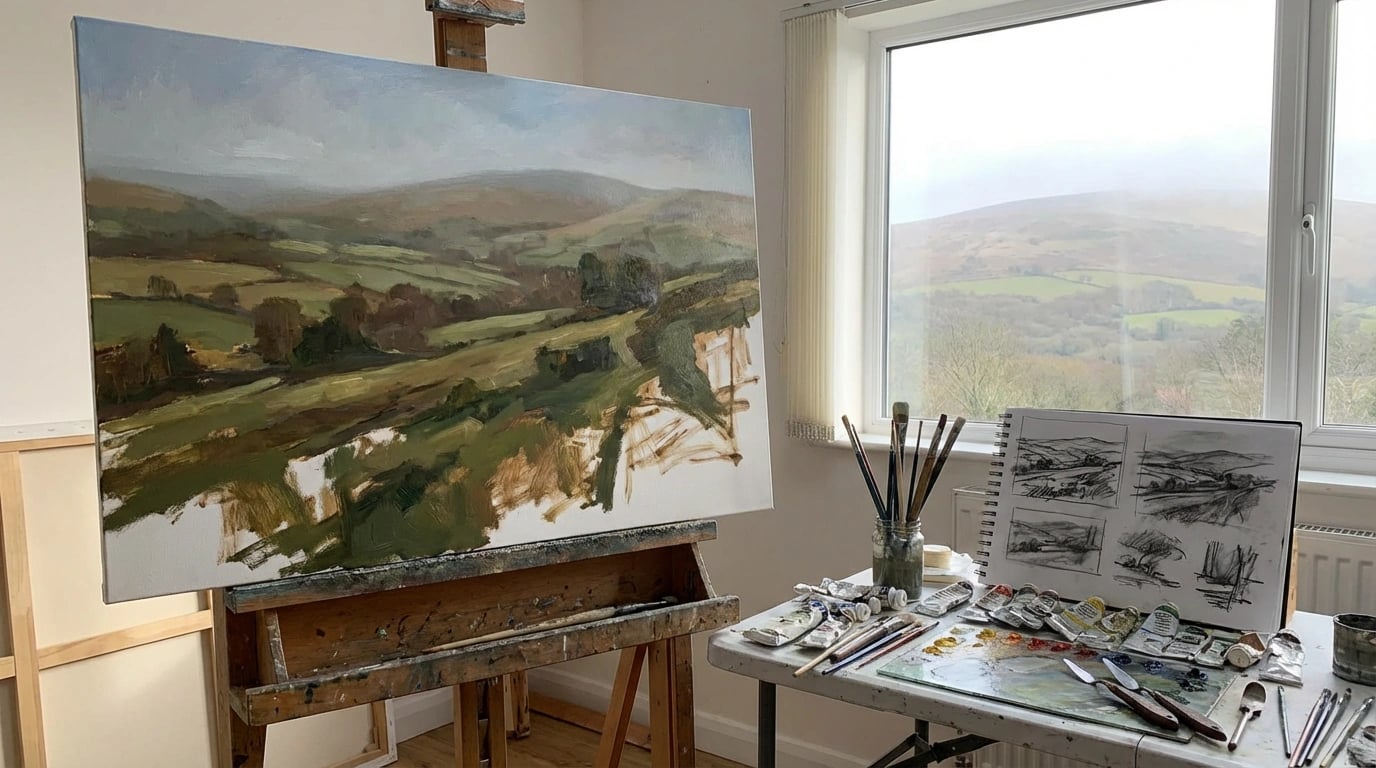
Understanding what separates a mediocre landscape painting from one that captivates and endures is essential for collectors, artists, and enthusiasts alike. Whether you’re considering purchasing art or developing your own practice, recognizing the fundamental qualities that elevate a landscape from simple scenery to compelling artwork will transform how you view and appreciate this timeless genre. Great landscape paintings transcend mere representation—they communicate emotion, demonstrate technical mastery, and offer viewers a fresh perspective on the natural world.
The essential elements of a great landscape painting include strong composition with clear focal points, skillful handling of light and atmospheric perspective, a cohesive color palette that evokes mood, confident brushwork that suggests rather than overworks detail, and an emotional resonance that connects viewers to the scene. Moreover, successful landscape art demonstrates technical understanding of spatial relationships, tonal values, and the interplay between foreground, middle ground, and background elements. These fundamental principles remain consistent across styles, from traditional realism to contemporary abstraction.
Composition and Structural Foundation
Composition serves as the architectural blueprint for any successful landscape painting. The arrangement of elements within the frame guides the viewer’s eye through the artwork, creating visual pathways and establishing hierarchy among different components. Strong compositions employ principles such as the rule of thirds, leading lines, and balanced asymmetry to create dynamic yet harmonious arrangements. A well-composed landscape immediately communicates its focal point while maintaining interest throughout the entire picture plane.
Artists must consider the relationship between positive and negative space, ensuring that empty areas contribute meaningfully to the overall design rather than creating awkward voids. The horizon line placement dramatically affects the painting’s emotional tenor—a low horizon emphasizes expansive skies and creates feelings of openness, while a high horizon grounds the composition and focuses attention on terrestrial elements. Additionally, the format itself (horizontal, vertical, or square) influences how viewers experience spatial relationships within the scene.
When exploring different compositional strategies, artists benefit from studying various approaches to organizing pictorial space. For comprehensive insights into structural decisions, our complete guide to landscape painting approaches examines how different artists solve compositional challenges across multiple traditions and styles.
Light, Atmosphere, and Spatial Depth
Light represents the most powerful tool in a landscape painter’s arsenal, capable of transforming ordinary scenes into extraordinary visual experiences. The quality, direction, and color temperature of light dramatically affect mood and establish the time of day and atmospheric conditions. Masterful landscape artists understand how light interacts with different surfaces—the way it reflects off water, filters through foliage, or illuminates distant mountains creates the optical phenomena that bring paintings to life.
Atmospheric perspective, also known as aerial perspective, provides the primary mechanism for conveying depth in landscape paintings. This natural phenomenon causes distant objects to appear lighter, cooler in color temperature, and less detailed than foreground elements due to intervening atmosphere. Skillful manipulation of these gradations creates convincing spatial recession, allowing two-dimensional surfaces to suggest three-dimensional space. Furthermore, the transition between clearly defined foreground elements and progressively softer background forms establishes visual hierarchy and draws viewers into the pictorial space.
Color Harmony and Emotional Impact
Color choices communicate emotion and establish mood more immediately than any other element in landscape painting. A cohesive color palette—whether limited or expansive—unifies diverse elements and creates visual harmony throughout the composition. Great landscape painters understand color temperature relationships, using warm and cool contrasts to advance and recede forms, create focal points, and suggest atmospheric conditions. The interplay between complementary colors adds vibrancy, while analogous color schemes produce serenity and cohesion.
Beyond technical color theory, successful landscape artists develop personal color vocabularies that distinguish their work and convey their unique perspective on the natural world. These distinctive palettes become recognizable signatures, whether rendered in naturalistic hues or interpretive color schemes that prioritize emotional expression over literal representation. For those interested in developing their color sensibility, fresh inspiration for landscape art color palettes offers contemporary approaches to chromatic decision-making.
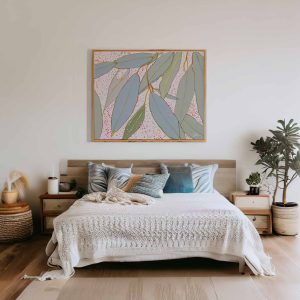
The abstract qualities of color and form can sometimes communicate landscape essence more powerfully than strict representation. “Gum print 2” and “Gum print 1” demonstrate how simplified forms and considered color relationships evoke natural environments through abstraction, offering viewers contemplative experiences that transcend literal depiction.

Technical Execution and Brushwork
Technical proficiency in handling paint distinguishes accomplished landscape painters from novices. Brushwork quality—the physical evidence of the artist’s hand—contributes texture, energy, and personality to paintings. Confident, economical brushstrokes that suggest detail without laborious overworking demonstrate mastery, while varied mark-making throughout the composition maintains visual interest. Different brushwork approaches suit different painting areas: loose, gestural strokes may suggest foliage or atmospheric effects, while more deliberate marks define structural elements.
Understanding paint handling extends beyond brushwork to include surface preparation, medium selection, and layering strategies. Whether working in oils, acrylics, watercolors, or mixed media, artists must master their chosen materials’ unique properties and possibilities. Successful landscape painters exploit their medium’s inherent characteristics—oil paint’s blendability, watercolor’s transparency, or acrylic’s quick-drying properties—to achieve desired effects efficiently. Those developing their technical skills can explore seven essential techniques for learning landscape painting that form the foundation of proficient execution.
Emotional Connection and Personal Vision
Technical excellence alone doesn’t create great landscape art—paintings must also communicate genuine emotional content and reflect the artist’s authentic vision. The most compelling landscapes convey the artist’s personal relationship with place, whether expressing wonder, tranquility, melancholy, or exhilaration. This emotional authenticity resonates with viewers, creating connections that transcend the merely decorative. Artists who paint from direct observation or deeply felt memory typically produce more convincing work than those copying photographs without personal investment.
Developing personal vision requires artists to move beyond simply recording what they see toward interpreting scenes through their unique sensibilities. This interpretive process involves making conscious decisions about what to emphasize, minimize, or eliminate entirely. Great landscape painters understand that fidelity to visible reality matters less than fidelity to emotional truth. Understanding why artists paint landscapes illuminates the deeper motivations that transform technical exercises into meaningful artistic statements.
Style and Artistic Approach
Style represents the synthesis of technical choices, personal vision, and cultural context that distinguishes one artist’s work from another’s. While some landscape painters embrace traditional realism rooted in observation, others pursue impressionistic interpretations, expressionist distortions, or complete abstraction. No single approach inherently produces superior results—greatness emerges from how convincingly artists execute their chosen style and whether that style authentically expresses their vision. Contemporary landscape art encompasses extraordinary stylistic diversity, from photorealistic precision to gestural minimalism.
The relationship between style and subject matter significantly influences a painting’s impact. Some landscapes demand specific stylistic approaches—dramatic mountain vistas might call for bold, expressive handling, while intimate woodland scenes might benefit from delicate, nuanced treatment. Artists working within established traditions like the Hudson River School or contemporary movements must balance convention with innovation, honoring precedent while contributing fresh perspectives.
Exploring diverse stylistic possibilities expands artistic vocabulary and helps painters discover their authentic voice. Resources like global landscape art styles explored reveal how different cultures and traditions approach landscape representation, offering inspiration for artists seeking to develop distinctive personal styles. Whether you’re drawn to traditional techniques or contemporary innovations, examining various approaches enriches understanding and informs creative development.
For collectors and enthusiasts seeking to bring exceptional landscape art into their spaces, consider exploring carefully curated selections that demonstrate these essential elements. Browse the shop to discover works that exemplify compositional strength, atmospheric sensitivity, and emotional resonance across diverse styles and approaches.

|
joerussell Australian abstract artists based in Byron Bay and curator of the GumPrints art print collection. |
Leave a Reply