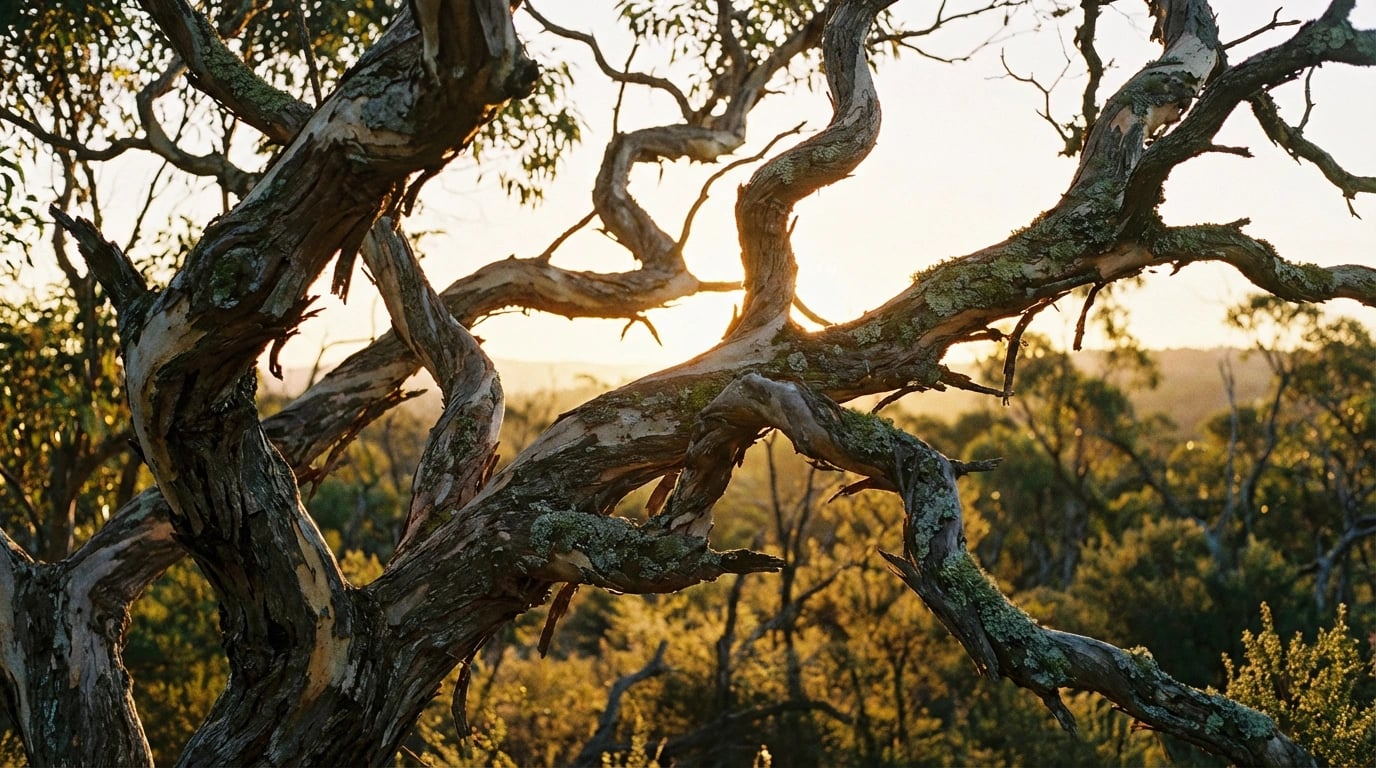
Australian gum trees are among the most challenging subjects for artists to capture on canvas. Their distinctive features—mottled bark, silvery leaves, and unpredictable growth patterns—have confounded painters for generations. Yet understanding why these iconic eucalypts present such difficulty is the first step towards mastering their artistic representation and creating compelling works that truly capture their essence.
Gum trees challenge artists primarily because of their complex bark textures, constantly shifting light effects on silvery foliage, and irregular branching patterns that defy conventional compositional rules. Additionally, their colours are notoriously difficult to mix accurately, ranging from subtle greys and blues to unexpected pinks and oranges. Moreover, these trees lack the structural predictability of European species, making traditional landscape painting techniques less effective. However, by approaching gum trees with specialised techniques and a willingness to embrace their unique characteristics, artists can transform these challenges into opportunities for creating distinctive, authentic Australian artwork.
Understanding the Challenge: Why Gum Trees Are Different
Before attempting to paint gum trees, artists must recognise what sets them apart from other tree species. European trees typically feature predictable growth patterns with symmetrical branching and uniform bark textures. In contrast, eucalypts exhibit chaotic, angular limbs that twist unexpectedly, creating compositions that can appear unbalanced to the untrained eye.
The bark itself presents multiple challenges simultaneously. Many species shed their outer layers in irregular patches, revealing surfaces in various stages of renewal. This creates a patchwork of colours and textures that must be observed carefully rather than generalised. Furthermore, the way light interacts with this varied surface changes dramatically throughout the day, making plein air painting particularly demanding.
According to botanical research on eucalyptus species, there are over 700 varieties of gum trees in Australia, each with distinct visual characteristics. This diversity means that techniques mastered for one species may not transfer effectively to another. Therefore, artists must approach each subject individually whilst building a foundational understanding of common eucalypt features.
Step 1: Observing and Capturing Bark Texture
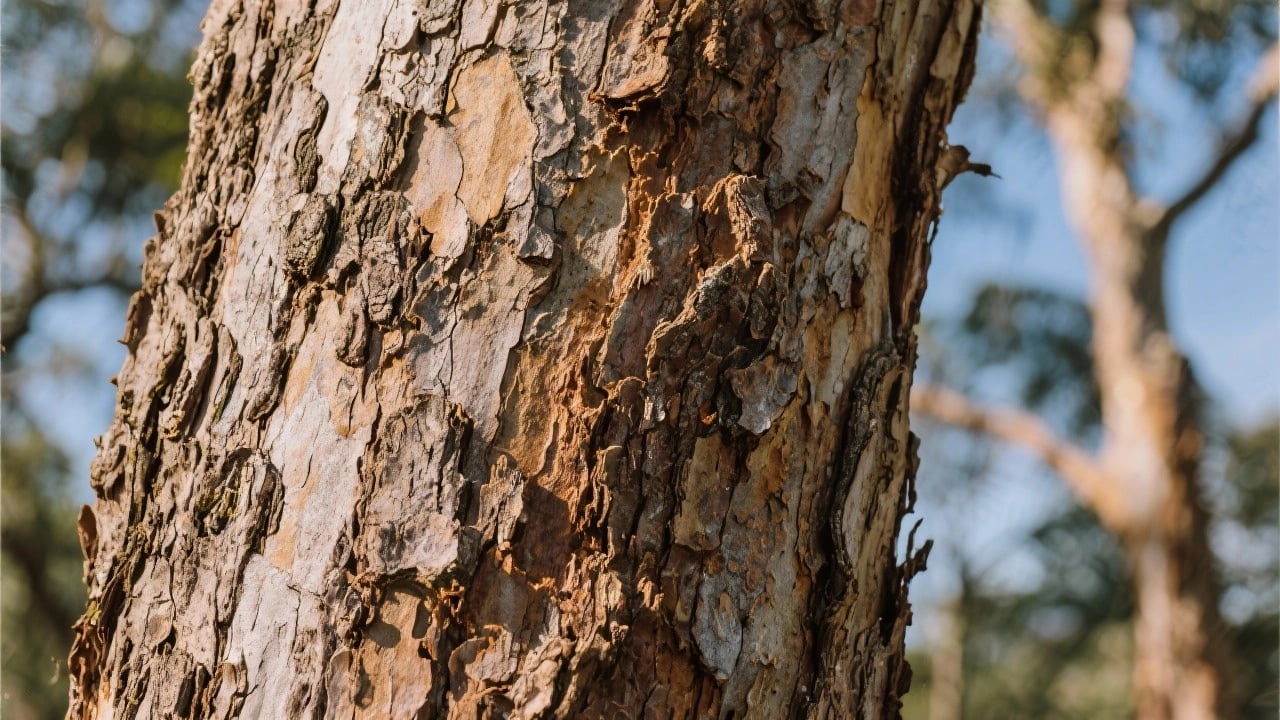
Begin your gum tree painting journey by dedicating time to close observation of bark patterns. Select a specific tree and spend at least 30 minutes sketching its bark texture before attempting to paint. Notice how the peeling layers create depth through overlapping forms rather than simple surface decoration.
Create a texture study using small paintings or drawings that focus exclusively on a section of bark approximately 30 centimetres square. This concentrated approach allows you to understand the underlying structure without becoming overwhelmed by the entire tree. Pay particular attention to the edges where bark curls away from the trunk—these create crucial shadows that give dimension to your work.
When translating these observations to paint, work in layers that mirror the bark’s natural formation. Start with base tones representing the inner bark, then gradually add the outer layers using broken brushstrokes that suggest peeling and texture. Avoid the temptation to overpaint every detail; instead, suggest complexity through strategic placement of highlights and shadows. Exploring the hidden geometry within eucalyptus forms can reveal underlying patterns that simplify this process.
Essential Tools for Bark Texture
- Palette knives for creating raised texture and scraped effects
- Stiff-bristled brushes for dry-brushing techniques
- Sponges or crumpled paper for dabbing irregular patterns
- Glazing medium for building transparent layers
Step 2: Mastering the Silvery Foliage Effect
Gum tree foliage presents a unique challenge due to its reflective quality and colour variations. Unlike the solid greens of many northern hemisphere trees, eucalyptus leaves catch light in ways that create silvery, almost luminous effects. This characteristic stems from the waxy coating on the leaves and their tendency to hang vertically rather than horizontally.
To capture this effect, begin by abandoning preconceived notions about “tree green.” Mix your foliage colours using blues, greys, and even subtle purples alongside your greens. Test these mixtures against actual gum leaves in various lighting conditions to train your eye. Remember that gum tree foliage often appears lighter and cooler than you might initially perceive.
Apply foliage using techniques that suggest movement and lightness rather than dense masses. Employ dry-brush techniques where bristles barely touch the canvas, creating broken colour that allows underlying layers to show through. This approach mimics the way light filters through eucalyptus canopies. Additionally, leave strategic gaps in your foliage to suggest the characteristic openness of gum tree crowns, which rarely form the solid domes seen in many exotic species.
Step 3: Developing a Compositional Approach
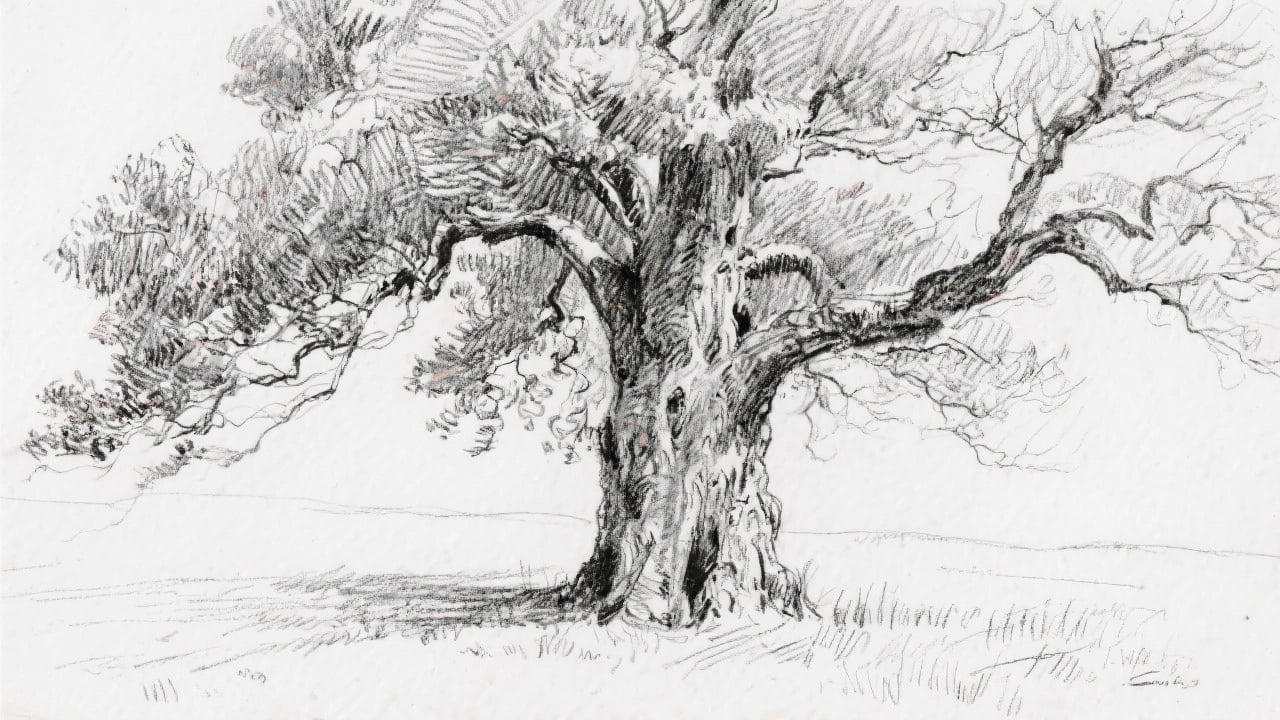
The irregular growth patterns of gum trees demand a flexible compositional strategy. Traditional rules about balanced placement and harmonious curves often feel forced when applied to eucalypts. Instead, embrace asymmetry and apparent chaos as authentic features of your subject.
Start your composition by identifying the dominant angular thrust of the main trunk or primary limbs. Gum trees frequently lean at unexpected angles or feature dramatic bends that create dynamic diagonal lines. Use these as the foundation for your composition rather than fighting against them. Position these elements to lead the viewer’s eye through the painting, even if this creates unconventional balance.
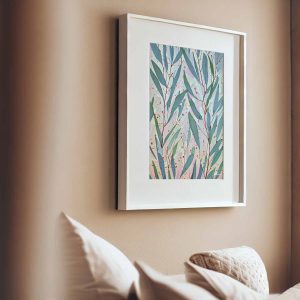
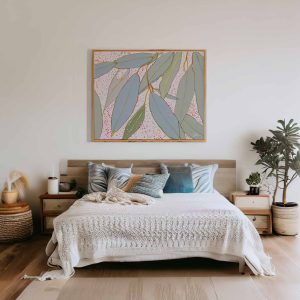
Consider how different artistic styles have approached gum trees throughout history, from traditional landscape painting to contemporary abstraction. Many successful gum tree paintings work precisely because they honour the trees’ natural irregularity. Frame your subject to emphasise its distinctive character—perhaps focusing on a dramatically twisting branch rather than attempting to include an entire tree.
Compositional Techniques for Gum Trees
- Use the rule of thirds to position major trunk divisions or branch intersections at power points
- Allow branches to extend beyond your canvas edges to suggest the tree’s expansive nature
- Create depth by overlapping multiple trunks or showing trees at varying distances
- Balance the visual weight of heavy trunks with open sky or lighter foliage areas
Step 4: Colour Mixing for Authentic Eucalyptus Tones
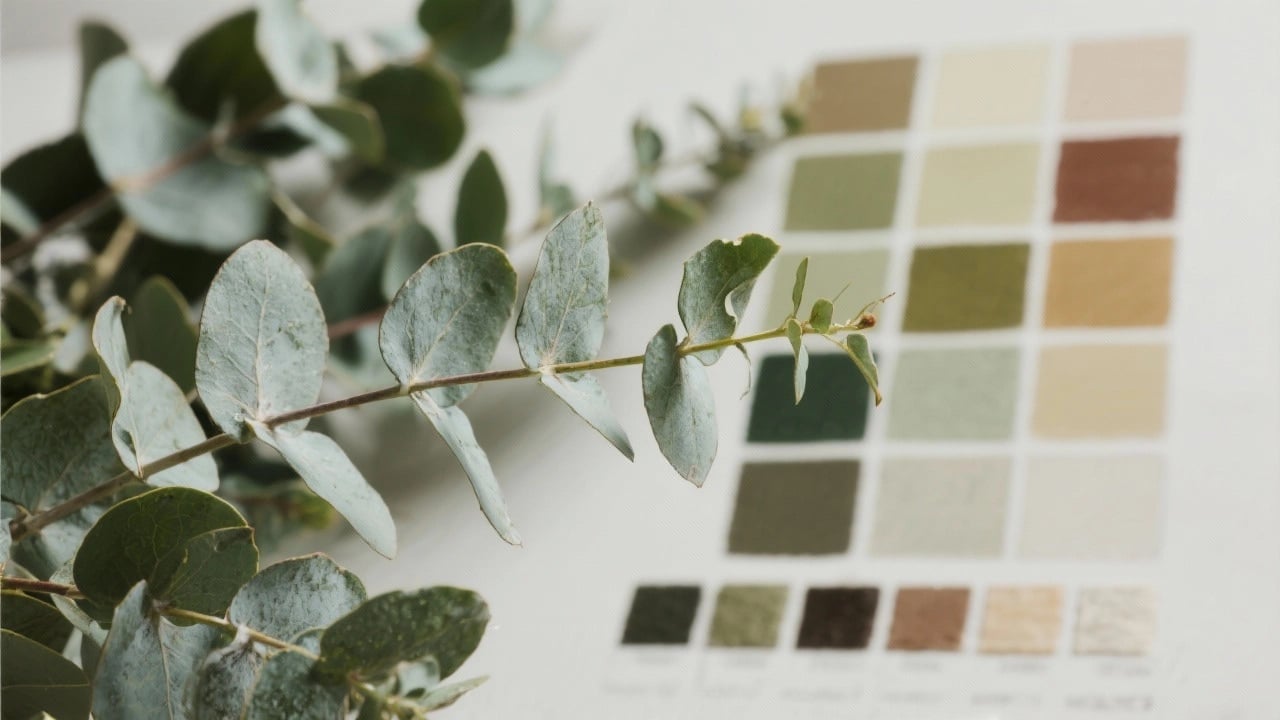
Achieving authentic gum tree colours requires moving beyond standard landscape palettes. The characteristic bark tones range from white and cream through grey, tan, pink, orange, and even deep charcoal, depending on species and condition. Foliage colours present equal complexity, spanning blue-greens, grey-greens, olive tones, and silvery highlights.
For bark, begin with a limited palette that includes titanium white, raw umber, burnt sienna, and ultramarine blue. These four colours can create an extensive range of eucalyptus bark tones through various combinations. Add small amounts of crimson or violet for the pink undertones visible in many species. Mix colours on your palette to create at least six distinct bark tones before you begin painting, ensuring adequate variety.
Foliage colours benefit from a foundation of sap green or viridian mixed with generous amounts of white and touches of blue. Avoid using green straight from the tube, as this rarely matches the subtle complexity of gum leaves. Create cooler mixtures for foliage in full light and warmer, darker tones for shadowed areas. The natural colour palette found in gum trees offers endless inspiration for artists willing to observe carefully.
Essential Colour Mixing Ratios
- Light bark: 3 parts white, 1 part raw umber, touch of ultramarine
- Mid-tone bark: Equal parts raw umber and burnt sienna, modified with white
- Dark bark: Ultramarine and burnt sienna with minimal white
- Silvery foliage: Sap green, white, and cerulean blue (3:2:1 ratio)
- Shadow foliage: Viridian, burnt umber, and ultramarine
Step 5: Practice and Continuous Refinement
Mastering gum tree painting requires sustained practice with intention and self-reflection. Set yourself specific challenges that isolate individual difficulties rather than attempting perfect finished paintings immediately. For instance, dedicate one session exclusively to bark texture, another to foliage colour, and another to compositional balance.
Develop a regular sketching practice that includes quick studies of gum trees in various lighting conditions and seasons. These needn’t be detailed drawings—simple value sketches capturing the play of light and shadow will train your observational skills. Photograph trees that interest you and use these references for studio work, but always supplement photographs with direct observation to understand three-dimensional form.
Analyse your work critically by comparing finished paintings with your reference material. Identify specific areas where your interpretation diverges from reality—not to achieve photographic accuracy, but to understand whether these departures serve your artistic vision or simply represent technical challenges to address. Understanding watercolour techniques for eucalyptus can provide alternative approaches that may inform your primary medium.
Moreover, study how other artists have successfully tackled gum trees. Visit galleries featuring Australian landscape art, paying particular attention to how accomplished artists handle the challenges you’re encountering. Historical approaches to eucalyptus in Australian art reveal diverse solutions to common problems, offering inspiration for your own development.
Weekly Practice Schedule
- Monday: 30-minute observational sketches focusing on overall structure
- Wednesday: Colour mixing exercises creating bark and foliage palettes
- Friday: Technique practice (texture, dry-brushing, or glazing)
- Weekend: Longer painting session incorporating learned techniques
Furthermore, consider joining art groups or online communities focused on Australian landscape painting. Sharing your work and receiving constructive feedback accelerates improvement whilst connecting you with others who understand the specific challenges of painting eucalypts. Many artists find that explaining their techniques to others clarifies their own understanding and reveals areas needing further development.
Finally, remember that gum trees have stumped artists precisely because they demand fresh approaches rather than reliance on established formulas. Consequently, your personal solutions to these challenges will contribute to your distinctive artistic voice. Embrace experimentation, accept that not every painting will succeed, and maintain curiosity about these remarkable trees that define the Australian landscape. The journey of achieving eucalyptus mastery continues throughout an artist’s career, with each painting revealing new insights.
As you develop your skills, you’ll discover that what initially seemed like insurmountable challenges become the very features that make gum tree painting rewarding. The irregular branching patterns that once frustrated you will become compositional opportunities. The complex bark textures that seemed impossible to capture will evolve into your signature technique. Through persistent practice and thoughtful observation, you’ll transform these iconic Australian trees from subjects that stumped you into sources of artistic inspiration and achievement. Browse the collection of gum tree artwork to see how other artists have interpreted these magnificent subjects.

|
joerussell Australian abstract artists based in Byron Bay and curator of the GumPrints art print collection. |
Leave a Reply