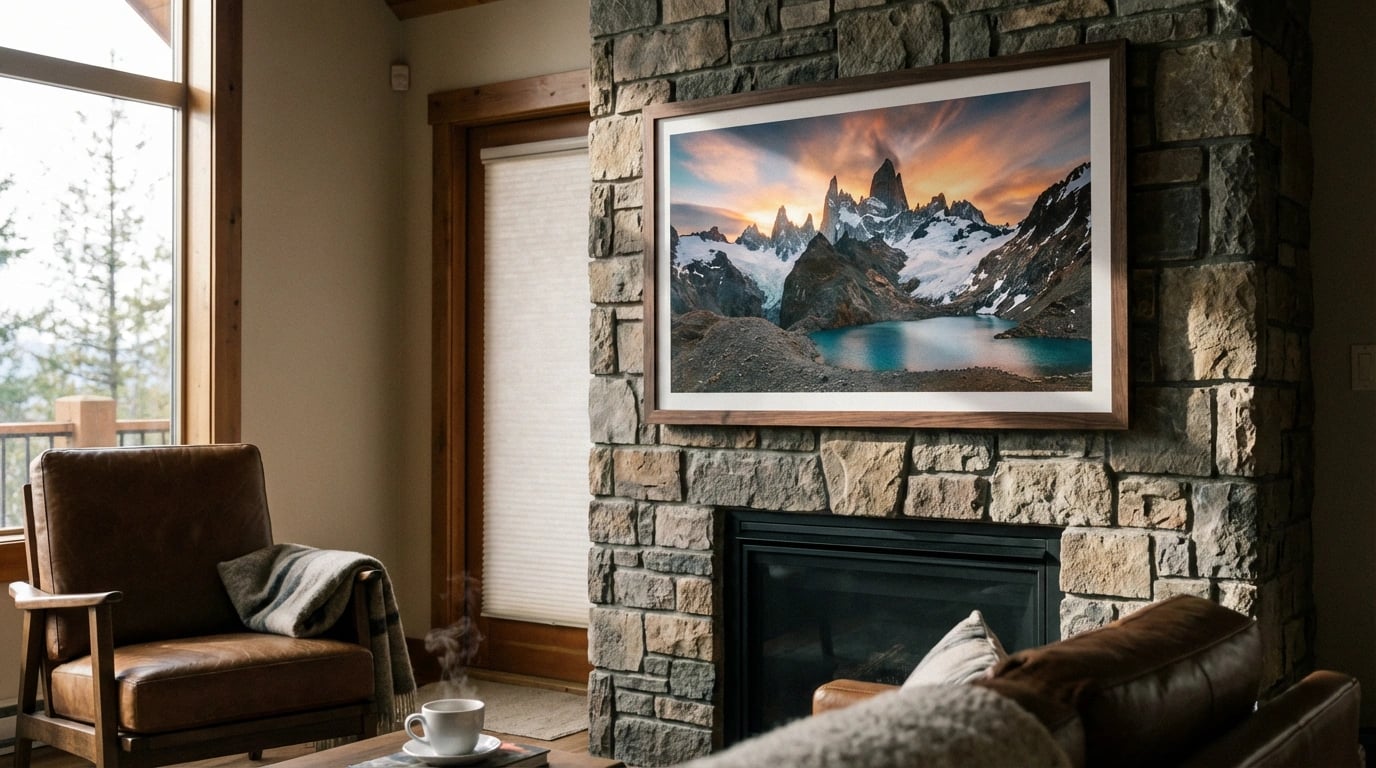
Transforming a house into a home often begins with the art you choose to display on your walls. Among the most enduring and versatile choices, landscape art prints continue to captivate homeowners and interior designers alike. Whether you’re drawn to serene coastal scenes, dramatic mountain vistas, or the distinctive beauty of Australian bushland, understanding current landscape art print trends empowers you to make selections that feel both contemporary and timeless. This comprehensive guide explores the evolving world of landscape art prints, helping you navigate styles, color palettes, and display techniques to create spaces that truly reflect your aesthetic vision.
The landscape art print market is experiencing a dynamic shift toward authenticity, sustainability, and personalization. Today’s trends favor prints that tell stories, evoke specific emotions, and connect viewers to places both real and imagined. Moreover, advances in printing technology have made museum-quality reproductions accessible to everyday collectors, while contemporary artists are reimagining traditional landscape subjects through innovative techniques. From the resurgence of botanical elements to the growing appreciation for abstract interpretations of natural scenes, the current landscape points toward art that bridges the gap between nature and modern living spaces.
Minimalist Landscapes: Less Is More
One of the most prominent trends in landscape art prints today is the embrace of minimalism. These compositions strip away extraneous details, focusing instead on essential elements that capture the essence of a place. Think expansive skies meeting calm waters, solitary trees against empty horizons, or simple mountain silhouettes rendered in muted tones.
Minimalist landscape prints work exceptionally well in contemporary homes where clean lines and uncluttered spaces dominate the design philosophy. Furthermore, they offer remarkable versatility, complementing various interior styles from Scandinavian to modern farmhouse. The reduced visual complexity creates a calming effect, making these prints particularly suitable for bedrooms, meditation spaces, and home offices.
Why Minimalist Landscapes Resonate Today
The appeal of minimalist landscape art reflects broader cultural shifts toward intentional living and mindfulness. In our increasingly digital and visually saturated world, these simplified compositions provide visual respite. Additionally, they allow homeowners to project their own interpretations and emotions onto the artwork, creating a more personal connection with the piece.
When selecting minimalist landscape prints, consider compositions that use negative space effectively. The empty areas in these works are just as important as the painted elements, creating balance and allowing your eye to rest. This approach aligns perfectly with the principles outlined in choosing landscape art that enhances your space.
Color Trends Shaping Landscape Prints
Color psychology plays a crucial role in how landscape art prints influence the atmosphere of your home. Current trends reveal fascinating shifts in palette preferences, moving away from traditional earth tones toward more nuanced and unexpected combinations.
Warm neutrals remain popular, but with increased sophistication. Instead of basic beiges and browns, contemporary landscape prints incorporate terracotta, clay, warm grays, and dusty rose tones. These colors create inviting, cozy environments while maintaining a refined aesthetic. Meanwhile, cooler palettes featuring sage greens, soft blues, and muted lavenders bring tranquility to spaces.
Monochromatic and Duotone Approaches
Monochromatic landscape prints—those utilizing variations of a single color—have gained significant traction among design-conscious homeowners. These pieces offer visual cohesion and can tie together existing color schemes effortlessly. Similarly, duotone prints that combine two complementary or contrasting colors create striking focal points without overwhelming a room.
For those seeking guidance on harmonizing art with existing interiors, the landscape art color matching guide provides practical strategies for achieving balanced, aesthetically pleasing results. Understanding color relationships ensures your landscape prints enhance rather than compete with your overall design scheme.
Australian Native Landscapes and Botanical Focus
Australian landscapes possess a distinctive character that sets them apart from European or North American scenes. Consequently, prints featuring native flora and uniquely Australian vistas have experienced remarkable growth in popularity, both domestically and internationally.
The iconic eucalyptus tree, with its distinctive peeling bark and silvery foliage, has become a particularly sought-after subject. These trees represent not only Australian identity but also possess aesthetic qualities that translate beautifully to art prints. Their muted color palettes and organic forms align perfectly with contemporary design sensibilities.
The Botanical Renaissance
Beyond full landscape scenes, detailed botanical studies of native plants have surged in popularity. These prints bridge the gap between traditional botanical art and contemporary design, offering scientific precision combined with artistic interpretation. Gum leaves, wattle blossoms, and banksia flowers feature prominently in this trend.
This botanical focus reflects broader interest in biophilic design—the practice of connecting interior spaces with the natural world. According to research from environmental psychology studies, incorporating natural elements into home decor can reduce stress and improve overall wellbeing. The biophilia hypothesis suggests humans possess an innate tendency to seek connections with nature, making landscape and botanical prints more than mere decoration.
Regional Australian Landscapes
Different Australian regions inspire distinct artistic interpretations. Coastal scenes capturing the meeting of land and sea remain perennially popular, particularly those featuring the dramatic cliffs and turquoise waters of the continent’s extensive coastline. Meanwhile, outback landscapes with their red earth and endless skies offer striking color contrasts that create powerful visual statements.
The unique challenges and rewards of depicting Australian subjects have long fascinated artists, as explored in discussions about why gum trees presented such artistic challenges. These distinctly Australian elements add cultural authenticity and connection to place.
Abstract Interpretations of Natural Scenes
While photorealistic landscape prints maintain their appeal, abstract interpretations of natural scenes represent one of the fastest-growing segments in the landscape art market. These pieces capture the essence, mood, or emotional response to landscapes rather than their literal appearance.
Abstract landscape prints typically employ simplified forms, expressive brushwork, and interpretive color choices. They might reduce a coastal scene to horizontal bands of color or represent a forest through gestural marks and layered textures. This approach creates artwork that feels both connected to nature and thoroughly contemporary.
Benefits of Abstract Landscape Prints
Abstract interpretations offer several advantages for home decorators. First, they provide flexibility in interpretation, allowing them to complement various design schemes without being too literal or prescriptive. Second, they often age better aesthetically than highly realistic images, which can sometimes feel dated as photographic styles evolve.
Additionally, abstract landscape prints create conversation starters, inviting viewers to engage more actively with the artwork. The ambiguity inherent in abstraction allows different people to see different things, making these pieces particularly engaging in shared living spaces. For inspiration on diverse artistic approaches, explore how artists have experimented with reimagining gum trees through various styles.
Sustainable Printing and Ethical Art Consumption
Environmental consciousness has profoundly influenced landscape art print trends, with consumers increasingly seeking sustainably produced artwork. This shift reflects recognition that art celebrating nature should be created through environmentally responsible methods.
Modern sustainable printing practices include using archival-quality, acid-free papers made from recycled or sustainably harvested materials. Water-based inks have largely replaced solvent-based alternatives, reducing environmental impact without compromising color vibrancy or longevity. Furthermore, many print producers now offset their carbon emissions and minimize packaging waste.
Supporting Local Artists and Print Makers
Part of ethical art consumption involves supporting local artists and print makers rather than purchasing mass-produced imports. This practice not only reduces transportation-related carbon emissions but also supports local creative economies and ensures you’re acquiring authentic, often limited-edition pieces.
When purchasing landscape art prints, inquire about production methods, paper sources, and the artist’s environmental commitments. Transparent producers readily share this information, demonstrating their commitment to sustainable practices. Many collectors find that understanding the creation process deepens their appreciation for the final artwork.
Contemporary Display Techniques
How you display landscape art prints has evolved significantly, moving beyond traditional single-frame presentations toward more dynamic and personalized approaches. These contemporary techniques allow you to create gallery-worthy displays that reflect current design trends.
Gallery walls featuring multiple landscape prints in varying sizes create visual interest and allow you to tell a more complex story. When curating a gallery wall, consider mixing landscape orientations (horizontal, vertical, and square), varying frame styles subtly, and maintaining consistent matting or spacing for cohesion.
Framing and Presentation Trends
Current framing trends favor simplicity that allows the artwork to shine. Thin frames in natural wood tones, matte black, or white remain popular choices. Some homeowners opt for frameless presentations using magnetic hangers or floating mounts, creating a modern, minimalist aesthetic.
Large-scale prints have also gained favor, with many homeowners choosing single oversized pieces as statement elements rather than multiple smaller works. These commanding pieces anchor a room and create immediate visual impact. The key to successfully incorporating large prints lies in ensuring they’re proportionate to your wall space and furniture scale.
For comprehensive advice on incorporating prints effectively throughout your home, the art print tips for beautiful home decor offer practical guidance for achieving professional-looking results.
Seasonal Rotation and Collection Building
Another emerging trend involves treating art prints as part of a rotating collection rather than permanent fixtures. This approach allows you to refresh your space seasonally or as your tastes evolve, without significant expense. Building a small collection of landscape prints in complementary styles provides flexibility while maintaining aesthetic coherence.
Digital tools and apps now exist to help visualize how different prints will look in your space before purchasing. These technologies reduce uncertainty and help ensure your selections will work harmoniously with your existing decor.
Choosing Prints That Stand the Test of Time
While staying aware of trends helps you make informed choices, the most successful art selections balance contemporary appeal with timeless quality. The goal is finding landscape prints that resonate personally while possessing aesthetic qualities that endure beyond fleeting fashions.
Start by identifying landscapes and natural scenes that genuinely move you. Whether you’re drawn to mountains, oceans, forests, or deserts, your emotional response provides the foundation for lasting appreciation. Authentic personal connection ensures you’ll continue loving your art long after specific trends fade.
Quality Indicators in Landscape Art Prints
Several factors distinguish investment-worthy prints from disposable decor. Look for archival-quality printing on acid-free paper, which ensures your print won’t yellow or deteriorate over time. Limited edition prints signed by the artist often hold value better than unlimited reproductions.
Pay attention to color reproduction quality, ensuring subtle tonal variations are preserved rather than flattened. High-quality prints should exhibit depth and richness comparable to the original artwork. When possible, view prints in person before purchasing, as digital representations don’t always accurately convey texture and color nuance.
Building a Cohesive Collection
If you plan to acquire multiple landscape prints over time, consider establishing loose parameters for your collection. This might involve focusing on a particular region, color palette, artistic medium, or style. These guidelines provide direction without being overly restrictive, allowing your collection to grow organically while maintaining visual coherence.
Remember that your home’s art should reflect your journey and experiences. Mixing pieces acquired at different times creates layers of meaning and visual interest. Don’t feel compelled to purchase complete sets or perfectly matched pieces—some of the most compelling home galleries feature eclectic combinations unified by the owner’s distinctive taste.
For those ready to begin exploring options, browsing through a curated collection of landscape art prints provides inspiration and helps clarify your preferences.
Conclusion: Creating Your Landscape Art Story
Landscape art print trends reflect our evolving relationship with nature, design, and the spaces we inhabit. From minimalist compositions to richly detailed botanical studies, from sustainable production methods to innovative display techniques, today’s landscape art market offers unprecedented variety and quality.
The most important trend, however, transcends specific styles or techniques: the movement toward intentional, meaningful art selection. Rather than purchasing prints merely to fill wall space, contemporary collectors seek pieces that resonate emotionally, reflect personal values, and enhance daily living experiences.
As you navigate the landscape art print market, let these trends inform rather than dictate your choices. Use them as starting points for exploration, but ultimately trust your instincts and select works that speak to you personally. The best landscape prints for your home are those that bring you joy each time you see them, create the atmosphere you desire, and tell your unique story.
Whether you’re drawn to the distinctive beauty of Australian native landscapes, the calming simplicity of minimalist compositions, or the expressive freedom of abstract interpretations, the current landscape art market offers something for every taste and space. By understanding these trends and applying thoughtful selection criteria, you can curate a collection that feels both current and timeless, transforming your house into a true reflection of your aesthetic vision.

|
joerussell Australian abstract artists based in Byron Bay and curator of the GumPrints art print collection. |
Leave a Reply