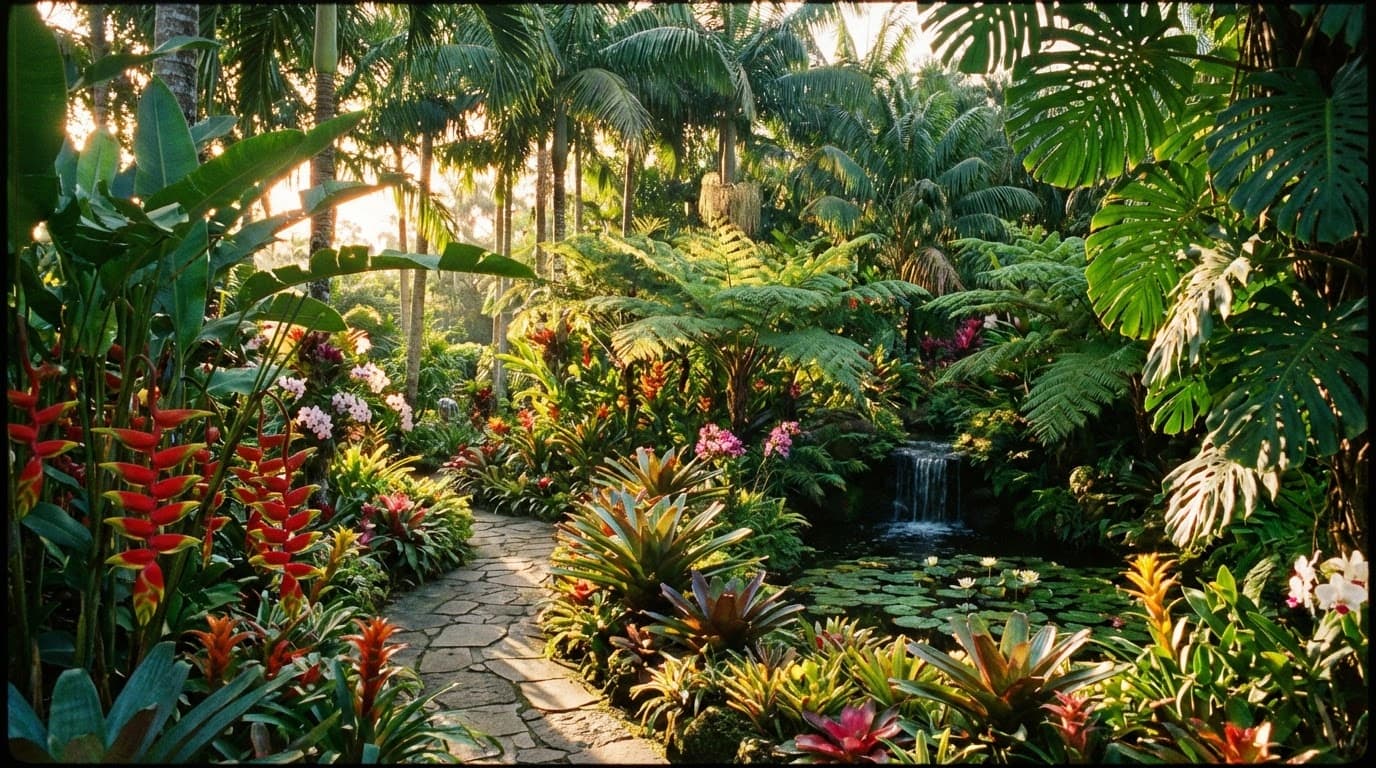
Nature’s palette is remarkably diverse, showcasing the most colorful plant varieties worldwide in stunning displays that inspire artists, botanists, and nature enthusiasts. From vibrant tropical flowers to delicate alpine blooms, these botanical specimens represent some of Earth’s most spectacular visual treasures. Understanding the incredible range of plant colors helps us appreciate biodiversity and recognize the artistic beauty inherent in the natural world.
The most visually striking plants combine pigmentation with structural adaptations that enhance their appearance. These plants utilize anthocyanins, carotenoids, and chlorophyll to create reds, yellows, blues, and greens that serve evolutionary purposes—attracting pollinators, protecting from UV radiation, and signaling ripeness or toxicity. The global distribution of these colorful species reflects millions of years of adaptation to diverse environments, from rainforests to deserts. Each region contributes unique specimens that demonstrate nature’s infinite creativity in color production.
Tropical Flowering Plants: Nature’s Most Vibrant Displays
Tropical regions produce some of the planet’s most eye-catching floral specimens. The Bird of Paradise displays brilliant orange and blue petals resembling exotic birds in flight. Meanwhile, the tropical versus desert plant growing guide highlights how climate influences color intensity. Passion flowers create intricate geometric patterns in purples, blues, and whites, while orchids showcase an astounding range of hues from pure white to deep burgundy.
These tropical treasures evolved their vivid coloration to attract specific pollinators in densely vegetated environments. The Heliconia genus produces waxy, sculptural bracts in reds, oranges, and yellows that remain colorful for extended periods. Similarly, Anthurium plants showcase heart-shaped spathes in crimson, pink, white, and even purple varieties. Additionally, bougainvillea vines explode with papery bracts in magenta, orange, yellow, and white, making them architectural elements in tropical landscapes.
Understanding these tropical specimens provides insight into how plants communicate through color. The intense pigmentation serves multiple functions beyond aesthetics, including how plant diversity contributes to ecosystem health. Cultivating tropical flowering plants indoors requires attention to humidity, light, and temperature conditions that mimic their native habitats.


Foliage Plants with Exceptional Color Range
Beyond flowers, many plant leaves display remarkable color diversity. Coleus plants present an extraordinary palette of reds, purples, yellows, and greens, often featuring multiple colors on single leaves. The Caladium genus produces heart-shaped foliage in white, pink, and red combinations that rival flowering plants in visual impact. Cordyline varieties showcase deep burgundy, pink-edged, or variegated foliage that provides year-round color in garden settings.
Furthermore, decorative foliage plants offer advantages over flowering specimens in terms of color longevity. The Japanese maple displays brilliant red or orange autumn foliage, while spring brings fresh green growth. Photinia plants produce glossy, deep red new growth that eventually matures to dark green. Croton plants contain some of the most multicolored leaves imaginable, featuring simultaneous reds, yellows, oranges, and greens on individual plants.
These foliage plants demonstrate how understanding plant characteristics helps us appreciate botanical diversity. The color variations in leaves result from different pigment concentrations and reflect light differently depending on leaf structure and angle. This dimensional quality makes foliage plants particularly valuable for creating visual interest in landscape design.
Variegated and Multi-Colored Leaf Varieties
Variegation creates striking patterns within individual leaves. Syngonium plants feature arrow-shaped foliage with white, pink, or red variegation patterns. Monstera Deliciosa varieties like the Monstera Thai Constellation display cream-colored variegation against dark green leaves. The Alocasia genus includes species with silvery, burgundy, or pink-veined foliage that creates mesmerizing patterns.
Seasonal Color Transformations
Many plants undergo dramatic color changes throughout the year. Deciduous trees provide autumn spectacles where leaves transform from green to brilliant reds, oranges, and yellows as chlorophyll breaks down. The ginkgo tree produces uniform golden foliage before dropping leaves completely. Cherry blossoms burst into pale pink or white flowers briefly each spring, transforming entire landscapes into pastel compositions.
Moreover, flowering shrubs time their blooms strategically. Lilac bushes produce fragrant purple, pink, or white flower clusters that announce spring’s arrival. Hydrangea varieties shift colors based on soil pH, creating blues in acidic soil and pinks in alkaline conditions. Rhododendrons showcase massive flower trusses in virtually every color except true black, blooming reliably year after year.
Understanding seasonal color patterns helps gardeners plan visually dynamic landscapes throughout the year. The principles of landscape art composition apply directly to garden design, where color planning creates visual harmony. Plant biology and life cycles (Wikipedia) provide scientific context for understanding why these color changes occur seasonally.
Growing Colorful Plants at Home
Creating a vibrant home garden requires understanding each plant’s specific light and moisture requirements. Most flowering plants demand bright, indirect light to produce vivid colors. However, some foliage plants actually display more intense coloration in moderate shade conditions. Desert plants like echeveria and jade plants develop rich reds and purples under stress conditions with bright light and minimal water.
Additionally, soil composition influences plant coloration significantly. Acidic soil produces blue hydrangeas, while alkaline soil creates pink varieties. Nutrient-deficient plants often display unusual color variations that indicate mineral deficiencies. Conversely, well-fertilized plants typically produce more vibrant pigmentation and larger flower displays.
Temperature fluctuations also trigger color changes in many species. Cool nighttime temperatures intensify flower colors in begonias and African violets. Some foliage plants develop deeper pigmentation when exposed to temperature stress. The plant evolution and adaptation guide explains how these color responses developed as survival mechanisms. When browsing decorative options, consider how plants fit into your specific growing conditions.
Best Practices for Color Intensity
Achieving maximum color in cultivated plants involves several key strategies:
- Provide appropriate light levels—most vibrant plants need bright conditions
- Maintain consistent watering without over-moistening soil
- Apply balanced fertilizer during growing seasons to support pigment production
- Prune regularly to encourage new growth with fresh coloration
- Monitor temperature ranges to match plant species preferences
- Repot annually into fresh soil for nutrient availability
Through careful cultivation, home gardeners can enjoy the same spectacular colors that tropical and alpine environments display naturally. The diversity of colorful plant varieties available today means virtually any aesthetic preference can find representation in a home garden.

|
joerussell Australian abstract artists based in Byron Bay and curator of the GumPrints art print collection. |
Leave a Reply