Landscape art movements have shaped how we view and interpret the natural world for centuries. For collectors, decorators, and art enthusiasts, understanding these movements is essential for making informed decisions when selecting pieces for their spaces. This comprehensive evaluation explores how different landscape art movements function as a framework for appreciating and acquiring art, examining their distinctive features, strengths, limitations, and practical applications for modern buyers.
The study of landscape art movements serves as an invaluable tool for anyone looking to build a meaningful art collection. These movements provide context, historical significance, and aesthetic guidelines that help identify quality work and ensure your selections align with your personal taste and interior design goals. By evaluating movements chronologically from Romanticism through Contemporary styles, you can develop a sophisticated eye for landscape art that enhances both your appreciation and investment decisions.
Classical Foundations: Romanticism and Realism
The Romantic movement (1800-1850) revolutionized landscape art by prioritizing emotional response over accurate representation. Artists like J.M.W. Turner created dramatic scenes featuring turbulent skies, rugged mountains, and sublime natural phenomena. This movement excels at creating focal points in living spaces that evoke wonder and contemplation. However, Romantic landscapes can sometimes feel overly theatrical for minimalist or contemporary interiors.
Meanwhile, the Realist movement offered a counterpoint with its commitment to depicting nature truthfully. Artists meticulously rendered everyday rural scenes without embellishment or idealization. Realist landscapes work exceptionally well in traditional and transitional spaces, providing grounding visual elements that complement classic furniture. The primary limitation is that these pieces may lack the visual impact desired for statement walls or modern aesthetics. For those exploring global landscape art styles, these classical foundations remain essential reference points.
Evaluating Classical Movement Prints
When assessing landscape prints from these movements, consider the quality of reproduction and color fidelity. Original paintings from these periods are museum pieces, but high-quality giclée prints can capture the essence effectively. Look for prints that preserve the tonal range and atmospheric effects that define these styles, particularly the luminous quality in Romantic works or the precise detail in Realist pieces.
Revolutionary Movements: Impressionism to Modernism
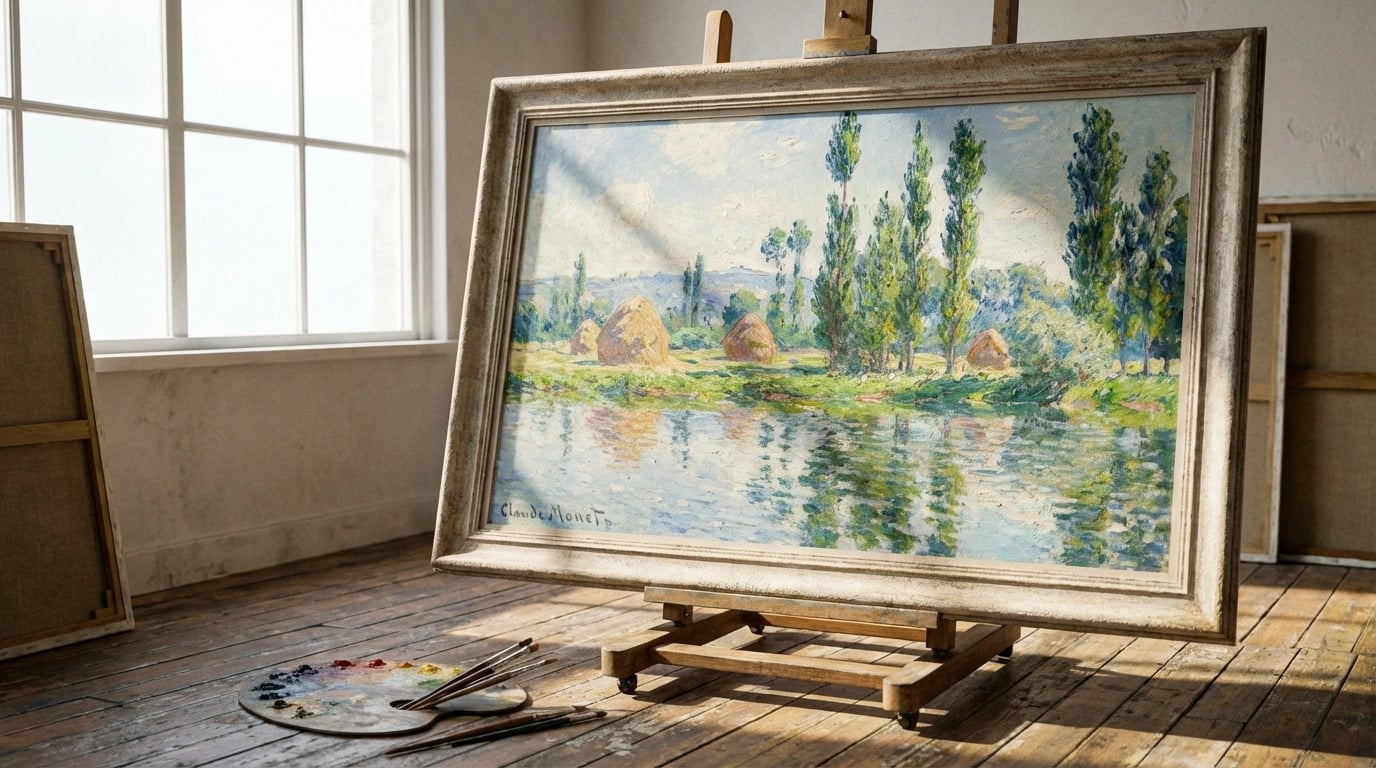
Impressionism (1860-1890) transformed landscape art by capturing fleeting moments of light and atmosphere through loose brushwork and vibrant color. Artists like Claude Monet demonstrated how landscapes could convey sensory experience rather than precise documentation. This approach works beautifully in contemporary homes, adding energy and light to spaces without overwhelming them. The softer edges and pastel palettes integrate seamlessly with various color matching strategies for interior design.
Post-Impressionism and Expressionism pushed boundaries further, with artists like Vincent van Gogh using bold colors and dynamic brushstrokes to convey emotional intensity. These movements offer exceptional versatility for modern collectors seeking pieces with personality and visual impact. According to art historical research, these transitional movements bridge classical techniques with modern sensibilities, making them particularly valuable for eclectic interiors.
Modernist Innovation and Abstract Landscapes
The Modernist movement stripped landscapes to essential forms, colors, and geometries. Artists reduced natural scenes to abstract compositions that suggest rather than depict. These works excel in minimalist spaces and contemporary settings, providing sophisticated focal points without visual clutter. The main consideration is ensuring the abstraction level matches your comfort with non-representational art. For guidance on selecting such pieces, minimalist landscape art principles offer valuable insights.
Contemporary Applications and Recommendations
Contemporary landscape movements continue evolving, incorporating photography, digital media, and mixed techniques. These approaches offer fresh perspectives on natural subjects while honoring historical traditions. The diversity within contemporary landscape art means buyers can find pieces that resonate personally while fitting any interior design scheme. Moreover, contemporary works often address environmental themes, adding conceptual depth that enhances their long-term value.
For practical application, start by identifying which movement aesthetics align with your space and sensibilities. Consider these factors: the emotional tone you want to establish, your existing color palette, and the level of visual energy appropriate for each room. Testing different styles through quality art print selections allows experimentation before committing to larger investments. Additionally, understanding fundamental elements of landscape art helps evaluate quality across movements.
Strengths and Limitations Summary
Understanding landscape art movements offers numerous advantages for collectors. It provides a systematic framework for evaluation, helps predict how pieces will age aesthetically, and enables informed conversations with galleries and dealers. Furthermore, this knowledge prevents costly mistakes by clarifying which styles suit specific spaces and purposes. However, the limitation lies in potential over-reliance on categorization at the expense of personal response. The best acquisitions balance historical awareness with genuine emotional connection.
Final Recommendations
Consequently, approach landscape art movements as guides rather than rigid rules. Use this knowledge to refine your preferences and identify quality work, but allow personal taste to guide final selections. Visit galleries, study reproductions online, and consider how different movements make you feel. For displaying your selections effectively, professional hanging techniques maximize visual impact regardless of movement style.
Ultimately, the value of understanding landscape art movements extends beyond mere categorization. It enriches your appreciation, sharpens your aesthetic judgment, and ensures your collection develops coherently over time. Whether drawn to the drama of Romanticism, the light of Impressionism, or the abstraction of Modernism, this knowledge empowers confident, satisfying art acquisition decisions that enhance your living environment for years to come.

|
joerussell Australian abstract artists based in Byron Bay and curator of the GumPrints art print collection. |
Leave a Reply