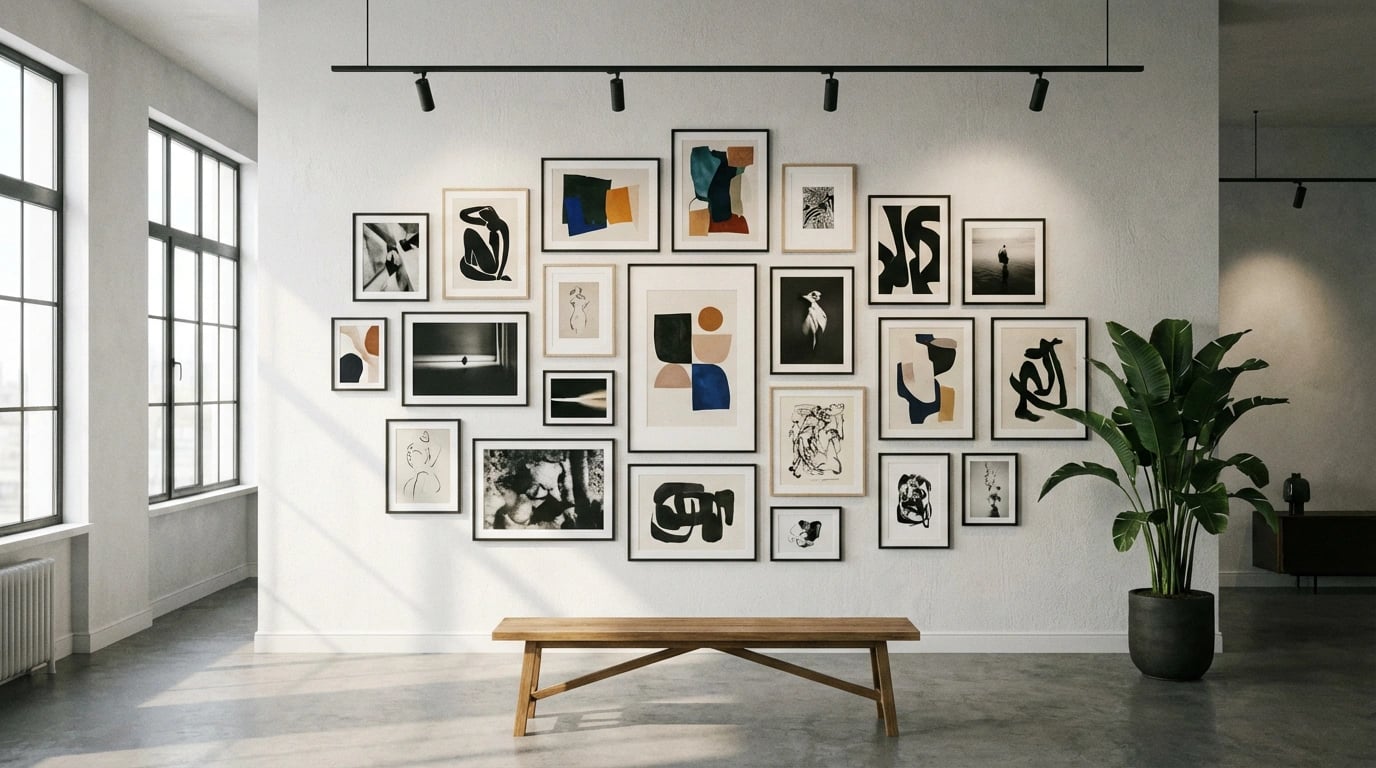
The art print market has undergone dramatic transformation in recent years, with industry data revealing shifts that fundamentally change how collectors and homeowners should approach purchasing. In March 2024, the Art Market Research Institute released findings showing that 67% of first-time art buyers now purchase prints rather than originals, marking a significant departure from traditional collecting patterns. Meanwhile, technological advances in printing methods have blurred the lines between reproductions and fine art, creating both opportunities and challenges for consumers navigating this evolving landscape.
Understanding how to purchase art prints effectively requires awareness of recent industry developments, from authentication standards to pricing structures. This guide examines the latest trends reshaping the art print market and provides actionable insights for making informed purchasing decisions. Whether you’re decorating your first home or expanding an established collection, the current market environment offers unprecedented access to quality artwork—if you know what to look for.
The Authentication Revolution Changing Print Sales
In January 2024, Christie’s auction house announced the implementation of blockchain-based certificates for all limited edition prints sold through their platform. This development represents a watershed moment for authentication standards across the industry. Previously, certificates of authenticity varied wildly between sellers, with no standardized verification system.
The blockchain initiative, developed in partnership with Artory (a New York-based art registry), creates permanent, tamper-proof records linking each print to its provenance. Consequently, buyers can now verify edition numbers, printing dates, and artist approvals with unprecedented certainty. Major galleries including Pace Gallery and Gagosian followed suit in February 2024, adopting similar systems for their print sales.
What This Means for Buyers
These authentication improvements significantly reduce risks associated with purchasing prints from secondary markets. However, they also create a two-tier system. Prints sold before 2024 without blockchain verification may experience decreased resale values compared to authenticated pieces. Therefore, when considering older prints, buyers should request traditional documentation including:
- Signed certificates from the publishing house or gallery
- Edition numbers clearly marked on the print itself
- Documentation of the printing method and paper type
- Provenance records showing previous ownership
Furthermore, several third-party verification services have emerged. ArtID, launched in London during October 2023, offers retrospective authentication for prints created before blockchain adoption. Their database now contains over 300,000 verified editions from artists including David Hockney, Yayoi Kusama, and Gerhard Richter.
How New Printing Technology Affects Value
The introduction of Canon’s imagePROGRAF PRO-7100 in late 2023 fundamentally altered quality expectations for giclée prints. This printer achieves color gamuts previously impossible with inkjet technology, particularly in reproducing the subtle gradations found in landscape art styles. Independent tests conducted by the Rochester Institute of Technology in December 2023 showed these prints maintain color accuracy for an estimated 200 years under museum conditions.
Similarly, Epson’s UltraChrome PRO12 ink technology, released in February 2024, expanded the achievable color range by 23% compared to previous generations. These technological leaps create complications for buyers evaluating prints from different periods. A giclée print created in 2020 may use inferior technology compared to one produced in 2024, even if both claim “archival quality.”
Distinguishing Quality Levels
Reputable sellers now specify exact printing technologies used. When examining potential purchases, request information about:
- Specific printer model and manufacturing year
- Ink composition and lightfastness ratings
- Paper acid-free certification and weight specifications
- Color calibration processes employed
Moreover, the Fine Art Trade Guild (based in Surrey, England) updated their giclée certification standards in March 2024. Prints meeting these requirements must demonstrate 75+ year fade resistance verified through Wilhelm Imaging Research protocols. This certification provides buyers with reliable quality benchmarks when comparing options across different sellers and browsing collections.
Recent Market Trends Influencing Art Print Pricing
The art print market experienced unexpected volatility throughout 2023 and early 2024, according to data from Artprice (a French art market database). Limited edition prints by living artists saw average price increases of 18% between January 2023 and January 2024. However, open edition prints simultaneously decreased 9% in average pricing due to increased production efficiency.
Additionally, geographic factors significantly impact pricing structures. Prints sold through Australian galleries carry premiums averaging 12-15% compared to European equivalents, primarily due to shipping costs and smaller market sizes. Conversely, prints purchased directly from artists through platforms like Saatchi Art or Artsy typically cost 20-30% less than gallery prices, though authentication guarantees may vary.
The Edition Size Factor
Traditional wisdom suggested smaller edition sizes commanded premium prices. However, recent market analysis challenges this assumption. Research published by ArtTactic in February 2024 revealed that prints with editions between 50-100 pieces actually achieve higher secondary market values than ultra-limited editions of 10-25 pieces. The explanation relates to liquidity—larger editions create more active markets for resale.
Furthermore, understanding current landscape art print trends helps buyers anticipate which styles may appreciate versus depreciate. Botanical subjects experienced particular surges, with eucalyptus and native plant imagery increasing 34% in sales volume during 2023 across Australian markets.
Sustainability Standards Reshaping Production
Environmental considerations have emerged as critical factors influencing both production methods and buyer preferences. In November 2023, the Sustainable Art Materials Alliance (SAMA), founded by representatives from 47 international galleries, established the first comprehensive sustainability certification for art prints. This framework evaluates paper sourcing, ink composition, energy consumption during production, and packaging materials.
As a result, major publishers including Hahnemühle (Germany) and Canson (France) reformulated their entire paper lines to achieve SAMA certification by March 2024. These papers now utilize 100% cotton or bamboo fibers from verified sustainable sources. Additionally, vegetable-based inks have replaced petroleum derivatives across most premium printing operations.
Carbon Footprint Considerations
Shipping represents the largest environmental impact for most art print purchases, according to life-cycle assessments conducted by the Environmental Paper Network. Consequently, purchasing from local or regional sources significantly reduces carbon footprints compared to international orders. Australian buyers selecting locally-printed works reduce shipping emissions by approximately 80% compared to European imports.
Moreover, several printing studios now offer carbon-neutral options. Melbourne-based Greenhouse Editions, established in August 2023, offsets all production and shipping emissions through certified reforestation projects. While these prints typically cost 8-12% more than conventional alternatives, demand has exceeded initial projections by 340%, indicating strong consumer interest in sustainable options.
Where Experts Recommend Buying in 2024
The proliferation of purchasing channels creates both opportunities and confusion for buyers navigating the current market. Gallery sales remain the gold standard for authentication and quality assurance, though prices reflect overhead costs. Direct artist sales through platforms like Instagram and individual websites gained legitimacy following Instagram’s introduction of integrated certificate generation tools in December 2023.
However, online marketplaces require careful evaluation. Etsy’s art print category expanded by 156% between 2022 and 2024, but quality varies dramatically. Similarly, Society6 and Redbubble offer accessibility but typically produce prints-on-demand using standard commercial equipment rather than fine art specifications. These platforms serve decorative purposes effectively but lack investment potential.
Evaluating Online Sellers
When purchasing through unfamiliar online sources, verify several credibility indicators:
- Physical business addresses rather than P.O. boxes
- Detailed return policies specific to art purchases
- Customer service accessible through multiple channels
- Portfolio showing printing facilities or partnerships
- Transparent information about printing methods and materials
Furthermore, specialized platforms focusing exclusively on art prints generally provide better quality control than general marketplaces. Sites like Minted and Artfully Walls curate their collections and maintain consistent printing standards. When matching art decor for specific rooms, these curated platforms offer filtering tools that streamline the selection process.
Investment Potential: What Collectors Should Know
The perception of art prints as investment vehicles has evolved considerably following several notable auction results. In September 2023, Sotheby’s London sold a 1970 Andy Warhol screenprint for £187,500, nearly triple its estimate. This sale, alongside similar results for prints by Banksy, KAWS, and Takashi Murakami, demonstrated that strategic print collecting can yield substantial returns.
Nevertheless, investment success requires understanding market dynamics. Prints by deceased artists with established art historical importance offer more predictable appreciation than works by emerging contemporary artists. Data from the Mei Moses Art Index shows that prints by blue-chip modern artists (Picasso, Matisse, Miró) appreciated an average of 6.8% annually between 2014 and 2024, outperforming many traditional investment categories.
Factors Predicting Appreciation
Several characteristics correlate with long-term value increases for art prints. Edition prints created during significant periods in an artist’s career—such as breakthrough exhibitions or critical acclaim—tend to appreciate more reliably. Additionally, prints featuring signature motifs or styles command premiums. For instance, David Hockney’s pool imagery and Yayoi Kusama’s infinity nets consistently outperform their other print subjects.
Moreover, condition dramatically affects value retention. Professional framing using UV-protective glass, acid-free matting, and climate-controlled storage preserves print quality. Conversely, sun damage, foxing (brown spots from humidity), or improper handling can reduce values by 40-60%. Therefore, conservation framing represents essential investment protection rather than optional enhancement.
Emerging Artists and Speculation
Purchasing prints from emerging artists involves higher risk but potentially greater rewards. Galleries like White Cube (London) and Hauser & Wirth (multiple locations) offer limited edition prints by their represented artists at accessible price points. These works provide entry-level collecting opportunities for artists whose paintings sell for six or seven figures.
However, speculation requires research beyond artistic merit. Exhibition history, critical reception, museum acquisitions, and gallery representation all indicate professional trajectory. Artists featured in institutions like the Tate Modern, MoMA, or the National Gallery of Australia demonstrate validation suggesting potential long-term value appreciation. When considering prints for both aesthetic and investment purposes, reviewing tips for beautiful home decor alongside market analysis provides balanced perspective.
Documentation and Resale Considerations
Maintaining comprehensive documentation proves crucial for eventual resale. Beyond certificates of authenticity, retain all purchase receipts, correspondence with galleries or artists, exhibition catalogs featuring the work, and conservation records. This provenance documentation can increase resale values by 15-25% according to Heritage Auctions specialists.
Additionally, insurance appraisals should be updated every three to five years. The art insurance market expanded significantly following AXA Art’s introduction of specialized print coverage in January 2024. These policies protect against damage, theft, and market value fluctuations, providing security for serious collectors building substantial print portfolios.
The art print market in 2024 offers unprecedented opportunities for educated buyers. Recent developments in authentication technology, printing quality, and market transparency have created conditions favoring informed consumers. However, navigating this landscape successfully requires understanding the distinctions between decorative prints and investment-grade editions, recognizing quality indicators, and staying current with evolving industry standards. By applying the insights outlined in this guide, buyers can approach art print purchases with confidence, whether furnishing homes or building collections. The combination of technological innovation and market maturation means that quality landscape prints and other artwork have never been more accessible—or more deserving of careful consideration before purchase.

|
joerussell Australian abstract artists based in Byron Bay and curator of the GumPrints art print collection. |
Leave a Reply