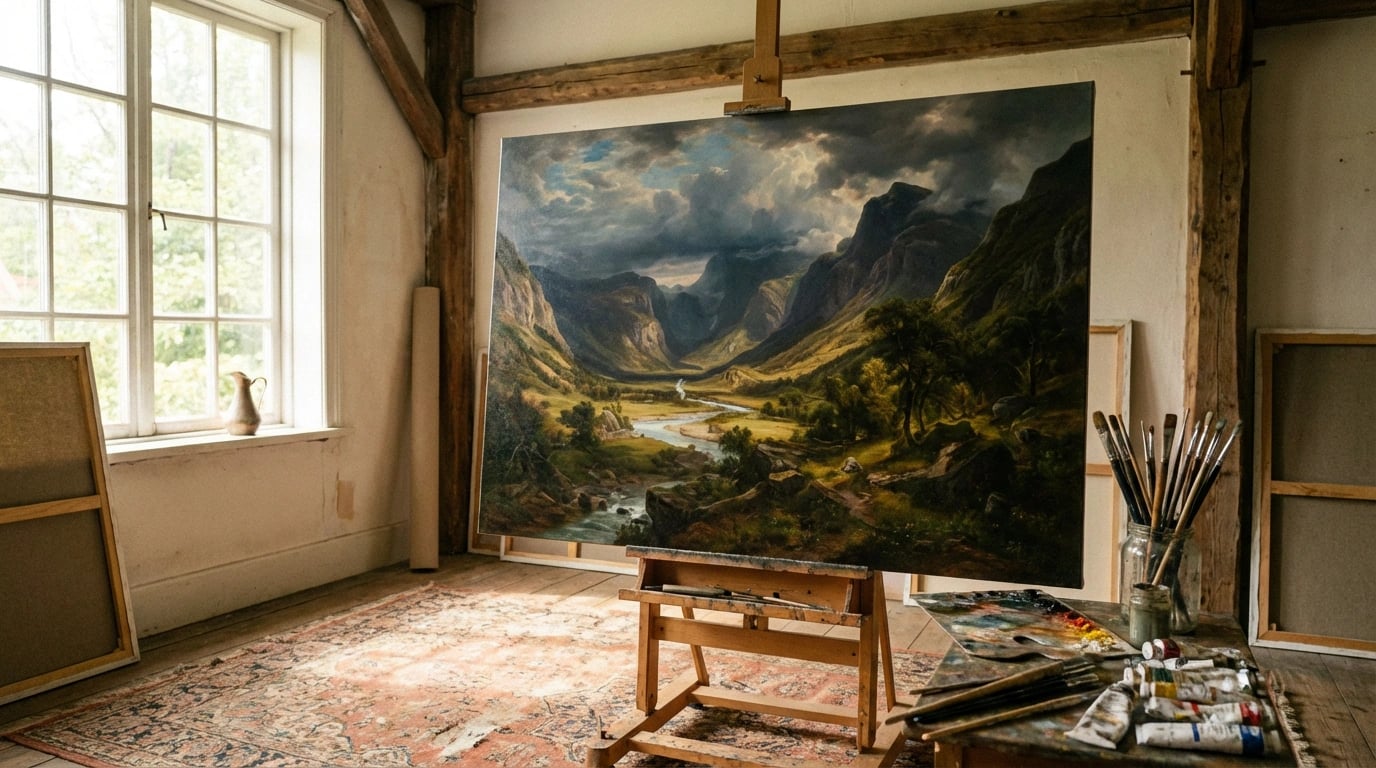
Choosing the right landscape art for your home can feel overwhelming when you’re faced with countless options. From sweeping coastal vistas to serene forest scenes, the variety is endless. The question which landscape art fits your home isn’t just about aesthetics—it’s about creating harmony between your living space and the natural beauty you bring into it. Understanding your room’s characteristics, your personal style, and how different landscape elements interact with your decor will guide you toward the perfect choice.
The key to selecting landscape art that truly fits your home lies in assessing three core elements: your room’s lighting and size, your existing color palette, and the emotional atmosphere you want to create. Large, dramatic landscapes work best in spacious rooms with ample natural light, while smaller, intimate scenes suit cozy spaces. Cool-toned landscapes with blues and greens bring calmness to bedrooms and bathrooms, whereas warm-toned pieces with golden hues and earthy browns energize living areas and dining rooms. By matching the scale, color temperature, and mood of your landscape art to your space, you’ll create a cohesive environment that feels intentional and inviting.
Understanding Your Room’s Characteristics
Before selecting landscape art, you must thoroughly evaluate the physical characteristics of your space. Natural light dramatically affects how colors appear throughout the day. A north-facing room receives cooler, indirect light that can make warm-toned landscapes appear muted, while south-facing rooms bathe in warm sunlight that enhances golden and earthy tones.
Room dimensions play an equally important role in determining which landscape will work best. Ceiling height, wall width, and overall square footage all influence your art selection. A small room with an oversized landscape can feel cluttered, whereas a tiny print on a vast wall gets lost in the space. Therefore, measuring your available wall space is essential before making any decisions.
Assessing Light Quality
The quality and quantity of light in your room should guide your landscape choice. Rooms with abundant natural light can handle darker, more dramatic landscape scenes without feeling oppressive. Conversely, dimly lit spaces benefit from brighter landscapes featuring expansive skies and lighter color values that reflect available light and make the room feel more open.
Additionally, consider artificial lighting. Track lighting, picture lights, or strategic lamp placement can transform how your landscape art appears during evening hours. Testing how your chosen piece looks under different lighting conditions helps ensure it maintains its appeal throughout the day.
Architectural Elements and Features
Your room’s architectural features—such as molding, built-in shelving, fireplaces, or large windows—affect art placement and selection. Landscape art should complement these features rather than compete with them. For instance, a horizontal landscape perfectly balances above a fireplace mantel, while vertical orientations suit narrow wall spaces between windows or doorways.
Color Coordination and Palette Matching
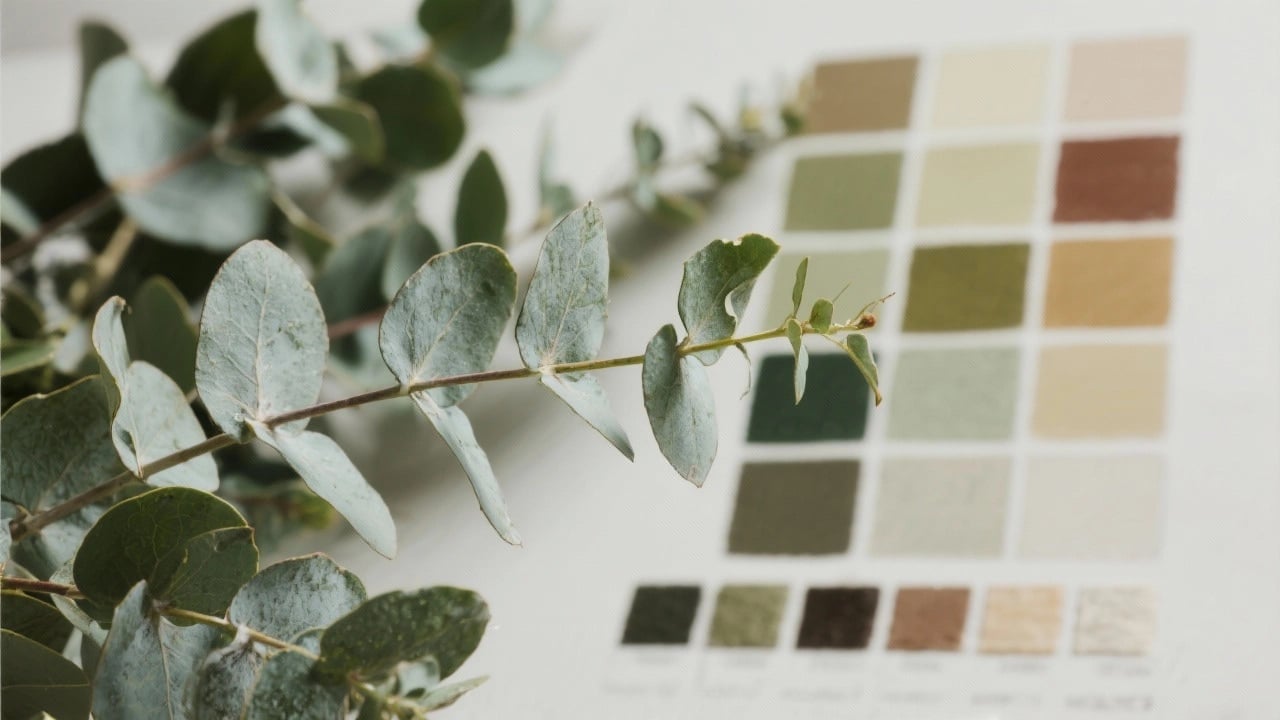
Color harmony between your landscape art and existing decor creates visual cohesion that makes your space feel professionally designed. Start by identifying your room’s dominant colors in furniture, textiles, and wall paint. Your landscape should either complement these colors or provide intentional contrast that serves as a focal point.
Many interior designers recommend the 60-30-10 rule: 60% dominant color, 30% secondary color, and 10% accent color. Your landscape art can reinforce this balance or provide that crucial accent color that ties everything together. For detailed guidance on matching artwork to your existing palette, explore our landscape art color matching guide for beginners.
Warm Versus Cool Color Schemes
Understanding color temperature is fundamental to selecting appropriate landscape art. Warm landscapes featuring oranges, reds, and yellows create energy and intimacy, making them ideal for social spaces like living rooms and dining areas. These tones advance visually, making walls feel closer and spaces more intimate.
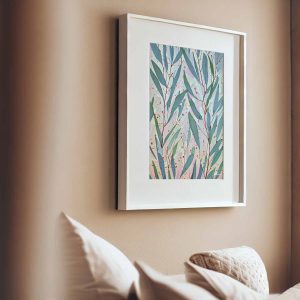
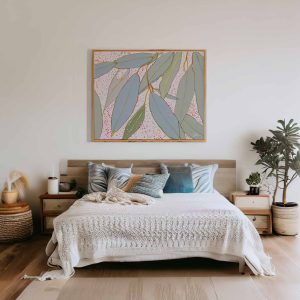
Cool landscapes dominated by blues, greens, and purples recede visually, creating a sense of spaciousness and tranquility. These work beautifully in bedrooms, bathrooms, and home offices where calm concentration is desired. Moreover, cool tones pair exceptionally well with contemporary and minimalist decor styles.
Neutral Palettes and Versatility
Neutral landscapes—featuring grays, beiges, blacks, and whites—offer maximum versatility. These pieces adapt to changing decor trends and color schemes, making them wise long-term investments. Neutral landscapes also allow you to introduce color through accessories like pillows, throws, and decorative objects without creating visual chaos.
Choosing the Right Artistic Style
The artistic style of your landscape should align with your home’s overall aesthetic and your personal taste. From photorealistic representations to abstract interpretations, landscape art spans numerous styles, each evoking different emotions and working with specific decor schemes.
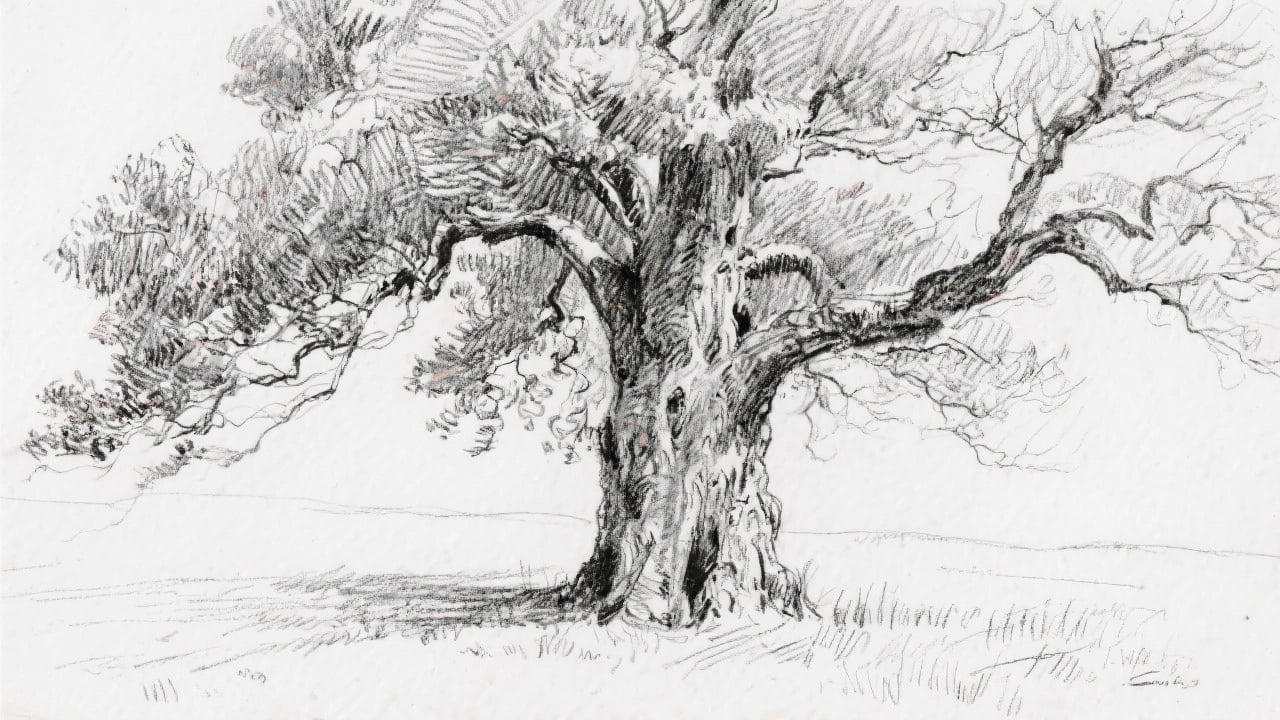
Traditional homes with classic furnishings pair beautifully with realistic landscape paintings or botanical art that celebrates detailed natural forms. Contemporary spaces, however, often benefit from abstract landscapes or stylized interpretations that emphasize shape, color, and composition over literal representation.
Realistic and Photographic Landscapes
Realistic landscape art provides immediate recognition and connection. These pieces transport viewers to specific places, evoking memories of travels or aspirations for future adventures. Photographic landscapes work particularly well in modern and transitional homes, offering crisp detail and contemporary appeal.
However, highly detailed realistic landscapes require careful consideration. They command attention and can overwhelm small spaces or rooms already filled with patterns and visual interest. Balance is crucial when incorporating this style into your decor scheme.
Impressionistic and Abstract Landscapes
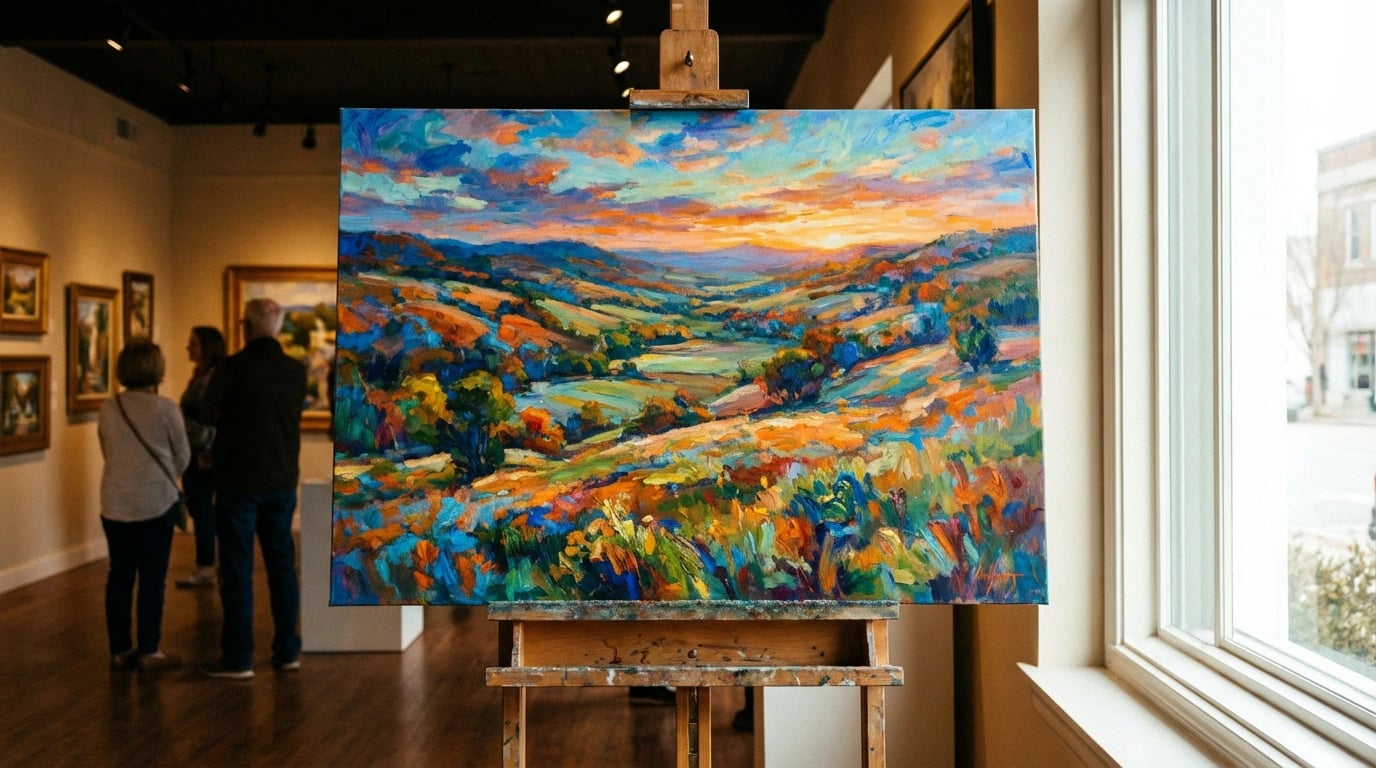
Impressionistic landscapes offer softer focus and emotional interpretation rather than precise detail. These pieces work wonderfully in spaces where you want to suggest rather than define, creating atmosphere without demanding constant attention. The loose brushwork and color harmonies in impressionistic pieces often complement eclectic and bohemian design styles.
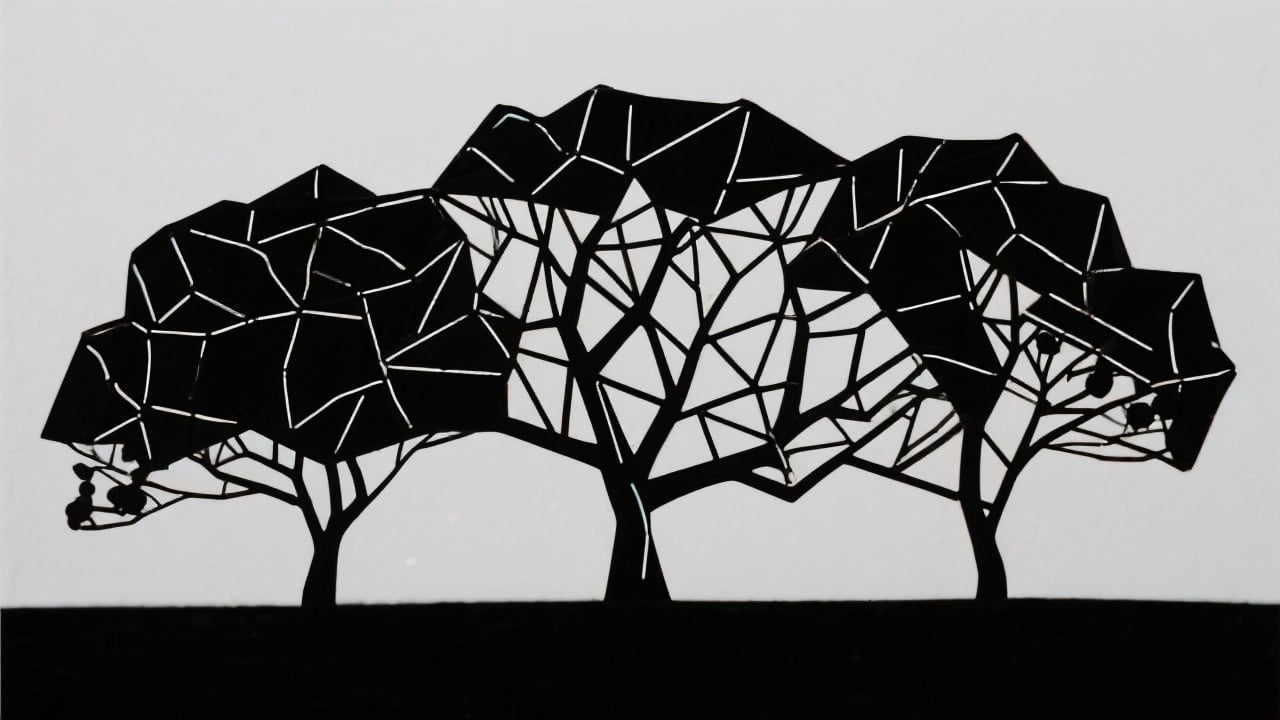
Abstract landscapes push interpretation further, reducing natural scenes to essential elements of color, line, and form. According to abstract art principles, these pieces invite personal interpretation and work exceptionally well in contemporary and minimalist spaces. They provide visual interest without the literal representation that might clash with modern design sensibilities.
Regional and Cultural Considerations
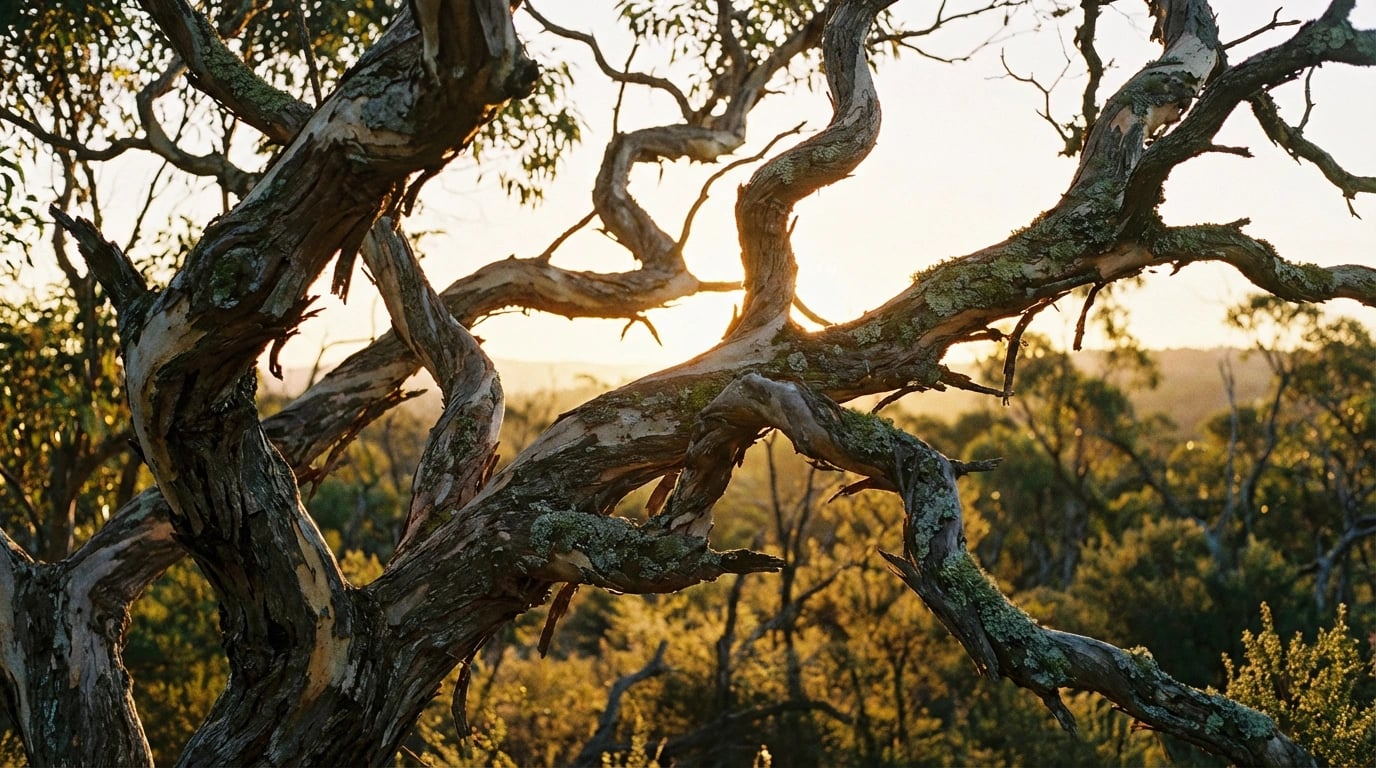
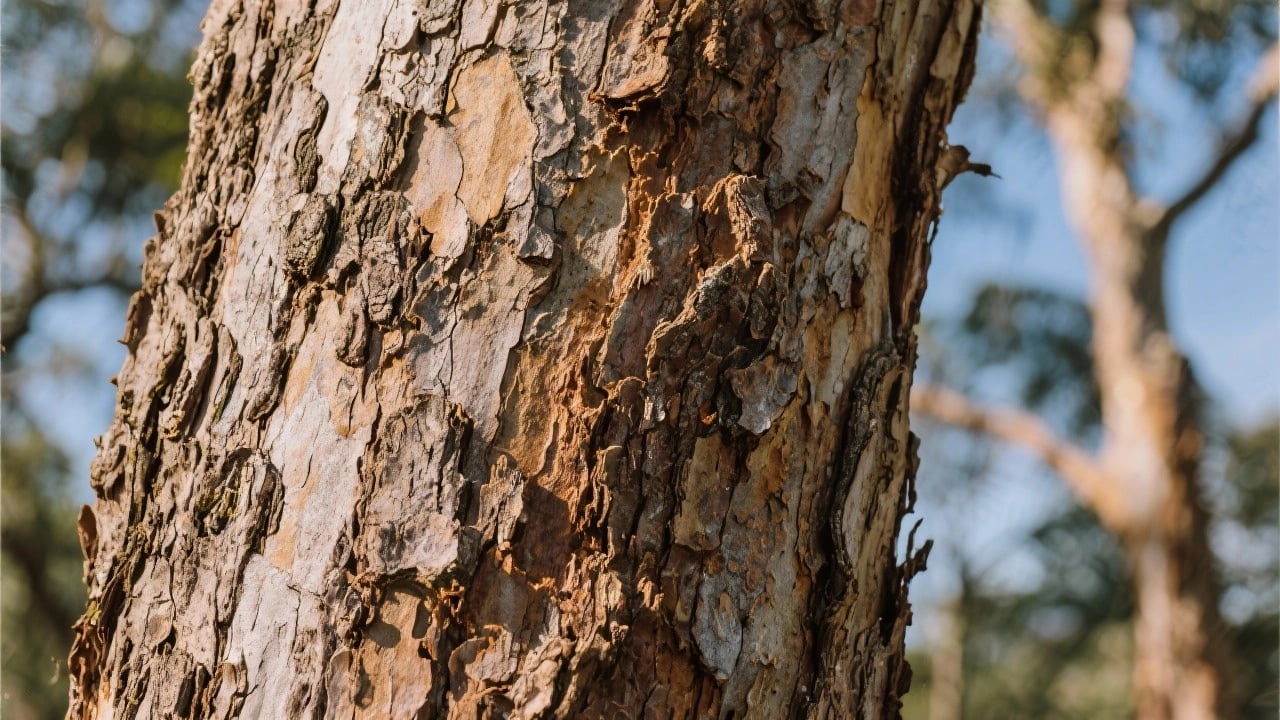
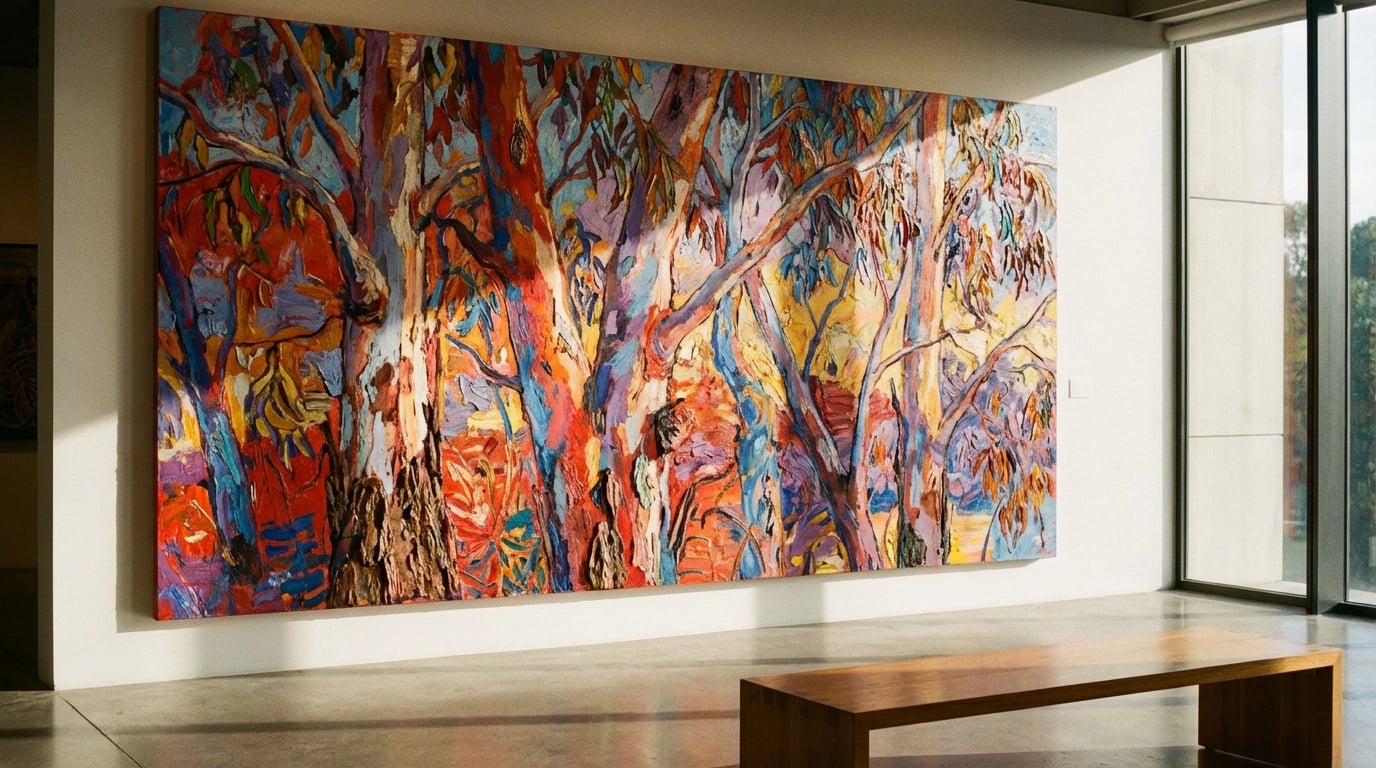
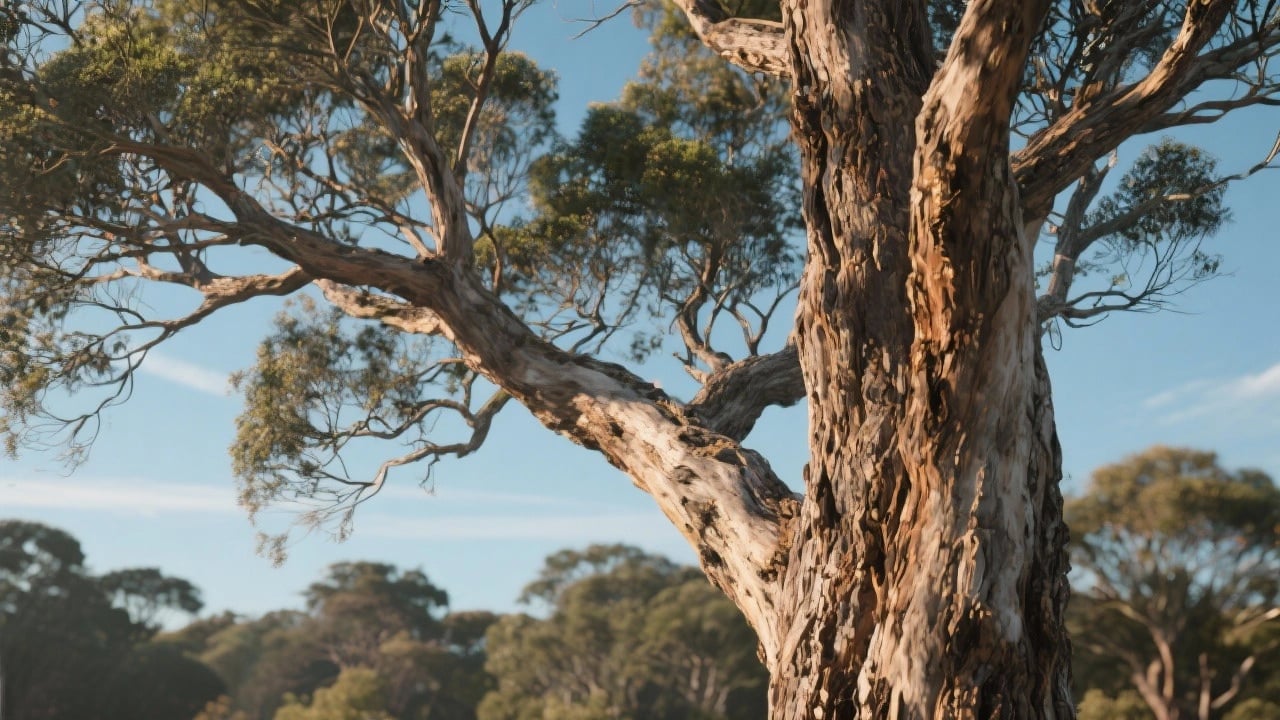
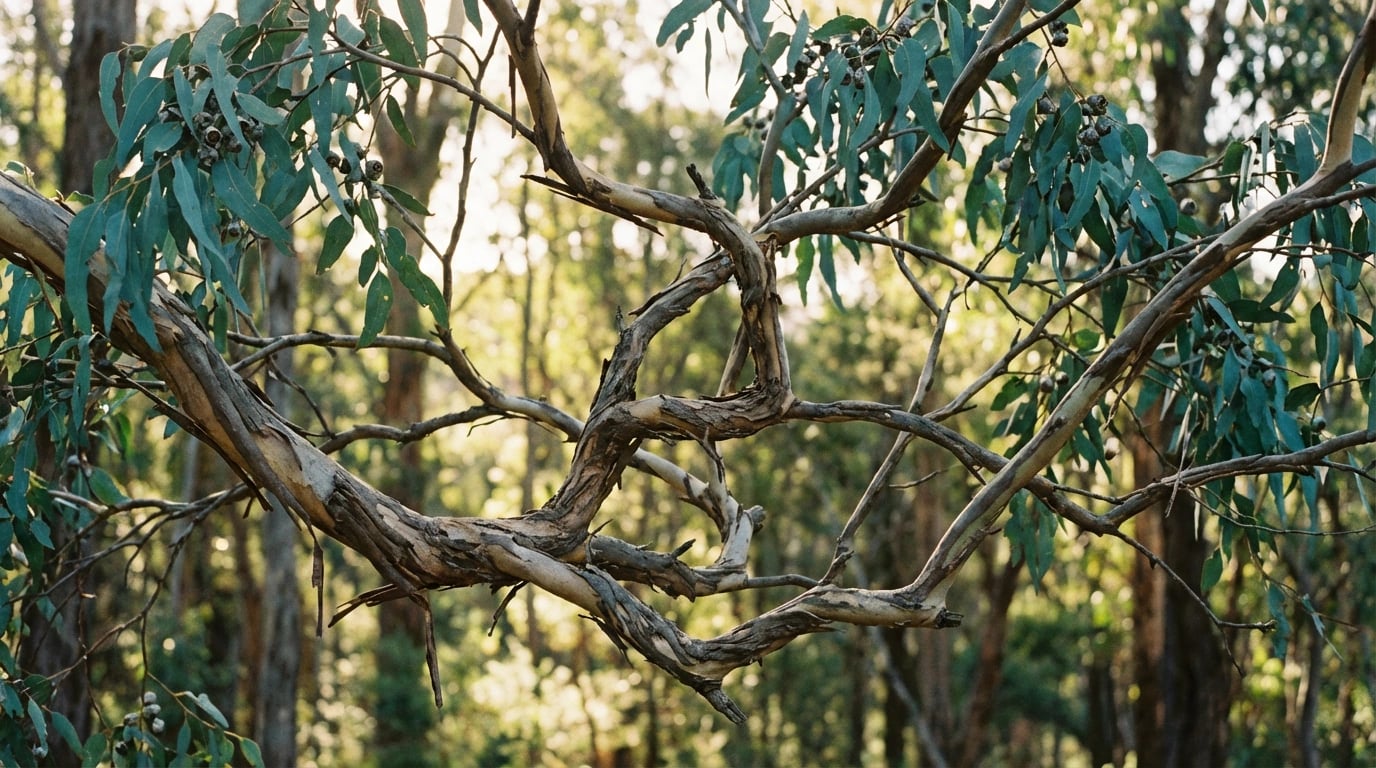
Landscapes reflecting your regional environment create authentic connections to place. Australian homes, for example, might feature eucalyptus forests, coastal scenes, or outback vistas. These locally-inspired pieces resonate deeply with residents while introducing visitors to the unique character of the area. Discover how Australian artists have captured these distinctive landscapes in hidden stories behind Australian eucalyptus art.
Scale and Proportion Considerations
Getting the scale right is perhaps the most common challenge when selecting landscape art. A piece that’s too small disappears on the wall, while oversized art overwhelms the space and other furnishings. Professional designers use specific guidelines to determine appropriate sizing for different wall spaces and room contexts.
For wall art above furniture, the general rule suggests the artwork should span approximately two-thirds to three-quarters of the furniture width. This creates visual balance without making either element appear disproportionate. For instance, art above a 72-inch sofa should ideally measure between 48 and 54 inches wide.
Gallery Wall Versus Statement Piece
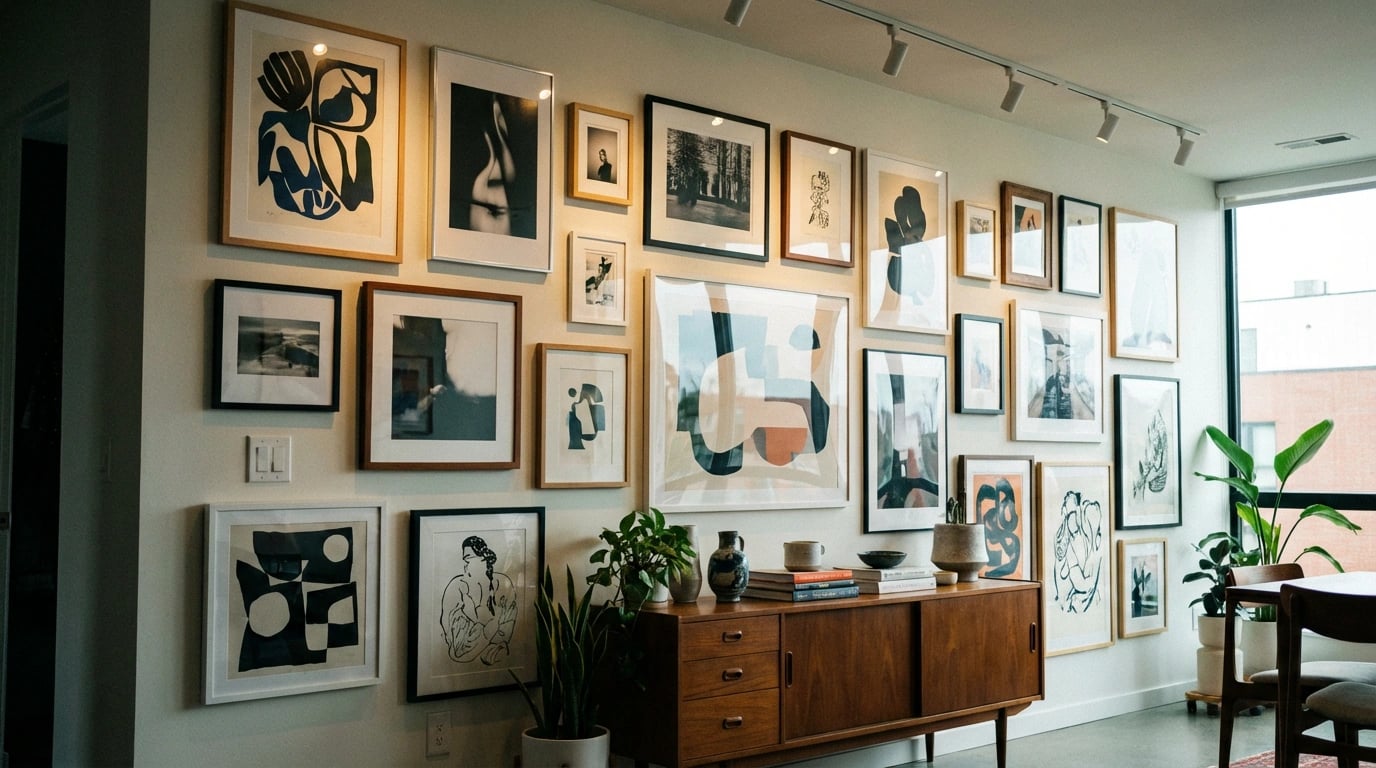
You must decide whether a single statement landscape or a gallery collection better suits your space and style. Large statement pieces simplify decision-making and create immediate visual impact, working especially well in minimalist spaces where the art becomes the focal point. These bold choices require confidence but deliver dramatic results.
Gallery walls featuring multiple smaller landscapes offer flexibility and personality. They allow you to combine different perspectives, seasons, and styles while maintaining a cohesive theme. This approach works beautifully in eclectic homes or when you want to display personal travel photography alongside purchased art. Furthermore, gallery walls can grow and evolve as your collection expands.
Orientation and Composition
Landscape orientation (horizontal) naturally suits landscape subject matter, hence the shared terminology. Horizontal compositions create stability and calm, making them perfect for above sofas, beds, and console tables. They emphasize width and can make narrow rooms feel more spacious.
However, don’t overlook vertical landscapes, especially for tall, narrow wall spaces. Vertical compositions draw the eye upward, emphasizing ceiling height and working well in entryways, hallways, and between architectural features. Additionally, square formats offer balanced versatility for various placement scenarios.
Creating the Right Mood and Atmosphere
Beyond aesthetics, landscape art profoundly influences a room’s emotional atmosphere. Different landscape elements evoke specific psychological responses, making mood consideration essential when determining which piece fits your home. Water scenes promote tranquility, forests encourage contemplation, and mountain vistas inspire ambition and strength.
Consider each room’s purpose when selecting landscape themes. Bedrooms benefit from serene scenes that promote relaxation—gentle seascapes, misty morning forests, or peaceful meadows. Living rooms and family spaces can handle more dynamic landscapes with dramatic skies, active water, or striking seasonal elements that stimulate conversation and engagement.
Seasonal Considerations
Seasonal landscape art allows you to rotate pieces throughout the year, keeping your decor fresh and responsive to changing light and weather. Spring and summer landscapes featuring blooming flora and vibrant greenery energize spaces during warmer months. Autumn scenes with golden foliage and harvest tones create warmth as temperatures drop, while winter landscapes with snow-covered scenes or bare-branch compositions align with the season’s quiet introspection.
Alternatively, selecting neutral-season landscapes—those without obvious seasonal indicators—provides year-round appeal without requiring rotation. Coastal scenes, desert landscapes, and evergreen forests typically work across all seasons, making them practical choices for permanent installations.
Biophilic Design Principles
Incorporating landscape art aligns with biophilic design, which recognizes humans’ innate connection to nature. Research consistently demonstrates that natural imagery reduces stress, improves mood, and enhances cognitive function. Therefore, bringing landscape art into your home isn’t merely decorative—it’s a wellness strategy that supports mental health and overall well-being.
Maximize biophilic benefits by choosing landscapes featuring elements proven to reduce stress: water, verdant vegetation, natural light, and expansive views. These elements trigger positive psychological responses even when experienced through artistic representation rather than direct exposure.
Strategic Placement and Display Techniques
Once you’ve selected your landscape art, proper placement maximizes its impact and integration with your space. Eye-level placement remains the standard guideline, typically positioning the artwork’s center approximately 57 to 60 inches from the floor. This height aligns with average human sight lines in museums and galleries, ensuring comfortable viewing.
However, adjust this guideline based on viewing context. Art in dining rooms should be viewed while seated, suggesting slightly lower placement. Conversely, artwork in hallways where people typically stand and move might sit slightly higher. Always consider the primary viewing position when determining final placement.
Lighting Your Landscape Art
Proper lighting transforms good art into stunning focal points. Natural light offers the truest color representation but varies throughout the day and seasons. Supplement with dedicated picture lighting, adjustable track lights, or strategically placed accent lighting to maintain consistent visibility and impact during evening hours.
Avoid direct sunlight on valuable prints, as UV rays cause fading and deterioration over time. If your artwork hangs in bright natural light, consider UV-protective glazing or periodically rotating pieces to preserve their vibrancy. For comprehensive display strategies, review these art print tips for beautiful home decor.
Creating Conversation with Surrounding Decor
Your landscape art should dialogue with surrounding elements rather than exist in isolation. Echo colors from the artwork in nearby textiles, incorporate natural materials that complement landscape themes, and position complementary objects on nearby surfaces. This creates visual rhythm and demonstrates intentional design thinking.
Negative space around artwork is equally important. Avoid crowding art with too many nearby elements, which creates visual competition and diminishes impact. Allow breathing room for the eye to focus on and appreciate the landscape without distraction.
Common Mistakes to Avoid
Several common mistakes undermine even carefully selected landscape art. Recognizing these pitfalls helps you achieve professional-looking results that enhance rather than detract from your space.
Size Misjudgment
The most frequent error is selecting art that’s too small for the intended space. What appears substantial in a gallery or online often disappoints when placed on your wall. Always measure your space and visualize dimensions using painter’s tape or paper templates before purchasing. When uncertain between sizes, larger typically succeeds better than smaller.
Ignoring Frame Quality and Style
Even exceptional landscape art suffers when paired with inappropriate or low-quality framing. Your frame should enhance the artwork while complementing your room’s style. Modern spaces typically favor simple, clean-lined frames in black, white, or natural wood, while traditional rooms accommodate ornate gilded or detailed wood frames. Moreover, quality framing with proper matting and UV-protective glass preserves your investment for years.
Overlooking the Room’s Existing Focal Point
Every room has natural focal points—fireplaces, large windows, architectural features, or statement furniture. Your landscape art should enhance or create a focal point, not compete with existing ones. Identify your room’s hierarchy and place art accordingly. In rooms with strong architectural features, choose complementary rather than competing artwork.
Following Trends Over Personal Connection
Design trends come and go, but you’ll live with your landscape art daily. While staying current has merit, prioritize pieces that personally resonate. Art you genuinely love maintains appeal regardless of shifting trends, whereas trendy selections may feel dated within a few years. Authenticity in art selection creates spaces with genuine character and lasting satisfaction.
Long-Term Maintenance and Care
Proper maintenance ensures your landscape art remains beautiful and vibrant for years. Different mediums require specific care approaches, so understanding your artwork’s composition guides appropriate preservation strategies.
Environmental Protection
Protect art from environmental damage by controlling humidity, temperature, and light exposure. Excessive humidity encourages mold growth and paper degradation, while extreme dryness causes cracking in certain mediums. Maintain moderate humidity levels between 40-50% for optimal preservation. Similarly, avoid placing art near heat sources, air vents, or in direct sunlight paths.
Dust accumulation dulls artwork over time. Gently dust frames and glass with soft, lint-free cloths periodically. For unglazed works or textured surfaces, use a soft brush designed for delicate surfaces. Never spray cleaning products directly on artwork; instead, lightly dampen your cloth if necessary and clean only the frame and glass.
Professional Assessment
Consider periodic professional assessment for valuable pieces. Art conservators identify potential issues before they become serious problems, offering preservation recommendations specific to your artwork’s medium and condition. This proactive approach protects your investment and ensures future generations can enjoy pieces you’ve carefully selected.
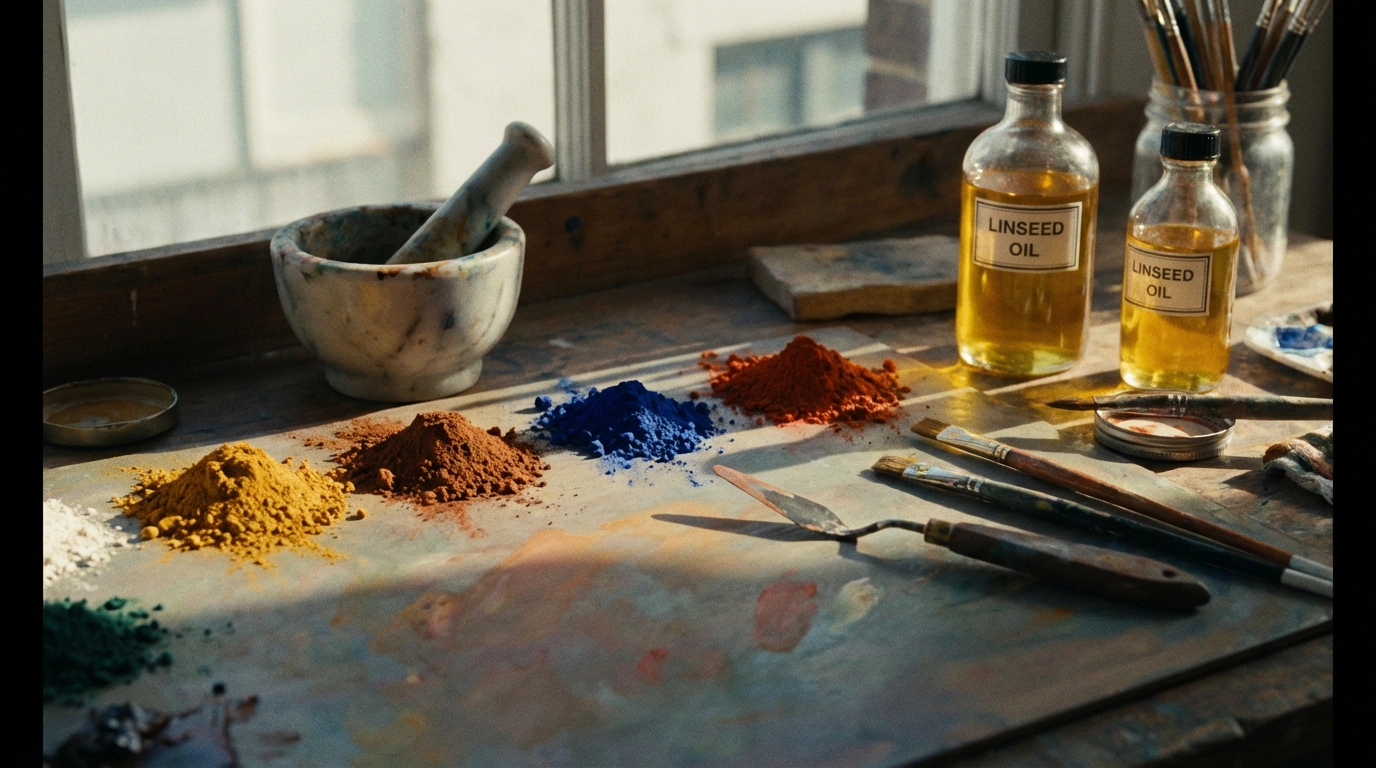
If you’re passionate about understanding artistic techniques, learning about traditional methods such as making oil paint for beginners deepens your appreciation for the craftsmanship in landscape art and informs your collection choices.
Bringing Your Vision to Life
Selecting landscape art that truly fits your home requires thoughtful consideration of multiple factors working in harmony. By assessing your room’s characteristics, coordinating colors thoughtfully, choosing appropriate artistic styles, and getting scale right, you create spaces that feel cohesive and intentional. Remember that the best landscape art speaks to you personally while enhancing your living environment functionally and aesthetically.
The journey of selecting perfect landscape art should be enjoyable rather than stressful. Take your time, trust your instincts, and don’t hesitate to experiment with placement before making final decisions. When you discover pieces that genuinely resonate with your style and space, the result is a home filled with beauty, connection to nature, and personal expression. Browse our collection at the GumPrints shop to discover landscape art pieces that might be perfect for your home.

|
joerussell Australian abstract artists based in Byron Bay and curator of the GumPrints art print collection. |