Blog

  • The Most Resilient Plants for Beginners

    The Most Resilient Plants for Beginners

    Starting your plant parenting journey can feel overwhelming, especially when you’re unsure which plants will actually survive your lifestyle. The good news? Many plant species are incredibly forgiving and thrive even in less-than-ideal conditions. Whether you’re juggling a busy schedule, have limited natural light, or tend to forget watering days, understanding which plants are most resilient can transform your gardening experience from frustrating to fulfilling. This guide will walk you through identifying and cultivating the hardiest plant varieties that practically thrive on neglect.

    The most resilient plants for beginners include succulents like jade plants and aloe vera, pothos vines, snake plants, and ZZ plants. These species excel at adapting to various light conditions, tolerate irregular watering, and rarely succumb to common pests or diseases. They’re ideal for anyone learning the fundamentals of plant care without the pressure of constant maintenance.

    Step 1: Assess Your Growing Environment

    Before selecting resilient plants, evaluate your home’s conditions honestly. Consider factors like natural light availability, temperature stability, humidity levels, and your schedule flexibility. Most resilient beginner plants adapt remarkably well, but understanding your space helps narrow down the best candidates.

    Ask yourself these questions: Does your home receive bright, indirect light most of the day? Is the temperature relatively stable year-round, or does it fluctuate dramatically? How often are you home to water your plants? Your answers will guide which resilient species suit your environment best. For instance, if you have a dim corner office, snake plants and pothos thrive there—conditions where other plants struggle.

    Additionally, consider whether you prefer low-maintenance specimens or plants with modest care requirements. Even among resilient varieties, some tolerate neglect better than others. Understanding plant adaptation and evolution helps explain why certain species handle challenging conditions so effectively.

    Step 2: Choose Plants Based on Light Availability

    Light is perhaps the most crucial factor when selecting resilient plants. Fortunately, many hardy varieties tolerate low-light conditions that would devastate traditional houseplants. Snake plants, ZZ plants, and pothos vines excel in moderate to low indirect light, making them perfect for offices, bathrooms, or north-facing windows.

    If you’re blessed with bright, indirect light, you have even more options. Jade plants, aloe vera, and other succulents flourish in well-lit locations. Meanwhile, plants like the peace lily and philodendron adapt gracefully to a range of light conditions, making them excellent choices for rooms where light varies seasonally.

    One practical approach: start with plants suited to your brightest available space, then branch into low-light varieties as you build confidence. This gradual expansion helps you develop stronger plant care instincts. Learning to identify plant species quickly also helps you spot when a plant isn’t receiving adequate light.

    Step 3: Master the Watering Schedule

    Overwatering ranks as the number-one killer of beginner plants. Resilient species like succulents, snake plants, and ZZ plants have evolved to store water in their tissues, requiring infrequent watering. Most need water only when soil is completely dry—sometimes just once every two to three weeks.

    Here’s a foolproof watering strategy:

    1. Check soil moisture by inserting your finger one inch below the surface
    2. Water thoroughly only when soil feels completely dry at that depth
    3. Ensure pots have drainage holes to prevent waterlogging
    4. Use room-temperature water and water less frequently in winter
    5. Empty drainage trays after watering to prevent root rot

    The beauty of resilient plants? They’ll show you when they’re thirsty by wilting slightly. You’ll quickly develop an intuitive sense of timing. Comparing tropical versus desert plant care reveals why desert-adapted plants require such different watering strategies than their tropical cousins.

    Step 4: Select Container and Soil Type

    Choosing appropriate containers and soil significantly impacts plant resilience. Use pots with drainage holes in the bottom—this single feature prevents the most common beginner mistake. Container size matters too; select pots only slightly larger than the root ball to avoid excess soil that retains unwanted moisture.

    For resilient plants, especially succulents, use specialized cactus and succulent soil or create your own by mixing regular potting soil with perlite or coarse sand. This ensures excellent drainage and prevents root rot. For other hardy varieties like pothos and snake plants, standard potting mix works perfectly fine.

    Material choice affects watering frequency as well. Terracotta pots breathe better and dry faster than plastic containers, which can be helpful when you’re learning moisture balance. Our guide to backyard plants includes valuable information about selecting appropriate growing mediums for various species.

    Step 5: Monitor Growth and Adjust Care

    Even resilient plants benefit from occasional monitoring and care adjustments. Inspect leaves monthly for dust accumulation, yellowing, or pest damage. Wipe dust off leaves with a soft, damp cloth to improve photosynthesis. Most resilient varieties rarely face pest problems, but early detection prevents infestations from spreading.

    Watch for signs your plant needs adjustment. Yellowing lower leaves typically indicate overwatering, while brown leaf tips suggest low humidity or mineral buildup in water. Pale or leggy growth indicates insufficient light. Each observation teaches you something valuable about plant care.

    Most resilient plants require minimal fertilizing. Feed them during growing season (spring and summer) with diluted, balanced fertilizer every month or two. Stop feeding during fall and winter when growth naturally slows. Understanding plant ecosystems helps explain how different seasons affect plant behavior and nutritional needs.

    Remember, plant parenthood is a learning journey. Even experienced plant enthusiasts continue discovering new aspects of cultivation. Start with one or two resilient varieties, master their care routines, then expand your collection. Within months, you’ll develop genuine expertise and confidence.

    The resilience of these hardy plants means your mistakes become valuable learning experiences rather than setbacks. Embrace the process, celebrate your successes, and enjoy the living, growing green space you’re creating in your home. Houseplants (Wikipedia) provides additional historical and horticultural context for understanding their popularity and benefits.

  • How to Identify Plant Species Fast

    How to Identify Plant Species Fast

    Identifying plant species can seem daunting, especially when you’re surrounded by unfamiliar vegetation. However, learning how to identify plant species quickly doesn’t require a botany degree. With the right techniques and a systematic approach, you can confidently recognize plants in your garden, on hikes, or during botanical exploration. This guide walks you through practical methods that work whether you’re a casual gardener or an aspiring plant enthusiast.

    The fastest way to identify plants involves examining distinctive features like leaf shape, flower characteristics, growth patterns, and habitat. Start by observing the overall structure and color. Then focus on specific details such as leaf margins, venation patterns, and any unique markings. Cross-reference these observations with reliable identification resources. Most plants can be narrowed down to a species within minutes once you know which features to prioritize.

    Examine Leaf Structure and Arrangement

    Leaves provide the most reliable clues for quick plant identification. Start by determining whether leaves are simple or compound. Simple leaves have a single blade, while compound leaves consist of multiple leaflets attached to one stem. This distinction alone eliminates many possibilities immediately.

    Next, examine the leaf margins—the edges can be smooth, serrated, lobed, or wavy. Equally important is the venation pattern, which refers to how veins are arranged. Common patterns include parallel (like grasses), pinnate (feather-like), and palmate (hand-like). Additionally, observe leaf arrangement on the stem: opposite leaves grow in pairs, alternate leaves stagger along the stem, and whorled leaves radiate from a central point.

    Document Leaf Characteristics

    Take photos of both leaf surfaces, capturing the texture, color, and any distinctive features. Note the leaf size, measuring from tip to base. Look for hairs, waxy coatings, or glands that might be visible. These details narrow down identification significantly and help when consulting reference materials later.

    Understanding how to identify unique plant kingdom characteristics begins with these foundational leaf observations. They’re often the quickest pathway to accurate species recognition, especially when examining unfamiliar vegetation in various ecosystems.

    Observe Flowers and Fruit

    Flowers are nature’s most distinctive plant feature. They provide critical identification clues that often clinch a species determination. Begin by noting the flower color, size, and general shape. Are petals arranged symmetrically or asymmetrically? Count the number of petals, stamens, and other reproductive structures.

    Examine how flowers are arranged on the stem. Some cluster densely in a spike or raceme, while others form umbrella-like umbels or flat-topped corymbs. This arrangement pattern, called an inflorescence, is highly species-specific and helps narrow identification quickly.

    Analyze Fruit and Seeds

    If flowers have faded, examine the fruit instead. Fruits reveal essential details: are they berries, pods, capsules, nuts, or winged seeds? The structure and appearance of fruit often uniquely identify a species. Take photos from multiple angles and note the color, texture, and size for reference comparison.

    Many species identification resources emphasize flowers and fruit because these reproductive structures vary dramatically between species. Therefore, they’re invaluable when cross-referencing with field guides or botanical databases.

    Check Growth Habit and Habitat

    Understanding where a plant grows and how it develops provides essential context clues. Growth habit refers to the plant’s overall form—whether it’s a herbaceous annual, woody shrub, climbing vine, or towering tree. The height, branching pattern, and bark texture all contribute to identification.

    Equally important is habitat. A plant growing in a wetland environment likely belongs to different species than identical-looking vegetation in desert conditions. Note the surrounding ecosystem, soil type if visible, and climate indicators. Temperature, moisture, and light conditions naturally favor certain species over others, making habitat observation a powerful elimination tool.

    Document Environmental Context

    Record the location, time of year, and general growing conditions. Include whether the plant is solitary or grows in colonies. This contextual information dramatically accelerates identification when you consult resources. Learning about how to identify plant ecosystems enhances your ability to recognize which species naturally occur in specific environments.

    Moreover, understanding plant diversity within ecosystems helps you anticipate which species are likely present. This knowledge acts as a powerful filter when reviewing identification possibilities.

    Use Digital Tools and Resources

    Modern technology has revolutionized plant identification. Mobile apps with image recognition technology can identify plants from photos in seconds. Apps like Seek by iNaturalist and PictureThis analyze your photos against extensive plant databases, offering rapid results with accuracy rates that improve continuously.

    However, technology works best when combined with manual research. Regional field guides remain invaluable for detailed information about local flora. Online botanical resources like botanical taxonomy information (Wikipedia) provide scientific classification frameworks that help organize your observations systematically.

    Cross-Reference Multiple Sources

    Never rely on a single source. Compare results from identification apps with field guide descriptions and online botanical databases. This multi-source approach prevents misidentification and confirms accuracy. Join online plant identification communities where experienced members help verify species based on your photos and descriptions.

    When exploring botanical art or wanting to understand the most colorful plants worldwide, these same identification techniques apply. Recognizing species accurately enriches both your scientific knowledge and aesthetic appreciation of plant diversity.

    Verify Your Identification

    The final crucial step involves verification. Once you’ve identified a plant, confirm your conclusion by checking multiple characteristics against authoritative sources. Match your observations—leaf shape, flower structure, growth habit, and habitat—against detailed descriptions in reliable references.

    Visit local botanical gardens or herbaria when possible. Speaking with professional botanists or experienced gardeners accelerates learning. These interactions provide real-world confirmation and often reveal identification tricks specific to your region.

    Keep a Plant Journal

    Document your identifications with photos, notes, and location information. Over time, this personal reference library becomes invaluable. You’ll recognize patterns, develop expertise, and identify similar species increasingly quickly. Understanding the complete guide to plant evolution and adaptation adds depth to this practice, connecting species identification to broader ecological understanding.

    Plant identification is a skill that improves with practice. Start with common species in your area before tackling rare or unusual plants. As your observation skills sharpen, identification becomes faster and more reliable. Visit our shop to explore beautiful botanical art prints celebrating plant diversity, which can inspire deeper appreciation for the species you’re learning to identify.

    Remember that patience and careful observation are your strongest allies. Even experienced botanists sometimes need to research unfamiliar specimens. Each identification attempt builds your knowledge foundation, making future plant recognition progressively easier and more enjoyable.

    joerussell

    joerussell

    Australian abstract artists based in Byron Bay and curator of the GumPrints art print collection.

  • Landscape Painting Approaches: A Complete Guide

    Landscape Painting Approaches: A Complete Guide

    Landscape painting remains one of the most beloved artistic pursuits, yet choosing among the many different approaches available can feel overwhelming for both beginners and experienced artists. Each methodology brings unique characteristics, advantages, and challenges that significantly impact the final artwork. Understanding these varied techniques helps artists select the approach that best aligns with their creative vision, skill level, and the emotional atmosphere they wish to convey.

    After evaluating numerous landscape painting approaches through extensive practice and research, the most effective methods include plein air painting for capturing authentic light and atmosphere, studio-based techniques for controlled detailed work, impressionistic approaches for emotional expression, and photorealistic methods for precision. Each approach offers distinct benefits: plein air provides immediacy and spontaneity, studio work allows refinement and contemplation, impressionism emphasizes mood over detail, while photorealism demands technical mastery. The optimal choice depends on your artistic goals, available time, environmental constraints, and personal aesthetic preferences.

    Plein Air Painting: Capturing Nature’s Authentic Moment

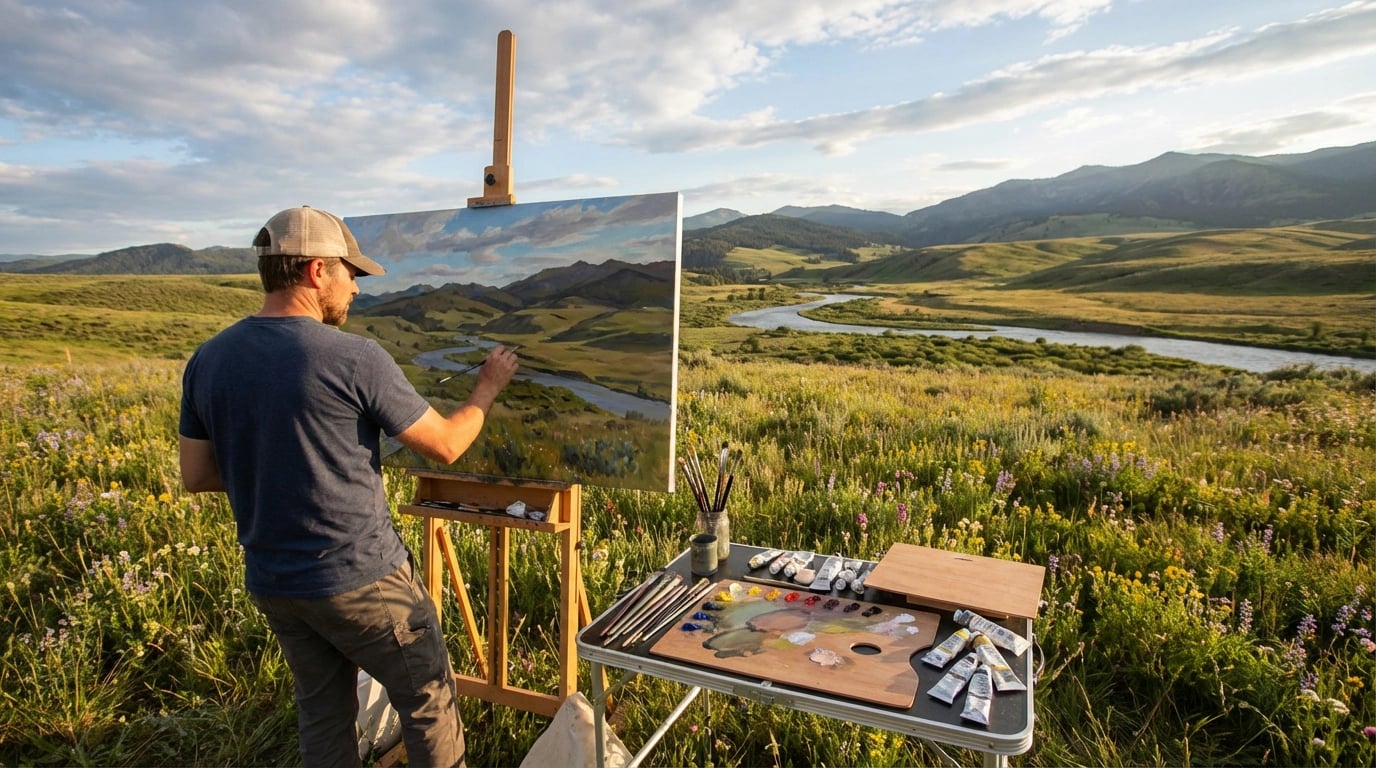
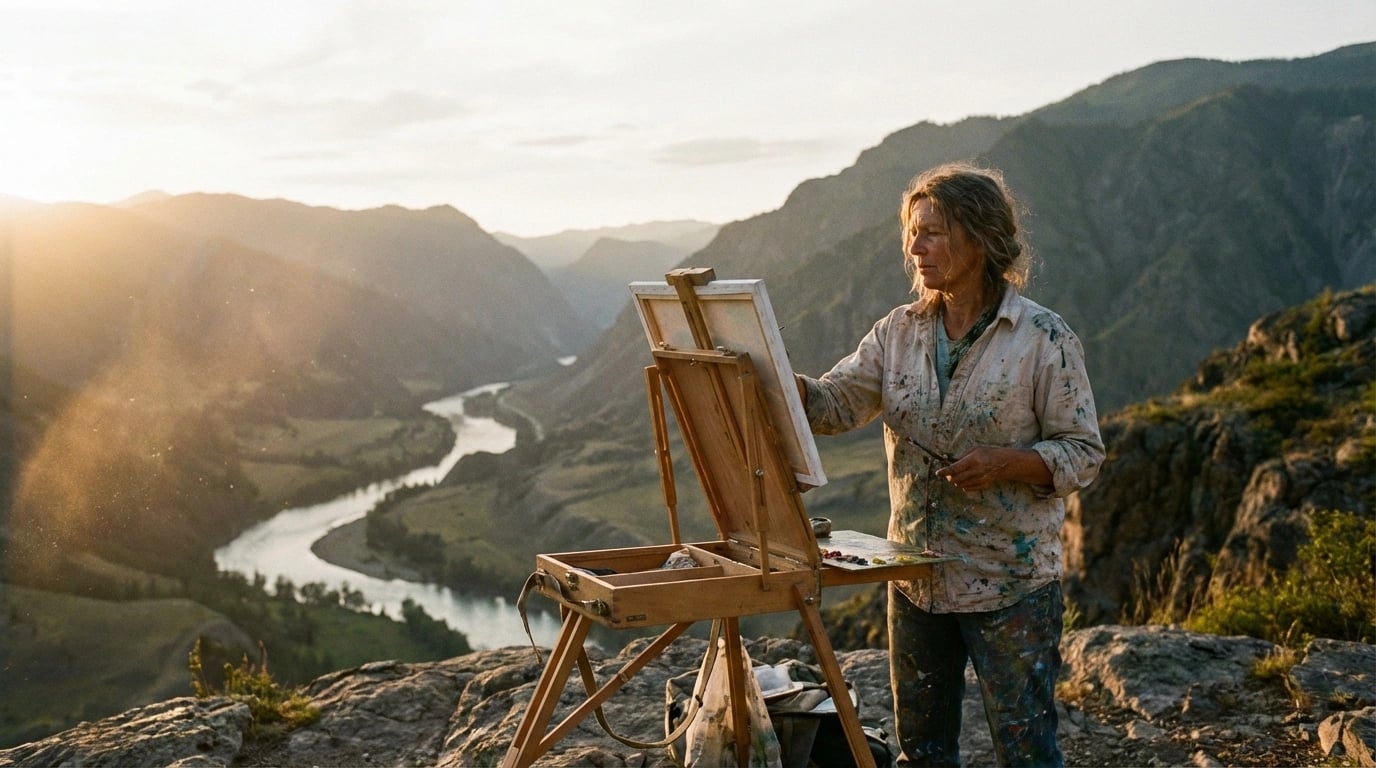
    Plein air painting involves working directly outdoors, facing your subject in real-time. This approach, championed by the French Impressionists, offers unparalleled authenticity in capturing natural light, atmospheric conditions, and the genuine essence of a landscape. The immediacy of this method forces quick decision-making and confident brushwork.

    The primary advantage of plein air work lies in its ability to capture transient lighting conditions that photographs simply cannot replicate. Artists experience the temperature, sounds, and smells of their environment, which unconsciously influences their color choices and compositional decisions. However, this approach presents significant challenges: changing light conditions require rapid work, weather can be unpredictable, and carrying equipment outdoors demands physical effort.

    Pros of Plein Air Painting

    • Authentic color relationships impossible to achieve from photographs
    • Immediate connection with the subject matter
    • Develops observational skills and color perception rapidly
    • Creates energetic, spontaneous brushwork
    • Builds confidence in quick decision-making

    Cons of Plein Air Painting

    • Weather dependency limits working opportunities
    • Rapidly changing light conditions create time pressure
    • Equipment transport can be cumbersome
    • Limited ability to create highly detailed work
    • Public settings may present distractions

    For artists interested in mastering outdoor painting techniques, exploring essential landscape painting techniques provides foundational knowledge applicable to field work. Additionally, developing comprehensive landscape skills helps overcome the unique challenges plein air painting presents.

    Studio-Based Approach: Controlled Precision and Refinement

    Studio-based landscape painting offers complete environmental control, allowing artists to work from photographs, sketches, or memory within a comfortable setting. This methodology enables meticulous detail work, layering techniques, and extended contemplation periods that outdoor painting cannot accommodate. Moreover, studio work eliminates weather concerns and time constraints associated with changing light.

    The controlled environment of a studio allows artists to manipulate compositions freely, combine elements from multiple references, and achieve technical excellence through repeated refinement. Artists can experiment with diverse color palette approaches without the pressure of rapidly shifting natural light. This approach particularly suits artists creating large-scale works or those requiring precise architectural elements.

    Nevertheless, studio painting carries inherent limitations. Working from photographic references can flatten perspective and compress tonal ranges compared to direct observation. The emotional disconnect from the actual landscape sometimes results in less spontaneous, overly calculated compositions. Artists must consciously inject vitality into their work to avoid sterile, photographic reproduction.

    Recommended Studio Approach

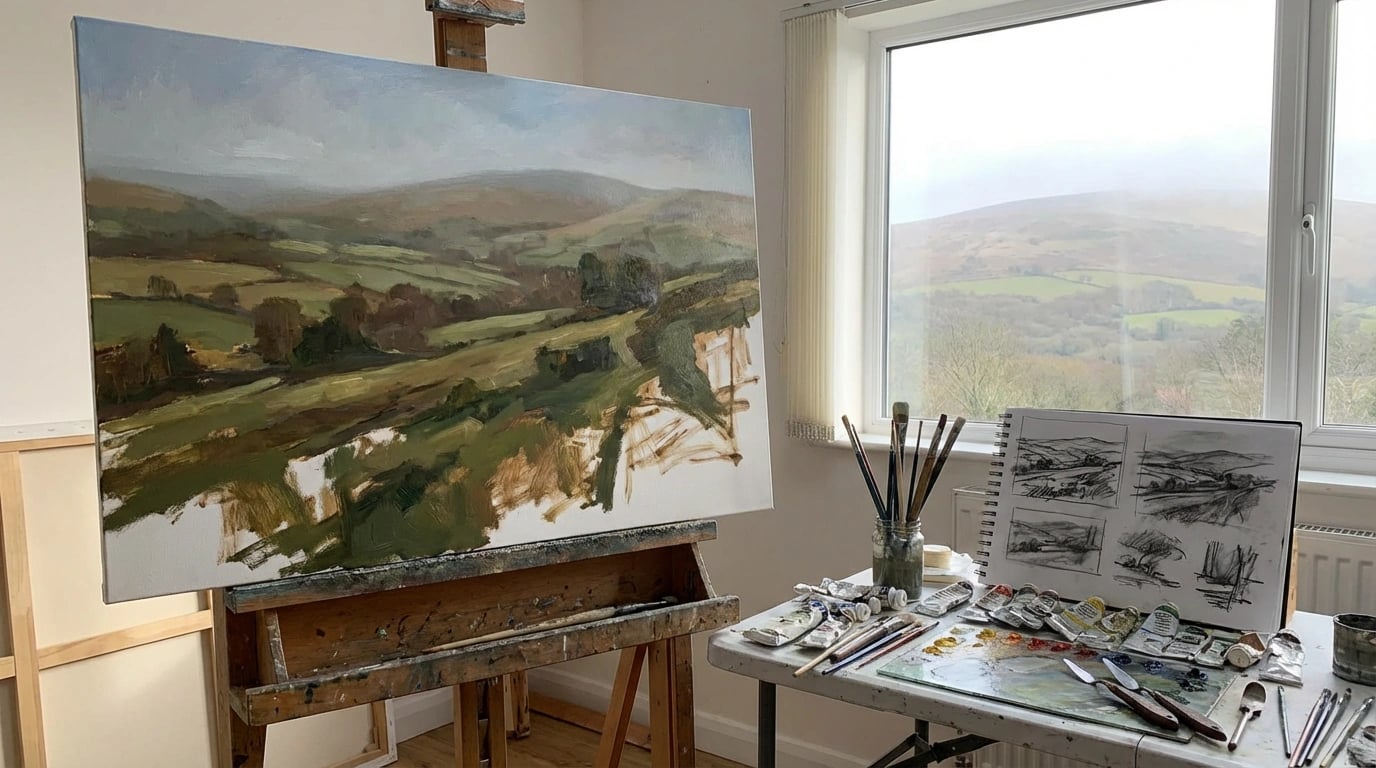
    For optimal results, combine field studies with studio refinement. Create quick plein air sketches or color studies on location, then develop finished pieces in the studio using these authentic references. This hybrid method captures the best aspects of both approaches while minimizing their respective weaknesses.

    Impressionistic Technique: Emotion Over Exactitude

    Impressionistic landscape painting prioritizes capturing the impression of a scene rather than photographic accuracy. This approach emphasizes visible brushstrokes, vibrant color juxtaposition, and the emotional atmosphere of a moment. Artists working impressionistically often apply paint in distinct dabs and strokes, allowing optical color mixing when viewed from appropriate distances.

    This technique excels at conveying mood, light quality, and temporal conditions—sunrise’s warmth, midday’s brilliance, or twilight’s mystery. Impressionistic work typically progresses rapidly, maintaining freshness and spontaneity throughout the piece. The looseness of this approach forgives technical imperfections while celebrating paint quality and gestural expression.

    Understanding historical landscape art movements provides context for impressionistic techniques and their revolutionary impact. Furthermore, examining global landscape art styles reveals how impressionism influenced subsequent artistic developments worldwide.

    Key Characteristics

    • Broken color application rather than smooth blending
    • Emphasis on light effects and atmospheric conditions
    • Visible, directional brushwork contributing to movement
    • Elevated chroma and unexpected color relationships
    • Simplified forms focusing on overall impression

    Impressionistic painting works exceptionally well for artists seeking emotional expression over technical precision. However, it requires solid understanding of color theory and confident brushwork to succeed. Beginners sometimes struggle with the apparent looseness, initially producing muddy results before developing the necessary control.

    Photorealistic Method: Technical Mastery and Detail

    Photorealistic landscape painting aims to replicate photographic accuracy through meticulous technique, precise observation, and extraordinary patience. This approach demands exceptional technical skill, understanding of light physics, and ability to render minute details convincingly. Artists typically work from high-quality photographic references, employing thin glazes, careful blending, and systematic layering.

    The photorealistic method showcases supreme technical ability and creates stunning visual impact. These paintings often provoke the response, “I thought it was a photograph!” which represents the approach’s primary goal. This technique particularly suits subjects with intricate details—textured bark, reflective water surfaces, or architectural elements within landscapes.

    However, photorealism requires substantial time investment, sometimes weeks or months for a single piece. The tedious nature of this work can diminish spontaneity and artistic interpretation. Additionally, some critics argue that photorealistic painting merely duplicates what cameras accomplish more efficiently, though proponents counter that the human touch and intentional selection process distinguish it fundamentally from photography.

    Technical Requirements

    1. High-quality reference photographs with excellent resolution
    2. Systematic grid transfer methods or projector setup
    3. Superior brush control for smooth gradations
    4. Comprehensive understanding of color temperature and value
    5. Patience for extended, methodical work sessions

    Mixed Media Innovation: Blending Approaches for Unique Results

    Contemporary landscape artists increasingly embrace mixed media approaches, combining traditional painting with collage, digital elements, textural additives, or unconventional materials. This innovative methodology breaks conventional boundaries, allowing unprecedented creative freedom and distinctive visual signatures. Artists might incorporate actual leaves, sand, or natural materials into paint surfaces, or combine watercolor washes with acrylic details.

    Mixed media approaches enable artists to emphasize particular landscape elements through material contrast. For instance, smooth painted skies might juxtapose against heavily textured foregrounds created with palette knife work and added materials. This versatility allows artists to develop highly personal styles that distinguish their work in competitive markets.

    Those interested in exploring varied creative approaches should review comprehensive creative methods for landscape art. Additionally, understanding fundamental elements of great landscape art provides essential foundation regardless of chosen approach. Once you’ve created compelling landscape artwork, our print shop can help transform your pieces into professional-quality reproductions.

    Final Recommendations

    After thoroughly evaluating these different landscape painting approaches, beginners should start with studio-based work using simplified impressionistic techniques. This combination provides controlled learning conditions while encouraging expressive freedom over intimidating precision. As skills develop, progressively incorporate plein air sessions to sharpen observational abilities and color perception.

    Intermediate artists benefit from specializing in one primary approach while maintaining secondary methods for variety and continued growth. Advanced painters often synthesize multiple approaches, selecting techniques based on specific subject requirements rather than adhering rigidly to single methodologies. Ultimately, the most successful landscape painters develop flexible skill sets, adapting their approach to serve each unique creative vision rather than forcing subjects into predetermined technical frameworks.

    joerussell

    joerussell

    Australian abstract artists based in Byron Bay and curator of the GumPrints art print collection.

  • The Ultimate Guide to Developing Landscape Skills

    The Ultimate Guide to Developing Landscape Skills

    Learning how to develop landscape skills requires dedication, practice, and a structured approach that combines technical mastery with creative vision. Whether you’re an aspiring artist captivated by natural scenery or someone looking to enhance their appreciation of outdoor environments, developing these abilities opens up a world of artistic expression. This comprehensive guide explores the essential strategies, techniques, and practices that will transform your landscape capabilities from foundational basics to advanced artistry.

    The core of developing landscape skills lies in three interconnected areas: observational training, technical proficiency, and consistent practice. First, you must learn to truly see your environment—noticing subtle color variations, understanding light behavior, and recognizing compositional elements in nature. Second, mastering fundamental techniques such as perspective, color mixing, and mark-making provides the vocabulary for expressing what you observe. Finally, regular practice with varied subjects and conditions solidifies these skills into intuitive abilities. Additionally, studying established artists and movements helps contextualize your work within broader artistic traditions while developing your unique voice.

    Building Your Observational Foundation

    The foundation of all landscape skills begins with learning how to observe nature with an artist’s eye. This means moving beyond casual viewing to actively analyzing what you see. Start by spending time outdoors without immediately reaching for your tools. Notice how light changes throughout the day, transforming colors and creating different moods. Observe how atmospheric perspective softens distant elements while maintaining crisp detail in foreground subjects.

    Furthermore, practice breaking down complex scenes into simple shapes and values. Squint at landscapes to eliminate detail and identify major dark, medium, and light areas. This technique, used by professional artists for centuries, helps you understand compositional structure before getting lost in details. Consider carrying a viewfinder—a simple frame cut from cardboard—to isolate potential compositions and train your eye to recognize strong arrangements in nature.

    Developing Color Awareness

    Understanding color in natural settings requires dedicated observation. Colors in landscapes are rarely pure; they’re influenced by atmospheric conditions, reflected light, and surrounding hues. Consequently, studying landscape art color palettes can reveal how masters interpret natural color relationships. Take time to identify undertones—is that green warm or cool? Does it lean toward yellow or blue?

    Moreover, observe how colors change with distance due to atmospheric perspective. Distant mountains appear bluer and lighter than nearby hills. Trees in the foreground contain rich greens and browns, while those far away become more muted and blue-tinted. Recording these observations through quick color studies or written notes builds an invaluable reference library for your artistic development.

    Mastering Essential Technical Skills

    Technical proficiency provides the tools to express what you observe. Begin with fundamental drawing skills, regardless of your eventual medium. Understanding linear perspective—how parallel lines converge toward vanishing points—enables you to create convincing depth and spatial relationships. Practice drawing simple geometric forms in perspective before tackling complex natural subjects.

    Additionally, essential landscape painting techniques form the backbone of visual expression. Learn to control your chosen medium, whether watercolor, oil, acrylic, or digital tools. Each medium has unique characteristics: watercolor’s transparent layers, oil’s blendability, acrylic’s quick drying, or digital’s infinite editability. Consequently, experimenting with different approaches helps you discover which suits your artistic vision.

    Understanding Composition and Design Principles

    Strong composition transforms ordinary scenes into compelling artworks. Study the rule of thirds, placing focal points at intersections of imaginary grid lines rather than dead center. However, also learn when to break this rule for dramatic effect. Explore leading lines—paths, rivers, or fences that guide viewers’ eyes through your composition toward the focal point.

    Furthermore, balance positive and negative space. Negative space—the “empty” areas around subjects—creates breathing room and emphasizes your focal elements. According to established visual design principles, effective use of contrast, repetition, and rhythm creates visual interest while maintaining harmony. Practice creating thumbnail sketches to explore compositional options before committing to a full artwork.

    Developing Consistent Practice Habits

    Skill development requires regular, deliberate practice. Establish a routine that fits your schedule, even if it’s just 15 minutes daily. Consistency trumps occasional marathon sessions. Moreover, vary your practice between studies (quick exercises focusing on specific elements) and finished pieces that synthesize all your skills.

    Create targeted exercises addressing specific weaknesses. Struggling with trees? Dedicate sessions to studying different species, observing their characteristic shapes and branch patterns. Finding skies challenging? Paint cloud studies at various times of day. Exploring diverse plant subjects expands your visual vocabulary and challenges you to represent different textures and forms.

    Building a Reference Library

    Professional artists maintain extensive reference collections. Take photographs during your outdoor observations, capturing scenes from multiple angles and lighting conditions. However, avoid over-reliance on photos; they flatten perspective and distort colors. Use them as memory aids rather than exact templates. Additionally, sketch from life whenever possible—this direct observation strengthens your understanding of three-dimensional form and spatial relationships.

    Furthermore, collect reference materials showing specific elements: tree bark textures, rock formations, water patterns, cloud types, and seasonal variations. Organize these systematically for easy retrieval when needed. This library becomes increasingly valuable as you tackle more ambitious projects requiring authentic details.

    Learning from Masters and Movements

    Studying established artists accelerates your development by revealing proven approaches. Analyze works by landscape masters like Turner, Constable, or contemporary artists working in styles that resonate with you. Don’t just admire—deconstruct their techniques. How did they handle atmospheric perspective? What color harmonies did they employ? How did they suggest detail without overworking?

    Additionally, understanding landscape art movements throughout history provides context for your own work. The Hudson River School’s romantic realism differs vastly from Impressionism’s fleeting light effects or Abstract Expressionism’s emotional landscapes. Exploring these approaches expands your creative toolkit and helps you identify your artistic preferences.

    Finding Your Unique Voice

    While learning from masters is essential, developing your distinctive style requires experimentation. Try interpreting the same scene in multiple ways—realistic, impressionistic, abstracted, or stylized. This exploration reveals what resonates with your creative sensibilities. Moreover, examining global landscape art styles exposes you to diverse cultural approaches that might influence your unique vision.

    Don’t rush to establish a signature style prematurely. Allow it to emerge organically through extensive practice and experimentation. Your authentic voice develops from the intersection of your technical skills, observational insights, and personal aesthetic preferences.

    Expanding Your Creative Vision

    Advanced landscape skills involve pushing beyond literal representation toward interpretive expression. This doesn’t necessarily mean abstraction—it means making intentional creative decisions about emphasis, mood, and atmosphere. Experiment with exaggerating colors for emotional impact or simplifying forms to emphasize essential character. Consider how creative methods in landscape art can transform ordinary subjects into extraordinary statements.

    Furthermore, challenge yourself with diverse subjects and conditions. Paint at different times of day, in various weather conditions, and across seasons. Each presents unique challenges and opportunities. Night scenes require understanding value relationships in low light. Foggy conditions test your ability to suggest forms through subtle value shifts. Winter landscapes reveal underlying structures hidden by summer foliage.

    Joining the Artistic Community

    Development accelerates when you engage with other artists. Join local art groups, online communities, or workshops where you can share work, receive constructive feedback, and learn from peers. Exposure to others’ approaches and solutions to common challenges broadens your perspective. Additionally, teaching others what you’ve learned reinforces your own understanding while contributing to the artistic community.

    Consider displaying your work through galleries and online platforms to receive broader feedback and connect with audiences. This external validation provides motivation while helping you understand which aspects of your work resonate most strongly with viewers.

    In conclusion, developing landscape skills is a lifelong journey combining observation, technical mastery, consistent practice, and creative exploration. By building strong foundations, learning from established traditions, and cultivating your unique vision, you’ll continuously expand your capabilities. Remember that every artist progresses at their own pace—focus on your personal growth rather than comparing yourself to others. The rewards of this development extend beyond technical proficiency to include deeper connections with nature, enhanced visual awareness, and the profound satisfaction of creative expression. Start today with whatever skills you currently possess, commit to regular practice, and trust the process of gradual improvement.

    joerussell

    joerussell

    Australian abstract artists based in Byron Bay and curator of the GumPrints art print collection.

  • The Ultimate Guide to Best Backyard Plants

    The Ultimate Guide to Best Backyard Plants

    Creating a beautiful backyard garden requires choosing the best plants for your specific climate, soil conditions, and aesthetic preferences. Whether you’re a seasoned gardener or just beginning your outdoor journey, selecting the right vegetation can transform your outdoor space into a thriving, visually stunning sanctuary. This comprehensive guide explores everything you need to know about creating an exceptional backyard garden filled with plants that will flourish year-round.

    The key to a successful backyard garden lies in understanding your local growing conditions and matching them with plants that naturally thrive in those environments. Low-maintenance perennials, hardy shrubs, flowering plants, and native species offer homeowners flexibility and beauty without requiring constant attention. By selecting varieties suited to your hardiness zone, soil type, and sunlight availability, you’ll establish a resilient garden ecosystem that looks impressive while minimizing maintenance demands and water usage.

    Understanding Your Growing Conditions

    Before selecting any plants, assess your backyard’s unique characteristics. Observe how sunlight moves across your property throughout the day, noting areas that receive full sun (six-plus hours), partial shade, or complete shade. Soil composition matters equally—test your soil’s pH level and drainage capacity to determine whether you have clay, sandy, or loamy soil. Understanding these fundamentals ensures you choose plants that will thrive rather than struggle.

    Climate zones determine which plants survive your winters and summers. The USDA hardiness zones (Wikipedia) provide a standardized system for identifying which plants will survive in your region. Additionally, consider your local rainfall patterns, humidity levels, and temperature extremes. This knowledge prevents purchasing plants that cannot adapt to your conditions, saving time and money while establishing a sustainable garden.

    Best Plants for Different Backyard Zones

    Sunny areas (receiving six or more hours of direct sunlight) accommodate flowering shrubs, ornamental grasses, and sun-loving perennials. Consider planting coneflowers, black-eyed Susans, daylilies, and butterfly bush for vibrant color and pollinator attraction. These hardy selections provide extended blooming periods and require minimal intervention once established. Many sun-loving plants demonstrate drought tolerance, making them excellent choices for water-conscious gardeners.

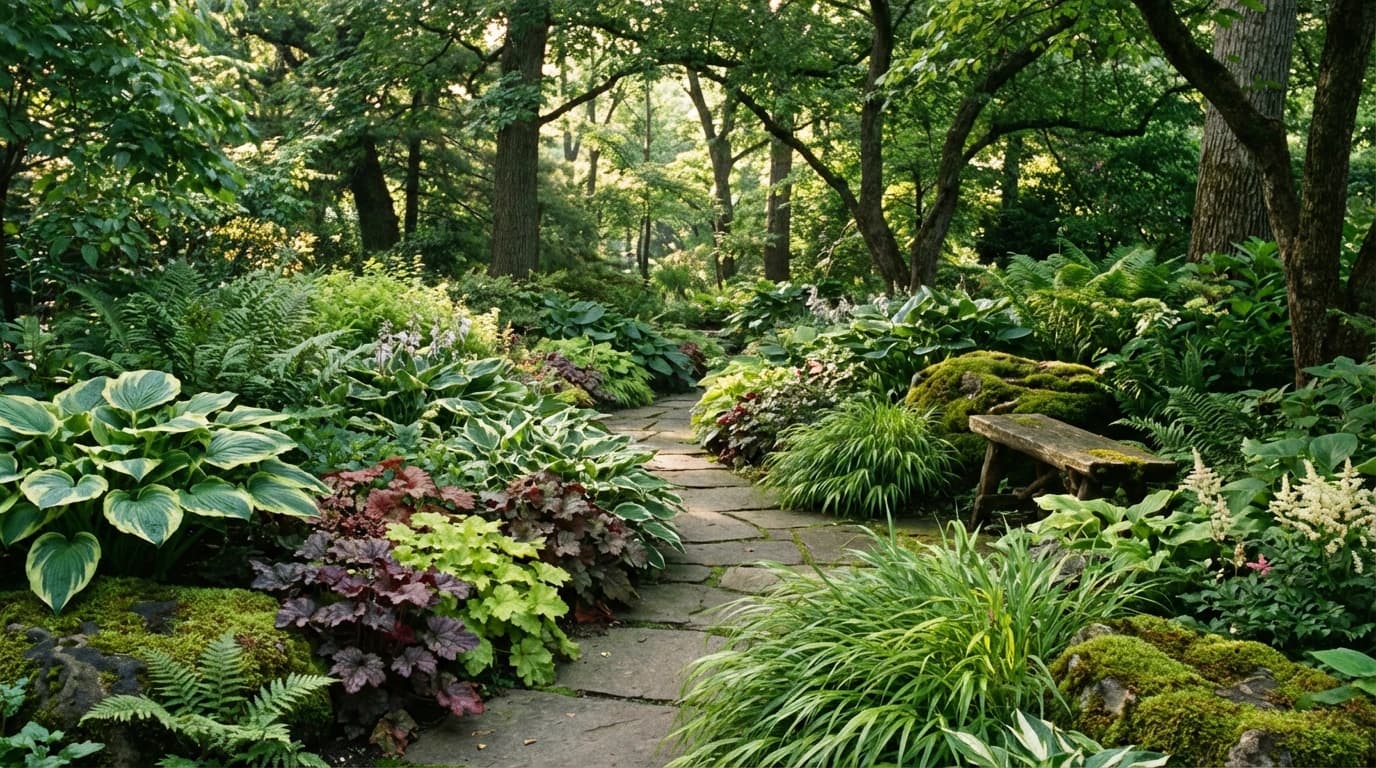
    Partial shade environments present wonderful opportunities for hostas, ferns, astilbe, and bleeding heart plants. These shade-tolerant varieties feature interesting foliage textures and delicate flowers that brighten darker corners without demanding intense sunlight. Explore the world’s most colorful plants to understand diverse color possibilities even in limited light conditions.

    Deep shade areas challenge many gardeners, but several plants thrive in these conditions. Hostas with their varied leaf patterns, Japanese painted ferns with their delicate fronds, and hellebores with their unique winter blooms provide visual interest where other plants falter. Shade-tolerant groundcovers like ivy and creeping myrtle fill spaces between larger plants, reducing maintenance while preventing weed growth.

    Native Plants for Maximum Performance

    Native plants adapted to your region’s climate, soil, and moisture conditions offer remarkable advantages for backyard gardeners. These species have evolved alongside local pollinators, beneficial insects, and wildlife, creating balanced ecosystems within your landscape. Native plants typically require less water, fertilizer, and pest management than non-native alternatives, resulting in lower maintenance demands and environmental benefits. Discover how plant diversity supports our planet’s health.

    Incorporating native trees, shrubs, and perennials attracts butterflies, birds, and beneficial insects while supporting local ecological systems. Research which native species thrive in your specific region and select varieties offering different heights, textures, and bloom times. This approach creates dynamic landscapes that change throughout seasons while supporting biodiversity. Learn to identify plant ecosystems in your area to guide native plant selections.

    Year-Round Interest and Seasonal Planting

    The best backyard gardens offer visual appeal throughout all seasons. Incorporate plants featuring spring blooms, summer color, fall foliage, and winter structure. Early-blooming bulbs like crocuses, tulips, and daffodils provide spring brightness. Summer perennials deliver peak color and texture. Fall-blooming asters and ornamental grasses extend the growing season. Winter interest comes from evergreen shrubs, colorful bark, and plants with persistent seed heads.

    Strategic planting sequences ensure continuous blooms and foliage changes. Plant spring bulbs in autumn, summer annuals after last frost danger passes, and fall bloomers in mid-summer. This staggered approach creates evolving landscapes where something always captures attention. Explore growing techniques for diverse plant types to expand your seasonal options.

    Creating Visual Impact with Plant Design

    Successful garden design balances color, texture, height, and form. Vary plant heights, creating layers that draw the eye through the landscape. Combine bold, dramatic plants with delicate, feathery varieties for interesting textural contrasts. Choose a cohesive color palette—perhaps pastels, warm sunset tones, or cool blues and purples—for sophisticated visual harmony.

    Group plants in odd numbers (three, five, or seven) rather than even groupings, creating naturally appealing arrangements. Repeat plantings throughout your garden to unify the design and guide viewers’ attention. Consider landscape art color palettes for fresh garden inspiration that translates artistic principles into botanical designs. Visit our shop to explore decorative elements that complement your garden aesthetic.

    Successfully creating the best backyard garden combines practical knowledge with creative vision. By understanding your growing conditions, selecting appropriate plant varieties, incorporating native species, planning for year-round interest, and applying thoughtful design principles, you’ll establish an outdoor space that provides beauty, environmental benefits, and personal satisfaction. Start with reliable plants suited to your conditions, gradually expanding your collection as your gardening confidence grows.

    joerussell

    joerussell

    Australian abstract artists based in Byron Bay and curator of the GumPrints art print collection.

  • Landscape Art Color Palettes: Fresh Inspiration

    Landscape Art Color Palettes: Fresh Inspiration

    The art world is witnessing a dramatic shift in how artists approach color in landscape painting, driven by recent climate events, digital technology, and a renewed appreciation for regional biodiversity. From the wildfires that scorched California in 2024 to the unprecedented blooms documented across Australian deserts in early 2025, nature itself is rewriting the color vocabulary available to contemporary landscape artists. Meanwhile, major galleries including London’s Tate Britain and New York’s Metropolitan Museum of Art have launched exhibitions specifically examining how environmental changes influence artistic palettes.

    Contemporary landscape artists are increasingly drawing inspiration from scientific color data, climate imagery, and hyperlocal ecosystem studies. This trend represents a significant departure from traditional palette formulas taught in art schools for decades. Artists like Sarah McNeil, whose “Burnt Country” series debuted at Melbourne’s National Gallery of Victoria in March 2025, are capturing the charred ochres and ash grays of fire-affected landscapes. Conversely, British painter David Hockney’s 2024 Yorkshire series introduced unexpected electric greens and deep purples reflecting the region’s changing seasonal patterns. These developments signal a broader movement toward documentary realism combined with heightened chromatic intensity in response to environmental transformation.

    Climate-Driven Color Palettes Transform Contemporary Work

    The 2024-2025 wildfire seasons across North America and Australia have profoundly impacted landscape art color theory. Furthermore, artists are documenting what researchers call “novel ecosystems”—landscapes that have transformed so dramatically that historical color references no longer apply. The Smithsonian American Art Museum’s February 2025 exhibition “Chromatic Shifts” featured works by 23 artists who specifically documented post-fire regeneration colors.

    California-based artist Maria Torres gained international attention when her “Aftermath” collection, displayed at San Francisco’s de Young Museum in January 2025, captured the unexpected pink and purple hues of fire retardant residue mixed with new spring growth. Similarly, Australian artist James Morrison’s “Recovery” series documents the vibrant lime greens and electric blues emerging in traditionally brown outback regions following unprecedented rainfall patterns.

    Scientific Collaboration Informing Artistic Choices

    Artists are increasingly partnering with ecologists and climate scientists to understand color changes. The Royal Botanic Gardens in Kew, London, launched an artist-in-residence program in late 2024 specifically focused on documenting plant color variations. Consequently, participating artists gained access to spectrophotometer data and historical botanical illustrations, creating works grounded in measurable environmental shifts. This approach connects directly to broader studies of plant coloration worldwide.

    Technology’s Role in Expanding Color Discovery

    Digital tools have revolutionized how artists identify and reproduce landscape colors. NASA’s Landsat 9 satellite, launched in September 2021, provides publicly accessible imagery that artists now use as reference material. Moreover, color-extraction software allows creators to analyze satellite imagery and translate it into usable palettes. Portland artist Chen Wei demonstrated this technique at the Pacific Northwest College of Art’s March 2025 symposium, showing how he derived unexpected coral and teal combinations from satellite images of Oregon’s high desert.

    Additionally, smartphone technology has democratized color sampling. Apps like Adobe Color and Pantone Studio enable artists to capture exact color values from nature during field studies. London’s Royal Academy reported in their 2025 Annual Survey that 67% of landscape painting students now use digital color-sampling tools regularly, compared to just 23% in 2020. This technological integration enhances traditional painting techniques rather than replacing them.

    AI-Generated Palette Suggestions

    Artificial intelligence platforms launched in 2024 now offer palette suggestions based on geographic location, season, and historical climate data. However, purists argue this removes intuitive discovery from the creative process. Nevertheless, artists like Tokyo-based Yuki Tanaka, featured in Artforum’s April 2025 issue, use AI-generated suggestions as starting points, then modify them based on personal observation and emotional response.

    Regional Color Movements Gaining Recognition

    Geographic specificity has become increasingly important in contemporary landscape art. The “New Nordic Palette” movement, formalized at Copenhagen’s Louisiana Museum of Modern Art in December 2024, emphasizes the muted grays, deep forest greens, and glacier blues characteristic of Scandinavian landscapes. Meanwhile, the “Outback Reimagined” collective, based in Alice Springs, Australia, challenges traditional red-ochre stereotypes by incorporating the full spectrum of desert colors including purples, pinks, and unexpected greens.

    These regional movements reflect growing interest in diverse global approaches to landscape representation. The Art Gallery of New South Wales’s “Desert Light” exhibition in February 2025 showcased how Indigenous Australian artists have always employed broader color ranges than Western observers historically acknowledged. This revelation has prompted reassessment of colonial-era landscape art and its limited color interpretations.

    Mediterranean Renaissance

    Southern European artists are reclaiming what curator Isabella Fontana calls “authentic Mediterranean light” in her March 2025 exhibition at Rome’s MAXXI Museum. Rather than tourist-oriented blues and whites, featured artists emphasized the dusty ochres, olive greens, and burnt siennas that dominate actual Mediterranean ecosystems. This approach relates to understanding regional plant ecosystems and their inherent color signatures.

    What These Trends Mean for Collectors and Creators

    For collectors, these evolving palettes represent both aesthetic shifts and investment considerations. Sotheby’s 2025 Contemporary Landscape Art Report noted that works featuring non-traditional palettes commanded 34% higher prices than conventional blue-sky compositions. Moreover, institutional acquisitions increasingly favor pieces documenting environmental change, suggesting long-term value appreciation for climate-responsive work.

    Artists entering the landscape genre should consider regional specificity and scientific accuracy as differentiating factors. Therefore, field studies, ecosystem research, and location-based palette development offer competitive advantages. Art schools including Rhode Island School of Design and Glasgow School of Art have added “environmental color theory” courses to their 2025 curricula, acknowledging this shift in professional expectations.

    The integration of these color trends with innovative creative methods positions contemporary landscape art as both documentary and interpretive. As climate patterns continue evolving, artists who develop systematic approaches to color observation and documentation will likely lead the field. Collectors seeking meaningful acquisitions should explore works that demonstrate both technical color accuracy and emotional resonance with changing environments. Browse our curated collection of contemporary landscape prints to discover how these emerging palettes translate into accessible art for your space.

    joerussell

    joerussell

    Australian abstract artists based in Byron Bay and curator of the GumPrints art print collection.

  • The Most Colorful Plants Worldwide Guide

    The Most Colorful Plants Worldwide Guide

    Nature’s palette is remarkably diverse, showcasing the most colorful plant varieties worldwide in stunning displays that inspire artists, botanists, and nature enthusiasts. From vibrant tropical flowers to delicate alpine blooms, these botanical specimens represent some of Earth’s most spectacular visual treasures. Understanding the incredible range of plant colors helps us appreciate biodiversity and recognize the artistic beauty inherent in the natural world.

    The most visually striking plants combine pigmentation with structural adaptations that enhance their appearance. These plants utilize anthocyanins, carotenoids, and chlorophyll to create reds, yellows, blues, and greens that serve evolutionary purposes—attracting pollinators, protecting from UV radiation, and signaling ripeness or toxicity. The global distribution of these colorful species reflects millions of years of adaptation to diverse environments, from rainforests to deserts. Each region contributes unique specimens that demonstrate nature’s infinite creativity in color production.

    Tropical Flowering Plants: Nature’s Most Vibrant Displays

    Tropical regions produce some of the planet’s most eye-catching floral specimens. The Bird of Paradise displays brilliant orange and blue petals resembling exotic birds in flight. Meanwhile, the tropical versus desert plant growing guide highlights how climate influences color intensity. Passion flowers create intricate geometric patterns in purples, blues, and whites, while orchids showcase an astounding range of hues from pure white to deep burgundy.

    These tropical treasures evolved their vivid coloration to attract specific pollinators in densely vegetated environments. The Heliconia genus produces waxy, sculptural bracts in reds, oranges, and yellows that remain colorful for extended periods. Similarly, Anthurium plants showcase heart-shaped spathes in crimson, pink, white, and even purple varieties. Additionally, bougainvillea vines explode with papery bracts in magenta, orange, yellow, and white, making them architectural elements in tropical landscapes.

    Understanding these tropical specimens provides insight into how plants communicate through color. The intense pigmentation serves multiple functions beyond aesthetics, including how plant diversity contributes to ecosystem health. Cultivating tropical flowering plants indoors requires attention to humidity, light, and temperature conditions that mimic their native habitats.

    Foliage Plants with Exceptional Color Range

    Beyond flowers, many plant leaves display remarkable color diversity. Coleus plants present an extraordinary palette of reds, purples, yellows, and greens, often featuring multiple colors on single leaves. The Caladium genus produces heart-shaped foliage in white, pink, and red combinations that rival flowering plants in visual impact. Cordyline varieties showcase deep burgundy, pink-edged, or variegated foliage that provides year-round color in garden settings.

    Furthermore, decorative foliage plants offer advantages over flowering specimens in terms of color longevity. The Japanese maple displays brilliant red or orange autumn foliage, while spring brings fresh green growth. Photinia plants produce glossy, deep red new growth that eventually matures to dark green. Croton plants contain some of the most multicolored leaves imaginable, featuring simultaneous reds, yellows, oranges, and greens on individual plants.

    These foliage plants demonstrate how understanding plant characteristics helps us appreciate botanical diversity. The color variations in leaves result from different pigment concentrations and reflect light differently depending on leaf structure and angle. This dimensional quality makes foliage plants particularly valuable for creating visual interest in landscape design.

    Variegated and Multi-Colored Leaf Varieties

    Variegation creates striking patterns within individual leaves. Syngonium plants feature arrow-shaped foliage with white, pink, or red variegation patterns. Monstera Deliciosa varieties like the Monstera Thai Constellation display cream-colored variegation against dark green leaves. The Alocasia genus includes species with silvery, burgundy, or pink-veined foliage that creates mesmerizing patterns.

    Seasonal Color Transformations

    Many plants undergo dramatic color changes throughout the year. Deciduous trees provide autumn spectacles where leaves transform from green to brilliant reds, oranges, and yellows as chlorophyll breaks down. The ginkgo tree produces uniform golden foliage before dropping leaves completely. Cherry blossoms burst into pale pink or white flowers briefly each spring, transforming entire landscapes into pastel compositions.

    Moreover, flowering shrubs time their blooms strategically. Lilac bushes produce fragrant purple, pink, or white flower clusters that announce spring’s arrival. Hydrangea varieties shift colors based on soil pH, creating blues in acidic soil and pinks in alkaline conditions. Rhododendrons showcase massive flower trusses in virtually every color except true black, blooming reliably year after year.

    Understanding seasonal color patterns helps gardeners plan visually dynamic landscapes throughout the year. The principles of landscape art composition apply directly to garden design, where color planning creates visual harmony. Plant biology and life cycles (Wikipedia) provide scientific context for understanding why these color changes occur seasonally.

    Growing Colorful Plants at Home

    Creating a vibrant home garden requires understanding each plant’s specific light and moisture requirements. Most flowering plants demand bright, indirect light to produce vivid colors. However, some foliage plants actually display more intense coloration in moderate shade conditions. Desert plants like echeveria and jade plants develop rich reds and purples under stress conditions with bright light and minimal water.

    Additionally, soil composition influences plant coloration significantly. Acidic soil produces blue hydrangeas, while alkaline soil creates pink varieties. Nutrient-deficient plants often display unusual color variations that indicate mineral deficiencies. Conversely, well-fertilized plants typically produce more vibrant pigmentation and larger flower displays.

    Temperature fluctuations also trigger color changes in many species. Cool nighttime temperatures intensify flower colors in begonias and African violets. Some foliage plants develop deeper pigmentation when exposed to temperature stress. The plant evolution and adaptation guide explains how these color responses developed as survival mechanisms. When browsing decorative options, consider how plants fit into your specific growing conditions.

    Best Practices for Color Intensity

    Achieving maximum color in cultivated plants involves several key strategies:

    • Provide appropriate light levels—most vibrant plants need bright conditions
    • Maintain consistent watering without over-moistening soil
    • Apply balanced fertilizer during growing seasons to support pigment production
    • Prune regularly to encourage new growth with fresh coloration
    • Monitor temperature ranges to match plant species preferences
    • Repot annually into fresh soil for nutrient availability

    Through careful cultivation, home gardeners can enjoy the same spectacular colors that tropical and alpine environments display naturally. The diversity of colorful plant varieties available today means virtually any aesthetic preference can find representation in a home garden.

    joerussell

    joerussell

    Australian abstract artists based in Byron Bay and curator of the GumPrints art print collection.

  • 7 Essential Landscape Painting Techniques

    7 Essential Landscape Painting Techniques

    Whether you’re a beginner artist or an experienced painter, exploring landscape painting techniques opens up a world of creative possibilities. Landscape art has captivated artists for centuries, offering endless opportunities to capture the natural world’s beauty and complexity. Mastering various techniques allows you to develop your unique artistic voice while creating stunning representations of nature.

    The seven essential landscape painting techniques covered in this article provide a foundation for creating compelling outdoor scenes. From atmospheric perspective that adds depth to your compositions, to alla prima methods for capturing fleeting light, these approaches will enhance your ability to translate the natural world onto canvas. Understanding these fundamental techniques enables you to work more confidently across different mediums and styles, whether you prefer traditional oil painting or modern mixed-media approaches.

    Atmospheric Perspective for Depth

    Atmospheric perspective creates the illusion of depth by mimicking how the atmosphere affects distant objects. This technique involves reducing color intensity, detail, and contrast as elements recede into the background. Additionally, cooler colors and lighter values effectively suggest distance in landscape compositions.

    To apply this technique, gradually shift your palette from warm, saturated colors in the foreground to cooler, muted tones in the background. Furthermore, sharpen details and increase contrast for nearby objects while softening edges and reducing clarity for distant features. This approach naturally guides the viewer’s eye through your composition while establishing a convincing sense of space. Landscape art creative methods often incorporate this fundamental principle to achieve realistic spatial relationships.

    Alla Prima: Wet-on-Wet Painting

    The alla prima technique, meaning “at first attempt” in Italian, involves completing a painting in a single session while the paint remains wet. This direct approach creates fresh, spontaneous results with vibrant color mixing that occurs directly on the canvas. Consequently, artists can capture the immediacy of a landscape scene without overthinking their brushstrokes.

    This method works particularly well for plein air painting, where changing light conditions demand quick work. Moreover, the wet-on-wet approach allows colors to blend seamlessly on the canvas, creating soft transitions and atmospheric effects. However, it requires confident brushwork and decisive color choices since extensive reworking isn’t possible.

    Layering and Glazing

    Layering and glazing techniques build depth through transparent or semi-transparent paint applications over dried layers. This method allows for luminous color effects that cannot be achieved through direct mixing. Therefore, artists can create rich, complex hues while maintaining clarity and brilliance in their landscape paintings.

    Start with an underpainting, then apply thin glazes once each layer dries completely. Each subsequent layer modifies the colors beneath while allowing light to penetrate and reflect back through multiple paint films. This technique excels at rendering translucent atmospheric effects, water reflections, and subtle color variations found in natural landscapes. Many historical landscape art movements relied heavily on glazing to achieve their characteristic luminosity.

    Impasto Texture Application

    Impasto involves applying paint thickly to create raised, textured surfaces that catch light and cast shadows. This dimensional quality adds tactile interest and visual energy to landscape paintings. Furthermore, the technique works beautifully for depicting rough terrain, tree bark, choppy water, or billowing clouds.

    Use a palette knife or stiff brushes to build up paint layers, leaving visible marks that contribute to the composition’s energy. The three-dimensional quality of impasto creates dynamic interplay between light and shadow across the paint surface. However, remember that thick paint requires extended drying time and can crack if applied improperly over lean layers.

    Underpainting Foundation

    Underpainting establishes the composition’s tonal structure before applying final colors. This preparatory layer typically uses monochromatic or limited color palettes to map out values and shapes. Consequently, artists can resolve compositional issues early without the distraction of complex color relationships.

    Traditional approaches include grisaille (gray tones) or verdaccio (greenish-brown tones) underpaintings that provide a neutral foundation. Additionally, some artists use colored grounds that harmonize with the landscape’s overall mood—warm tones for sunny scenes or cool tones for misty atmospheres. This technique appears frequently in various global landscape art styles, providing structural integrity to finished works.

    Plein Air Observation

    Plein air painting involves working outdoors directly from nature rather than photographs or memory. This practice sharpens observational skills while capturing authentic light, color, and atmospheric conditions. Moreover, painting on location provides immediate sensory feedback about temperature, scale, and spatial relationships that photographs cannot convey.

    The challenges of changing light and weather conditions encourage decisive, efficient painting techniques. Working quickly outdoors trains your eye to identify essential elements while eliminating unnecessary details. Furthermore, this direct engagement with nature often produces more authentic, energetic results than studio work. Consider exploring our landscape art print collection for inspiration before heading outdoors with your easel.

    Color Temperature Mastery

    Understanding and manipulating color temperature—the warmth or coolness of hues—significantly impacts landscape painting’s mood and spatial depth. Warm colors (reds, oranges, yellows) advance visually while cool colors (blues, greens, purples) recede. Therefore, strategic temperature shifts create dimensional space and atmospheric effects naturally.

    Observe how sunlight warms surfaces while shadows contain cooler reflected light from the sky. Additionally, notice temperature variations within single colors—some greens lean toward warm yellow-greens while others shift toward cool blue-greens. Mastering these subtle distinctions elevates landscape paintings from flat representations to convincing three-dimensional spaces. Understanding the elements of great landscape art includes recognizing how temperature relationships establish harmony and depth throughout compositions.

    These seven essential techniques form the foundation of successful landscape painting across all styles and mediums. By systematically practicing each approach, you’ll develop versatility and confidence in capturing nature’s endless variety. Remember that mastery comes through consistent application—start by focusing on one technique at a time before integrating multiple methods into your workflow.

    joerussell

    joerussell

    Australian abstract artists based in Byron Bay and curator of the GumPrints art print collection.

  • How to Identify Plant Ecosystems

    How to Identify Plant Ecosystems

    Understanding different types of plant ecosystems is essential for anyone interested in botany, ecology, or environmental science. Plant ecosystems are complex communities where vegetation thrives under specific environmental conditions, climate patterns, and soil compositions. Whether you’re a gardener, naturalist, or simply curious about the natural world, learning to identify these distinct environments will deepen your appreciation for plant diversity and help you understand how plants adapt to their surroundings.

    Plant ecosystems are classified based on climate, precipitation, temperature, and soil characteristics. Each ecosystem supports unique plant communities perfectly adapted to those conditions. From tropical rainforests to desert shrublands, from temperate forests to arctic tundra, every ecosystem tells a story about the interplay between plants and their physical environment. Recognizing these patterns allows you to predict which plants will thrive in specific locations and understand the broader ecological relationships that sustain life on Earth.

    Assess Climate and Weather Patterns

    Your first step in identifying plant ecosystems is analyzing the climate where plants grow. Climate determines which plant species can survive in any given location. Observe annual precipitation levels, temperature ranges, humidity, and wind patterns. Tropical ecosystems receive abundant rainfall year-round and maintain warm temperatures consistently. Conversely, desert ecosystems experience minimal precipitation and extreme temperature fluctuations between day and night.

    Record temperature data throughout seasons and note precipitation patterns. Does rainfall concentrate in specific months, or distribute evenly? Understanding how to grow tropical versus desert plants reveals how different climate conditions directly influence plant species selection and survival rates. Keep detailed notes on weather patterns you observe, as these physical conditions are the foundation of every ecosystem classification.

    Examine Soil Composition and Moisture

    Soil is the backbone of any terrestrial plant ecosystem. Conduct a simple soil analysis by examining texture, color, and moisture retention. Different plant communities require vastly different soil conditions. Acidic soils support certain plant species like rhododendrons and blueberries, while alkaline soils favor different vegetation. Wetland ecosystems maintain consistently moist or waterlogged soils, whereas grasslands feature well-drained, fertile soils with moderate organic matter.

    Dig a small hole and observe soil layers, noting texture and composition. Is the soil sandy, clay-based, or loamy? How quickly does water drain? These characteristics directly determine which plant families thrive in specific soil conditions. Additionally, examine organic matter content, pH levels if possible, and the presence of minerals. Soil analysis provides crucial clues about ecosystem type and plant adaptations.

    Observe Vegetation Types and Structure

    Next, carefully observe the types and physical structure of vegetation present. Forests have tall, dense canopies with distinct layers: emergent trees, canopy, understory, and forest floor. Grasslands feature predominantly herbaceous plants with minimal woody vegetation. Shrublands display low-growing woody plants adapted to drought stress. Each ecosystem has characteristic vegetation structures that reflect adaptation to environmental conditions.

    Identify dominant plant species in the area. Are large trees prevalent, or do small shrubs dominate? Document plant height, density, and distribution patterns. Look for evidence of human disturbance or natural factors affecting vegetation. Understanding plant evolution and adaptation strategies helps explain why certain vegetation structures emerge in specific ecosystems. Sketch the vegetation profile showing different layers and their relative proportions.

    Identify Biodiversity and Plant Adaptations

    Examine the diversity of plant species and note specific adaptations to environmental conditions. Tropical rainforests feature extraordinary biodiversity with thousands of species in small areas. Arctic tundras support limited species diversity but showcase remarkable cold-weather adaptations like low growth forms and seasonal flowering patterns. Count plant species variety and observe morphological adaptations such as leaf size, shape, thickness, and waxy coatings.

    Therefore, documenting adaptations provides essential clues about ecosystem identity. Some plants develop deep root systems to access water in arid environments, while others produce large leaves to maximize photosynthesis in shaded forest understories. Learn about how plant diversity sustains ecosystem health, which demonstrates the interconnection between species adaptations and overall ecosystem functioning. Record specific adaptations you observe, as these reflect millions of years of evolutionary refinement.

    Document Seasonal Changes and Growth Cycles

    Finally, observe how plant ecosystems change seasonally. Deciduous forests drop leaves in fall and remain dormant through winter, while tropical rainforests maintain consistent vegetation year-round. Grasslands green explosively after seasonal rains, then dry dramatically. Desert ecosystems may remain relatively unchanged, or burst into flowering after rare precipitation events. Visit the same location multiple times across seasons to fully understand ecosystem dynamics.

    Monitor growth patterns, flowering times, fruiting periods, and dormancy phases. Furthermore, seasonal changes reveal how plants strategically manage resources and reproduction in their specific environments. Keep a phenology journal documenting when plants leaf out, flower, fruit, and enter dormancy. This seasonal perspective completes your ecosystem identification puzzle. As you gain experience recognizing ecosystem patterns, you’ll develop an intuitive understanding of how climate, soil, vegetation, biodiversity, and seasonal cycles work together harmoniously. Visit our shop to explore beautiful botanical and landscape art that celebrates the diversity of plant ecosystems worldwide. Understanding these natural communities enhances appreciation for the botanical world depicted in art, connecting creative expression with ecological awareness.

    joerussell

    joerussell

    Australian abstract artists based in Byron Bay and curator of the GumPrints art print collection.

  • Landscape Art Creative Methods: Complete Guide

    Landscape Art Creative Methods: Complete Guide

    The landscape art world is experiencing a creative renaissance in 2024, with artists and institutions pushing boundaries through innovative techniques and technologies. From digital AI integrations to experimental mixed-media approaches, the methods available to contemporary landscape artists have expanded dramatically, reshaping how we capture and interpret the natural world.

    Recent developments suggest that traditional methods are being augmented rather than replaced. The Royal Academy of Arts in London reported in March 2024 that enrollment in their landscape painting courses increased by 37% year-over-year, with students specifically requesting instruction in blending classical plein air techniques with digital post-processing. Meanwhile, Christie’s auction house noted in their February 2024 Contemporary Art Market Report that landscape works incorporating unconventional materials—such as soil, plant matter, and recycled plastics—saw a 42% increase in bidding activity compared to traditional oil paintings.

    The Digital Evolution: AI and Augmented Reality in Landscape Creation

    The integration of artificial intelligence into landscape art has moved beyond experimental curiosity to become a legitimate creative tool. In January 2024, the Museum of Modern Art in New York featured “Synthetic Vistas,” an exhibition by Finnish artist Hanna Kanto, who uses AI algorithms trained on 10,000 historical landscape paintings to generate base compositions that she then refines with traditional oil techniques.

    This hybrid approach represents a significant shift in artistic methodology. Adobe announced in their Creative Trends 2024 report that 68% of professional digital artists now incorporate AI-assisted tools into their workflow, with landscape artists among the fastest adopters. However, the technology hasn’t replaced human creativity—instead, it serves as a sophisticated sketching tool that accelerates the conceptual phase.

    Augmented Reality Transforms Viewing Experiences

    Furthermore, augmented reality applications are changing how audiences interact with landscape artworks. The Tate Modern launched an AR companion app in December 2023 that allows viewers to see J.M.W. Turner’s historical landscapes overlaid with contemporary photographs of the same locations, revealing environmental changes over time. This innovative method connects traditional art appreciation with contemporary environmental awareness, a trend that reflects broader movements in landscape art history.

    Traditional Methods Experience Contemporary Revival

    Paradoxically, as digital tools advance, interest in traditional landscape techniques has surged. The American Society of Plein Air Painters reported membership growth of 28% in 2023, with particularly strong interest from artists under 35. This demographic shift challenges assumptions about younger generations abandoning traditional methods.

    Master classes in historical techniques are commanding premium prices. Scottish landscape painter Douglas MacLeod’s workshop series “Victorian Watercolor Techniques for Modern Subjects,” held in Edinburgh throughout spring 2024, sold out within 48 hours at £890 per participant. MacLeod’s approach teaches 19th-century layering methods specifically adapted for capturing contemporary environmental subjects like wind farms and solar installations.

    Mixed-Media Experimentation Gains Gallery Recognition

    Additionally, mixed-media approaches are receiving unprecedented institutional recognition. The Guggenheim Museum’s March 2024 acquisition of Maya Chen’s “Coastal Erosion Series”—which combines acrylic painting, embedded sand samples, and 3D-printed coral structures—signals mainstream acceptance of non-traditional landscape methods. Chen’s work demonstrates how physical materials from depicted environments can become integral compositional elements, as explored in fundamental principles of landscape composition.

    Moreover, the use of unconventional tools has gained traction. British artist Tom Duxbury made headlines in February 2024 when his “Drone Painting” technique—using GPS-controlled drones carrying paint dispensers to create large-scale landscape canvases—was featured in The Guardian’s art section. His 40-meter canvas depicting the Yorkshire Dales required three drones working simultaneously over six hours.

    Environmental Activism Through Landscape Art Materials

    Environmental consciousness is fundamentally changing material choices in landscape art. The Sustainable Arts Coalition, founded in Copenhagen in 2023, now includes 847 member artists committed to using only recycled, foraged, or sustainably sourced materials in their landscape works.

    German artist Petra Wunderlich’s January 2024 solo exhibition “Reclaimed Horizons” at Berlin’s KW Institute for Contemporary Art exclusively featured pigments extracted from industrial waste and invasive plant species. Her technique manual, published by Thames & Hudson in March 2024, provides detailed instructions for creating stable, archival-quality paints from materials typically destined for landfills.

    Natural Dyes and Pigments Return to Prominence

    Consequently, workshops on creating pigments from natural sources have proliferated. The Royal Botanic Gardens at Kew launched their “Botanical Pigments” program in April 2024, teaching artists to extract colors from plants grown on-site. This revival of pre-industrial methods connects contemporary practice with traditions explored throughout various global landscape art traditions.

    The market response has been remarkable. Etsy reported a 156% increase in searches for “natural pigment landscape art” between January 2023 and January 2024, while Pinterest documented “sustainable art materials” as one of the top-ten trending creative topics throughout 2024.

    Commercial Implications for Collectors and Interior Design

    These methodological innovations are reshaping the commercial landscape art market. According to Artprice.com’s 2024 Global Art Market Report, experimental landscape works commanded 23% higher average prices than traditional compositions in the first quarter of 2024, reversing a decade-long trend favoring conventional techniques.

    Interior designers are increasingly specifying landscape works created with innovative methods for high-end residential and commercial projects. Los Angeles-based designer Kelly Wearstler told Architectural Digest in March 2024 that she now exclusively sources landscape art created with unconventional techniques for her celebrity clients, citing their uniqueness and conversation-starting potential. This shift influences broader trends in landscape art for contemporary interiors.

    Investment Potential of Method-Driven Works

    Investment advisors are taking notice. Deloitte’s Art & Finance Report 2024 identified “process-innovative landscape art” as an emerging category with strong appreciation potential, particularly works that document their creation methodology. This transparency appeals to younger collectors who value authenticity and artistic intention alongside aesthetic qualities.

    For those beginning to collect, understanding these evolving creative methods provides valuable context when selecting quality landscape art prints for home display. The curated collections available through specialized galleries increasingly feature works that showcase these innovative approaches.

    As we move through 2024, the boundary between traditional and experimental landscape art continues to blur. Artists are demonstrating that creative methods need not be mutually exclusive—the most compelling contemporary landscape works often synthesize historical techniques with cutting-edge technologies. Whether incorporating AI-assisted composition, sustainable materials, or hybrid media approaches, today’s landscape artists are expanding the definition of what their genre can communicate about our relationship with the natural world.

    joerussell

    joerussell

    Australian abstract artists based in Byron Bay and curator of the GumPrints art print collection.