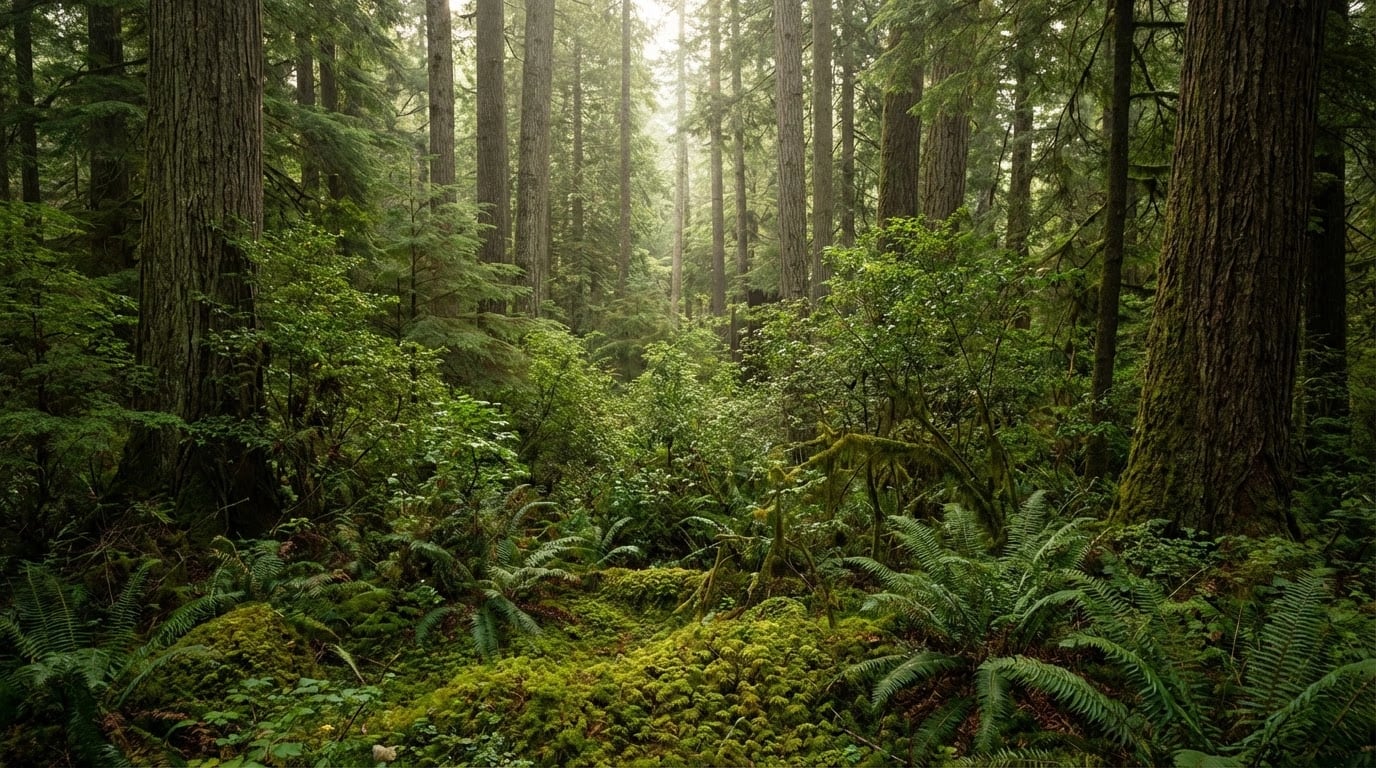
Understanding different types of plant ecosystems is essential for anyone interested in botany, ecology, or environmental science. Plant ecosystems are complex communities where vegetation thrives under specific environmental conditions, climate patterns, and soil compositions. Whether you’re a gardener, naturalist, or simply curious about the natural world, learning to identify these distinct environments will deepen your appreciation for plant diversity and help you understand how plants adapt to their surroundings.
Plant ecosystems are classified based on climate, precipitation, temperature, and soil characteristics. Each ecosystem supports unique plant communities perfectly adapted to those conditions. From tropical rainforests to desert shrublands, from temperate forests to arctic tundra, every ecosystem tells a story about the interplay between plants and their physical environment. Recognizing these patterns allows you to predict which plants will thrive in specific locations and understand the broader ecological relationships that sustain life on Earth.
Assess Climate and Weather Patterns
Your first step in identifying plant ecosystems is analyzing the climate where plants grow. Climate determines which plant species can survive in any given location. Observe annual precipitation levels, temperature ranges, humidity, and wind patterns. Tropical ecosystems receive abundant rainfall year-round and maintain warm temperatures consistently. Conversely, desert ecosystems experience minimal precipitation and extreme temperature fluctuations between day and night.
Record temperature data throughout seasons and note precipitation patterns. Does rainfall concentrate in specific months, or distribute evenly? Understanding how to grow tropical versus desert plants reveals how different climate conditions directly influence plant species selection and survival rates. Keep detailed notes on weather patterns you observe, as these physical conditions are the foundation of every ecosystem classification.
Examine Soil Composition and Moisture
Soil is the backbone of any terrestrial plant ecosystem. Conduct a simple soil analysis by examining texture, color, and moisture retention. Different plant communities require vastly different soil conditions. Acidic soils support certain plant species like rhododendrons and blueberries, while alkaline soils favor different vegetation. Wetland ecosystems maintain consistently moist or waterlogged soils, whereas grasslands feature well-drained, fertile soils with moderate organic matter.
Dig a small hole and observe soil layers, noting texture and composition. Is the soil sandy, clay-based, or loamy? How quickly does water drain? These characteristics directly determine which plant families thrive in specific soil conditions. Additionally, examine organic matter content, pH levels if possible, and the presence of minerals. Soil analysis provides crucial clues about ecosystem type and plant adaptations.


Observe Vegetation Types and Structure
Next, carefully observe the types and physical structure of vegetation present. Forests have tall, dense canopies with distinct layers: emergent trees, canopy, understory, and forest floor. Grasslands feature predominantly herbaceous plants with minimal woody vegetation. Shrublands display low-growing woody plants adapted to drought stress. Each ecosystem has characteristic vegetation structures that reflect adaptation to environmental conditions.
Identify dominant plant species in the area. Are large trees prevalent, or do small shrubs dominate? Document plant height, density, and distribution patterns. Look for evidence of human disturbance or natural factors affecting vegetation. Understanding plant evolution and adaptation strategies helps explain why certain vegetation structures emerge in specific ecosystems. Sketch the vegetation profile showing different layers and their relative proportions.
Identify Biodiversity and Plant Adaptations
Examine the diversity of plant species and note specific adaptations to environmental conditions. Tropical rainforests feature extraordinary biodiversity with thousands of species in small areas. Arctic tundras support limited species diversity but showcase remarkable cold-weather adaptations like low growth forms and seasonal flowering patterns. Count plant species variety and observe morphological adaptations such as leaf size, shape, thickness, and waxy coatings.
Therefore, documenting adaptations provides essential clues about ecosystem identity. Some plants develop deep root systems to access water in arid environments, while others produce large leaves to maximize photosynthesis in shaded forest understories. Learn about how plant diversity sustains ecosystem health, which demonstrates the interconnection between species adaptations and overall ecosystem functioning. Record specific adaptations you observe, as these reflect millions of years of evolutionary refinement.
Document Seasonal Changes and Growth Cycles
Finally, observe how plant ecosystems change seasonally. Deciduous forests drop leaves in fall and remain dormant through winter, while tropical rainforests maintain consistent vegetation year-round. Grasslands green explosively after seasonal rains, then dry dramatically. Desert ecosystems may remain relatively unchanged, or burst into flowering after rare precipitation events. Visit the same location multiple times across seasons to fully understand ecosystem dynamics.
Monitor growth patterns, flowering times, fruiting periods, and dormancy phases. Furthermore, seasonal changes reveal how plants strategically manage resources and reproduction in their specific environments. Keep a phenology journal documenting when plants leaf out, flower, fruit, and enter dormancy. This seasonal perspective completes your ecosystem identification puzzle. As you gain experience recognizing ecosystem patterns, you’ll develop an intuitive understanding of how climate, soil, vegetation, biodiversity, and seasonal cycles work together harmoniously. Visit our shop to explore beautiful botanical and landscape art that celebrates the diversity of plant ecosystems worldwide. Understanding these natural communities enhances appreciation for the botanical world depicted in art, connecting creative expression with ecological awareness.

|
joerussell Australian abstract artists based in Byron Bay and curator of the GumPrints art print collection. |
Leave a Reply