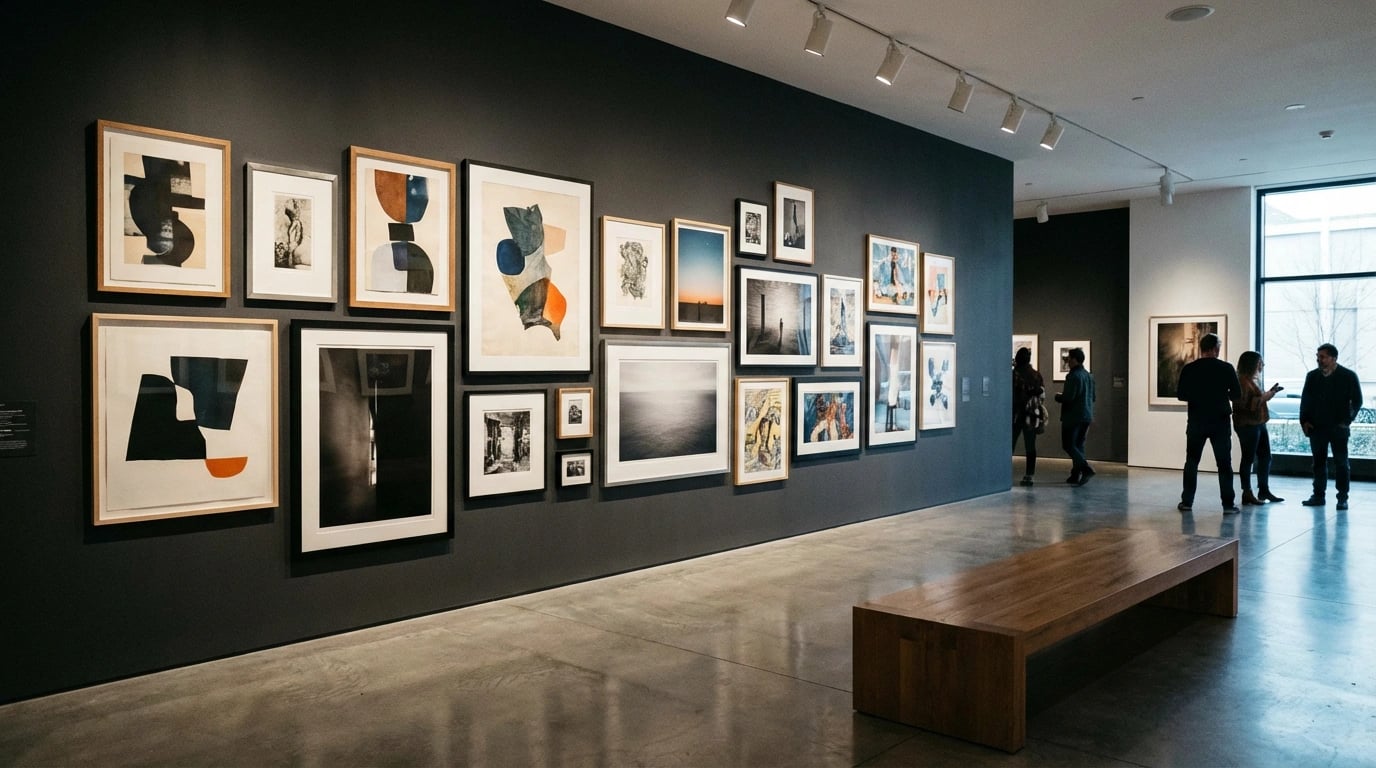
Transforming a blank wall into a captivating gallery space can seem daunting, especially when you’re unsure of how to achieve professional results. Understanding the proper techniques for hanging art prints makes the difference between a cluttered, unbalanced display and a sophisticated focal point that elevates your entire room. Whether you’re showcasing landscape art or abstract pieces, mastering the fundamentals ensures your artwork looks intentional and polished.
Professional art hanging relies on three core principles: proper height placement, correct spacing, and secure mounting techniques. The standard rule places artwork at eye level, approximately 57-60 inches from the floor to the center of the print. For gallery walls or multiple pieces, maintain consistent spacing of 2-3 inches between frames. Always use appropriate hanging hardware based on your wall type and artwork weight, ensuring secure installation that protects both your walls and valuable prints.
Essential Tools and Materials for Hanging Art
Before beginning your installation, assembling the right tools ensures a smooth process. The quality of your materials directly impacts both the ease of installation and the longevity of your display. Professional results require more than just a hammer and nail.
Every art hanging kit should include these fundamental items:
- Measuring tape and pencil for precise marking
- Laser level or traditional bubble level for alignment
- Appropriate wall anchors and picture hooks
- Hammer and/or screwdriver depending on hardware
- Stud finder for locating wall support beams
- Painter’s tape for marking positions without damage
Additionally, consider investing in specialty items like a picture hanging tool with built-in levels. These combination tools streamline the process significantly. Furthermore, keep felt bumpers on hand to protect walls from frame corners and prevent artwork from shifting over time.
Selecting the Right Hardware
Hardware selection depends on three factors: wall material, artwork weight, and frame type. Drywall requires different anchors than plaster or brick walls. Moreover, a lightweight print needs only a simple nail, while heavier framed pieces demand substantial support.
For prints under 10 pounds, standard picture hooks work well. However, artwork weighing 10-25 pounds requires toggle bolts or anchors. Consequently, anything heavier should ideally mount to wall studs using wood screws for maximum security.
Measuring and Planning Your Placement
Thoughtful planning prevents unnecessary wall damage and ensures optimal visual impact. Professional installers always measure twice and mark carefully before making any holes. This methodical approach saves time and frustration while delivering superior results.
The standard eye-level placement sits at 57-60 inches from the floor to the artwork’s center. This measurement aligns with museum and gallery standards, creating comfortable viewing angles. Nevertheless, adjust slightly based on ceiling height and furniture placement in the room.
The Mathematical Approach to Centering
Calculating exact placement requires simple mathematics. First, measure your artwork height and divide by two. Then, measure the distance from the frame’s top edge to the hanging hardware. Subtract this hardware measurement from the half-height number. Finally, add this result to 57 inches to find your wall marking point.
For example, a 24-inch tall print with hardware 2 inches below the top edge requires marking at 67 inches (12 + 57, minus the 2-inch hardware offset). Therefore, your nail or hook goes at precisely 67 inches from the floor. This calculation method works for any artwork size, as discussed in our guide to displaying art prints beautifully.
Planning Around Furniture and Architectural Features
Artwork positioned above furniture follows different guidelines. Generally, leave 6-8 inches between the furniture top and the frame’s bottom edge. This spacing creates visual connection while maintaining distinct separation between elements.
Additionally, consider architectural features like windows, doorways, and built-ins. Artwork should relate proportionally to these elements. Moreover, ensure adequate breathing room on all sides, preventing cramped or cluttered appearances that diminish visual impact.
Wall-Specific Hanging Techniques
Different wall materials demand specialized approaches for secure mounting. Understanding your wall composition prevents damage and ensures artwork stays safely in place. The wrong hardware on the wrong surface leads to frustrating failures and potential damage to both walls and artwork.
Standard drywall covers most modern homes, offering relatively straightforward installation. However, older homes may feature plaster, while apartments might have concrete or brick. Each material requires specific consideration and appropriate mounting solutions.
Drywall Installation Methods
Drywall provides the simplest installation surface when using appropriate hardware. For lightweight prints, angled picture hooks hammer directly into the drywall. The angled design distributes weight effectively across the wall surface, preventing pull-through failures.
Heavier pieces require anchors that expand behind the drywall. Plastic anchors work for medium weights, while toggle bolts provide maximum holding power. Nevertheless, the strongest option always involves locating studs with a stud finder and screwing directly into these wooden support beams.
Working with Plaster Walls
Plaster walls demand extra caution due to their brittle nature. Pre-drilling small pilot holes prevents cracking and crumbling. Use masonry bits at low speed, advancing slowly to minimize vibration damage. Furthermore, specialized plaster hooks distribute weight across larger surface areas than standard nails.
According to This Old House experts, traditional picture rail molding offers an excellent alternative for historic homes. These systems eliminate the need for wall penetrations entirely while providing flexible hanging options.
Masonry and Concrete Solutions
Brick and concrete require specialized masonry anchors and appropriate drilling equipment. A hammer drill with masonry bits creates clean holes without excessive wall damage. Insert plastic or metal masonry anchors, then secure screws into these anchors for solid holding power.
Alternatively, adhesive strips designed for heavy-duty applications eliminate drilling entirely. These products work well for renters or those hesitant about permanent wall modifications. However, always check weight limits and follow manufacturer instructions precisely for reliable results.
Hanging a Single Large Artwork
Step 1: Prepare Your Workspace and Tools
Clear the wall area and gather all necessary tools. Place a drop cloth below to protect flooring from debris. Have your measuring tape, level, pencil, and appropriate hardware within easy reach. Additionally, enlist a helper for larger, heavier pieces to prevent accidents and enable easier positioning.
Step 2: Mark Your Center Point
Measure the wall width and mark the center point lightly with pencil. Then, measure 57-60 inches from the floor and mark this height at your center point. This intersection becomes your artwork’s center reference, similar to techniques used when considering large wall art ideas for home decor.
Step 3: Calculate Hardware Placement
Measure your artwork dimensions and the distance from the top edge to the hanging hardware. Use the mathematical formula provided earlier to determine where your wall hook should sit. Mark this point clearly, then use your level to ensure perfect horizontal alignment.
Step 4: Install the Hanging Hardware
Install your chosen hardware at the marked location, ensuring it’s appropriate for your wall type and artwork weight. For drywall, angle picture hooks in an upward direction for maximum holding strength. Consequently, test the hardware before hanging your artwork by gently pulling downward to confirm secure attachment.
Step 5: Hang and Level Your Artwork
Carefully lift your artwork onto the installed hardware. Use your level across the frame’s top edge to check horizontal alignment. Make minor adjustments as needed, then step back to assess the overall positioning. Moreover, attach felt bumpers to the bottom corners to protect your wall and maintain level positioning over time.
Creating Gallery Wall Arrangements
Gallery walls transform multiple smaller prints into cohesive artistic statements. However, achieving professional results requires careful planning and consistent spacing. The complexity increases with each additional piece, making templates and mockups essential for success.
Start by creating paper templates matching your frame sizes. Use painter’s tape to arrange these templates on the wall, experimenting with different configurations. This non-destructive approach lets you visualize the final result before making any permanent holes. Furthermore, photograph different arrangements to compare options easily.
Spacing and Arrangement Principles
Maintain consistent spacing between all frames, typically 2-3 inches throughout the arrangement. This uniform spacing creates visual cohesion across diverse frame sizes and artwork styles. Nevertheless, some designers prefer slightly wider spacing of 3-4 inches for more breathing room, especially when showcasing pieces from quality landscape art print collections.
Consider the overall shape of your gallery wall arrangement. Grid layouts offer formal symmetry, while organic salon-style arrangements feel more casual and eclectic. Additionally, establish a common alignment element, such as keeping all bottom edges aligned or centering around a horizontal or vertical axis.
Installation Sequence for Gallery Walls
Always start with the central or largest piece as your anchor point. Install this first using the single-artwork technique described earlier. Then, work outward systematically, maintaining your predetermined spacing. Use your level constantly to ensure each piece hangs straight relative to others.
Professional installers often use a laser level projected horizontally across the wall. This provides a constant reference line for alignment throughout the installation process. Consequently, all artwork maintains perfect horizontal relationship regardless of individual frame quirks or wall irregularities. Browse through our print collection to find pieces that work beautifully together in gallery arrangements.
Common Mistakes to Avoid
Even experienced decorators occasionally make preventable errors that compromise their results. Recognizing these common pitfalls helps you achieve professional outcomes on your first attempt. Small mistakes create frustration, while major errors damage walls or artwork permanently.
Hanging artwork too high ranks as the most frequent mistake. Many people instinctively place art higher than optimal, creating uncomfortable viewing angles. Remember the 57-60 inch center height guideline applies in most situations. However, adjust slightly for rooms where people primarily sit, lowering artwork a few inches for better sightlines.
Hardware and Weight Issues
Using inadequate hardware for artwork weight causes both immediate and long-term problems. A small nail might hold initially but fails over time as wall material degrades around it. Always err on the side of overbuilding your support system, especially for valuable or irreplaceable pieces.
Additionally, neglecting to account for glass weight leads to failures. Framed prints with glass weigh significantly more than the paper alone. Therefore, factor in the complete weight including frame, matting, glass, and backing when selecting hardware and anchors.
Ignoring Environmental Factors
Placing artwork in direct sunlight causes fading and damage over time. Similarly, hanging prints near heating vents or in humid bathrooms accelerates deterioration. Consider environmental conditions when selecting locations, prioritizing preservation alongside aesthetic concerns, particularly with pieces highlighting elements of great landscape art.
Furthermore, avoid hanging valuable artwork on exterior walls in climates with extreme temperature fluctuations. These walls experience greater temperature and humidity variations that stress paper and canvas. Interior walls provide more stable conditions for long-term preservation.
Maintenance and Long-Term Care
Properly hung artwork still requires periodic attention to maintain optimal appearance and security. Regular inspection catches problems early before they escalate into damage or safety hazards. Moreover, simple maintenance extends the life of both your artwork and wall surfaces.
Check hanging hardware every six months, especially for heavier pieces. Gently test for any looseness or degradation in the mounting system. Tighten loose screws immediately and replace any hardware showing signs of stress or corrosion. Additionally, verify that artwork remains level, adjusting as needed.
Cleaning and Dusting Best Practices
Dust accumulates on frames and glass surfaces, diminishing visual impact over time. Use a soft, dry microfiber cloth for regular dusting, working gently to avoid scratching glass or damaging frames. For glass cleaning, spray cleaner on the cloth rather than directly on the glass to prevent liquid seeping behind the glazing.
Never clean the artwork itself without professional guidance. Paper prints are particularly vulnerable to damage from moisture and cleaning products. Therefore, if the print requires cleaning, consult a professional art conservator rather than attempting DIY solutions.
Adjusting and Repositioning
Artwork naturally shifts slightly over time due to vibrations, temperature changes, and settling. Check alignment periodically using your level, making minor adjustments as needed. Keep those felt bumpers fresh, replacing them when adhesion weakens to maintain protection and positioning.
When relocating artwork to different walls, patch previous holes properly before painting. Use spackling compound for small nail holes, sanding smooth when dry. This attention to detail maintains wall condition and provides a fresh canvas for your next arrangement, especially when matching art decor for every room.
Seasonal Considerations
Seasonal humidity changes affect both artwork and hanging hardware. During humid months, paper expands slightly and hardware may loosen as walls absorb moisture. Conversely, dry winter air causes contraction. Monitor your installation more closely during seasonal transitions, making adjustments as necessary.
Consider using a room humidifier or dehumidifier to maintain stable conditions year-round. Optimal relative humidity for artwork preservation ranges between 40-50%. This stability protects your prints while also benefiting other home furnishings and occupant comfort.
Mastering the art of hanging prints professionally transforms your home into a curated gallery space. By following proper measurement techniques, selecting appropriate hardware, and maintaining your installations regularly, you ensure beautiful, secure displays that enhance your décor for years to come. Remember that practice builds confidence—each piece you hang reinforces these skills and improves your results. Start with these fundamental techniques, and soon you’ll approach every blank wall as an opportunity for creative expression rather than a daunting challenge.

|
joerussell Australian abstract artists based in Byron Bay and curator of the GumPrints art print collection. |
Leave a Reply