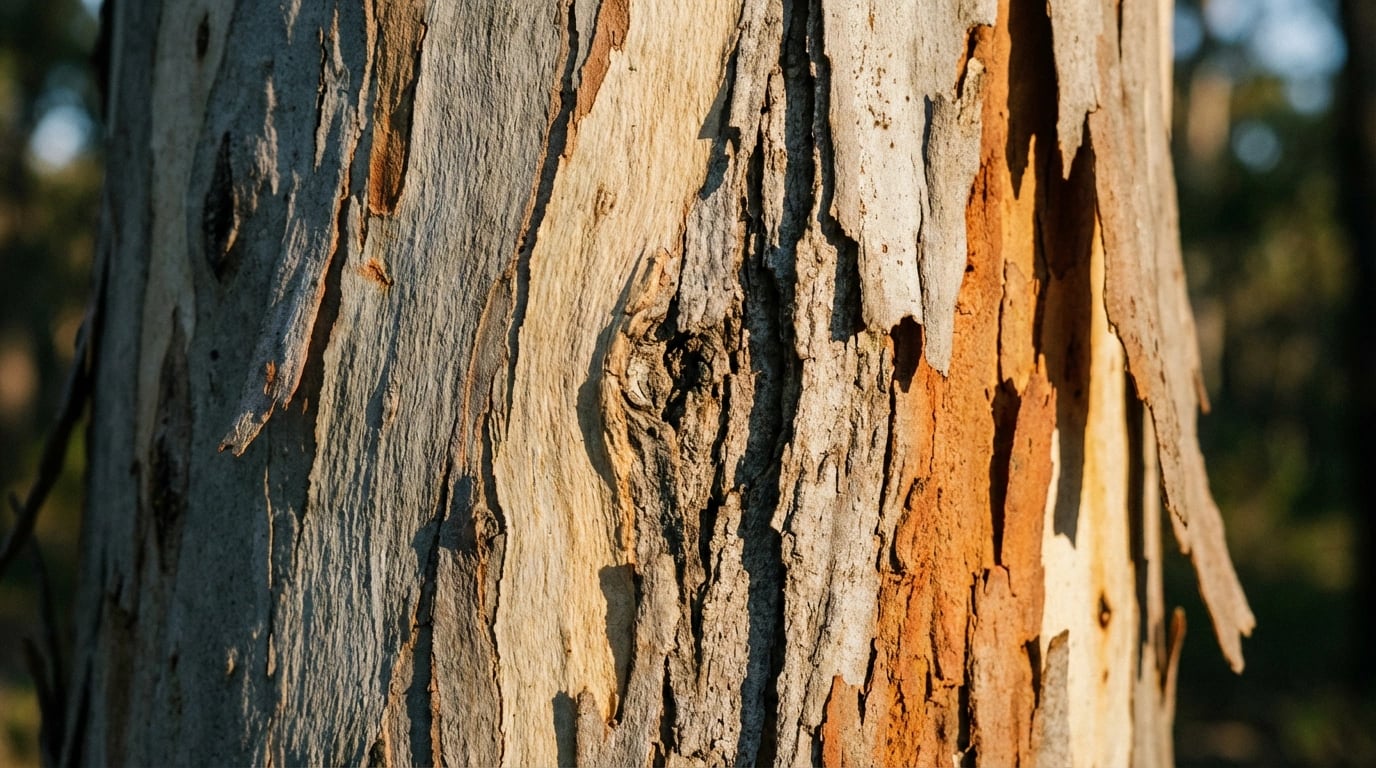
The Australian landscape owes much of its distinctive character to the gum tree, a symbol so deeply woven into the nation’s identity that it has inspired generations of artists, botanists, and conservationists. Recent developments in conservation policy and scientific research are reshaping our understanding of native eucalyptus species, with significant implications for both environmental management and the creative communities that draw inspiration from these remarkable trees.
In March 2024, the Commonwealth Scientific and Industrial Research Organisation (CSIRO) released findings from their comprehensive National Eucalyptus Diversity Project, revealing that Australia harbours over 900 distinct eucalyptus species—more than previously documented. Furthermore, recent conservation efforts by Greening Australia and the Australian Conservation Foundation have successfully established new protected corridors across New South Wales and Victoria, specifically targeting threatened gum tree populations. These developments matter because they not only preserve ecological diversity but also ensure future generations of artists and nature enthusiasts can continue drawing from this living palette of forms, colours, and textures that define the Australian aesthetic.
Conservation Breakthroughs Reshaping Gum Tree Futures
The landscape of eucalyptus conservation changed dramatically in late 2023 when the Australian Government announced a $47 million funding package through the National Landcare Program, specifically targeting the restoration of degraded gum tree habitats. This initiative, coordinated by Parks Australia in partnership with state conservation agencies, represents the largest single investment in eucalyptus preservation in Australian history.
Moreover, the establishment of the Great Eastern Ranges corridor project has created a connected network of protected habitats stretching from Queensland to Victoria. This ambitious undertaking, spearheaded by the Great Eastern Ranges Initiative and supported by organisations including Bush Heritage Australia, directly benefits numerous eucalyptus species that were previously isolated in fragmented pockets of remnant bushland.
Dr Sarah Mitchell from the Australian National University’s Fenner School of Environment and Society explained in a February 2024 interview with Australian Geographic that these corridors are “absolutely essential for genetic diversity.” Consequently, the improved connectivity allows for natural seed dispersal and strengthens the resilience of gum tree populations against environmental pressures. For those interested in cultivating healthy eucalyptus specimens, understanding these natural patterns proves invaluable.
Regional Success Stories
Victoria’s Box-Ironbark forests have emerged as a conservation success story. Between January 2023 and March 2024, the Victorian Government’s Biodiversity 2037 program successfully revegetated over 2,800 hectares with native eucalyptus species, including the threatened Yellow Gum (Eucalyptus leucoxylon) and Grey Box (Eucalyptus microcarpa). Additionally, community participation reached unprecedented levels, with over 1,200 volunteers contributing to planting activities across the region.
Scientific Discoveries Unveiling Hidden Diversity
The CSIRO’s groundbreaking research, published in the journal Australian Systematic Botany in March 2024, utilised advanced DNA sequencing techniques to identify previously unrecognised eucalyptus species. This work, led by Dr James Patterson and his team at the Australian Tree Seed Centre, revealed that several populations previously classified as varieties were actually distinct species with unique genetic signatures.
Furthermore, researchers at the Royal Botanic Gardens Victoria discovered three new eucalyptus species in remote areas of Tasmania and Western Australia. These findings underscore how much remains unknown about Australia’s botanical heritage despite centuries of study. The research team employed drone technology combined with DNA barcoding techniques to access previously unexplored terrain, revealing hidden populations in challenging landscapes.
The implications extend beyond scientific classification. Each newly recognised species possesses unique characteristics—distinct bark textures, leaf morphologies, and flowering patterns—that offer fresh inspiration for artists and designers. Indeed, the subtle variations between closely related species provide an expanded vocabulary for creative expression, as demonstrated in contemporary eucalyptus-inspired artwork.
Mapping the Eucalyptus Genome
In a parallel development, the Eucalyptus Genome Network, an international collaboration headquartered at the University of Queensland, completed comprehensive genome mapping for 150 eucalyptus species by December 2023. This achievement enables scientists to understand evolutionary relationships with unprecedented clarity. Therefore, conservation priorities can now be established based on genetic uniqueness rather than superficial similarities.
Artistic Implications of Species Recognition
The expanding catalogue of recognised gum tree species directly impacts the artistic community. Artists working in botanical art traditions now have access to documented diversity that was previously obscured within broad species groupings. This specificity enriches both scientific illustration and interpretive artistic practices.
Melbourne-based botanical illustrator Emma Fitzgerald noted in her April 2024 exhibition at the National Gallery of Victoria that “understanding species distinctions transforms how we observe and represent these trees.” Her detailed watercolour studies highlight the minute differences between related species—variations in bud caps, fruit morphology, and leaf venation patterns that were historically overlooked. Those exploring watercolour techniques for eucalyptus subjects benefit from this enhanced botanical literacy.
Similarly, the contemporary art market has responded to heightened ecological awareness. Gallery exhibitions in Sydney, Melbourne, and Perth throughout 2024 have featured increased representation of specific eucalyptus species rather than generic “gum tree” depictions. This shift reflects both scientific advancement and cultural recognition of biodiversity’s intrinsic value.
Digital Resources for Artists
The Atlas of Living Australia launched an enhanced digital platform in January 2024, providing high-resolution imagery and distribution maps for all documented eucalyptus species. This freely accessible resource enables artists to accurately represent species-specific characteristics and understand regional variations. Consequently, artistic representations gain both aesthetic and educational value. Artists and enthusiasts can explore these resources alongside curated art collections that celebrate Australian native flora.
Climate Adaptation and Gum Tree Resilience
Climate change presents both challenges and opportunities for Australian native gum tree species. Research conducted by the Climate Adaptation Flagship, published in February 2024, identified several eucalyptus species demonstrating remarkable drought tolerance and heat resistance. These findings have significant implications for landscape restoration and urban greening initiatives.
The City of Adelaide’s Urban Forest Strategy, updated in March 2024, now prioritises climate-resilient eucalyptus species for street tree planting. Species such as the South Australian Blue Gum (Eucalyptus leucoxylon) and the Desert Red Gum (Eucalyptus camaldulensis) feature prominently in the revised planting palette. Similarly, other Australian cities are revising their urban forestry approaches based on emerging climate data.
However, not all species demonstrate equal resilience. The Australian Network for Plant Conservation released a concerning report in April 2024 identifying 47 eucalyptus species facing heightened extinction risk due to changing rainfall patterns and increased fire frequency. This reality underscores the urgency of conservation efforts and the importance of documenting vulnerable species before potential losses occur.
Assisted Migration Controversies
The concept of assisted migration—deliberately relocating species beyond their historical ranges to more climatically suitable habitats—has sparked heated debate within Australian conservation circles throughout 2024. While some scientists advocate for proactive translocation of threatened eucalyptus populations, others caution against potentially disruptive ecological interventions. This ongoing discussion will likely shape conservation policy for years to come.
The Future of Australia’s Living Canvas
Looking forward, the intersection of scientific discovery, conservation action, and artistic interpretation promises an enriched relationship with Australian native gum trees. The expanded species recognition provides opportunities for more nuanced ecological management and more sophisticated artistic engagement with these iconic trees.
Furthermore, citizen science initiatives are democratising botanical knowledge. Programs such as iNaturalist Australia and the Australian Botanic Garden’s Eucalyptus Identification Project encourage public participation in species documentation. Between January 2023 and March 2024, citizen scientists contributed over 18,000 verified eucalyptus observations, significantly expanding distribution data for numerous species. For those interested in cultivating their own eucalyptus collections, these resources provide valuable regional information.
The artistic community continues adapting to this expanding knowledge base. Educational institutions, including the National Art School in Sydney and the Victorian College of the Arts, have incorporated updated botanical content into their curricula. Students now learn species-specific characteristics alongside traditional artistic techniques, resulting in work that bridges scientific accuracy and creative expression.
In conclusion, the developments of 2023-2024 mark a pivotal moment for Australian eucalyptus species. Scientific advances reveal previously hidden diversity, conservation initiatives establish protective frameworks, and artistic communities respond with increasingly sophisticated representations. These interconnected trends ensure that gum trees will continue serving as nature’s living ink palette—a source of inspiration, ecological services, and national identity for generations ahead. The journey of discovery continues, inviting ongoing participation from scientists, conservationists, artists, and all who recognise the profound value of these remarkable trees as artistic muses.

|
joerussell Australian abstract artists based in Byron Bay and curator of the GumPrints art print collection. |
Leave a Reply