Gum nut art represents a captivating and distinctive form of botanical artistic expression that celebrates the natural beauty of Australia’s eucalyptus trees. This unique art form combines traditional artistic techniques with the intricate details found in gum nuts—the woody seed capsules produced by gum trees. From watercolor paintings to contemporary abstract interpretations, gum nut art has emerged as a beloved subject for both professional artists and enthusiasts seeking to incorporate Australian native flora into their creative work and home décor.
Gum nut art encompasses a diverse range of artistic styles and mediums, each offering its own interpretation of these fascinating botanical subjects. Whether you’re drawn to realistic botanical illustrations, modern minimalist designs, or vibrant abstract compositions, gum nut art provides endless creative possibilities. The appeal of this art form lies in its ability to capture the delicate texture, organic geometry, and subtle color variations found in nature, making it an excellent choice for those seeking meaningful and culturally significant artwork that brings a touch of Australian wilderness into their living spaces.
Understanding Gum Nut Art and Its Origins
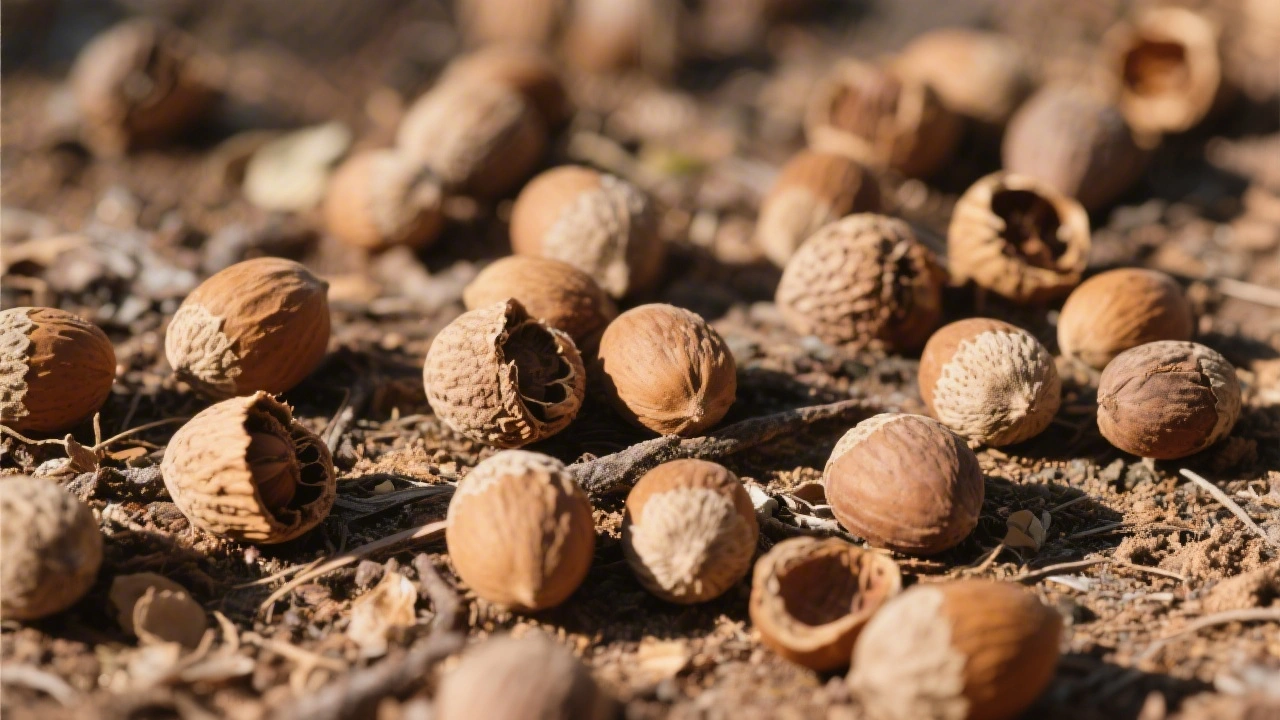
Gum nut art has deep roots in Australian artistic tradition and botanical illustration. Gum trees serve as nature’s living ink palette, offering artists an remarkable subject matter rich in visual complexity. The eucalyptus tree, commonly known as the gum tree, produces distinctive seed capsules that have inspired artists for centuries. These botanical forms possess an inherent aesthetic appeal—their sculptural quality, intricate surface patterns, and natural color palette make them ideal subjects for artistic exploration and interpretation.
The history of gum nut art is intertwined with Australia’s colonial artistic heritage. Early European settlers arriving in Australia were fascinated by the unique flora they encountered, and gum nuts became increasingly popular subjects in botanical art and scientific illustration. Over time, this interest evolved beyond purely scientific documentation into fine art expression. Gum trees have challenged and inspired artists throughout history, presenting unique technical and aesthetic challenges that continue to captivate contemporary creators.
Today, gum nut art has expanded to encompass modern artistic movements while maintaining respect for traditional botanical representation. Gum trees reimagined across seven stunning art styles demonstrates the versatility of this subject matter. Artists now approach gum nuts from perspectives ranging from photorealism to complete abstraction, proving that these humble botanical forms possess extraordinary potential for creative expression and contemporary interpretation.
The Artistic Techniques Behind Gum Nut Art
Creating compelling gum nut art requires mastering various artistic techniques and mediums. Watercolor remains one of the most popular approaches for gum nut artists, offering translucent layers that beautifully capture the subtle tonal variations found in natural specimens. Watercolor eucalyptus techniques capture silvery branches with remarkable delicacy, allowing artists to convey the luminous quality characteristic of many gum tree specimens. The medium’s fluid nature enables artists to create organic, flowing compositions that echo the natural growth patterns of these botanical forms.
Beyond traditional watercolor, artists employ diverse techniques to express their vision of gum nuts:
- Detailed pencil and graphite rendering for intricate botanical studies
- Oil painting for rich color depth and texture
- Mixed media combinations blending collage with paint
- Digital art and photography-based interpretations
- Printmaking techniques including etching and lithography
- Abstract approaches emphasizing color and form over realism
The choice of technique significantly influences the final artwork’s character and impact. Artists often combine multiple approaches to achieve their desired aesthetic. Understanding painting eucalyptus and nature’s hidden geometry helps contemporary artists appreciate the mathematical and structural elements inherent in these botanical subjects, enabling them to create more compelling and visually sophisticated compositions.
Incorporating Gum Nut Art Into Your Home
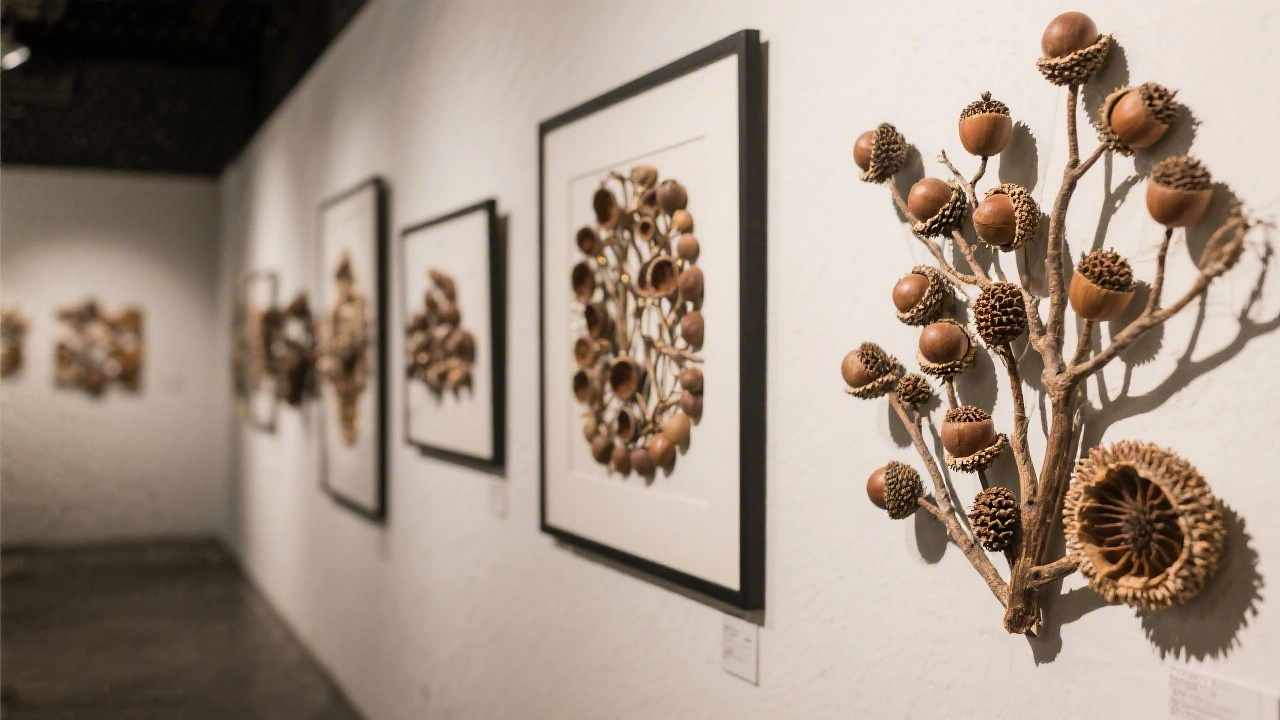
Gum nut art offers exceptional versatility for interior design applications. Whether you’re decorating a living room, bedroom, office, or dining space, these artworks bring natural beauty and cultural significance into your environment. Landscape art for living rooms provides guidance on incorporating natural subjects into home spaces, principles that apply equally well to gum nut art selection and placement. The neutral color palettes commonly found in gum nut artwork—soft grays, muted greens, warm browns, and creamy whites—allow these pieces to complement virtually any existing décor scheme.
When selecting gum nut art for your home, consider these essential factors:
- Room size and available wall space
- Existing color palette and design aesthetic
- Lighting conditions in the intended space
- Your personal artistic preferences and style
- The artwork’s subject matter and mood
- Frame style and material compatibility
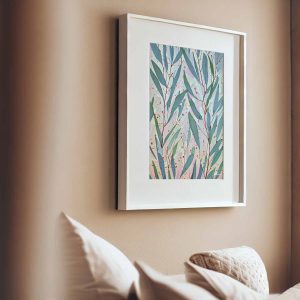
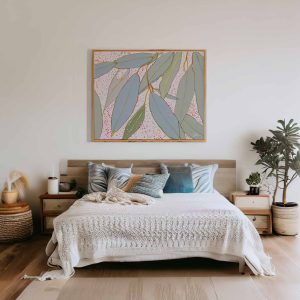
Gum nut art works particularly well in bedrooms seeking to establish calming, nature-inspired environments. The organic forms and soft color palettes promote relaxation and create visual interest without overwhelming the senses. In living areas, larger gum nut compositions become focal points that spark conversation and connection to Australian cultural heritage. Eucalyptus prints offer exceptional versatility for interior design applications, bridging botanical authenticity with contemporary aesthetic sensibilities.
Choosing and Displaying Gum Nut Artwork
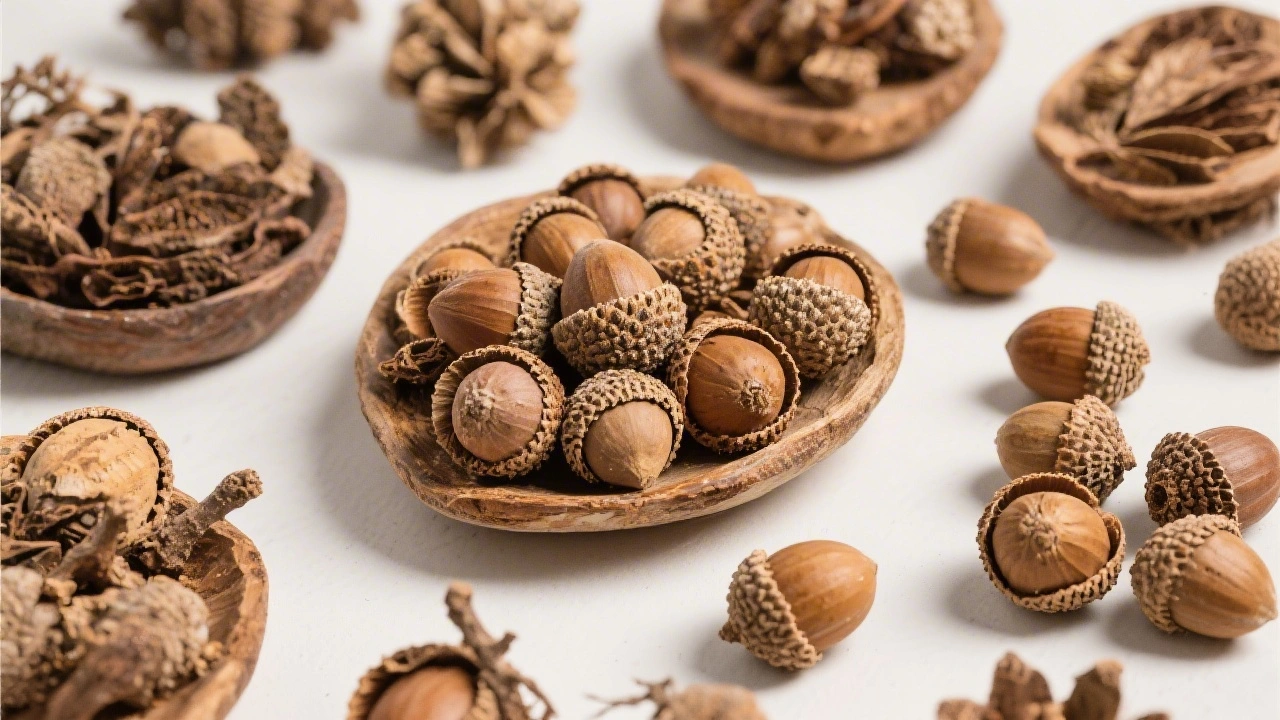
Selecting quality gum nut art requires understanding what distinguishes exceptional pieces from mediocre reproductions. Essential tips for buying art prints guide collectors toward informed purchasing decisions, helping you evaluate artistic merit, technical skill, and overall value. Look for artwork demonstrating careful attention to botanical detail, sophisticated color harmony, and compelling composition. Visit our curated shop collection to explore professionally selected gum nut art options that meet rigorous quality standards.
Proper display significantly enhances your gum nut artwork’s impact and longevity. Professional guidance on hanging art prints ensures optimal presentation and preservation of your valuable pieces. Position artwork at eye level in well-lit areas where it receives appropriate illumination without direct sunlight exposure that could cause fading. Consider framing choices carefully—simple, elegant frames in natural wood tones, black, or white typically complement gum nut art beautifully while allowing the botanical subject matter to remain the focal point.
For those seeking comprehensive guidance on art selection and display, learn how to display art prints beautifully and effectively, incorporating principles that preserve artwork condition while maximizing visual impact. Whether you’re building your first art collection or expanding an existing one, gum nut art offers meaningful, beautiful options that celebrate Australia’s distinctive natural heritage. Learn more about eucalyptus trees on Wikipedia to deepen your appreciation for the botanical subjects inspiring this remarkable art form.

|
joerussell Australian abstract artists based in Byron Bay and curator of the GumPrints art print collection. |
Leave a Reply