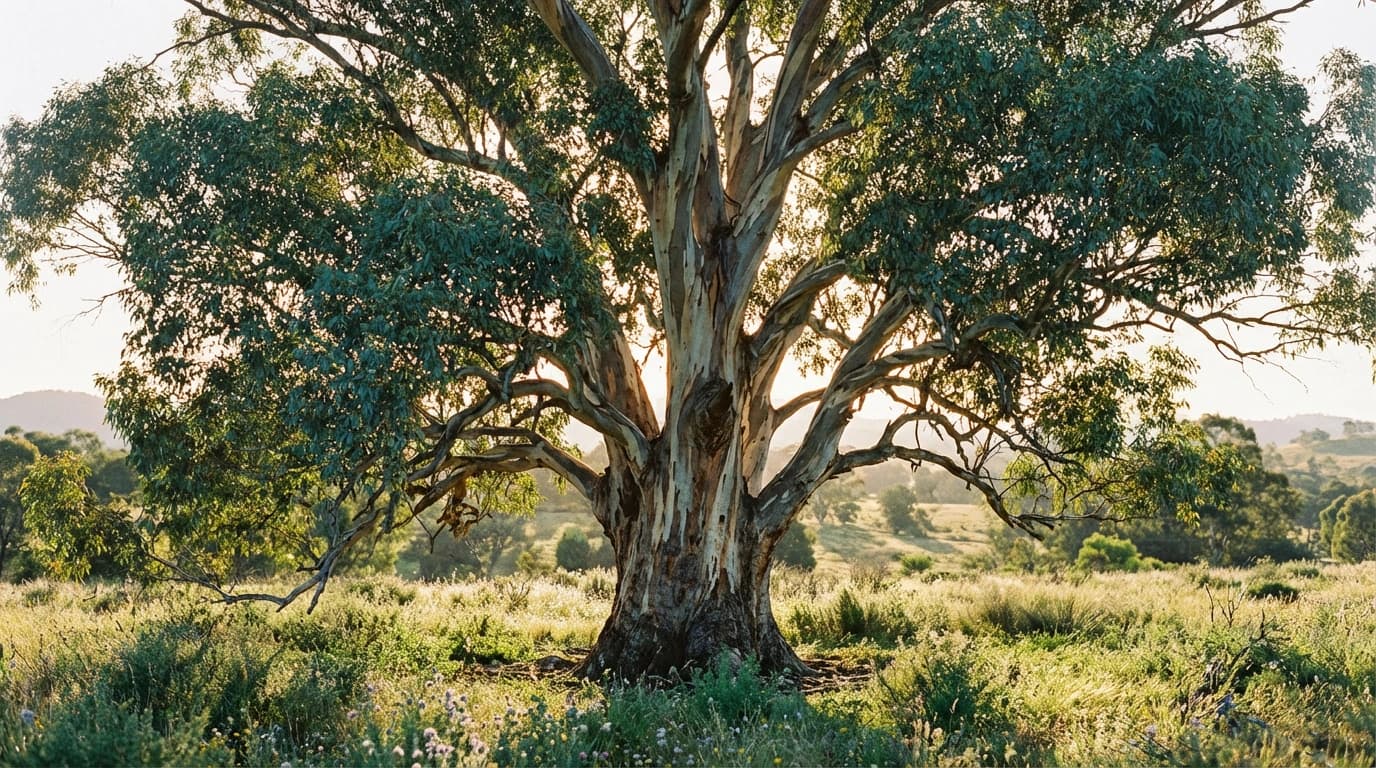
Growing eucalyptus in your Australian garden brings an authentic touch of native beauty whilst supporting local wildlife and the environment. These iconic gum trees offer year-round interest with their distinctive aromatic foliage, striking bark patterns and graceful form. Whether you’re planting a towering forest red gum or a compact dwarf variety for a container, understanding the fundamentals of eucalyptus cultivation ensures your trees thrive for generations.
Successfully cultivating eucalyptus requires matching the right species to your climate, providing excellent drainage, and understanding their unique growth habits. Most species prefer full sun exposure, minimal fertilisation, and infrequent deep watering once established. The key lies in replicating their natural Australian habitat conditions – poor soils, plenty of light, and good air circulation. With proper site selection and minimal intervention, eucalyptus plants become remarkably low-maintenance additions to your landscape.
Choosing the Right Eucalyptus Species
Selecting an appropriate species represents the most critical decision in your eucalyptus growing journey. Australia boasts over 700 eucalyptus species, each adapted to specific climatic conditions and soil types. Consider your available space carefully, as some species reach heights exceeding 40 metres whilst others remain compact shrubs under three metres.
For cooler climates, species like Eucalyptus pauciflora (Snow Gum) and Eucalyptus dalrympleana (Mountain Gum) tolerate frost and snow. Conversely, tropical regions suit species such as Eucalyptus miniata (Darwin Woollybutt). Coastal gardeners should explore salt-tolerant varieties including Eucalyptus robusta (Swamp Mahogany).
Furthermore, consider the ornamental qualities that appeal to you. Some gardeners favour species with visually striking foliage perfect for artistic displays, whilst others prioritise flowering characteristics or decorative bark patterns. Research the mature dimensions, growth rate, and maintenance requirements before purchasing.
Popular Species for Home Gardens
- Eucalyptus gunnii (Cider Gum) – Hardy, compact growth with silvery-blue juvenile foliage
- Eucalyptus cinerea (Silver Dollar Gum) – Prized for its rounded, aromatic leaves
- Eucalyptus leucoxylon (Yellow Gum) – Spectacular pink or white flowers
- Eucalyptus caesia (Gungurru) – Stunning weeping habit with large pink flowers
- Eucalyptus torquata (Coral Gum) – Compact size ideal for smaller gardens
Site Selection and Soil Preparation
Eucalyptus plants demand full sun exposure to develop their characteristic form and vigour. Choose a location receiving at least six hours of direct sunlight daily. Additionally, ensure adequate spacing from buildings, as extensive root systems may interfere with foundations and underground services. Most species develop large canopies requiring considerable clearance.
Soil drainage represents the paramount concern when establishing eucalyptus. These Australian natives evolved in nutrient-poor soils with excellent drainage, making them particularly susceptible to root rot in waterlogged conditions. Heavy clay soils require amendment with coarse sand and organic matter to improve drainage significantly.
Preparing Your Planting Site
Begin by testing your soil pH, aiming for slightly acidic to neutral conditions between 5.5 and 7.0. Meanwhile, incorporate aged compost or well-rotted manure sparingly – excessive organic matter can harm eucalyptus. Dig a hole twice the width of your root ball but no deeper, as planting too deeply encourages stem rot.
If drainage concerns persist, consider constructing raised mounds or beds. This technique proves particularly effective in regions with high rainfall or naturally heavy soils. The Australian Department of Agriculture and Water Resources provides valuable guidance on soil management for native species.
Planting Your Eucalyptus
Timing significantly influences establishment success. In temperate regions, plant during autumn or early spring when temperatures remain moderate and rainfall more reliable. However, avoid planting during extreme weather periods, as young eucalyptus struggle with temperature stress whilst establishing root systems.
Step-by-Step Planting Process
First, thoroughly water your potted eucalyptus several hours before planting. Consequently, the root ball remains intact during transplanting, minimising shock. Carefully remove the plant from its container, gently teasing out circling roots without damaging the root system excessively.
Position the plant so the root collar sits level with the surrounding soil surface. Backfill with excavated soil, firming gently to eliminate air pockets whilst avoiding compaction. Create a shallow watering basin around the plant extending to the drip line. Apply a thorough initial watering, allowing moisture to penetrate deeply.
Staking proves unnecessary for most eucalyptus plantings unless exposed to strong winds. If required, use flexible ties and remove stakes within twelve months to encourage natural trunk strength development. Much like the magnificent specimens that inspire Australian artists, your tree will develop character through natural movement and growth.
Watering and Fertilising Requirements
Newly planted eucalyptus require consistent moisture during their first growing season whilst establishing extensive root systems. Water deeply once or twice weekly, adjusting for rainfall and temperature. Deep, infrequent watering encourages roots to penetrate deeply rather than remaining shallow and vulnerable.
Once established after approximately twelve months, most eucalyptus tolerate extended dry periods remarkably well. Indeed, overwatering established trees causes more problems than underwatering. During severe drought, provide occasional deep watering to prevent excessive stress, particularly for younger specimens under five years old.
Fertilisation Guidelines
Eucalyptus evolved in nutrient-poor Australian soils, therefore requiring minimal fertilisation compared to exotic species. Excessive nutrients, particularly phosphorus, prove toxic to many eucalyptus species. Avoid phosphorus-rich fertilisers entirely, as they damage root systems and reduce nutrient uptake efficiency.
If growth appears slow or foliage pale, apply a low-phosphorus native plant fertiliser sparingly during spring. Alternatively, a light application of aged compost around the root zone provides gentle nutrition. Generally, established eucalyptus growing in reasonable soil require no supplementary feeding whatsoever.
Pruning and Ongoing Maintenance
Eucalyptus naturally develop attractive forms with minimal intervention. However, strategic pruning enhances shape, manages size, and encourages the silvery juvenile foliage prized by florists and artists. Moreover, certain species respond remarkably well to coppicing – cutting back to ground level to produce multiple stems with abundant juvenile leaves.
Pruning Techniques for Healthy Growth
Conduct formative pruning during late winter or early spring before active growth commences. Remove dead, damaged, or crossing branches using clean, sharp tools. For species grown specifically for foliage production, regular tip pruning encourages bushy growth and maintains juvenile leaf characteristics favoured in botanical art compositions.
Young trees benefit from removing lower branches gradually as they mature, creating clear trunk space. Nevertheless, avoid removing more than one-quarter of the canopy in any single session. Heavy pruning stresses trees unnecessarily and may stimulate excessive epicormic growth.
Mulching proves beneficial for moisture retention and temperature moderation. Apply organic mulch in a doughnut shape around the tree, keeping material away from the trunk to prevent collar rot. Refresh mulch annually, maintaining a depth of approximately 75-100 millimetres.
Troubleshooting Common Issues
Despite their general hardiness, eucalyptus occasionally experience problems requiring attention. Recognising symptoms early enables prompt intervention, preventing minor issues from becoming serious threats. Most problems stem from unsuitable growing conditions rather than pests or diseases.
Yellowing Foliage
Chlorotic or yellowing leaves typically indicate overwatering, poor drainage, or nutrient imbalances. Check soil moisture levels and ensure adequate drainage. Alternatively, phosphorus toxicity causes similar symptoms, particularly if inappropriate fertilisers have been applied. Consequently, cease all fertilisation and improve drainage immediately.
Pest Management
Eucalyptus rarely suffer serious pest damage in their native range. Psyllids occasionally cause leaf distortion, whilst Christmas beetles may defoliate young trees. Generally, healthy vigorous trees tolerate pest damage without intervention. Avoid chemical pesticides that harm beneficial insects and native wildlife.
Possums and koalas browsing foliage indicate you’ve created valuable habitat. Whilst browsing occasionally appears severe, established trees recover readily. Physical barriers protect particularly vulnerable young specimens if necessary.
Environmental Stress
Drought stress manifests as wilting foliage and premature leaf drop. Provide supplementary watering during extended dry periods. Conversely, waterlogged conditions cause similar symptoms alongside fungal issues. Improving drainage addresses waterlogging problems effectively.
The artistic beauty of eucalyptus extends beyond living specimens. Many enthusiasts discover creative inspiration through capturing their elegant forms in watercolour paintings or exploring various artistic interpretations of gum trees. Browse our curated collection of eucalyptus-inspired artwork to celebrate these magnificent Australian icons.
Successfully growing eucalyptus transforms your garden into a thriving native ecosystem whilst celebrating Australia’s botanical heritage. By selecting appropriate species, providing excellent drainage, and respecting their minimal care requirements, your eucalyptus will flourish for decades. These resilient trees reward patient gardeners with year-round beauty, distinctive fragrance, and invaluable habitat for native wildlife. Start your eucalyptus growing journey today and experience the satisfaction of nurturing these iconic Australian treasures.

|
joerussell Australian abstract artists based in Byron Bay and curator of the GumPrints art print collection. |
Leave a Reply