Category: Uncategorized

  • Making Oil Paint for Beginners

    Making Oil Paint for Beginners

    Making oil paint from scratch is an enriching creative pursuit that connects artists with centuries of tradition whilst providing unparalleled control over their materials. Whether you’re seeking to understand the fundamentals of your medium or desiring to craft custom colours unavailable in commercial ranges, learning to make oil paint opens a new dimension in your artistic practice. This beginner’s guide demystifies the process, walking you through essential materials, techniques, and safety considerations that will empower you to create professional-quality paints in your own studio.

    The core process of making oil paint involves combining dry pigment powder with a binding oil—typically linseed oil—to create a smooth, workable paste. You’ll need just a few essential tools: a glass muller or palette knife, a ground glass surface or marble slab for mixing, quality pigments, refined linseed oil, and protective equipment. The technique requires patience and attention to consistency, but beginners can achieve excellent results by starting with stable, non-toxic pigments like earth colours. Proper pigment-to-oil ratios and thorough grinding ensure your paint achieves the desired viscosity and colour intensity whilst maintaining archival quality for lasting artworks.

    Essential Materials and Equipment

    Building your paint-making toolkit doesn’t require excessive investment, but quality matters significantly. A ground glass muller (resembling a heavy glass mushroom) paired with a thick glass or marble slab forms the traditional grinding surface preferred by artists for centuries. Additionally, you’ll need a flexible palette knife for mixing and transferring paint, glass droppers for precise oil measurement, and storage containers such as small glass jars or metal tubes.

    Your workspace should include adequate lighting, a stable surface, and excellent ventilation. Many pigments produce fine dust during handling, so consider working near an open window or in a well-ventilated area. A dust mask rated for fine particles protects your respiratory system during the initial pigment handling stages. Furthermore, disposable gloves prevent skin contact with potentially irritating pigments, whilst protecting the purity of your colours from oils naturally present on your hands.

    Start with a modest selection of earth pigments—raw umber, burnt sienna, yellow ochre, and titanium white provide an excellent foundation palette. These stable, relatively non-toxic pigments forgive beginner mistakes whilst teaching fundamental grinding techniques. As your confidence grows, gradually introduce more complex pigments like cadmiums, ultramarines, or specialty colours that match your artistic vision and complement styles you might explore when reimagining natural subjects through diverse artistic approaches.

    Understanding Pigments and Binders

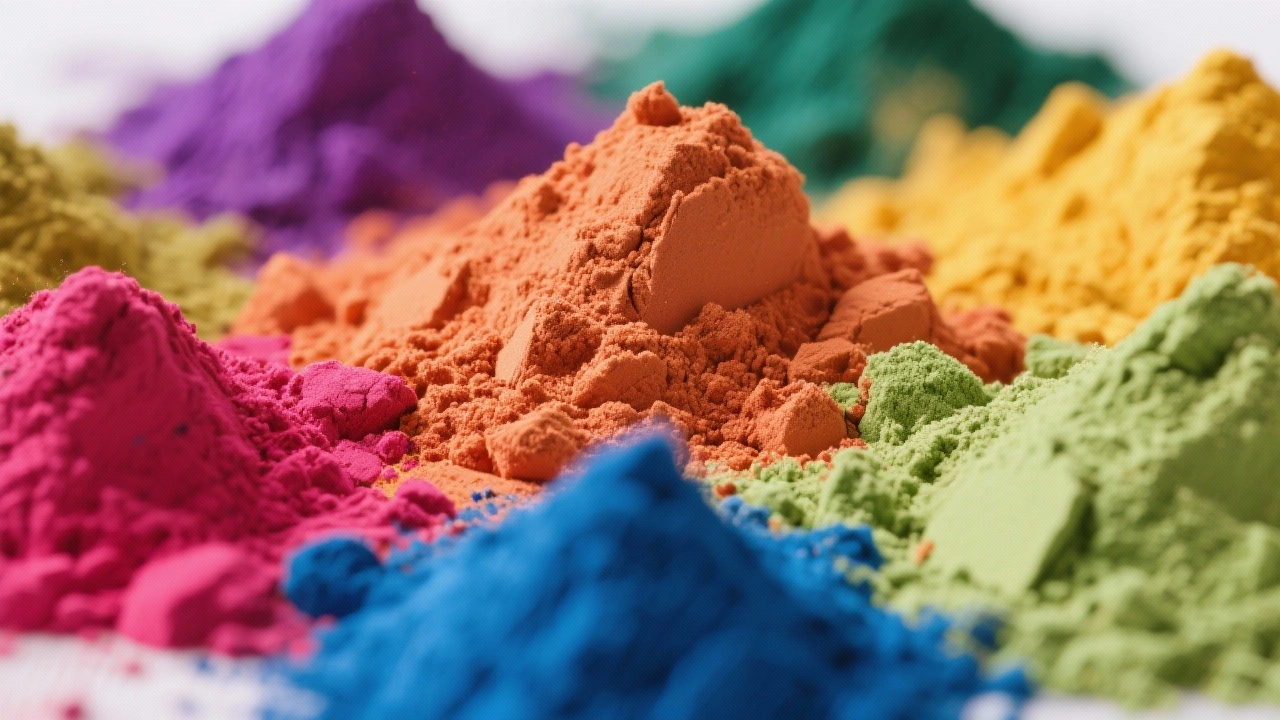
    colorful pigment powders - Understanding Pigments and Binders

    Pigments represent the colour component of oil paint, available as finely ground powders derived from minerals, synthetic compounds, or organic sources. Each pigment possesses unique characteristics including tinting strength, transparency, lightfastness, and oil absorption rates. Understanding these properties helps you predict how your handmade paint will perform on canvas and enables intelligent colour mixing decisions.

    The binder—typically linseed oil—serves multiple critical functions beyond simply holding pigment particles together. It allows the paint to spread smoothly across surfaces, influences drying time, affects gloss levels, and contributes to the paint’s long-term durability. Cold-pressed refined linseed oil offers excellent clarity and moderate drying times, making it ideal for beginners. Stand oil, a heat-polymerised variant, creates enamel-like finishes with reduced brushstrokes, whilst walnut oil provides a paler, slower-drying alternative.

    The pigment-to-oil ratio varies considerably between colours based on their absorption characteristics. Earth pigments generally require less oil, creating stiffer paint consistency, whereas organic pigments often demand more binder to achieve workable texture. Beginning with approximately one part oil to three parts pigment (by volume) provides a reasonable starting point, then adjust gradually based on your specific pigment and desired consistency. This experimentation mirrors the observational skills artists develop when capturing the geometric patterns found throughout nature.

    Selecting Quality Pigments

    Reputable pigment suppliers provide detailed information about lightfastness ratings, chemical composition, and safety classifications. Look for pigments rated ASTM I or II for lightfastness, ensuring your paintings won’t significantly fade over time. Moreover, familiarise yourself with pigment nomenclature and colour index names, which provide standardised identification regardless of marketing names that vary between manufacturers.

    The Grinding Process Explained

    Begin by placing a small mound of dry pigment (approximately one teaspoon) on your grinding surface, creating a well in the centre. Using a glass dropper, add small amounts of oil to the well, then gradually incorporate the surrounding pigment using your palette knife. This method prevents adding excessive oil too quickly, which creates overly thin paint that’s difficult to correct.

    Once you’ve achieved a thick paste consistency, begin grinding using your glass muller. Apply firm, consistent pressure whilst moving the muller in figure-eight patterns across the surface. This grinding action breaks down pigment aggregates, creating intimate contact between each particle and the binding oil. The process typically requires five to fifteen minutes depending on pigment type and desired smoothness.

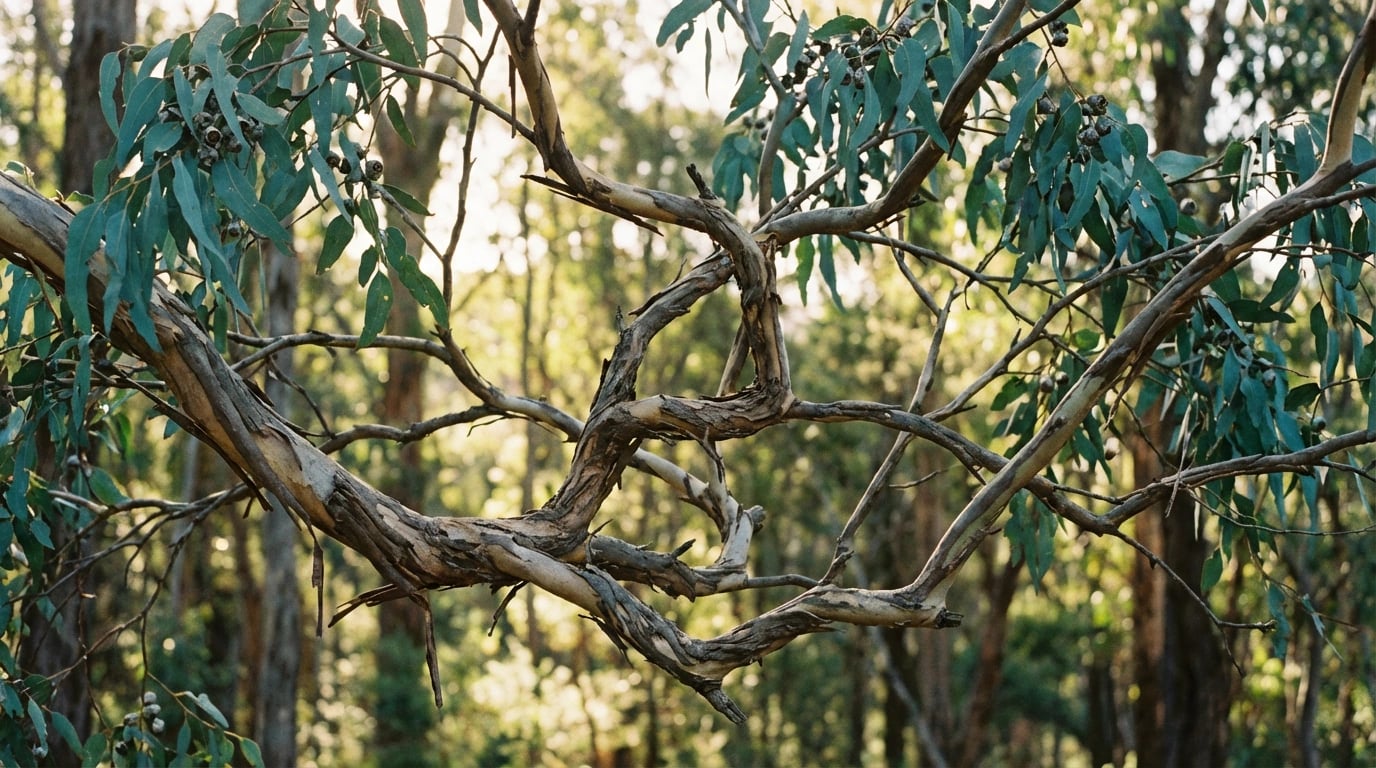
    You’ll notice the mixture transforming from a grainy, separated texture into a smooth, glossy paste. Periodically scrape the paint together using your palette knife and check consistency by drawing a line through it—properly ground paint should show smooth, continuous colour without speckles or separation. This meticulous attention to texture parallels the careful observation required when artists work to capture the delicate silvery qualities of eucalyptus branches in their compositions.

    Common Grinding Challenges

    New paint makers frequently encounter several typical issues. Paint that feels too stiff requires additional oil, added gradually by drops rather than large amounts. Conversely, overly thin paint may need more pigment or extended grinding time to properly disperse particles. Some pigments naturally produce stringy textures; these benefit from adding a small amount of aluminium stearate, which improves handling properties without compromising colour quality.

    Safety Considerations and Best Practices

    protective painting gear - Safety Considerations and Best Practices

    Whilst oil painting carries a romantic historical association, certain pigments contain genuinely hazardous materials requiring respectful handling. Cadmium pigments, lead white, cobalt compounds, and chromium colours all demand particular caution. Always wear appropriate protective equipment including gloves and masks when handling dry pigments, and never eat, drink, or smoke in your paint-making area.

    Research each pigment’s safety data sheet before purchase, understanding both acute and chronic health risks. Some traditional pigments like genuine vermilion (mercury sulphide) or flake white (lead carbonate) have safer modern alternatives that achieve similar visual effects without toxic concerns. Beginning painters should prioritise learning with safer alternatives, reserving more hazardous materials for when experience justifies their use.

    Proper disposal of contaminated materials protects both your household and the environment. Never wash pigment-laden materials down household drains; instead, allow contaminated water or oils to evaporate in a well-ventilated area, then dispose of dried residue according to local hazardous waste guidelines. This conscientious approach to materials extends naturally to artists who appreciate the environmental stories behind their artistic subjects.

    Storing and Preserving Your Handmade Paints

    oil paint tubes - Storing and Preserving Your Handmade Paints

    Freshly made oil paint requires protection from air exposure, which causes surface skinning and eventual hardening. Small glass jars with tight-fitting lids work excellently for storage, though metal tubes (available from art supply specialists) provide professional-grade preservation and convenient dispensing. When filling tubes, eliminate air pockets by tapping the tube firmly against your work surface before sealing.

    Create a thin layer of water or linseed oil atop paint stored in jars, forming a barrier that prevents oxygen contact with the paint surface. Additionally, clearly label each container with the pigment name, date of creation, and any special notes about oil ratios or additives used. This documentation proves invaluable when replicating successful batches or troubleshooting inconsistent results.

    Properly stored handmade oil paints remain usable for months or even years. However, some separation between pigment and binder naturally occurs over time. Simply remix thoroughly before use, adding minute amounts of oil if needed to restore proper consistency. If you’re ready to start exploring your handmade paints on canvas, visit our shop to discover quality surfaces and materials that complement your artistic journey.

    Troubleshooting Storage Issues

    Paint that develops hard surface skin can often be salvaged by carefully removing the dried layer and remixing the remaining paint. Completely hardened paint, unfortunately, cannot be reconstituted and must be discarded. Mould growth occasionally appears in paints containing excessive water contamination; prevent this by ensuring all tools and pigments remain completely dry during the paint-making process.

    Embracing the Craft of Paint Making

    Making your own oil paint transforms your relationship with artistic materials, fostering deeper understanding of how colours behave and interact. This foundational knowledge empowers more confident colour mixing, informed material choices, and greater appreciation for the chemical and physical properties underlying oil painting techniques. Moreover, the meditative rhythm of grinding pigments provides creative satisfaction that extends beyond simply opening manufactured tubes.

    As you develop paint-making skills, experiment with different binders, additives, and pigment combinations that support your unique artistic voice. Consider how historical masters prepared their materials, then adapt these time-tested methods to contemporary availability and safety standards. The journey from raw pigment to finished painting creates an unbroken creative thread connecting your hands, your materials, and your artistic vision—a deeply personal process that enriches every brushstroke you make on canvas.

    joerussell

    joerussell

    Australian abstract artists based in Byron Bay and curator of the GumPrints art print collection.

  • Why Gum Trees Stumped Every Artist

    Why Gum Trees Stumped Every Artist

    Australian gum trees are among the most challenging subjects for artists to capture on canvas. Their distinctive features—mottled bark, silvery leaves, and unpredictable growth patterns—have confounded painters for generations. Yet understanding why these iconic eucalypts present such difficulty is the first step towards mastering their artistic representation and creating compelling works that truly capture their essence.

    Gum trees challenge artists primarily because of their complex bark textures, constantly shifting light effects on silvery foliage, and irregular branching patterns that defy conventional compositional rules. Additionally, their colours are notoriously difficult to mix accurately, ranging from subtle greys and blues to unexpected pinks and oranges. Moreover, these trees lack the structural predictability of European species, making traditional landscape painting techniques less effective. However, by approaching gum trees with specialised techniques and a willingness to embrace their unique characteristics, artists can transform these challenges into opportunities for creating distinctive, authentic Australian artwork.

    Understanding the Challenge: Why Gum Trees Are Different

    Before attempting to paint gum trees, artists must recognise what sets them apart from other tree species. European trees typically feature predictable growth patterns with symmetrical branching and uniform bark textures. In contrast, eucalypts exhibit chaotic, angular limbs that twist unexpectedly, creating compositions that can appear unbalanced to the untrained eye.

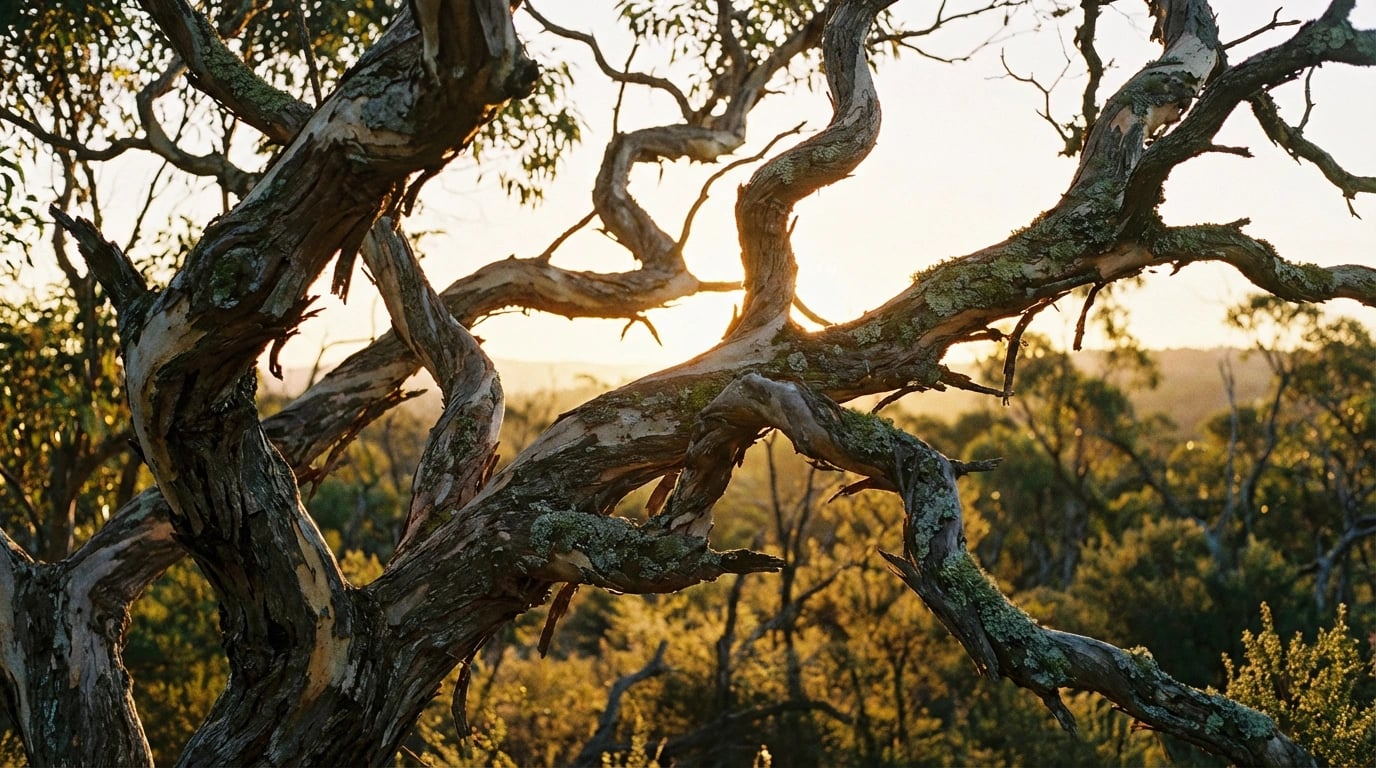
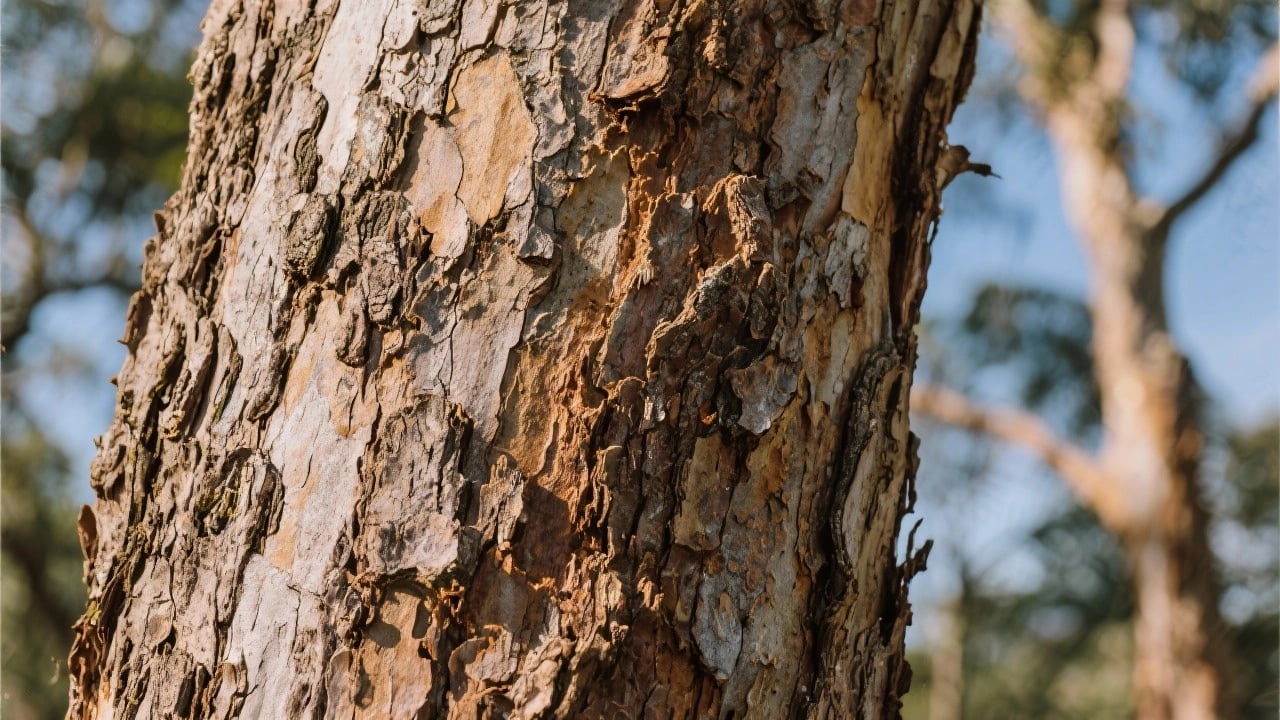
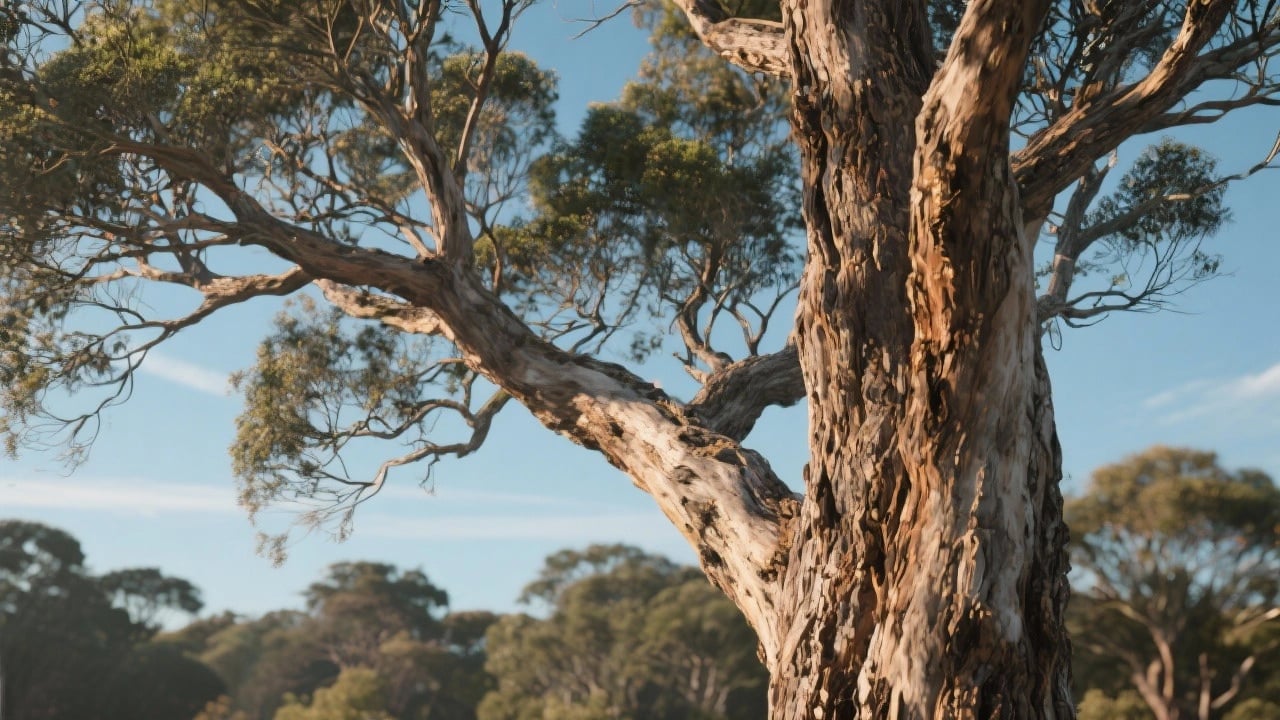
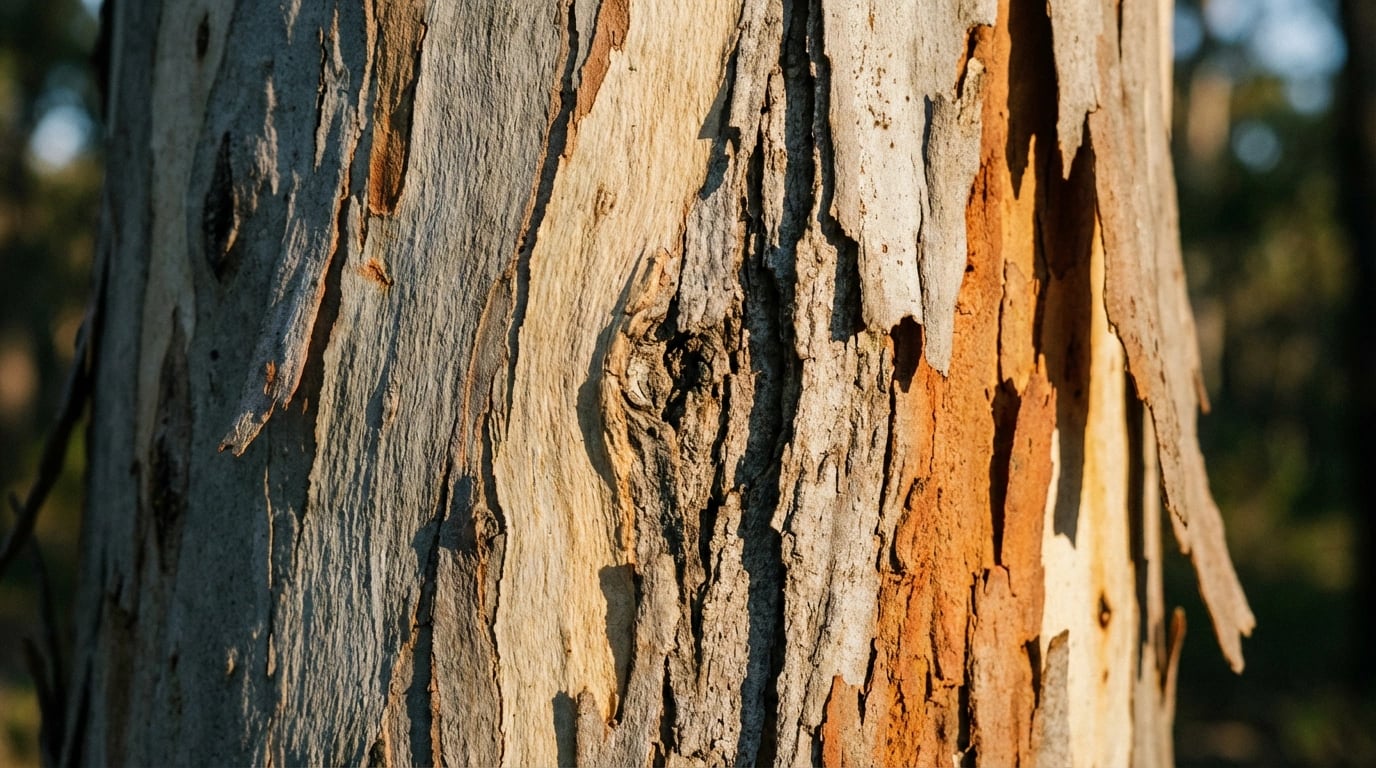
    The bark itself presents multiple challenges simultaneously. Many species shed their outer layers in irregular patches, revealing surfaces in various stages of renewal. This creates a patchwork of colours and textures that must be observed carefully rather than generalised. Furthermore, the way light interacts with this varied surface changes dramatically throughout the day, making plein air painting particularly demanding.

    According to botanical research on eucalyptus species, there are over 700 varieties of gum trees in Australia, each with distinct visual characteristics. This diversity means that techniques mastered for one species may not transfer effectively to another. Therefore, artists must approach each subject individually whilst building a foundational understanding of common eucalypt features.

    Step 1: Observing and Capturing Bark Texture

    gum tree bark - Step 1: Observing and Capturing Bark Texture

    Begin your gum tree painting journey by dedicating time to close observation of bark patterns. Select a specific tree and spend at least 30 minutes sketching its bark texture before attempting to paint. Notice how the peeling layers create depth through overlapping forms rather than simple surface decoration.

    Create a texture study using small paintings or drawings that focus exclusively on a section of bark approximately 30 centimetres square. This concentrated approach allows you to understand the underlying structure without becoming overwhelmed by the entire tree. Pay particular attention to the edges where bark curls away from the trunk—these create crucial shadows that give dimension to your work.

    When translating these observations to paint, work in layers that mirror the bark’s natural formation. Start with base tones representing the inner bark, then gradually add the outer layers using broken brushstrokes that suggest peeling and texture. Avoid the temptation to overpaint every detail; instead, suggest complexity through strategic placement of highlights and shadows. Exploring the hidden geometry within eucalyptus forms can reveal underlying patterns that simplify this process.

    Essential Tools for Bark Texture

    • Palette knives for creating raised texture and scraped effects
    • Stiff-bristled brushes for dry-brushing techniques
    • Sponges or crumpled paper for dabbing irregular patterns
    • Glazing medium for building transparent layers

    Step 2: Mastering the Silvery Foliage Effect

    Gum tree foliage presents a unique challenge due to its reflective quality and colour variations. Unlike the solid greens of many northern hemisphere trees, eucalyptus leaves catch light in ways that create silvery, almost luminous effects. This characteristic stems from the waxy coating on the leaves and their tendency to hang vertically rather than horizontally.

    To capture this effect, begin by abandoning preconceived notions about “tree green.” Mix your foliage colours using blues, greys, and even subtle purples alongside your greens. Test these mixtures against actual gum leaves in various lighting conditions to train your eye. Remember that gum tree foliage often appears lighter and cooler than you might initially perceive.

    Apply foliage using techniques that suggest movement and lightness rather than dense masses. Employ dry-brush techniques where bristles barely touch the canvas, creating broken colour that allows underlying layers to show through. This approach mimics the way light filters through eucalyptus canopies. Additionally, leave strategic gaps in your foliage to suggest the characteristic openness of gum tree crowns, which rarely form the solid domes seen in many exotic species.

    Step 3: Developing a Compositional Approach

    tree composition sketch - Step 3: Developing a Compositional Approach

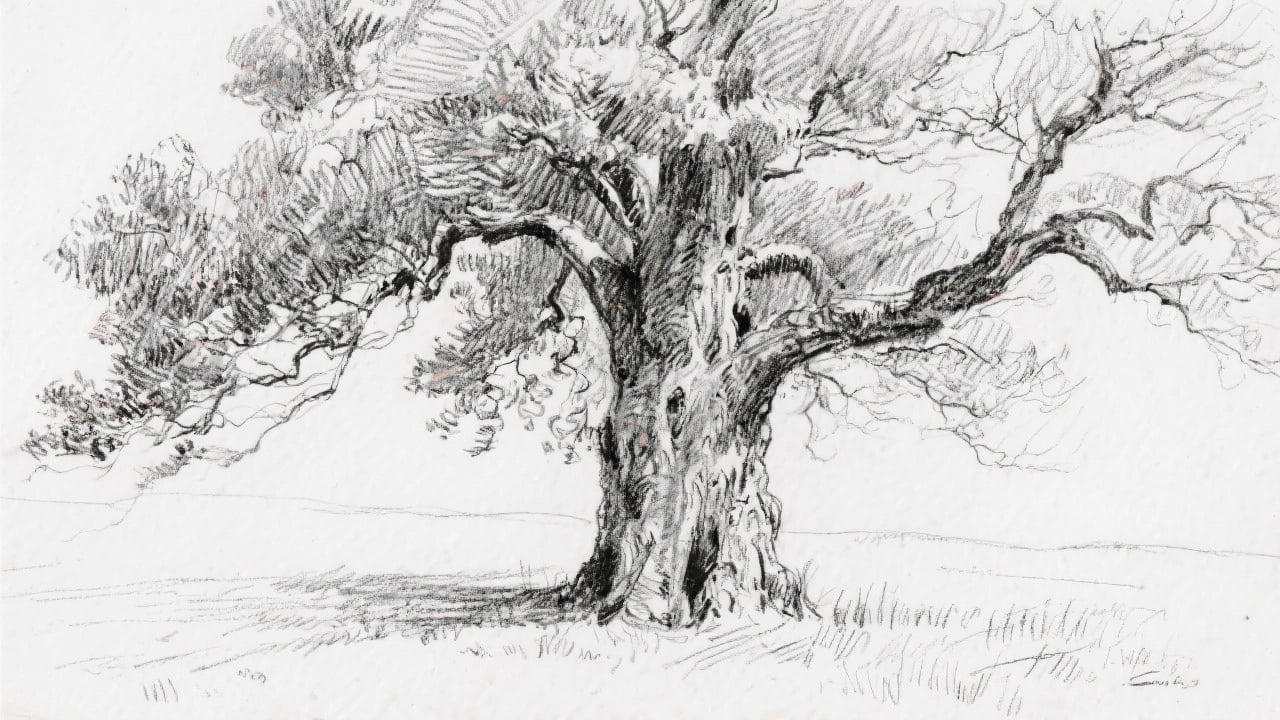
    The irregular growth patterns of gum trees demand a flexible compositional strategy. Traditional rules about balanced placement and harmonious curves often feel forced when applied to eucalypts. Instead, embrace asymmetry and apparent chaos as authentic features of your subject.

    Start your composition by identifying the dominant angular thrust of the main trunk or primary limbs. Gum trees frequently lean at unexpected angles or feature dramatic bends that create dynamic diagonal lines. Use these as the foundation for your composition rather than fighting against them. Position these elements to lead the viewer’s eye through the painting, even if this creates unconventional balance.

    Consider how different artistic styles have approached gum trees throughout history, from traditional landscape painting to contemporary abstraction. Many successful gum tree paintings work precisely because they honour the trees’ natural irregularity. Frame your subject to emphasise its distinctive character—perhaps focusing on a dramatically twisting branch rather than attempting to include an entire tree.

    Compositional Techniques for Gum Trees

    1. Use the rule of thirds to position major trunk divisions or branch intersections at power points
    2. Allow branches to extend beyond your canvas edges to suggest the tree’s expansive nature
    3. Create depth by overlapping multiple trunks or showing trees at varying distances
    4. Balance the visual weight of heavy trunks with open sky or lighter foliage areas

    Step 4: Colour Mixing for Authentic Eucalyptus Tones

    eucalyptus color palette - Step 4: Colour Mixing for Authentic Eucalyptus Tones

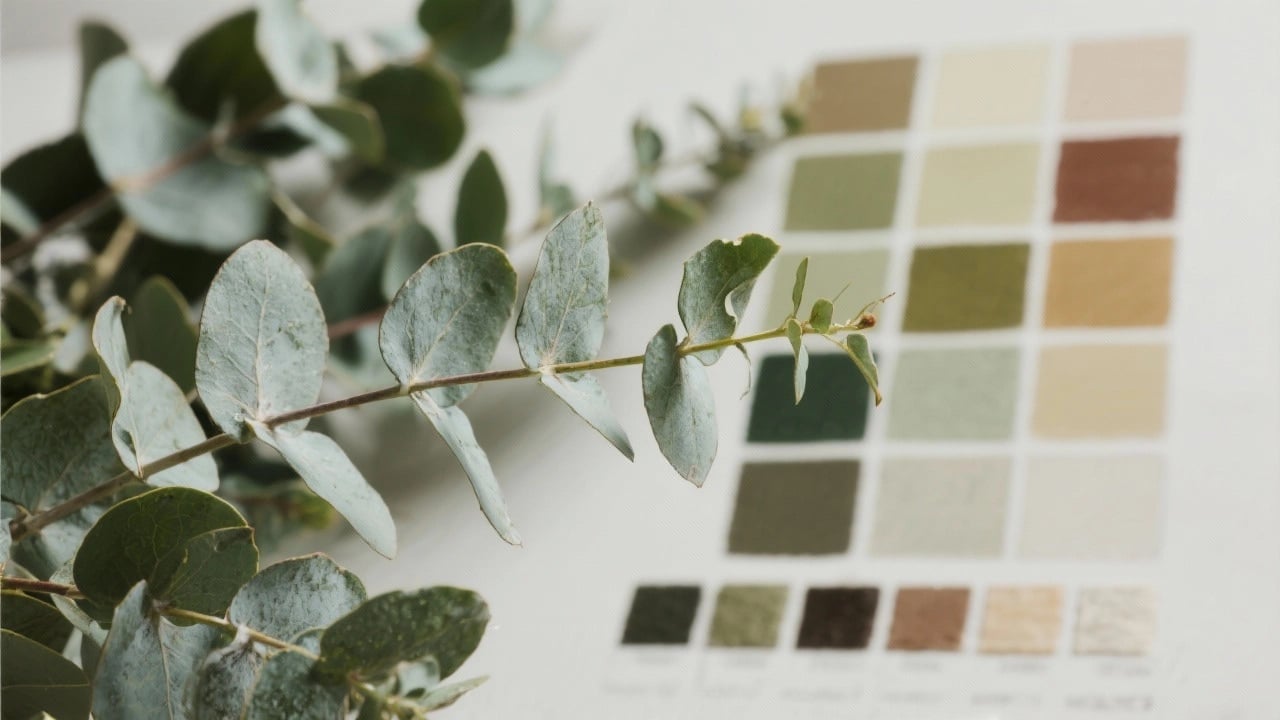
    Achieving authentic gum tree colours requires moving beyond standard landscape palettes. The characteristic bark tones range from white and cream through grey, tan, pink, orange, and even deep charcoal, depending on species and condition. Foliage colours present equal complexity, spanning blue-greens, grey-greens, olive tones, and silvery highlights.

    For bark, begin with a limited palette that includes titanium white, raw umber, burnt sienna, and ultramarine blue. These four colours can create an extensive range of eucalyptus bark tones through various combinations. Add small amounts of crimson or violet for the pink undertones visible in many species. Mix colours on your palette to create at least six distinct bark tones before you begin painting, ensuring adequate variety.

    Foliage colours benefit from a foundation of sap green or viridian mixed with generous amounts of white and touches of blue. Avoid using green straight from the tube, as this rarely matches the subtle complexity of gum leaves. Create cooler mixtures for foliage in full light and warmer, darker tones for shadowed areas. The natural colour palette found in gum trees offers endless inspiration for artists willing to observe carefully.

    Essential Colour Mixing Ratios

    • Light bark: 3 parts white, 1 part raw umber, touch of ultramarine
    • Mid-tone bark: Equal parts raw umber and burnt sienna, modified with white
    • Dark bark: Ultramarine and burnt sienna with minimal white
    • Silvery foliage: Sap green, white, and cerulean blue (3:2:1 ratio)
    • Shadow foliage: Viridian, burnt umber, and ultramarine

    Step 5: Practice and Continuous Refinement

    Mastering gum tree painting requires sustained practice with intention and self-reflection. Set yourself specific challenges that isolate individual difficulties rather than attempting perfect finished paintings immediately. For instance, dedicate one session exclusively to bark texture, another to foliage colour, and another to compositional balance.

    Develop a regular sketching practice that includes quick studies of gum trees in various lighting conditions and seasons. These needn’t be detailed drawings—simple value sketches capturing the play of light and shadow will train your observational skills. Photograph trees that interest you and use these references for studio work, but always supplement photographs with direct observation to understand three-dimensional form.

    Analyse your work critically by comparing finished paintings with your reference material. Identify specific areas where your interpretation diverges from reality—not to achieve photographic accuracy, but to understand whether these departures serve your artistic vision or simply represent technical challenges to address. Understanding watercolour techniques for eucalyptus can provide alternative approaches that may inform your primary medium.

    Moreover, study how other artists have successfully tackled gum trees. Visit galleries featuring Australian landscape art, paying particular attention to how accomplished artists handle the challenges you’re encountering. Historical approaches to eucalyptus in Australian art reveal diverse solutions to common problems, offering inspiration for your own development.

    Weekly Practice Schedule

    1. Monday: 30-minute observational sketches focusing on overall structure
    2. Wednesday: Colour mixing exercises creating bark and foliage palettes
    3. Friday: Technique practice (texture, dry-brushing, or glazing)
    4. Weekend: Longer painting session incorporating learned techniques

    Furthermore, consider joining art groups or online communities focused on Australian landscape painting. Sharing your work and receiving constructive feedback accelerates improvement whilst connecting you with others who understand the specific challenges of painting eucalypts. Many artists find that explaining their techniques to others clarifies their own understanding and reveals areas needing further development.

    Finally, remember that gum trees have stumped artists precisely because they demand fresh approaches rather than reliance on established formulas. Consequently, your personal solutions to these challenges will contribute to your distinctive artistic voice. Embrace experimentation, accept that not every painting will succeed, and maintain curiosity about these remarkable trees that define the Australian landscape. The journey of achieving eucalyptus mastery continues throughout an artist’s career, with each painting revealing new insights.

    As you develop your skills, you’ll discover that what initially seemed like insurmountable challenges become the very features that make gum tree painting rewarding. The irregular branching patterns that once frustrated you will become compositional opportunities. The complex bark textures that seemed impossible to capture will evolve into your signature technique. Through persistent practice and thoughtful observation, you’ll transform these iconic Australian trees from subjects that stumped you into sources of artistic inspiration and achievement. Browse the collection of gum tree artwork to see how other artists have interpreted these magnificent subjects.

    joerussell

    joerussell

    Australian abstract artists based in Byron Bay and curator of the GumPrints art print collection.

  • Gum Trees Reimagined: 7 Stunning Art Styles

    Gum Trees Reimagined: 7 Stunning Art Styles

    Australia’s iconic gum trees have captivated artists for generations, inspiring some of the most breathtaking and innovative artistic interpretations found anywhere in the natural world. From their distinctive silvery bark to their graceful, twisting branches, eucalyptus trees offer endless visual possibilities that artists across diverse mediums continue to explore and reimagine. This comprehensive guide explores seven distinctive art styles that have transformed how we see and appreciate these remarkable trees.

    The most compelling tree art styles bring together traditional techniques with contemporary vision, creating works that honour the gum tree’s unique character whilst pushing creative boundaries. Whether through bold abstracts, delicate watercolours, or striking mixed-media compositions, these artistic approaches reveal new dimensions of Australia’s beloved eucalypts. Each style offers distinct methods for capturing the essence of these trees—from their textural complexity to their ethereal presence in the landscape.

    Abstract Expressionism and Gum Trees

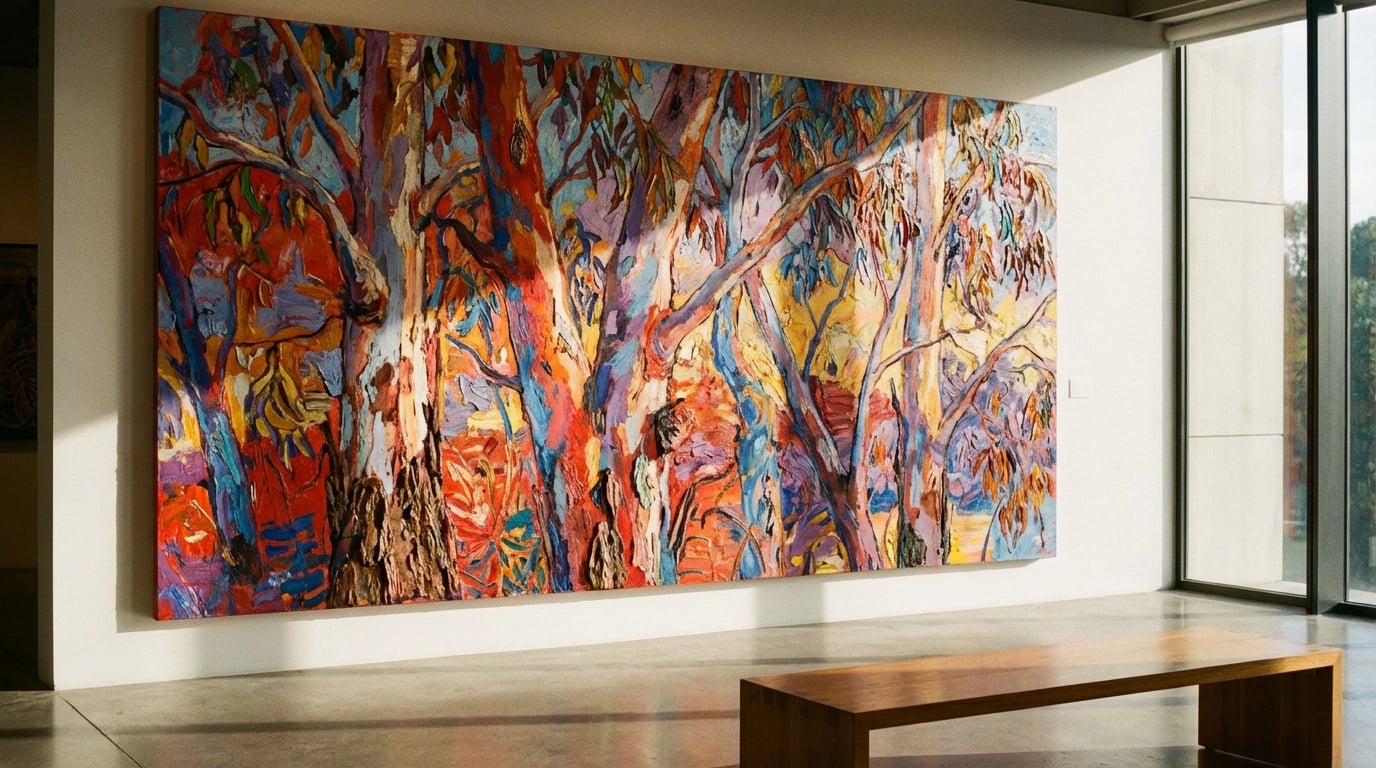
    Abstract expressionism transforms gum trees into emotional landscapes of colour, form, and gesture. Rather than depicting every leaf and branch with photographic precision, this approach captures the visceral feeling of standing beneath towering eucalypts or witnessing their dance in coastal winds. Artists working in this style often employ bold brushstrokes, layered textures, and spontaneous mark-making to convey the energy and movement inherent in these trees.

    The beauty of abstract eucalyptus art lies in its ability to distil the essence of gum trees into their fundamental visual elements. Colour fields might represent the shifting blues and greys of eucalyptus foliage, whilst sweeping gestures evoke the graceful arc of branches reaching skyward. This approach connects deeply with viewers who appreciate nature’s living ink palette and the emotional resonance of the Australian landscape. Moreover, abstract works invite personal interpretation, allowing each viewer to bring their own experiences and memories of gum trees to the artwork.

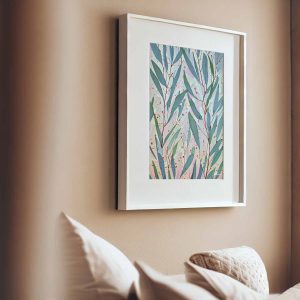
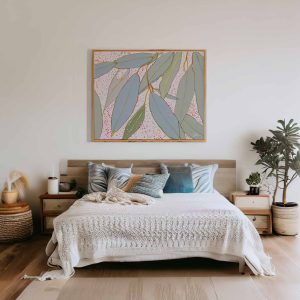
    The “Gum print 1” and “Gum print 2” exemplify this abstract approach beautifully, translating the organic complexity of eucalyptus into sophisticated compositions that work equally well in contemporary and traditional interiors.

    These abstract interpretations particularly suit modern spaces where art serves as both focal point and conversation starter. Furthermore, they demonstrate how limiting a colour palette can actually enhance visual impact, with subtle tonal variations creating depth and sophistication.

    Contemporary Botanical Illustration

    botanical gum tree sketch - Contemporary Botanical Illustration

    Contemporary botanical illustration represents a meticulous celebration of gum tree anatomy, combining scientific accuracy with artistic sensibility. This style honours centuries of botanical art tradition whilst incorporating modern aesthetics and techniques. Artists working in this genre carefully observe and render the distinctive characteristics that make each eucalyptus species unique—the particular shape of leaves, the texture of bark, the form of gum nuts, and the delicate structure of blossoms.

    However, contemporary approaches distinguish themselves from historical scientific illustration through their artistic liberty and compositional innovation. Modern botanical artists might isolate a single branch against negative space, creating a minimalist statement piece, or arrange multiple specimens in unexpected configurations. The precision required for this style demands intimate familiarity with gum tree morphology, often developed through hours of field observation and sketching. Additionally, these works frequently explore which gum leaves make the best art subjects, focusing on species with particularly striking visual characteristics.

    Techniques for Botanical Accuracy

    Creating compelling botanical art requires mastering several specialised techniques. Watercolour remains a favoured medium for its translucency and ability to capture subtle colour variations in eucalyptus foliage. Pen and ink work beautifully for rendering bark texture and intricate detail. Meanwhile, coloured pencils offer precise control for layering colours and creating smooth gradations. Many contemporary artists combine these traditional media with digital tools for enhanced flexibility and reproduction quality.

    Impressionist Landscape Techniques

    Impressionist interpretations of gum trees capture the atmospheric qualities and changing light conditions that make Australian eucalyptus forests so enchanting. This style prioritises visual impression over photographic detail, using broken colour and visible brushwork to convey the shimmering effect of sunlight filtering through silver-green canopies. Consequently, impressionist gum tree paintings often evoke specific times of day—the golden warmth of afternoon light, the cool blues of twilight, or the soft haziness of early morning mist.

    The impressionist approach suits eucalyptus subjects particularly well because it mirrors how we actually perceive these trees in nature. Our eyes don’t catalogue every individual leaf; instead, we experience the overall effect of dappled light, moving shadows, and colour harmonies. Artists employing this style often work en plein air, painting directly from observation to capture fleeting light conditions. This immediacy brings freshness and vitality to the finished work. Additionally, the looser brushwork characteristic of impressionism naturally suggests the gentle movement of eucalyptus branches swaying in breezes.

    Mixed Media and Textural Exploration

    Mixed media approaches to gum tree art embrace experimentation and textural complexity, combining diverse materials and techniques to create richly layered works. Artists might incorporate actual eucalyptus bark fragments, pressed leaves, or gum nut impressions into their compositions, blurring the boundary between representation and physical reality. These works often feature collaged elements, found materials, and unconventional tools that build surface interest and tactile dimension.

    The textural nature of eucalyptus trees themselves—their peeling bark, rough trunks, and dimensional seed pods—makes them ideal subjects for mixed media exploration. Artists might apply thick impasto to suggest bark texture, use tissue paper for translucent leaf effects, or embed natural materials into resin for preservation and depth. This approach particularly appeals to those interested in painting eucalyptus and discovering nature’s hidden geometry through tactile and visual experimentation.

    Materials and Methods

    Successful mixed media work requires understanding how different materials interact and adhere. Acrylic mediums serve as versatile binders, whilst gesso provides texture and tooth. Natural elements like bark must be properly dried and sealed to prevent deterioration. Therefore, technical knowledge complements creative vision in producing durable, archivally sound artworks. Many artists also incorporate printmaking techniques, transfers, or encaustic wax to expand their expressive vocabulary.

    Minimalist and Geometric Interpretations

    geometric tree silhouettes - Minimalist and Geometric Interpretations

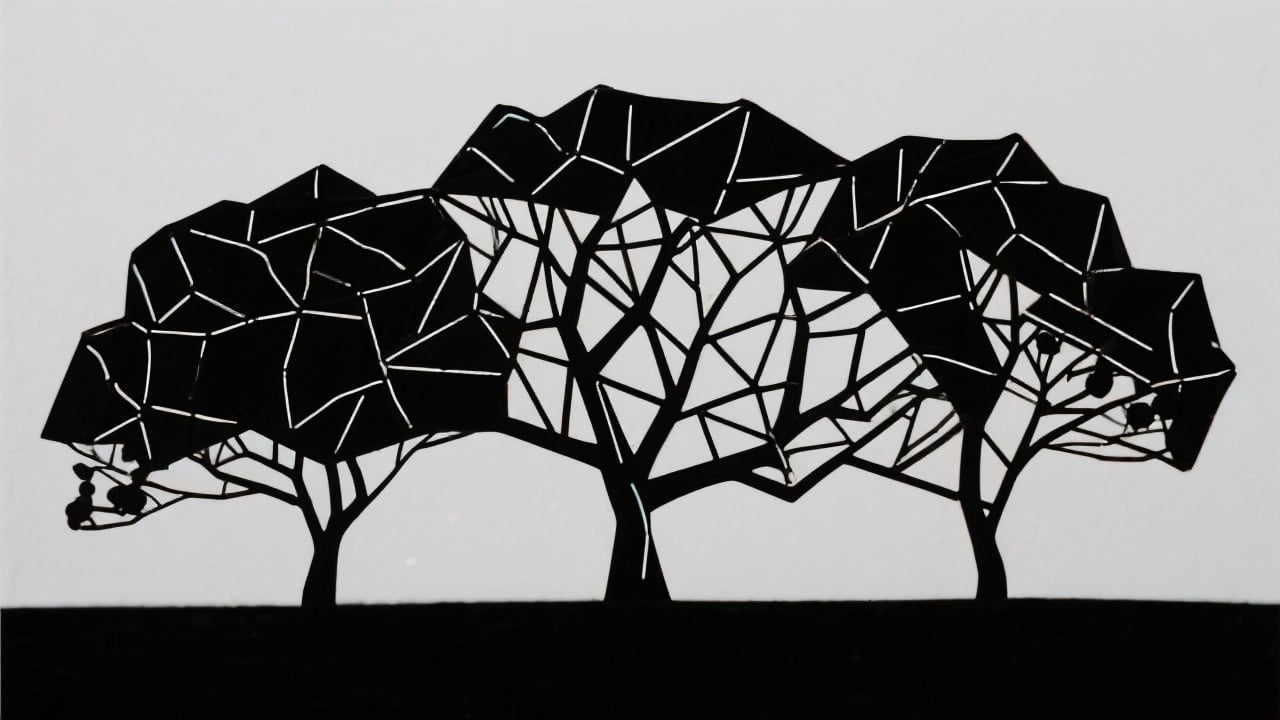
    Minimalist approaches strip gum trees to their essential forms, creating powerful statements through restraint and simplification. These interpretations might reduce a eucalyptus to a single elegant line representing trunk and branches, or distil foliage into geometric shapes and patterns. The minimalist aesthetic celebrates negative space as much as positive form, allowing the eye to rest and the mind to complete the image.

    Geometric interpretations take this further by analysing the underlying mathematical patterns in eucalyptus growth—the angles of branch divergence, the spiral arrangements of leaves, or the fractal-like repetition of forms at different scales. Consequently, these works often possess a contemporary sophistication that suits modern interiors beautifully. The reduced colour palettes typical of minimalism—perhaps just black and white, or subtle earth tones—focus attention on form, composition, and spatial relationships. Furthermore, this style translates exceptionally well to various applications, from large-scale wall art to small, intimate studies.

    Indigenous Art Perspectives

    Indigenous Australian artists bring thousands of years of cultural knowledge and spiritual connection to their representations of eucalyptus trees. For Aboriginal peoples, gum trees hold profound significance as sources of food, medicine, shelter, and spiritual meaning. Indigenous Australian art traditions express these deep relationships through distinctive visual languages that vary across different cultural groups and regions.

    Contemporary Indigenous artists continue evolving these traditions whilst maintaining cultural integrity and meaning. Some incorporate traditional dot painting techniques to represent gum trees within larger landscape narratives, whilst others use cross-hatching methods characteristic of particular regions. These works often depict trees not merely as botanical specimens but as living entities embedded within complex stories of Country, ancestry, and seasonal cycles. Moreover, they remind non-Indigenous viewers that Australian landscapes carry cultural meanings and histories that predate colonisation by tens of thousands of years. The spiritual dimension Indigenous art brings to gum tree representation offers perspectives that purely aesthetic approaches cannot capture.

    Digital and Contemporary Fusion

    digital gum tree rendering - Digital and Contemporary Fusion

    Digital technologies have opened extraordinary new possibilities for reimagining gum trees in art. Contemporary artists combine photography, digital painting, 3D modelling, and algorithmic generation to create works impossible through traditional media alone. Digital tools allow infinite experimentation—adjusting colours instantly, trying multiple compositions, or blending photographic elements with painted passages seamlessly. Consequently, digital eucalyptus art ranges from hyperrealistic renderings to fantastical interpretations that transform trees into otherworldly visions.

    The fusion of traditional and digital approaches represents particularly exciting territory. Artists might begin with watercolour sketches created en plein air, then scan and manipulate these digitally, adding layers, adjusting values, or incorporating photographic textures. Others photograph eucalyptus specimens, then use digital painting techniques to enhance, abstract, or reimagine them. This hybrid methodology combines the authenticity and spontaneity of direct observation with digital precision and flexibility. Additionally, digital art democratises creation and distribution, allowing artists to reach global audiences through online galleries and print-on-demand services. Those interested in exploring contemporary eucalyptus art will find inspiring examples in our curated shop collection.

    Emerging Technologies and Possibilities

    Emerging technologies continue expanding creative possibilities for gum tree art. Augmented reality applications can overlay digital eucalyptus artworks onto physical spaces, whilst virtual reality allows immersive experiences of walking through digitally painted gum forests. Generative algorithms can create endless variations on eucalyptus forms based on programmed parameters. Meanwhile, projection mapping transforms physical spaces with dynamic, moving eucalyptus imagery. These technologies suggest that the relationship between art, technology, and nature will only deepen and diversify in coming years.

    Choosing Your Eucalyptus Art Style

    Selecting which art style resonates most depends on personal aesthetic preferences, intended display spaces, and the emotional response you seek from the artwork. Abstract approaches offer versatility and emotional depth, working beautifully in contemporary settings. Botanical illustrations bring scientific fascination and timeless elegance, whilst impressionist works capture atmospheric beauty and nostalgic warmth. Therefore, consider how different styles complement your existing décor and which aspects of gum trees you find most compelling—their physical beauty, their environmental significance, or their cultural meanings.

    Ultimately, the most interesting tree art styles succeed not merely through technical proficiency but through their ability to reveal something new about their subjects. Whether through radical abstraction or meticulous realism, great eucalyptus art invites us to see these familiar trees afresh, appreciating nuances we might otherwise overlook. For those drawn to the hidden stories behind Australian eucalyptus art, exploring diverse artistic approaches enriches understanding of both the trees themselves and our cultural relationships with them. As you consider which style speaks to you, remember that art’s ultimate purpose is connection—between artist and subject, artwork and viewer, humanity and the natural world that sustains us.

    joerussell

    joerussell

    Australian abstract artists based in Byron Bay and curator of the GumPrints art print collection.

  • Painting Eucalyptus: Nature’s Hidden Geometry

    Painting Eucalyptus: Nature’s Hidden Geometry

    Artists and botanical illustrators have long been captivated by the distinctive beauty of eucalyptus, those quintessentially Australian trees whose elegant forms and subtle colour variations present both challenge and inspiration. The graceful arcs of their branches, the delicate variations in their leaves, and the textured bark create endless opportunities for artistic expression. Whether you’re working in watercolour, pen and ink, or coloured pencil, understanding the unique characteristics of these native plants is essential for creating compelling botanical illustrations that capture their essence.

    Eucalyptus botanical illustration requires a keen eye for the geometric patterns hidden within these remarkable plants. The key to successful representation lies in observing the mathematical precision of leaf arrangement, the spiral patterns in branch growth, and the symmetrical yet organic forms that define different species. By mastering fundamental techniques including accurate leaf shape rendering, understanding phyllotaxis patterns, and capturing the distinctive silvery-blue hues, artists can create botanical illustrations that are both scientifically accurate and aesthetically striking. Moreover, attention to subtle details such as oil gland dots, leaf veining, and the characteristic peeling bark elevates your work from simple sketches to professional-level botanical art.

    Understanding Eucalyptus Structure and Geometry

    The foundation of excellent botanical illustration begins with comprehending the underlying geometric principles that govern eucalyptus growth patterns. These native Australian plants exhibit fascinating mathematical relationships in their structure, from the Fibonacci sequence visible in branch arrangements to the precise angles at which leaves emerge from stems. Consequently, artists who understand these patterns can create more convincing and scientifically accurate representations.

    Leaf arrangement follows specific phyllotaxis patterns that vary between juvenile and mature foliage. Furthermore, many species display heteroblasty, meaning their leaf shape dramatically changes as the plant matures. Juvenile leaves often appear rounder and paired opposite each other, whilst mature foliage typically becomes elongated and alternates along the stem. This transformation presents unique artistic opportunities and challenges that distinguish different gum leaves as art subjects.

    Analysing Branch Architecture

    Branch structure in eucalyptus follows predictable yet organic patterns. The main trunk typically exhibits verticillate branching, where multiple branches emerge from similar points in whorls. However, secondary branches often display more irregular patterns, creating the characteristic open canopy. Additionally, understanding the natural droop and curve of branches helps artists avoid stiff, unnatural representations that lack the graceful flow inherent to these trees.

    Observing live specimens reveals how gravity affects branch orientation and how leaves twist to maximise light exposure. These subtle movements and adjustments create the dynamic quality that makes botanical illustrations come alive on the page.

    Essential Techniques for Accurate Representation

    Mastering eucalyptus illustration requires developing specific technical skills that address the unique characteristics of these plants. Beginning with accurate preliminary sketches establishes the foundation for detailed work. Therefore, invest time in creating multiple studies before committing to your final illustration. Light pencil guidelines help maintain proper proportions and angles throughout the drawing process.

    Leaf rendering demands particular attention to the characteristic lanceolate shape common in many species. Start by establishing the central midrib, then build outward symmetrically. The edges should flow smoothly without appearing mechanical. Moreover, capturing the slight curl or twist many eucalyptus leaves exhibit adds dimensionality and realism to your work. Mastering these techniques separates amateur attempts from professional botanical illustration.

    Depicting Textural Elements

    Bark texture varies dramatically across eucalyptus species, from smooth and mottled to deeply furrowed or decoratively peeling. Representing these textures convincingly requires varied mark-making techniques. Cross-hatching works well for rough bark, whilst stippling can suggest the fine texture of smooth-barked varieties. Additionally, leaving strategic areas of white paper creates the impression of peeling bark catching light.

    Oil glands appear as translucent dots when leaves are held against light. In illustration, these can be suggested through tiny stippled dots or small circles, particularly when working in pen and ink. This detail significantly enhances botanical accuracy and demonstrates observational skill.

    Capturing the Distinctive Colour Palette

    The subtle blue-green and silvery tones characteristic of eucalyptus foliage present unique colour mixing challenges. These hues result from the waxy coating that protects leaves from Australia’s harsh sun. Consequently, achieving authentic colours requires understanding both pigment selection and layering techniques. Cool greens formed from combinations of phthalo blue and various yellows create more convincing eucalyptus tones than warmer sap greens.

    Layering transparent washes builds depth and luminosity that flat colour application cannot achieve. Start with pale yellow-green undertones, then gradually introduce cooler blue-greens in subsequent layers. Furthermore, leaving tiny flecks of lighter underpainting visible through upper layers suggests the waxy bloom on fresh foliage. The techniques used in watercolour eucalyptus painting translate well across various media.

    Managing Tonal Values

    Establishing a clear value structure separates successful botanical illustrations from muddy, confusing compositions. Eucalyptus foliage often appears as mid-tones, making it essential to reserve highlights and shadows strategically. The underside of leaves typically appears lighter and more silvery than upper surfaces, whilst older foliage tends toward darker, more subdued greens.

    Creating a small value study before beginning your final illustration helps identify where darkest darks and lightest lights should appear. This planning stage prevents overworking areas that should remain luminous and fresh.

    Botanical Accuracy and Scientific Detail

    Traditional botanical illustration serves both artistic and scientific purposes, requiring precise attention to diagnostic features. According to botanical illustration standards, accurate representation of reproductive structures, leaf venation patterns, and species-specific characteristics remains paramount. Therefore, artists should work from living specimens or high-quality reference materials whenever possible.

    Documenting specific features distinguishes one eucalyptus species from another. These include bud cap shape, flower structure, seed capsule form, and leaf venation patterns. Moreover, including dissected views of flowers or cross-sections of buds provides valuable scientific information whilst creating visually interesting compositional elements. Understanding botanical art principles ensures your work meets both aesthetic and educational standards.

    Researching Your Subject Species

    With over 700 eucalyptus species, accurate identification forms the crucial first step in botanical illustration. Each species possesses distinctive characteristics that merit careful documentation. Field guides, herbarium specimens, and botanical databases provide essential reference information. Additionally, noting habitat, flowering season, and growth habit enriches your illustration’s educational value.

    Photographing specimens from multiple angles creates a comprehensive reference library for studio work. However, working from life whenever possible captures subtleties that photographs miss, particularly regarding colour and three-dimensional form.

    Composition and Design Principles

    Strong composition transforms accurate botanical observation into compelling artwork. Consider how individual elements arrange within your picture plane to create visual interest whilst maintaining scientific clarity. The rule of thirds provides a useful starting framework, though botanical illustration often requires modifications to accommodate specimen structure. Furthermore, negative space plays a crucial role in preventing compositions from appearing cluttered or cramped.

    Arranging multiple elements—leaves, flowers, buds, and seed capsules—requires balancing visual weight across the composition. Typically, larger elements anchor the composition whilst smaller details provide supporting information. Additionally, overlapping elements creates depth, though transparency should be avoided in scientific illustration to prevent confusion about which structures belong to which part of the plant. The artistic approaches explored in Australian eucalyptus art demonstrate how creative composition enhances botanical subjects.

    Establishing Focal Points

    Every illustration benefits from a clear centre of interest that draws the viewer’s eye. In eucalyptus botanical work, this often focuses on flowers or distinctive foliage clusters. Consequently, rendering this area with greatest detail and contrast whilst allowing peripheral elements to recede slightly guides viewer attention effectively. However, all elements should receive sufficient attention to maintain botanical accuracy.

    Linear elements such as branches naturally create directional flow within compositions. Position these thoughtfully to lead the eye through the illustration rather than directing attention away from important features.

    Medium Selection and Application Methods

    Different artistic media offer distinct advantages for eucalyptus botanical illustration. Watercolour remains the traditional choice, valued for its transparency and ability to capture delicate colour gradations. The fluid nature of watercolour suits the organic forms of botanical subjects, whilst layering techniques build complexity and depth. Moreover, watercolour’s portability makes it ideal for field work and plein air studies.

    Coloured pencil provides exceptional control for detailed work and allows easier corrections than paint media. Layering multiple colours creates rich, nuanced tones that capture the subtle variations in eucalyptus foliage. Additionally, coloured pencil combines effectively with other media in mixed-media approaches. Pen and ink produces crisp, precise illustrations ideal for scientific documentation, though it demands confidence as corrections prove challenging.

    Paper Selection Considerations

    Substrate choice significantly impacts final results. Hot-pressed watercolour paper provides the smooth surface essential for fine detail, whilst cold-pressed papers offer texture that can enhance certain effects. Furthermore, paper weight matters—lighter papers may buckle with wet media, whilst heavier stocks remain stable through multiple washes and layers.

    For coloured pencil work, slightly textured paper holds pigment effectively whilst allowing smooth blending. Bristol board works excellently for pen and ink, providing a hard surface that prevents feathering and maintains crisp lines. Exploring options in quality art materials ensures your technical execution matches your artistic vision.

    Building Layers and Depth

    Regardless of medium, successful eucalyptus illustration relies on gradual development rather than immediate completion. Start with light applications, progressively building intensity through multiple layers. This approach allows for adjustments and prevents overworking that deadens colour and freshness. Additionally, allowing each layer to fully dry before applying subsequent layers maintains clarity and prevents muddiness.

    Reserve highlights strategically, either through masking fluid in watercolour or by avoiding certain areas altogether. These bright accents suggest the waxy leaf surface and create the luminous quality characteristic of healthy eucalyptus foliage. The connection between artistic technique and botanical subject matter enriches both gum art appreciation and practical skill development.

    Mastering eucalyptus botanical illustration represents a rewarding journey that combines scientific observation, technical skill, and artistic sensitivity. The geometric patterns inherent in these remarkable Australian natives provide endless opportunities for artistic exploration whilst demanding rigorous attention to accuracy. By developing strong observational skills, mastering medium-specific techniques, and understanding the botanical characteristics that distinguish different species, you create illustrations that serve both aesthetic and educational purposes. Whether you’re documenting local flora, creating decorative artwork, or contributing to scientific knowledge, the principles outlined in this guide provide a solid foundation for capturing the distinctive beauty of eucalyptus in all its geometric glory.

    joerussell

    joerussell

    Australian abstract artists based in Byron Bay and curator of the GumPrints art print collection.

  • Why Koalas Adore Toxic Eucalyptus Leaves

    Why Koalas Adore Toxic Eucalyptus Leaves

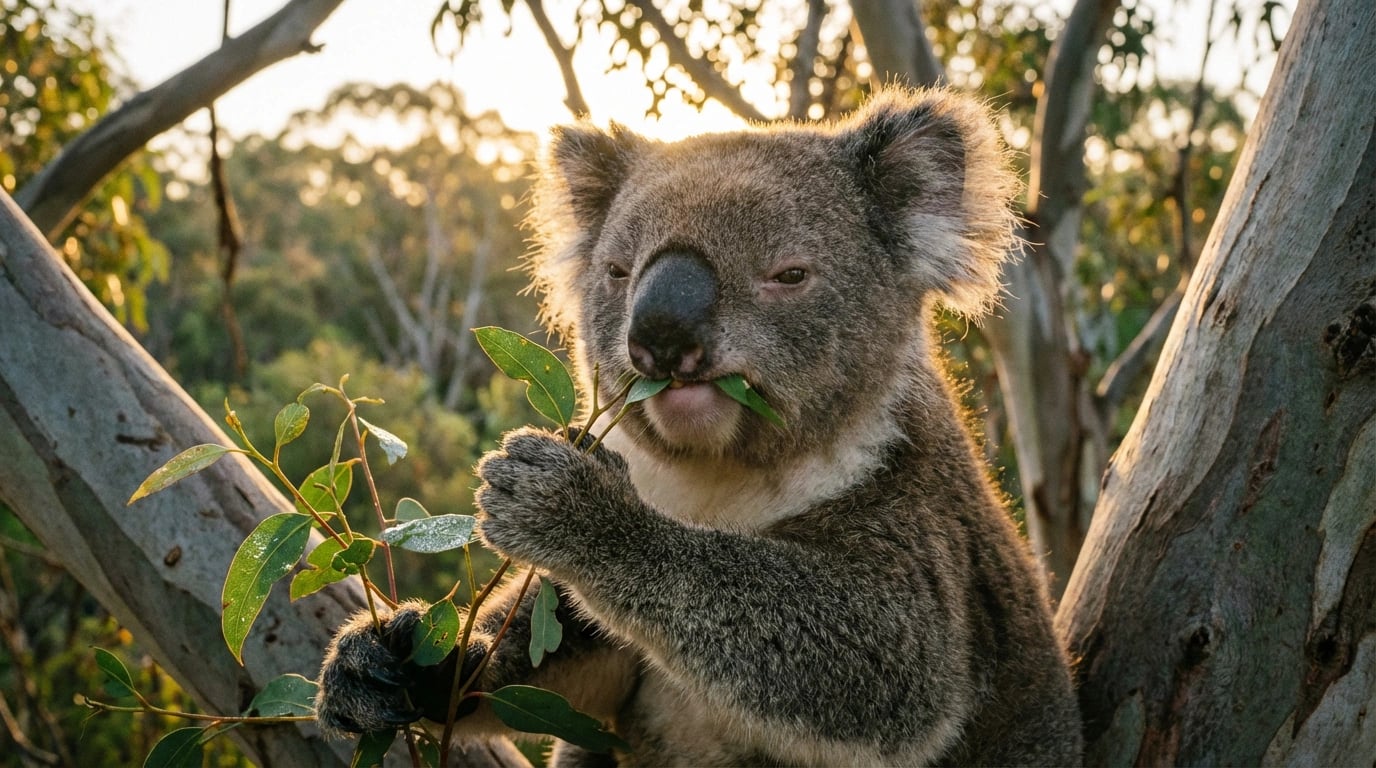
    Koalas are among Australia’s most iconic marsupials, yet their dietary choice puzzles many wildlife observers. These adorable creatures feed almost exclusively on eucalyptus leaves, which contain toxic compounds that would sicken most other animals. Understanding why koalas have evolved to consume these poisonous leaves reveals a fascinating story of adaptation, survival, and ecological specialisation that spans millions of years.

    The answer lies in a remarkable evolutionary adaptation. Koalas possess an extraordinarily long digestive system—particularly an extended caecum—that houses specialised bacteria capable of breaking down toxic compounds found in eucalyptus leaves. Additionally, their liver produces specific enzymes that neutralise these toxins, allowing them to extract nutrients from a food source that most animals cannot digest. This unique adaptation has granted koalas exclusive access to an abundant food resource with minimal competition, though it comes at significant metabolic costs.

    The Toxic Compounds in Eucalyptus Leaves

    Eucalyptus leaves contain numerous defensive chemicals that deter most herbivores. These compounds include phenolic substances, terpenes, and cyanogenic glycosides. Phenolics can damage proteins and inhibit digestion, whilst terpenes—which give eucalyptus its distinctive smell—are toxic to the liver and kidneys of most mammals.

    Moreover, eucalyptus leaves are remarkably fibrous and low in protein, containing only 5-10% protein content. They also have high concentrations of lignin, a woody substance that’s extremely difficult to digest. The combination of toxicity and poor nutritional value makes eucalyptus an unappealing food source for virtually all animals except koalas.

    Chemical Defence Mechanisms

    Plants in the Eucalyptus genus have evolved these toxic compounds specifically to avoid being eaten. Different eucalyptus species produce varying concentrations of these chemicals, which is why koalas show distinct preferences for certain species and even individual trees. The diverse nature of gum trees means that koalas must carefully select their food sources based on toxin levels and nutritional content.

    Interestingly, the toxicity of eucalyptus leaves varies seasonally and even throughout the day. Consequently, koalas have developed an acute sense of smell to identify leaves with lower toxin concentrations and higher moisture content.

    Remarkable Digestive Adaptations

    The koala’s digestive system represents millions of years of evolutionary refinement. Their caecum—a specialised organ where bacterial fermentation occurs—measures up to 2.5 metres in length, proportionally the longest of any mammal. This extended organ provides ample time for specialised microorganisms to break down toxic compounds and extract nutrients from the fibrous leaves.

    Furthermore, koalas possess a highly developed liver that produces cytochrome P450 enzymes. These enzymes are specifically adapted to detoxify the phenolic compounds and terpenes found in eucalyptus. Research from the koala genome project has revealed expanded gene families dedicated to detoxification, highlighting the genetic basis for this remarkable ability.

    Microbial Partnerships

    The bacterial community within a koala’s caecum is highly specialised and uniquely adapted to their eucalyptus diet. These microorganisms are passed from mother to joey through a special substance called “pap,” which joeys consume before weaning. This process ensures that young koalas acquire the necessary gut bacteria to digest eucalyptus leaves successfully.

    Without these microbes, koalas would be unable to process their food effectively. This symbiotic relationship demonstrates the complexity of evolutionary adaptation and the interconnectedness of biological systems.

    Nutritional Challenges and Energy Conservation

    Despite their adaptations, eucalyptus leaves provide minimal energy. Consequently, koalas have evolved an extremely slow metabolic rate—approximately half that of other mammals of similar size. This metabolic efficiency allows them to survive on such a poor-quality diet.

    Additionally, koalas are famous for sleeping up to 20 hours daily. This sedentary lifestyle is not laziness but rather an essential energy conservation strategy. By minimising activity, koalas reduce their energy expenditure to match the limited calories they extract from eucalyptus leaves.

    Water Requirements

    The word “koala” is believed to derive from an Aboriginal word meaning “no drink,” reflecting their ability to obtain most of their water from eucalyptus leaves. However, during extreme heat or drought conditions, koalas will drink water from other sources. The moisture content of fresh eucalyptus leaves typically ranges from 50-60%, providing sufficient hydration under normal conditions.

    This adaptation is particularly important given that koalas rarely descend from trees, where they would be vulnerable to predators. Nevertheless, climate change and increasingly frequent droughts are challenging this adaptation, making water supplementation sometimes necessary.

    Selective Feeding Behaviour

    Koalas demonstrate remarkable selectivity when choosing which leaves to consume. Of the approximately 700 eucalyptus species found across Australia, koalas feed on only about 30 species, with strong preferences for 10-15 particular varieties. Even within preferred species, they select only certain trees and specific leaves.

    This selectivity is based on several factors including toxin concentration, nitrogen content, moisture levels, and leaf maturity. Koalas prefer younger leaves from the tips of branches, which generally have higher protein content and lower toxin concentrations than older leaves. Their sense of smell is so refined that they can detect subtle chemical differences between individual trees.

    Regional Preferences

    Different koala populations show distinct preferences for local eucalyptus species. For instance, koalas in Victoria favour manna gum and swamp gum, whilst those in Queensland prefer forest red gum and tallowwood. These regional preferences reflect both availability and the specific chemical profiles of local eucalyptus varieties.

    Understanding these preferences is crucial for conservation efforts, particularly when creating wildlife corridors or establishing new koala habitats. Those interested in growing eucalyptus for wildlife should consider local koala populations’ dietary preferences.

    Evolutionary Advantages of This Diet

    Despite the challenges, specialising in eucalyptus leaves has provided koalas with significant evolutionary advantages. Firstly, it offers a virtually unlimited food supply across much of eastern Australia, where eucalyptus forests dominate the landscape. The abundance of thriving eucalyptus trees means koalas face minimal competition for their food source.

    Secondly, this specialisation has eliminated competition with other herbivores. Whilst kangaroos, wallabies, and possums share koala habitats, they cannot digest eucalyptus leaves effectively. Therefore, koalas occupy an exclusive ecological niche with abundant resources that other animals cannot exploit.

    Predator Avoidance

    An arboreal lifestyle centred around eucalyptus trees also provides protection from ground-based predators. Historically, koalas’ main predators were dingoes, pythons, and large birds of prey. By remaining in the tree canopy where they feed, koalas minimise exposure to these threats whilst simultaneously accessing their food source.

    Furthermore, the toxic compounds in eucalyptus leaves accumulate in koala tissues, potentially making them less palatable to predators. This chemical defence adds another layer of protection derived directly from their specialised diet.

    Conservation Implications

    Understanding koalas’ eucalyptus dependency is critical for conservation efforts. Habitat loss through land clearing directly threatens koala populations by removing their food source. Unlike generalist feeders that can adapt to different environments, koalas require specific eucalyptus species to survive.

    Climate change poses additional challenges. Rising temperatures increase the toxin concentrations in eucalyptus leaves whilst decreasing their nutritional value and moisture content. Consequently, koalas must consume more leaves to meet their nutritional needs, exposing them to higher toxin levels and increasing physiological stress.

    Habitat Corridors and Restoration

    Conservation strategies must focus on preserving existing eucalyptus habitats and creating wildlife corridors that connect fragmented populations. Planting appropriate eucalyptus species in strategic locations can help support koala populations. However, success requires careful species selection based on local koala preferences and environmental conditions.

    Additionally, maintaining genetic diversity within koala populations is essential for preserving their unique digestive adaptations. Isolated populations may lose genetic variations that enable them to process different eucalyptus species, further limiting their dietary options and survival prospects.

    Artistic and Cultural Connections

    The koala’s relationship with eucalyptus has inspired countless artistic representations. From Australian eucalyptus art to botanical illustrations, artists have long celebrated this iconic partnership. These artistic works not only capture the beauty of eucalyptus foliage but also raise awareness about conservation needs, helping to protect both koalas and the forests they depend upon.

    The intricate relationship between koalas and eucalyptus exemplifies nature’s remarkable capacity for specialisation. Through millions of years of evolution, koalas have transformed a toxic, nutritionally poor food source into an exclusive resource that sustains their entire existence. This adaptation showcases both the ingenuity of natural selection and the delicate balance between species and their environment—a balance that conservation efforts must work diligently to preserve for future generations.

    joerussell

    joerussell

    Australian abstract artists based in Byron Bay and curator of the GumPrints art print collection.

  • Gum Trees: Nature’s Living Ink Palette

    Gum Trees: Nature’s Living Ink Palette

    The Australian landscape owes much of its distinctive character to the gum tree, a symbol so deeply woven into the nation’s identity that it has inspired generations of artists, botanists, and conservationists. Recent developments in conservation policy and scientific research are reshaping our understanding of native eucalyptus species, with significant implications for both environmental management and the creative communities that draw inspiration from these remarkable trees.

    In March 2024, the Commonwealth Scientific and Industrial Research Organisation (CSIRO) released findings from their comprehensive National Eucalyptus Diversity Project, revealing that Australia harbours over 900 distinct eucalyptus species—more than previously documented. Furthermore, recent conservation efforts by Greening Australia and the Australian Conservation Foundation have successfully established new protected corridors across New South Wales and Victoria, specifically targeting threatened gum tree populations. These developments matter because they not only preserve ecological diversity but also ensure future generations of artists and nature enthusiasts can continue drawing from this living palette of forms, colours, and textures that define the Australian aesthetic.

    Conservation Breakthroughs Reshaping Gum Tree Futures

    The landscape of eucalyptus conservation changed dramatically in late 2023 when the Australian Government announced a $47 million funding package through the National Landcare Program, specifically targeting the restoration of degraded gum tree habitats. This initiative, coordinated by Parks Australia in partnership with state conservation agencies, represents the largest single investment in eucalyptus preservation in Australian history.

    Moreover, the establishment of the Great Eastern Ranges corridor project has created a connected network of protected habitats stretching from Queensland to Victoria. This ambitious undertaking, spearheaded by the Great Eastern Ranges Initiative and supported by organisations including Bush Heritage Australia, directly benefits numerous eucalyptus species that were previously isolated in fragmented pockets of remnant bushland.

    Dr Sarah Mitchell from the Australian National University’s Fenner School of Environment and Society explained in a February 2024 interview with Australian Geographic that these corridors are “absolutely essential for genetic diversity.” Consequently, the improved connectivity allows for natural seed dispersal and strengthens the resilience of gum tree populations against environmental pressures. For those interested in cultivating healthy eucalyptus specimens, understanding these natural patterns proves invaluable.

    Regional Success Stories

    Victoria’s Box-Ironbark forests have emerged as a conservation success story. Between January 2023 and March 2024, the Victorian Government’s Biodiversity 2037 program successfully revegetated over 2,800 hectares with native eucalyptus species, including the threatened Yellow Gum (Eucalyptus leucoxylon) and Grey Box (Eucalyptus microcarpa). Additionally, community participation reached unprecedented levels, with over 1,200 volunteers contributing to planting activities across the region.

    Scientific Discoveries Unveiling Hidden Diversity

    The CSIRO’s groundbreaking research, published in the journal Australian Systematic Botany in March 2024, utilised advanced DNA sequencing techniques to identify previously unrecognised eucalyptus species. This work, led by Dr James Patterson and his team at the Australian Tree Seed Centre, revealed that several populations previously classified as varieties were actually distinct species with unique genetic signatures.

    Furthermore, researchers at the Royal Botanic Gardens Victoria discovered three new eucalyptus species in remote areas of Tasmania and Western Australia. These findings underscore how much remains unknown about Australia’s botanical heritage despite centuries of study. The research team employed drone technology combined with DNA barcoding techniques to access previously unexplored terrain, revealing hidden populations in challenging landscapes.

    The implications extend beyond scientific classification. Each newly recognised species possesses unique characteristics—distinct bark textures, leaf morphologies, and flowering patterns—that offer fresh inspiration for artists and designers. Indeed, the subtle variations between closely related species provide an expanded vocabulary for creative expression, as demonstrated in contemporary eucalyptus-inspired artwork.

    Mapping the Eucalyptus Genome

    In a parallel development, the Eucalyptus Genome Network, an international collaboration headquartered at the University of Queensland, completed comprehensive genome mapping for 150 eucalyptus species by December 2023. This achievement enables scientists to understand evolutionary relationships with unprecedented clarity. Therefore, conservation priorities can now be established based on genetic uniqueness rather than superficial similarities.

    Artistic Implications of Species Recognition

    The expanding catalogue of recognised gum tree species directly impacts the artistic community. Artists working in botanical art traditions now have access to documented diversity that was previously obscured within broad species groupings. This specificity enriches both scientific illustration and interpretive artistic practices.

    Melbourne-based botanical illustrator Emma Fitzgerald noted in her April 2024 exhibition at the National Gallery of Victoria that “understanding species distinctions transforms how we observe and represent these trees.” Her detailed watercolour studies highlight the minute differences between related species—variations in bud caps, fruit morphology, and leaf venation patterns that were historically overlooked. Those exploring watercolour techniques for eucalyptus subjects benefit from this enhanced botanical literacy.

    Similarly, the contemporary art market has responded to heightened ecological awareness. Gallery exhibitions in Sydney, Melbourne, and Perth throughout 2024 have featured increased representation of specific eucalyptus species rather than generic “gum tree” depictions. This shift reflects both scientific advancement and cultural recognition of biodiversity’s intrinsic value.

    Digital Resources for Artists

    The Atlas of Living Australia launched an enhanced digital platform in January 2024, providing high-resolution imagery and distribution maps for all documented eucalyptus species. This freely accessible resource enables artists to accurately represent species-specific characteristics and understand regional variations. Consequently, artistic representations gain both aesthetic and educational value. Artists and enthusiasts can explore these resources alongside curated art collections that celebrate Australian native flora.

    Climate Adaptation and Gum Tree Resilience

    Climate change presents both challenges and opportunities for Australian native gum tree species. Research conducted by the Climate Adaptation Flagship, published in February 2024, identified several eucalyptus species demonstrating remarkable drought tolerance and heat resistance. These findings have significant implications for landscape restoration and urban greening initiatives.

    The City of Adelaide’s Urban Forest Strategy, updated in March 2024, now prioritises climate-resilient eucalyptus species for street tree planting. Species such as the South Australian Blue Gum (Eucalyptus leucoxylon) and the Desert Red Gum (Eucalyptus camaldulensis) feature prominently in the revised planting palette. Similarly, other Australian cities are revising their urban forestry approaches based on emerging climate data.

    However, not all species demonstrate equal resilience. The Australian Network for Plant Conservation released a concerning report in April 2024 identifying 47 eucalyptus species facing heightened extinction risk due to changing rainfall patterns and increased fire frequency. This reality underscores the urgency of conservation efforts and the importance of documenting vulnerable species before potential losses occur.

    Assisted Migration Controversies

    The concept of assisted migration—deliberately relocating species beyond their historical ranges to more climatically suitable habitats—has sparked heated debate within Australian conservation circles throughout 2024. While some scientists advocate for proactive translocation of threatened eucalyptus populations, others caution against potentially disruptive ecological interventions. This ongoing discussion will likely shape conservation policy for years to come.

    The Future of Australia’s Living Canvas

    Looking forward, the intersection of scientific discovery, conservation action, and artistic interpretation promises an enriched relationship with Australian native gum trees. The expanded species recognition provides opportunities for more nuanced ecological management and more sophisticated artistic engagement with these iconic trees.

    Furthermore, citizen science initiatives are democratising botanical knowledge. Programs such as iNaturalist Australia and the Australian Botanic Garden’s Eucalyptus Identification Project encourage public participation in species documentation. Between January 2023 and March 2024, citizen scientists contributed over 18,000 verified eucalyptus observations, significantly expanding distribution data for numerous species. For those interested in cultivating their own eucalyptus collections, these resources provide valuable regional information.

    The artistic community continues adapting to this expanding knowledge base. Educational institutions, including the National Art School in Sydney and the Victorian College of the Arts, have incorporated updated botanical content into their curricula. Students now learn species-specific characteristics alongside traditional artistic techniques, resulting in work that bridges scientific accuracy and creative expression.

    In conclusion, the developments of 2023-2024 mark a pivotal moment for Australian eucalyptus species. Scientific advances reveal previously hidden diversity, conservation initiatives establish protective frameworks, and artistic communities respond with increasingly sophisticated representations. These interconnected trends ensure that gum trees will continue serving as nature’s living ink palette—a source of inspiration, ecological services, and national identity for generations ahead. The journey of discovery continues, inviting ongoing participation from scientists, conservationists, artists, and all who recognise the profound value of these remarkable trees as artistic muses.

    joerussell

    joerussell

    Australian abstract artists based in Byron Bay and curator of the GumPrints art print collection.

  • Indoor Eucalyptus: Transform Your Space Green

    Indoor Eucalyptus: Transform Your Space Green

    The indoor plant revolution sweeping through Australian homes has reached a fascinating new chapter, and understanding how to grow eucalyptus trees indoors has become a trending topic among urban gardeners and plant enthusiasts. While these iconic native trees traditionally thrive in expansive outdoor landscapes, recent horticultural innovations and growing techniques have made it increasingly possible to cultivate compact eucalyptus varieties within residential spaces. This shift represents more than just a decorating trend—it’s a practical response to apartment living, biophilic design principles, and the desire to bring Australia’s natural heritage into our daily environments.

    Successfully growing eucalyptus indoors requires selecting dwarf or slow-growing varieties, providing adequate sunlight through south-facing windows or grow lights, maintaining proper humidity levels between 40-50%, and ensuring excellent drainage in containers at least 30-40 centimetres deep. The most suitable indoor varieties include Eucalyptus gunnii (Cider Gum), Eucalyptus citriodora (Lemon-Scented Gum), and Eucalyptus globulus (Tasmanian Blue Gum) when regularly pruned. These adaptable species can thrive indoors with consistent care, transforming living spaces whilst releasing their characteristic aromatic oils that naturally purify indoor air.

    Recent Developments in Indoor Eucalyptus Cultivation

    The Australian horticultural sector has witnessed remarkable innovations in eucalyptus cultivation techniques throughout 2023 and early 2024. Melbourne-based nursery specialist Plantmark Australia reported in February 2024 that sales of dwarf eucalyptus varieties increased by 67% compared to the previous year, reflecting a substantial shift in consumer preferences. This trend aligns with broader urbanisation patterns across Sydney, Melbourne, and Brisbane, where apartment dwellers seek connection to native flora.

    Furthermore, research published by the University of Queensland in November 2023 demonstrated that certain eucalyptus species exhibit remarkable adaptability to controlled indoor environments when specific light and moisture parameters are maintained. Dr Sarah Chen, lead researcher on the project, noted that Eucalyptus gunnii specimens maintained in climate-controlled conditions showed consistent growth rates and healthy foliage development over an 18-month study period. These findings have encouraged commercial nurseries to develop specialised propagation techniques specifically for the indoor market.

    Commercial Innovation and Market Response

    Major Australian retailers have responded decisively to this emerging demand. Bunnings Warehouse introduced a dedicated “Indoor Native” section across 42 locations nationwide in March 2024, featuring pre-potted eucalyptus specimens with comprehensive care instructions. Similarly, Sydney-based boutique nursery The Gum Collective launched subscription-based eucalyptus care kits in January 2024, providing customers with tailored fertilisers and pruning tools designed specifically for indoor cultivation. If you’re interested in the broader aesthetic applications, eucalyptus prints in interior design complement living specimens beautifully.

    Moreover, social media platforms have amplified this trend considerably. Instagram hashtags such as #IndoorEucalyptusAustralia accumulated over 28,000 posts between January and April 2024, showcasing creative container arrangements and styling approaches. This digital community has fostered knowledge-sharing about cultivation challenges and solutions, essentially democratising expertise that was previously confined to professional horticulturists.

    Choosing the Right Species for Indoor Environments

    Not all eucalyptus species suit indoor cultivation equally. Consequently, understanding varietal characteristics becomes crucial for success. The compact Eucalyptus gunnii, commonly known as Cider Gum, naturally reaches moderate heights and responds well to regular pruning, making it ideal for container cultivation. Native to Tasmania’s highland regions, this species tolerates cooler indoor temperatures common in Australian homes during winter months.

    Additionally, Eucalyptus citriodora offers exceptional aromatic qualities that naturally repel insects whilst providing pleasant fragrance. Brisbane-based botanist Dr Michael Thompson, speaking at the Australian Native Plant Society conference in April 2024, emphasised that this species requires slightly more humidity than others, suggesting placement in bathrooms or kitchens where moisture levels naturally elevate. For those seeking artistic inspiration from these magnificent plants, explore which gum leaves make the best art subjects to understand their visual appeal.

    Dwarf Varieties and Grafted Specimens

    Recent horticultural techniques have produced grafted eucalyptus specimens specifically engineered for indoor environments. These plants combine vigorous root systems with compact canopy growth, addressing the primary challenge of eucalyptus cultivation—their natural tendency toward rapid vertical growth. Adelaide-based specialist nursery Eucalyptus Innovations released their “Compact Collection” in December 2023, featuring five grafted varieties that maintain heights below 1.5 metres when properly managed.

    These developments represent significant progress in making eucalyptus accessible to urban dwellers. However, potential growers must recognise that even dwarf varieties require commitment to regular maintenance, including strategic pruning and root management. The Australian National Botanic Gardens provides extensive resources on native plant care that complement indoor cultivation efforts.

    Essential Care Requirements and Techniques

    Successful indoor eucalyptus cultivation hinges on replicating native growing conditions within residential constraints. Light requirements prove particularly critical—eucalyptus species generally require 6-8 hours of direct sunlight daily. Consequently, positioning plants near north-facing windows (in the Southern Hemisphere) provides optimal light exposure. Nevertheless, supplementary LED grow lights have become increasingly popular, with Perth-based lighting specialist GrowTech Australia reporting 89% sales increases in full-spectrum lighting systems during the 2024 financial year.

    Watering practices require careful calibration. Eucalyptus trees naturally inhabit environments with irregular rainfall patterns, developing drought tolerance through deep root systems. Therefore, indoor specimens benefit from thorough but infrequent watering, allowing soil to dry substantially between applications. Overwatering remains the primary cause of indoor eucalyptus failure, according to research published in the Australian Journal of Botany in March 2024.

    Container Selection and Soil Composition

    Appropriate container selection directly influences plant health and longevity. Eucalyptus roots require excellent drainage and adequate depth for proper development. Terracotta or ceramic pots with multiple drainage holes and minimum depths of 35 centimetres provide suitable environments. The soil medium should combine standard potting mix with approximately 30% coarse sand or perlite to enhance drainage characteristics.

    Furthermore, regular fertilisation supports healthy growth patterns. Native plant fertilisers with low phosphorus content prove most suitable, as eucalyptus species have evolved to thrive in nutrient-poor soils and can suffer from phosphorus toxicity. Monthly applications during spring and summer, reducing to quarterly during cooler months, maintains optimal nutrient levels. Those interested in the complete cultivation journey should reference growing thriving eucalyptus trees for comprehensive outdoor techniques that inform indoor practices.

    Pruning and Maintenance Protocols

    Strategic pruning distinguishes successful indoor eucalyptus cultivation from struggling specimens. Regular trimming encourages bushier growth patterns whilst controlling height, preventing plants from outgrowing their designated spaces. Melbourne-based arborist Jennifer Walsh, interviewed by Australian House & Garden magazine in February 2024, recommends pruning new growth by approximately one-third every 6-8 weeks during active growing seasons.

    Additionally, occasional root pruning becomes necessary for long-term container cultivation. This technique involves removing approximately 20-30% of root mass every 2-3 years, simultaneously refreshing soil and preventing root-bound conditions. Although seemingly drastic, eucalyptus species respond remarkably well to this intervention, quickly establishing new feeder roots throughout refreshed soil medium.

    What These Trends Mean for Australian Households

    The indoor eucalyptus movement represents more than horticultural novelty—it signals broader cultural reconnection with native flora and biophilic design principles. Australian interior designers increasingly incorporate living eucalyptus alongside botanical art to create cohesive nature-inspired environments. Sydney-based designer Emma Richardson, featured in Vogue Living Australia‘s April 2024 issue, noted that clients specifically request eucalyptus specimens to complement contemporary minimalist aesthetics whilst maintaining cultural authenticity.

    Moreover, the air-purifying qualities of eucalyptus provide tangible health benefits within residential spaces. Research conducted by CSIRO in collaboration with the University of Technology Sydney, published in January 2024, confirmed that eucalyptus foliage actively removes volatile organic compounds from indoor air whilst releasing antimicrobial terpenes. These findings validate traditional Aboriginal knowledge regarding eucalyptus’s medicinal properties, now applied within modern urban contexts.

    Economic Implications and Market Growth

    The commercial nursery sector has experienced substantial economic benefits from this trend. Industry analysis by IBISWorld projected the native plant cultivation sector would grow by 12.3% annually through 2026, with indoor-suitable eucalyptus varieties comprising a significant growth segment. This expansion has created employment opportunities in specialised propagation, retail consultation, and ongoing maintenance services.

    Furthermore, complementary markets have emerged around indoor eucalyptus care. Specialist tools, customised fertilisers, decorative containers, and educational workshops now constitute a thriving ecosystem of products and services. The curated collections available through retailers reflect this diversification, offering enthusiasts comprehensive resources for successful cultivation. Those seeking artistic representations alongside living specimens might explore hidden stories behind Australian eucalyptus art for cultural context.

    Environmental Considerations and Sustainability

    Critics rightfully question whether indoor eucalyptus cultivation represents sustainable practice, given these trees’ natural outdoor habitat requirements. However, proponents argue that compact container specimens consume minimal resources compared to traditional landscaping whilst providing educational opportunities about native flora. Additionally, propagating eucalyptus from cuttings rather than seed ensures genetic consistency and reduces environmental impact compared to harvesting wild specimens.

    The trend also encourages broader appreciation for Australia’s unique botanical heritage, particularly among younger generations raised in urban environments. By bringing eucalyptus indoors, households develop intimate familiarity with these iconic species, potentially fostering long-term conservation attitudes. This educational dimension extends beyond mere aesthetics, cultivating ecological awareness within everyday domestic spaces.

    Ultimately, the indoor eucalyptus movement demonstrates how horticultural innovation adapts native species to contemporary living circumstances. Whilst requiring dedication and proper technique, successfully cultivating these distinctive Australian trees indoors provides aesthetic, health, and cultural benefits that justify the investment. As urban populations continue growing and connection to natural environments becomes increasingly mediated, bringing elements of Australia’s botanical heritage into our homes represents both practical solution and symbolic gesture. For those embarking on this rewarding journey, success lies in respecting eucalyptus’s inherent characteristics whilst creatively adapting cultivation practices to indoor constraints. The integration of living specimens with gum-inspired artistic elements creates harmonious spaces celebrating Australia’s natural beauty.

    joerussell

    joerussell

    Australian abstract artists based in Byron Bay and curator of the GumPrints art print collection.

  • Grow Your Own Eucalyptus Oasis

    Grow Your Own Eucalyptus Oasis

    Transforming your home garden into a fragrant, silvery-leafed sanctuary begins with selecting the right eucalyptus species. Among the hundreds of gum tree varieties native to Australia, choosing the best eucalyptus species for home gardens requires careful consideration of climate, space, and aesthetic goals. Whether you’re drawn to their aromatic foliage, decorative bark, or wildlife-attracting properties, eucalyptus trees offer unique beauty and versatility for residential landscapes.

    The ideal eucalyptus species for your garden depends on several key factors: available space, local climate conditions, and intended purpose. For compact gardens, dwarf varieties like Eucalyptus gunnii ‘Azura’ or Eucalyptus parvula stay manageable at 3-5 metres. Medium-sized properties benefit from Eucalyptus nicholii or Eucalyptus caesia, which reach 8-12 metres with stunning visual appeal. Larger blocks can accommodate Eucalyptus leucoxylon or Eucalyptus torquata. Additionally, consider whether you want cut foliage for arrangements, shade provision, or simply ornamental value when making your selection.

    Step 1: Assess Your Available Space and Growing Conditions

    Before selecting eucalyptus species, thoroughly evaluate your garden’s characteristics. Measure the planting area to determine how much vertical and horizontal space you can dedicate. Most eucalyptus varieties grow rapidly, so understanding mature dimensions prevents future problems with structures, power lines, or neighbouring properties.

    Additionally, analyse your soil type, drainage patterns, and sunlight exposure. Eucalyptus trees generally thrive in full sun with at least six hours of direct light daily. Test your soil pH—most species prefer slightly acidic to neutral conditions (5.5-7.0). Furthermore, observe drainage after heavy rain, as waterlogged roots cause significant problems for these Australian natives.

    Consider your local climate zone and frost frequency. While many eucalyptus species tolerate light frosts, young plants need protection during establishment. Research average temperatures and rainfall patterns to ensure compatibility with your chosen varieties. Consequently, matching species to your microclimate increases success rates dramatically.

    Step 2: Select the Best Eucalyptus Species for Your Needs

    Compact Gardens (Under 50 Square Metres)

    For limited spaces, dwarf eucalyptus varieties prevent overcrowding whilst maintaining aesthetic appeal. Eucalyptus gunnii ‘Azura’ (Cider Gum) produces stunning blue-grey foliage and responds excellently to coppicing—cutting back annually to maintain shrub-like proportions. This technique keeps plants below 2 metres whilst encouraging juvenile foliage prized for floral arrangements and botanical art.

    Eucalyptus parvula (Small-leaved Gum) naturally stays compact at 3-4 metres with pendulous branches and small, rounded leaves. This species suits courtyard gardens and contemporary landscapes beautifully. Similarly, Eucalyptus vernicosa (Varnished Gum) forms a dense, slow-growing shrub ideal for container cultivation or rock gardens.

    Medium-Sized Gardens (50-200 Square Metres)

    Medium properties accommodate stunning ornamental species that balance size with visual impact. Eucalyptus nicholii (Narrow-leaved Black Peppermint) reaches approximately 10 metres with weeping foliage creating elegant, fine-textured canopies. Its narrow leaves rustle pleasantly in breezes, adding sensory dimension to garden spaces.

    Eucalyptus caesia (Gungurru) offers spectacular pink-red flowers and silvery bark on a graceful, weeping form. This Western Australian native grows 8-10 metres and tolerates poor soils remarkably well. Meanwhile, Eucalyptus torquata (Coral Gum) produces vibrant pink-red flowers against grey-green foliage, creating striking focal points in garden beds.

    Larger Properties (Over 200 Square Metres)

    Expansive gardens support magnificent eucalyptus species that showcase the genus’s full grandeur. Eucalyptus leucoxylon (Yellow Gum) develops beautiful mottled bark in cream, grey, and pink tones whilst producing prolific winter flowers attracting native birds. This species reaches 15-20 metres and tolerates various soil types.

    Eucalyptus sideroxylon (Red Ironbark) combines durability with ornamental value through rough, dark bark contrasting with cream to pink blossoms. According to the Australian National Botanic Gardens, this species demonstrates exceptional drought tolerance once established, making it ideal for sustainable landscapes.

    Step 3: Prepare Your Planting Site Properly

    Clear the Planting Area

    Remove all weeds, grass, and debris from a circle at least 1 metre in diameter. Eucalyptus seedlings compete poorly with established vegetation during early growth stages. Therefore, creating a weed-free zone ensures young plants access sufficient nutrients and moisture.

    Improve Soil Drainage

    Dig a hole twice the width of your plant’s root ball but only as deep. Eucalyptus roots grow horizontally rather than deeply, so shallow, wide planting encourages proper establishment. If your soil drains poorly, incorporate coarse sand or gypsum to improve structure. However, avoid adding rich compost or fertilisers—eucalyptus species evolved in nutrient-poor conditions and excessive richness promotes weak, disease-prone growth.

    Test drainage by filling the planting hole with water and observing how quickly it drains. Water should disappear within 2-4 hours. Consequently, if drainage seems inadequate, consider creating a raised mound or selecting a more suitable location. Many gardeners also find inspiration in understanding the natural growing conditions that eucalyptus species prefer.

    Step 4: Plant Your Eucalyptus Correctly

    Timing Your Planting

    Plant eucalyptus during cooler months—autumn or early spring—when temperatures moderate and rainfall typically increases. This timing allows root systems to establish before summer heat stress or winter frost challenges young plants. Moreover, autumn planting gives seedlings maximum establishment time before their first summer.

    Planting Technique

    Carefully remove your eucalyptus from its container, gently teasing out circling roots without damaging the root ball. Position the plant so the soil level matches its previous depth—planting too deeply causes collar rot. Backfill with excavated soil, firming gently to eliminate air pockets whilst avoiding excessive compaction. Create a shallow basin around the plant to direct water toward roots during establishment.

    Water thoroughly immediately after planting, applying approximately 10 litres slowly to ensure deep penetration. Subsequently, apply a 75mm layer of coarse mulch around the plant, keeping it away from the trunk to prevent collar rot. Suitable mulches include eucalyptus bark, wood chips, or leaf litter.

    Step 5: Establish Proper Care Routines

    Watering During Establishment

    Newly planted eucalyptus requires regular watering for the first 12-18 months until root systems establish. Water deeply once or twice weekly during dry periods, providing 10-20 litres per session depending on plant size and weather conditions. However, always allow soil to dry between waterings—constant moisture encourages root diseases.

    Once established, most eucalyptus species tolerate extended dry periods remarkably well. In fact, overwatering mature specimens causes more problems than drought. Therefore, reduce watering frequency gradually as plants mature, eventually providing supplementary water only during prolonged droughts.

    Fertilisation Considerations

    Eucalyptus species generally require minimal fertilisation. If growth seems weak, apply native plant fertiliser sparingly in early spring. Avoid phosphorus-rich products—eucalyptus evolved in phosphorus-poor soils and excessive amounts cause toxicity. Furthermore, slow-release, low-phosphorus formulations suit eucalyptus best, preventing nutrient surges that promote soft, disease-susceptible growth.

    Those interested in cultivating eucalyptus for creative purposes might explore how artists capture the unique characteristics of eucalyptus foliage or discover ways to incorporate eucalyptus aesthetics into home design.

    Step 6: Maintain Shape and Health Through Pruning

    Strategic pruning maintains eucalyptus size, shape, and vigour. For compact varieties, annual coppicing in late winter promotes bushy growth with attractive juvenile foliage. Cut stems to within 30-60cm of ground level, encouraging multiple shoots that create dense, shrub-like forms perfect for smaller gardens.

    Larger specimens benefit from formative pruning during early years to establish strong structure. Remove competing leaders, weak branches, and inward-growing limbs whilst the tree remains manageable. Subsequently, mature eucalyptus requires minimal pruning beyond removing dead wood or branches compromising safety.

    Always prune during dry weather to minimise disease risk, and sterilise tools between cuts. Consequently, clean cuts heal faster and reduce infection opportunities. Most eucalyptus species respond vigorously to pruning, so don’t hesitate to shape plants confidently whilst respecting their natural growth habits.

    Monitor your eucalyptus regularly for pest or disease issues, though these Australian natives generally resist problems when grown in appropriate conditions. Watch for lerp psyllids, which create white waxy covers on leaves but rarely cause serious damage. Similarly, occasional leaf spot or powdery mildew appears during humid conditions but typically resolves without intervention.

    Creating your eucalyptus oasis enriches your garden with distinctive Australian character whilst supporting native wildlife. These remarkable trees offer year-round interest through evergreen foliage, decorative bark, and often spectacular flowers. Moreover, their adaptability and low-maintenance requirements make them excellent choices for sustainable, water-wise landscapes. By selecting appropriate species and following proper establishment techniques, you’ll enjoy these magnificent natives for decades whilst contributing to local biodiversity and connecting with Australia’s rich botanical heritage. Browse the collection of eucalyptus-inspired artwork to further celebrate these iconic trees in your home.

    joerussell

    joerussell

    Australian abstract artists based in Byron Bay and curator of the GumPrints art print collection.

  • Grow Thriving Eucalyptus: The Gum Tree Secret

    Grow Thriving Eucalyptus: The Gum Tree Secret

    Growing eucalyptus in your Australian garden brings an authentic touch of native beauty whilst supporting local wildlife and the environment. These iconic gum trees offer year-round interest with their distinctive aromatic foliage, striking bark patterns and graceful form. Whether you’re planting a towering forest red gum or a compact dwarf variety for a container, understanding the fundamentals of eucalyptus cultivation ensures your trees thrive for generations.

    Successfully cultivating eucalyptus requires matching the right species to your climate, providing excellent drainage, and understanding their unique growth habits. Most species prefer full sun exposure, minimal fertilisation, and infrequent deep watering once established. The key lies in replicating their natural Australian habitat conditions – poor soils, plenty of light, and good air circulation. With proper site selection and minimal intervention, eucalyptus plants become remarkably low-maintenance additions to your landscape.

    Choosing the Right Eucalyptus Species

    Selecting an appropriate species represents the most critical decision in your eucalyptus growing journey. Australia boasts over 700 eucalyptus species, each adapted to specific climatic conditions and soil types. Consider your available space carefully, as some species reach heights exceeding 40 metres whilst others remain compact shrubs under three metres.

    For cooler climates, species like Eucalyptus pauciflora (Snow Gum) and Eucalyptus dalrympleana (Mountain Gum) tolerate frost and snow. Conversely, tropical regions suit species such as Eucalyptus miniata (Darwin Woollybutt). Coastal gardeners should explore salt-tolerant varieties including Eucalyptus robusta (Swamp Mahogany).

    Furthermore, consider the ornamental qualities that appeal to you. Some gardeners favour species with visually striking foliage perfect for artistic displays, whilst others prioritise flowering characteristics or decorative bark patterns. Research the mature dimensions, growth rate, and maintenance requirements before purchasing.

    Popular Species for Home Gardens

    • Eucalyptus gunnii (Cider Gum) – Hardy, compact growth with silvery-blue juvenile foliage
    • Eucalyptus cinerea (Silver Dollar Gum) – Prized for its rounded, aromatic leaves
    • Eucalyptus leucoxylon (Yellow Gum) – Spectacular pink or white flowers
    • Eucalyptus caesia (Gungurru) – Stunning weeping habit with large pink flowers
    • Eucalyptus torquata (Coral Gum) – Compact size ideal for smaller gardens

    Site Selection and Soil Preparation

    Eucalyptus plants demand full sun exposure to develop their characteristic form and vigour. Choose a location receiving at least six hours of direct sunlight daily. Additionally, ensure adequate spacing from buildings, as extensive root systems may interfere with foundations and underground services. Most species develop large canopies requiring considerable clearance.

    Soil drainage represents the paramount concern when establishing eucalyptus. These Australian natives evolved in nutrient-poor soils with excellent drainage, making them particularly susceptible to root rot in waterlogged conditions. Heavy clay soils require amendment with coarse sand and organic matter to improve drainage significantly.

    Preparing Your Planting Site

    Begin by testing your soil pH, aiming for slightly acidic to neutral conditions between 5.5 and 7.0. Meanwhile, incorporate aged compost or well-rotted manure sparingly – excessive organic matter can harm eucalyptus. Dig a hole twice the width of your root ball but no deeper, as planting too deeply encourages stem rot.

    If drainage concerns persist, consider constructing raised mounds or beds. This technique proves particularly effective in regions with high rainfall or naturally heavy soils. The Australian Department of Agriculture and Water Resources provides valuable guidance on soil management for native species.

    Planting Your Eucalyptus

    Timing significantly influences establishment success. In temperate regions, plant during autumn or early spring when temperatures remain moderate and rainfall more reliable. However, avoid planting during extreme weather periods, as young eucalyptus struggle with temperature stress whilst establishing root systems.

    Step-by-Step Planting Process

    First, thoroughly water your potted eucalyptus several hours before planting. Consequently, the root ball remains intact during transplanting, minimising shock. Carefully remove the plant from its container, gently teasing out circling roots without damaging the root system excessively.

    Position the plant so the root collar sits level with the surrounding soil surface. Backfill with excavated soil, firming gently to eliminate air pockets whilst avoiding compaction. Create a shallow watering basin around the plant extending to the drip line. Apply a thorough initial watering, allowing moisture to penetrate deeply.

    Staking proves unnecessary for most eucalyptus plantings unless exposed to strong winds. If required, use flexible ties and remove stakes within twelve months to encourage natural trunk strength development. Much like the magnificent specimens that inspire Australian artists, your tree will develop character through natural movement and growth.

    Watering and Fertilising Requirements

    Newly planted eucalyptus require consistent moisture during their first growing season whilst establishing extensive root systems. Water deeply once or twice weekly, adjusting for rainfall and temperature. Deep, infrequent watering encourages roots to penetrate deeply rather than remaining shallow and vulnerable.

    Once established after approximately twelve months, most eucalyptus tolerate extended dry periods remarkably well. Indeed, overwatering established trees causes more problems than underwatering. During severe drought, provide occasional deep watering to prevent excessive stress, particularly for younger specimens under five years old.

    Fertilisation Guidelines

    Eucalyptus evolved in nutrient-poor Australian soils, therefore requiring minimal fertilisation compared to exotic species. Excessive nutrients, particularly phosphorus, prove toxic to many eucalyptus species. Avoid phosphorus-rich fertilisers entirely, as they damage root systems and reduce nutrient uptake efficiency.

    If growth appears slow or foliage pale, apply a low-phosphorus native plant fertiliser sparingly during spring. Alternatively, a light application of aged compost around the root zone provides gentle nutrition. Generally, established eucalyptus growing in reasonable soil require no supplementary feeding whatsoever.

    Pruning and Ongoing Maintenance

    Eucalyptus naturally develop attractive forms with minimal intervention. However, strategic pruning enhances shape, manages size, and encourages the silvery juvenile foliage prized by florists and artists. Moreover, certain species respond remarkably well to coppicing – cutting back to ground level to produce multiple stems with abundant juvenile leaves.

    Pruning Techniques for Healthy Growth

    Conduct formative pruning during late winter or early spring before active growth commences. Remove dead, damaged, or crossing branches using clean, sharp tools. For species grown specifically for foliage production, regular tip pruning encourages bushy growth and maintains juvenile leaf characteristics favoured in botanical art compositions.

    Young trees benefit from removing lower branches gradually as they mature, creating clear trunk space. Nevertheless, avoid removing more than one-quarter of the canopy in any single session. Heavy pruning stresses trees unnecessarily and may stimulate excessive epicormic growth.

    Mulching proves beneficial for moisture retention and temperature moderation. Apply organic mulch in a doughnut shape around the tree, keeping material away from the trunk to prevent collar rot. Refresh mulch annually, maintaining a depth of approximately 75-100 millimetres.

    Troubleshooting Common Issues

    Despite their general hardiness, eucalyptus occasionally experience problems requiring attention. Recognising symptoms early enables prompt intervention, preventing minor issues from becoming serious threats. Most problems stem from unsuitable growing conditions rather than pests or diseases.

    Yellowing Foliage

    Chlorotic or yellowing leaves typically indicate overwatering, poor drainage, or nutrient imbalances. Check soil moisture levels and ensure adequate drainage. Alternatively, phosphorus toxicity causes similar symptoms, particularly if inappropriate fertilisers have been applied. Consequently, cease all fertilisation and improve drainage immediately.

    Pest Management

    Eucalyptus rarely suffer serious pest damage in their native range. Psyllids occasionally cause leaf distortion, whilst Christmas beetles may defoliate young trees. Generally, healthy vigorous trees tolerate pest damage without intervention. Avoid chemical pesticides that harm beneficial insects and native wildlife.

    Possums and koalas browsing foliage indicate you’ve created valuable habitat. Whilst browsing occasionally appears severe, established trees recover readily. Physical barriers protect particularly vulnerable young specimens if necessary.

    Environmental Stress

    Drought stress manifests as wilting foliage and premature leaf drop. Provide supplementary watering during extended dry periods. Conversely, waterlogged conditions cause similar symptoms alongside fungal issues. Improving drainage addresses waterlogging problems effectively.

    The artistic beauty of eucalyptus extends beyond living specimens. Many enthusiasts discover creative inspiration through capturing their elegant forms in watercolour paintings or exploring various artistic interpretations of gum trees. Browse our curated collection of eucalyptus-inspired artwork to celebrate these magnificent Australian icons.

    Successfully growing eucalyptus transforms your garden into a thriving native ecosystem whilst celebrating Australia’s botanical heritage. By selecting appropriate species, providing excellent drainage, and respecting their minimal care requirements, your eucalyptus will flourish for decades. These resilient trees reward patient gardeners with year-round beauty, distinctive fragrance, and invaluable habitat for native wildlife. Start your eucalyptus growing journey today and experience the satisfaction of nurturing these iconic Australian treasures.

    joerussell

    joerussell

    Australian abstract artists based in Byron Bay and curator of the GumPrints art print collection.

  • Watercolor Eucalyptus: Capturing Silvery Branches

    Watercolor Eucalyptus: Capturing Silvery Branches

    The ethereal beauty of eucalyptus branches has captivated artists for generations, and painting these distinctive silvery stems with watercolours offers a rewarding challenge that combines technical skill with creative expression. Whether you’re drawn to the delicate curves of hanging branches or the striking contrast of pale bark against deep foliage, mastering watercolour techniques for eucalyptus brings the essence of Australian flora to life on paper. This guide will walk you through the essential steps and techniques needed to capture the unique character of gum tree branches in your artwork.

    Successfully rendering eucalyptus branches requires understanding their distinctive characteristics: the subtle colour variations from silver-grey to pale brown, the smooth texture with occasional bark remnants, and the graceful way branches curve and twist. The translucent nature of watercolours makes them ideally suited to capturing these delicate qualities, allowing you to build layers of colour that mimic the natural depth and luminosity of these beloved Australian trees. By following a methodical approach and mastering key techniques, you’ll develop the confidence to create stunning botanical artwork that celebrates these iconic branches.

    Materials and Preparation

    Before beginning your eucalyptus branch watercolour, gathering the right materials ensures a smoother creative process. Consequently, you’ll need quality watercolour paper with a minimum weight of 300gsm to prevent buckling when wet. Cold-pressed paper provides an excellent surface texture that captures the organic quality of branches beautifully.

    Your colour palette should include the following essential pigments:

    • Payne’s grey or neutral tint for the base silvery tones
    • Raw umber and burnt sienna for warm undertones
    • Ultramarine blue for cool shadow areas
    • Yellow ochre for subtle warmth in highlights
    • Sap green or viridian for any attached foliage

    Additionally, invest in quality brushes including a medium round brush (size 6-8) for main branches and a fine detail brush (size 0-2) for smaller twigs. A flat brush (1-inch) proves useful for initial washes and background work. Furthermore, keep clean water containers, a mixing palette, and paper towels readily accessible throughout your painting session.

    Understanding Eucalyptus Branch Structure

    Observing real eucalyptus branches before painting dramatically improves your ability to render them convincingly. Gum tree branches typically exhibit smooth, cylindrical forms with gentle curves rather than angular turns. The branches taper gradually from thick main stems to delicate twigs, creating a natural hierarchy that guides the viewer’s eye through your composition.

    Notice how eucalyptus branches often grow in opposing pairs or alternating patterns. Moreover, the bark’s distinctive silvery-grey colour results from the shedding process that exposes fresh layers beneath. This creates subtle colour variations along each branch, with some areas appearing almost white whilst others show hints of tan or pale green.

    When studying branch structure, pay attention to how light interacts with the smooth cylindrical surface. Highlights appear along the top edges where light strikes directly, whilst shadows curve around the underside. This understanding of form and light becomes crucial when building depth in your watercolour work. Therefore, taking time to sketch several quick studies helps internalise these patterns before committing to your final piece.

    Observing Natural Growth Patterns

    Eucalyptus branches demonstrate remarkable diversity depending on species. Some varieties display gracefully drooping branches, whilst others grow more upright with distinctive angular joints. Different gum species offer unique characteristics worth exploring. Visit local parks or gardens to photograph reference material, or collect fallen branches for close observation in your studio.

    Step-by-Step Painting Technique

    Step 1: Create an Initial Sketch

    Begin with a light pencil drawing mapping out your branch composition. Keep lines minimal and focus on capturing the overall flow and major directional changes. Avoid heavy pencil marks that might show through delicate watercolour washes. Consider the composition carefully, ensuring branches lead the eye naturally through the picture plane.

    Step 2: Apply the Base Wash

    Mix a pale wash combining Payne’s grey with a touch of raw umber and generous water. Using your medium round brush, apply this mixture to establish the basic branch forms. Work quickly whilst the paper remains wet, allowing colours to blend naturally. Leave the very top edge of each branch white or extremely pale to suggest reflected light. This foundation layer should be quite transparent.

    Step 3: Build Shadow Layers

    Once the base wash dries completely, mix a slightly darker tone using more pigment and less water. Apply this along the underside of branches to create dimensional form. The watercolour glazing technique allows you to build depth gradually through multiple transparent layers. Each subsequent layer should be slightly smaller than the previous one, leaving gradations of tone that suggest the curved surface.

    Step 4: Add Colour Variation

    Eucalyptus branches rarely appear uniformly grey. Therefore, introduce subtle colour shifts by dropping diluted yellow ochre into still-damp shadow areas or adding touches of ultramarine blue for cooler tones. These variations create visual interest and authenticity. Work with a light touch, as eucalyptus branches maintain their characteristic silvery appearance despite subtle colour notes.

    Working Wet-on-Wet Versus Wet-on-Dry

    Understanding when to use wet-on-wet versus wet-on-dry techniques proves essential for eucalyptus branches. Wet-on-wet creates soft, diffused edges perfect for capturing the smooth transitions on bark surfaces. Conversely, wet-on-dry applications produce crisp edges ideal for defining branch edges and adding textural details. Alternating between these approaches throughout your painting process yields the most convincing results.

    Adding Details and Finishing Touches

    Once your basic branch structure appears solid, focus shifts to the details that bring authenticity to your work. Fine twigs extending from main branches should be painted with your smallest brush using confident, flowing strokes. These delicate elements add grace and movement to your composition, particularly when they overlap or intersect with other branches.

    Consider adding subtle texture suggestions where bark naturally peels or roughens. A nearly dry brush with concentrated pigment can be dragged lightly across the paper surface to create these effects. However, restraint remains crucial—eucalyptus bark’s defining characteristic is its smoothness, so textural elements should be minimal and strategic rather than overwhelming.

    If including foliage, keep leaves loose and impressionistic to maintain focus on the branches themselves. The distinctive elongated eucalyptus leaves can be suggested with simple brushstrokes using various green mixtures. This approach complements traditional botanical art principles whilst maintaining a contemporary watercolour aesthetic. Additionally, you might explore how contemporary gum art interprets these natural forms.

    Creating Atmospheric Depth

    To suggest three-dimensional space, branches in the foreground should display stronger contrast and more detail than those receding into the background. Furthermore, background branches benefit from softer edges and lighter values. This atmospheric perspective technique helps viewers understand spatial relationships within your composition naturally.

    Common Challenges and Solutions

    Many artists struggle with achieving the characteristic silvery quality of eucalyptus branches. The solution lies in restraint—using less pigment rather than more. The white of the paper contributes significantly to this luminous appearance, so preserve those light areas carefully throughout your painting process.

    Another common challenge involves creating convincing cylindrical forms. Remember that shadows on round objects curve gradually rather than ending abruptly. Practice painting simple cylinders separately to develop your understanding of how light wraps around curved surfaces. Moreover, the gradual darkening from light to shadow creates the dimensional illusion essential for realistic branches.

    Overworking watercolours represents perhaps the most frequent pitfall. Eucalyptus branches benefit from fresh, direct brushwork rather than excessive layering. If colours become muddy, step back and allow the painting to dry completely before assessing whether additional work is truly necessary. Often, less intervention produces more convincing results, allowing the watercolour medium’s inherent transparency and luminosity to shine through.

    Preserving Freshness in Your Work

    Maintaining the fresh, spontaneous quality that makes watercolours so appealing requires decisive brushwork and knowing when to stop. Each stroke should be intentional and confident. Additionally, limiting the number of layers prevents colours from becoming dull or overworked. The beauty of eucalyptus-inspired artwork often lies in its simplicity and directness.

    As you develop your skills with watercolour eucalyptus branches, remember that practice and observation remain your greatest teachers. Study how established artists approach similar subjects, visit galleries featuring Australian native botanical works, and most importantly, spend time observing real eucalyptus branches in various lighting conditions. Each painting session builds your understanding and technical facility, gradually developing an intuitive approach to capturing these beautiful silvery branches. With patience and practice, you’ll discover your own unique interpretation of these iconic Australian forms, creating artwork that celebrates the distinctive character of gum trees through the delicate medium of watercolour.

    joerussell

    joerussell

    Australian abstract artists based in Byron Bay and curator of the GumPrints art print collection.