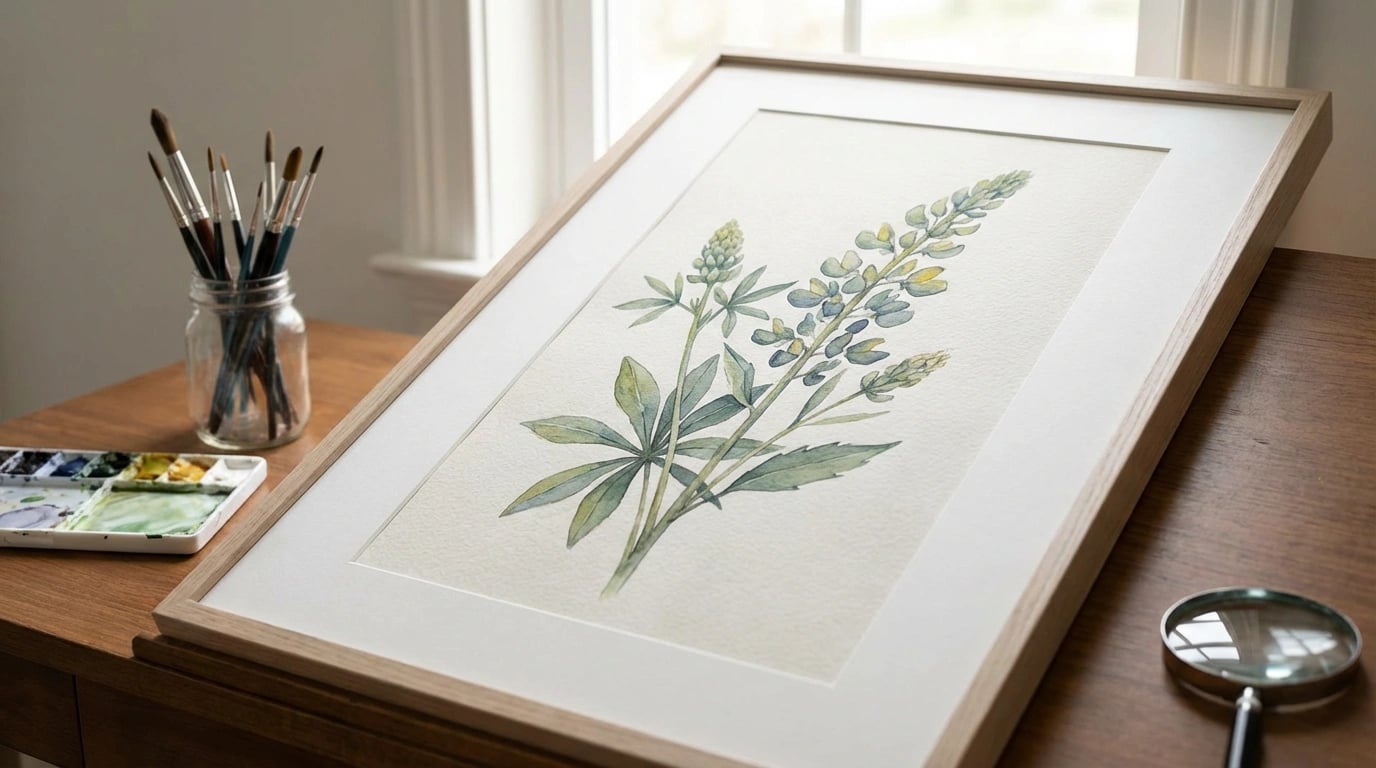
Botanical art represents one of the most captivating and historically significant forms of artistic expression. This comprehensive ultimate guide explores the world of botanical illustration, from its rich history to modern applications in contemporary design. Whether you’re an artist, collector, or simply someone who appreciates the beauty of nature rendered on canvas, this guide will provide you with essential knowledge about botanical art and its enduring appeal.
Botanical art encompasses detailed, scientifically accurate illustrations of plants, flowers, and botanical specimens. Unlike general floral painting, botanical art prioritises precision and educational value, often serving both aesthetic and scientific purposes. This art form has flourished for centuries, evolving from medicinal plant documentation to fine art display pieces. Today, botanical artwork remains highly valued in interior design, botanical research, and fine art collections worldwide.
The History and Evolution of Botanical Illustration
Botanical art boasts a fascinating history spanning centuries. During the Renaissance period, detailed plant illustrations emerged as essential tools for botanists and physicians studying medicinal properties. These early scientific illustrations laid the groundwork for what would become a respected artistic discipline. The botanical art tradition (Wikipedia) demonstrates how this field evolved from pure documentation to celebrated fine art.
The seventeenth and eighteenth centuries witnessed an explosion of botanical art across Europe. Artists like Pierre-Joseph Redouté gained international recognition for their exquisite rose illustrations. These works combined scientific accuracy with artistic beauty, establishing standards that persist today. Major botanical gardens and royal collections became repositories for these treasured artworks, elevating their status beyond mere reference materials.
Australian botanical art holds particular significance in contemporary times. Native flora such as eucalyptus trees and wildflowers have inspired generations of artists. The unique characteristics of Australian plants provide endless creative possibilities. Exploring trees in art and their botanical representations reveals how regional botanicals shape artistic traditions. Furthermore, understanding the hidden stories within Australian eucalyptus art demonstrates the cultural depth these works contain.
Techniques and Materials for Creating Botanical Art

Creating authentic botanical art requires both technical skill and artistic sensibility. Traditional methods employ watercolour, gouache, and pen-and-ink techniques. These mediums allow artists to capture intricate details whilst maintaining vibrant colours. Watercolour remains particularly popular because it enables subtle colour gradations essential for realistic plant representation.
Modern botanical artists employ diverse approaches and materials. Digital illustration has expanded possibilities for contemporary practitioners. However, traditional methods continue to dominate among collectors and galleries. Each technique requires understanding plant anatomy, growth patterns, and seasonal variations. Artists must develop keen observational skills to accurately represent botanical subjects.
Professional botanical illustrators follow established conventions. Subject positioning typically showcases the plant’s defining characteristics—leaves, flowers, root systems, and seed structures. Scale references ensure scientific accuracy. Proper lighting reveals three-dimensional form whilst maintaining botanical clarity. These principles apply whether working with traditional botanical art styles or contemporary botanical art approaches.
Modern Applications and Contemporary Trends

Botanical art transcends gallery walls in contemporary society. Interior designers increasingly incorporate botanical illustrations into home décor schemes. These artworks add sophistication whilst connecting interior spaces with natural elements. Incorporating eucalyptus prints in interior design demonstrates how botanical art enhances modern living spaces. The versatility of botanical subjects means they complement diverse decorative styles.
Fashion, product design, and publishing industries actively utilise botanical artwork. Textile designers draw inspiration from detailed plant illustrations. Publishers commission botanical art for gardening guides, educational materials, and lifestyle publications. Museums and botanical institutions maintain extensive collections, with many now offering high-quality reproductions for public appreciation.
Digital Reproduction and Accessibility
Technology has democratised access to botanical art. High-resolution digital reproductions make museum-quality pieces affordable for everyday collectors. Our shop offers curated botanical artwork selections suitable for various budgets and preferences. Print-on-demand technology allows artists to create small-batch or individual pieces without excessive costs. This accessibility has expanded the botanical art market significantly.
Building Your Own Botanical Art Collection
Starting a botanical art collection requires understanding what resonates with your aesthetic preferences. Consider your space, colour palette, and personal interests. Some collectors focus on specific plant families, geographic regions, or artistic periods. Others prioritise acquiring works by recognised artists or museum-quality pieces.
Quality indicators for botanical artwork include:
- Accurate botanical representation and scientific detail
- Superior colour vibrancy and longevity
- Artist reputation and exhibition history
- Archival-quality materials and framing
- Provenance and authenticity documentation
- Appropriate sizing for your intended display space
Beginning collectors should educate themselves about different styles and periods. Research living artists, historical masters, and emerging talents. Visit galleries, botanical gardens, and museums to experience botanical art directly. Exploring different botanical art styles and periods helps inform your collecting journey. Networking with other collectors provides valuable insights and recommendations.
The Future of Botanical Artwork
Botanical art continues evolving whilst maintaining traditional values. Contemporary artists experiment with mixed media, incorporating photographic elements, collage, and unconventional materials. Sustainability concerns inspire artists to explore environmentally conscious practices. Digital tools augment rather than replace traditional skills, creating hybrid approaches that honour botanical art’s heritage.
Scientific illustration maintains critical importance as biodiversity documentation becomes increasingly urgent. Artists contribute to conservation efforts by creating awareness through beautiful, accurate representations. Understanding eucalyptus trees as artistic muses connects us to broader environmental storytelling. Educational institutions recognise botanical art’s value in teaching plant science, anatomy, and ecology.
The global market for botanical art strengthens annually. Collectors seek authentic, meaningful artwork that combines beauty with substance. Museums expand their botanical collections and present innovative exhibitions exploring the discipline’s significance. Whether you’re beginning your collecting journey or deepening existing expertise, botanical art offers inexhaustible creative and intellectual rewards. Its timeless appeal ensures that botanical artwork will remain cherished for generations to come.
Leave a Reply