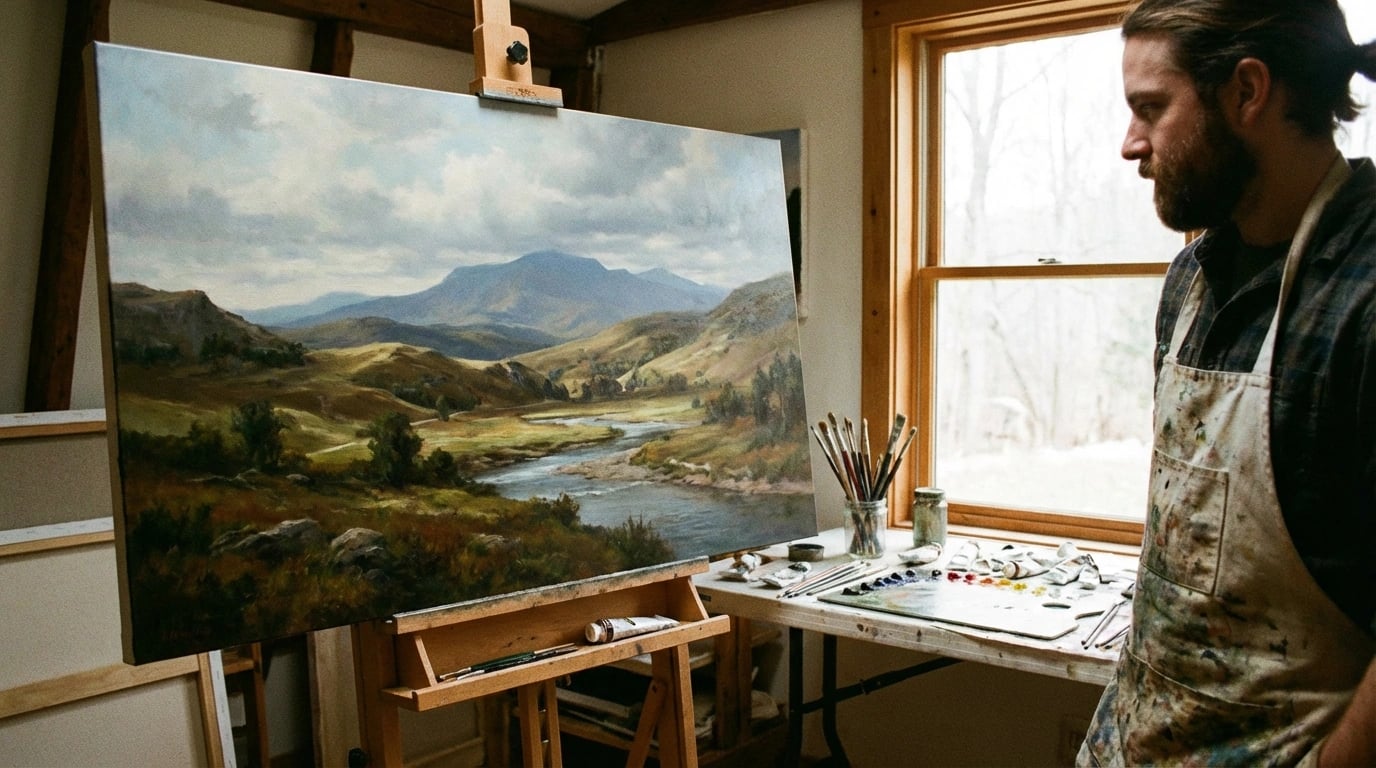
Landscape painting remains one of the most beloved artistic pursuits, yet choosing among the many different approaches available can feel overwhelming for both beginners and experienced artists. Each methodology brings unique characteristics, advantages, and challenges that significantly impact the final artwork. Understanding these varied techniques helps artists select the approach that best aligns with their creative vision, skill level, and the emotional atmosphere they wish to convey.
After evaluating numerous landscape painting approaches through extensive practice and research, the most effective methods include plein air painting for capturing authentic light and atmosphere, studio-based techniques for controlled detailed work, impressionistic approaches for emotional expression, and photorealistic methods for precision. Each approach offers distinct benefits: plein air provides immediacy and spontaneity, studio work allows refinement and contemplation, impressionism emphasizes mood over detail, while photorealism demands technical mastery. The optimal choice depends on your artistic goals, available time, environmental constraints, and personal aesthetic preferences.
Plein Air Painting: Capturing Nature’s Authentic Moment
Plein air painting involves working directly outdoors, facing your subject in real-time. This approach, championed by the French Impressionists, offers unparalleled authenticity in capturing natural light, atmospheric conditions, and the genuine essence of a landscape. The immediacy of this method forces quick decision-making and confident brushwork.
The primary advantage of plein air work lies in its ability to capture transient lighting conditions that photographs simply cannot replicate. Artists experience the temperature, sounds, and smells of their environment, which unconsciously influences their color choices and compositional decisions. However, this approach presents significant challenges: changing light conditions require rapid work, weather can be unpredictable, and carrying equipment outdoors demands physical effort.
Pros of Plein Air Painting
- Authentic color relationships impossible to achieve from photographs
- Immediate connection with the subject matter
- Develops observational skills and color perception rapidly
- Creates energetic, spontaneous brushwork
- Builds confidence in quick decision-making
Cons of Plein Air Painting
- Weather dependency limits working opportunities
- Rapidly changing light conditions create time pressure
- Equipment transport can be cumbersome
- Limited ability to create highly detailed work
- Public settings may present distractions
For artists interested in mastering outdoor painting techniques, exploring essential landscape painting techniques provides foundational knowledge applicable to field work. Additionally, developing comprehensive landscape skills helps overcome the unique challenges plein air painting presents.
Studio-Based Approach: Controlled Precision and Refinement
Studio-based landscape painting offers complete environmental control, allowing artists to work from photographs, sketches, or memory within a comfortable setting. This methodology enables meticulous detail work, layering techniques, and extended contemplation periods that outdoor painting cannot accommodate. Moreover, studio work eliminates weather concerns and time constraints associated with changing light.
The controlled environment of a studio allows artists to manipulate compositions freely, combine elements from multiple references, and achieve technical excellence through repeated refinement. Artists can experiment with diverse color palette approaches without the pressure of rapidly shifting natural light. This approach particularly suits artists creating large-scale works or those requiring precise architectural elements.
Nevertheless, studio painting carries inherent limitations. Working from photographic references can flatten perspective and compress tonal ranges compared to direct observation. The emotional disconnect from the actual landscape sometimes results in less spontaneous, overly calculated compositions. Artists must consciously inject vitality into their work to avoid sterile, photographic reproduction.
Recommended Studio Approach
For optimal results, combine field studies with studio refinement. Create quick plein air sketches or color studies on location, then develop finished pieces in the studio using these authentic references. This hybrid method captures the best aspects of both approaches while minimizing their respective weaknesses.
Impressionistic Technique: Emotion Over Exactitude
Impressionistic landscape painting prioritizes capturing the impression of a scene rather than photographic accuracy. This approach emphasizes visible brushstrokes, vibrant color juxtaposition, and the emotional atmosphere of a moment. Artists working impressionistically often apply paint in distinct dabs and strokes, allowing optical color mixing when viewed from appropriate distances.
This technique excels at conveying mood, light quality, and temporal conditions—sunrise’s warmth, midday’s brilliance, or twilight’s mystery. Impressionistic work typically progresses rapidly, maintaining freshness and spontaneity throughout the piece. The looseness of this approach forgives technical imperfections while celebrating paint quality and gestural expression.
Understanding historical landscape art movements provides context for impressionistic techniques and their revolutionary impact. Furthermore, examining global landscape art styles reveals how impressionism influenced subsequent artistic developments worldwide.
Key Characteristics
- Broken color application rather than smooth blending
- Emphasis on light effects and atmospheric conditions
- Visible, directional brushwork contributing to movement
- Elevated chroma and unexpected color relationships
- Simplified forms focusing on overall impression
Impressionistic painting works exceptionally well for artists seeking emotional expression over technical precision. However, it requires solid understanding of color theory and confident brushwork to succeed. Beginners sometimes struggle with the apparent looseness, initially producing muddy results before developing the necessary control.
Photorealistic Method: Technical Mastery and Detail
Photorealistic landscape painting aims to replicate photographic accuracy through meticulous technique, precise observation, and extraordinary patience. This approach demands exceptional technical skill, understanding of light physics, and ability to render minute details convincingly. Artists typically work from high-quality photographic references, employing thin glazes, careful blending, and systematic layering.
The photorealistic method showcases supreme technical ability and creates stunning visual impact. These paintings often provoke the response, “I thought it was a photograph!” which represents the approach’s primary goal. This technique particularly suits subjects with intricate details—textured bark, reflective water surfaces, or architectural elements within landscapes.
However, photorealism requires substantial time investment, sometimes weeks or months for a single piece. The tedious nature of this work can diminish spontaneity and artistic interpretation. Additionally, some critics argue that photorealistic painting merely duplicates what cameras accomplish more efficiently, though proponents counter that the human touch and intentional selection process distinguish it fundamentally from photography.
Technical Requirements
- High-quality reference photographs with excellent resolution
- Systematic grid transfer methods or projector setup
- Superior brush control for smooth gradations
- Comprehensive understanding of color temperature and value
- Patience for extended, methodical work sessions
Mixed Media Innovation: Blending Approaches for Unique Results
Contemporary landscape artists increasingly embrace mixed media approaches, combining traditional painting with collage, digital elements, textural additives, or unconventional materials. This innovative methodology breaks conventional boundaries, allowing unprecedented creative freedom and distinctive visual signatures. Artists might incorporate actual leaves, sand, or natural materials into paint surfaces, or combine watercolor washes with acrylic details.
Mixed media approaches enable artists to emphasize particular landscape elements through material contrast. For instance, smooth painted skies might juxtapose against heavily textured foregrounds created with palette knife work and added materials. This versatility allows artists to develop highly personal styles that distinguish their work in competitive markets.
Those interested in exploring varied creative approaches should review comprehensive creative methods for landscape art. Additionally, understanding fundamental elements of great landscape art provides essential foundation regardless of chosen approach. Once you’ve created compelling landscape artwork, our print shop can help transform your pieces into professional-quality reproductions.
Final Recommendations
After thoroughly evaluating these different landscape painting approaches, beginners should start with studio-based work using simplified impressionistic techniques. This combination provides controlled learning conditions while encouraging expressive freedom over intimidating precision. As skills develop, progressively incorporate plein air sessions to sharpen observational abilities and color perception.
Intermediate artists benefit from specializing in one primary approach while maintaining secondary methods for variety and continued growth. Advanced painters often synthesize multiple approaches, selecting techniques based on specific subject requirements rather than adhering rigidly to single methodologies. Ultimately, the most successful landscape painters develop flexible skill sets, adapting their approach to serve each unique creative vision rather than forcing subjects into predetermined technical frameworks.

|
joerussell Australian abstract artists based in Byron Bay and curator of the GumPrints art print collection. |
Leave a Reply