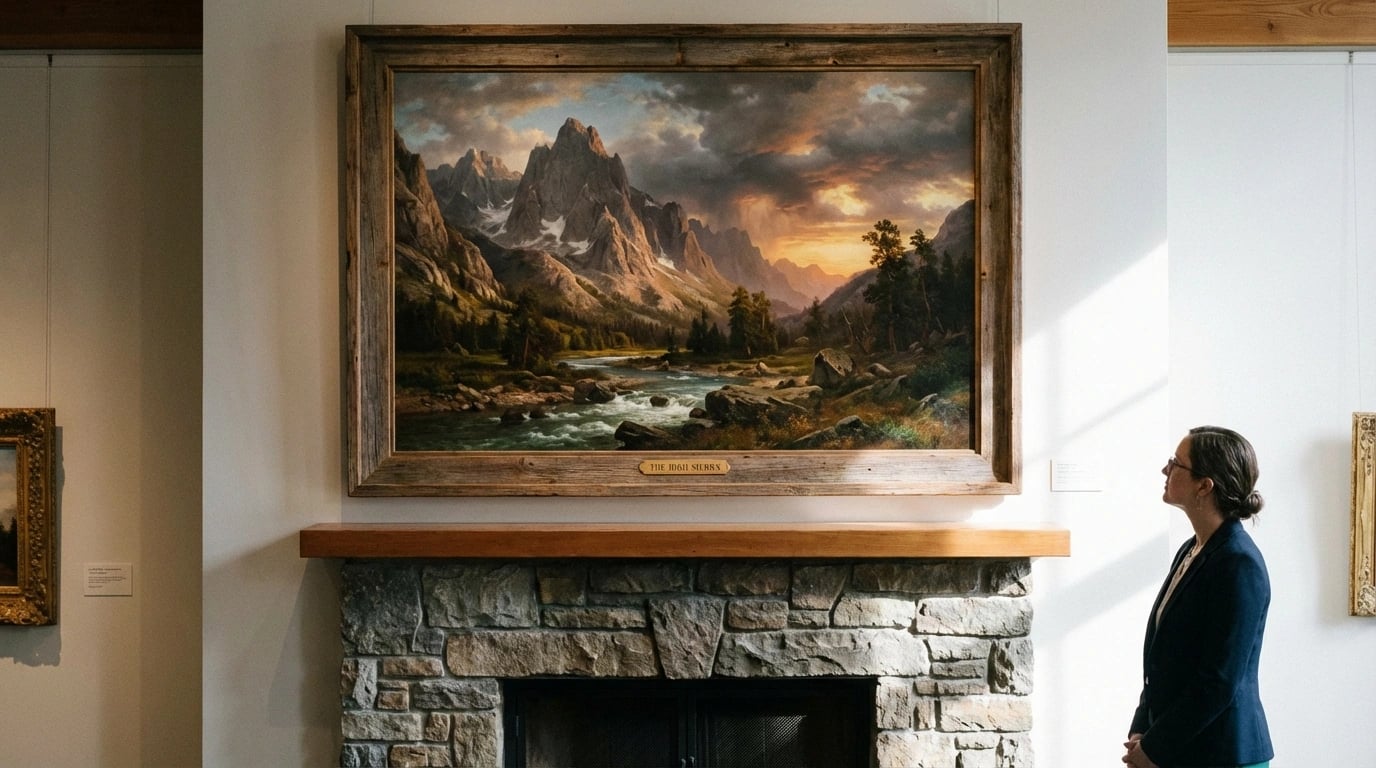
Whether you’re a beginner artist or an experienced painter, exploring landscape painting techniques opens up a world of creative possibilities. Landscape art has captivated artists for centuries, offering endless opportunities to capture the natural world’s beauty and complexity. Mastering various techniques allows you to develop your unique artistic voice while creating stunning representations of nature.
The seven essential landscape painting techniques covered in this article provide a foundation for creating compelling outdoor scenes. From atmospheric perspective that adds depth to your compositions, to alla prima methods for capturing fleeting light, these approaches will enhance your ability to translate the natural world onto canvas. Understanding these fundamental techniques enables you to work more confidently across different mediums and styles, whether you prefer traditional oil painting or modern mixed-media approaches.
Atmospheric Perspective for Depth
Atmospheric perspective creates the illusion of depth by mimicking how the atmosphere affects distant objects. This technique involves reducing color intensity, detail, and contrast as elements recede into the background. Additionally, cooler colors and lighter values effectively suggest distance in landscape compositions.
To apply this technique, gradually shift your palette from warm, saturated colors in the foreground to cooler, muted tones in the background. Furthermore, sharpen details and increase contrast for nearby objects while softening edges and reducing clarity for distant features. This approach naturally guides the viewer’s eye through your composition while establishing a convincing sense of space. Landscape art creative methods often incorporate this fundamental principle to achieve realistic spatial relationships.
Alla Prima: Wet-on-Wet Painting
The alla prima technique, meaning “at first attempt” in Italian, involves completing a painting in a single session while the paint remains wet. This direct approach creates fresh, spontaneous results with vibrant color mixing that occurs directly on the canvas. Consequently, artists can capture the immediacy of a landscape scene without overthinking their brushstrokes.
This method works particularly well for plein air painting, where changing light conditions demand quick work. Moreover, the wet-on-wet approach allows colors to blend seamlessly on the canvas, creating soft transitions and atmospheric effects. However, it requires confident brushwork and decisive color choices since extensive reworking isn’t possible.
Layering and Glazing
Layering and glazing techniques build depth through transparent or semi-transparent paint applications over dried layers. This method allows for luminous color effects that cannot be achieved through direct mixing. Therefore, artists can create rich, complex hues while maintaining clarity and brilliance in their landscape paintings.
Start with an underpainting, then apply thin glazes once each layer dries completely. Each subsequent layer modifies the colors beneath while allowing light to penetrate and reflect back through multiple paint films. This technique excels at rendering translucent atmospheric effects, water reflections, and subtle color variations found in natural landscapes. Many historical landscape art movements relied heavily on glazing to achieve their characteristic luminosity.
Impasto Texture Application
Impasto involves applying paint thickly to create raised, textured surfaces that catch light and cast shadows. This dimensional quality adds tactile interest and visual energy to landscape paintings. Furthermore, the technique works beautifully for depicting rough terrain, tree bark, choppy water, or billowing clouds.
Use a palette knife or stiff brushes to build up paint layers, leaving visible marks that contribute to the composition’s energy. The three-dimensional quality of impasto creates dynamic interplay between light and shadow across the paint surface. However, remember that thick paint requires extended drying time and can crack if applied improperly over lean layers.
Underpainting Foundation
Underpainting establishes the composition’s tonal structure before applying final colors. This preparatory layer typically uses monochromatic or limited color palettes to map out values and shapes. Consequently, artists can resolve compositional issues early without the distraction of complex color relationships.
Traditional approaches include grisaille (gray tones) or verdaccio (greenish-brown tones) underpaintings that provide a neutral foundation. Additionally, some artists use colored grounds that harmonize with the landscape’s overall mood—warm tones for sunny scenes or cool tones for misty atmospheres. This technique appears frequently in various global landscape art styles, providing structural integrity to finished works.
Plein Air Observation
Plein air painting involves working outdoors directly from nature rather than photographs or memory. This practice sharpens observational skills while capturing authentic light, color, and atmospheric conditions. Moreover, painting on location provides immediate sensory feedback about temperature, scale, and spatial relationships that photographs cannot convey.
The challenges of changing light and weather conditions encourage decisive, efficient painting techniques. Working quickly outdoors trains your eye to identify essential elements while eliminating unnecessary details. Furthermore, this direct engagement with nature often produces more authentic, energetic results than studio work. Consider exploring our landscape art print collection for inspiration before heading outdoors with your easel.
Color Temperature Mastery
Understanding and manipulating color temperature—the warmth or coolness of hues—significantly impacts landscape painting’s mood and spatial depth. Warm colors (reds, oranges, yellows) advance visually while cool colors (blues, greens, purples) recede. Therefore, strategic temperature shifts create dimensional space and atmospheric effects naturally.
Observe how sunlight warms surfaces while shadows contain cooler reflected light from the sky. Additionally, notice temperature variations within single colors—some greens lean toward warm yellow-greens while others shift toward cool blue-greens. Mastering these subtle distinctions elevates landscape paintings from flat representations to convincing three-dimensional spaces. Understanding the elements of great landscape art includes recognizing how temperature relationships establish harmony and depth throughout compositions.
These seven essential techniques form the foundation of successful landscape painting across all styles and mediums. By systematically practicing each approach, you’ll develop versatility and confidence in capturing nature’s endless variety. Remember that mastery comes through consistent application—start by focusing on one technique at a time before integrating multiple methods into your workflow.

|
joerussell Australian abstract artists based in Byron Bay and curator of the GumPrints art print collection. |
Leave a Reply