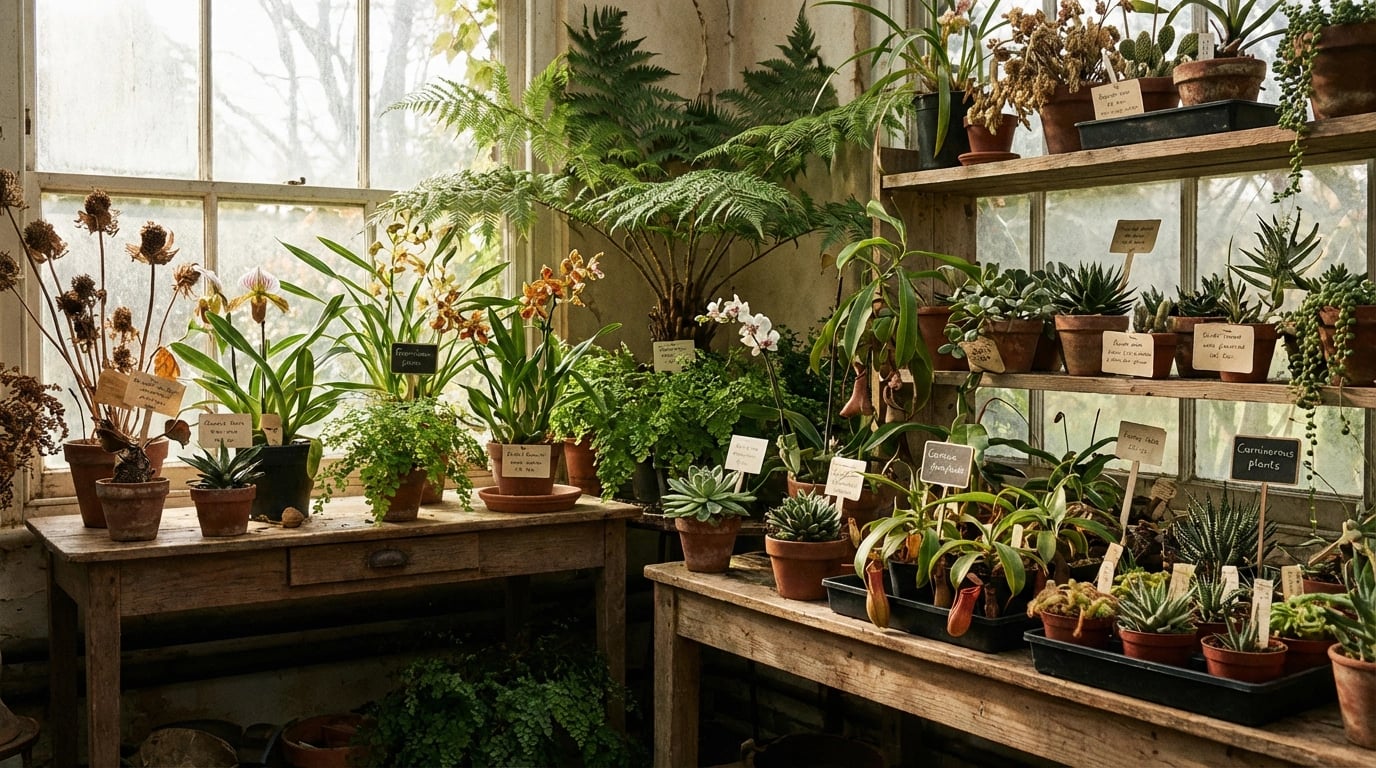
Understanding the unique characteristics of plant kingdoms is essential for botanists, gardeners, and nature enthusiasts alike. Whether you’re studying plant biology, cultivating your own garden, or simply deepening your appreciation for the natural world, recognizing distinctive features across different plant groups can transform your understanding of how plants function and interact with their environments. This guide will walk you through the systematic process of identifying and understanding what makes each plant kingdom truly exceptional.
Plant kingdoms are classified based on several fundamental characteristics, including their reproductive methods, cellular structures, vascular systems, and evolutionary adaptations. By learning to identify these distinguishing features, you’ll gain valuable insight into plant classification and appreciate the remarkable diversity within the plant world. The key is to develop a methodical approach to observation and analysis that works whether you’re examining specimens in your garden or studying botanical references.
Learn the Four Major Plant Kingdom Categories
The plant kingdom divides primarily into four major categories, each with distinctive characteristics that set them apart. Understanding these fundamental groups forms the foundation for identifying any plant’s unique qualities. The four categories include bryophytes (mosses and liverworts), pteridophytes (ferns), gymnosperms (conifers and related plants), and angiosperms (flowering plants).
Bryophytes represent the most primitive plants and lack true vascular tissue. These small plants thrive in moist environments and reproduce through spores. Meanwhile, pteridophytes like ferns possess vascular tissue but still reproduce via spores rather than seeds. Gymnosperms produce naked seeds without flower structures, while angiosperms represent the most advanced group, featuring enclosed seeds within fruit structures.
As you study plant evolution and adaptation, you’ll discover how each group developed specialized traits suited to their ecological niches. This evolutionary perspective helps explain why certain plants thrive in specific conditions while others struggle in unfamiliar environments.
Identifying Bryophytes in Nature
Bryophytes are among the easiest plants to recognize due to their diminutive size and preference for damp locations. Look for soft, moss-like plants growing on rocks, fallen logs, or moist soil. These plants lack roots, instead using rhizoids—hair-like structures—to anchor themselves and absorb moisture. Their small stature and reliance on water for reproduction make them distinctly different from all other plant groups.
Recognizing Pteridophytes and Ferns
Ferns display characteristic fronds with distinctive patterns, making them relatively easy to identify. The underside of mature fronds contains sporangia—small structures that release spores for reproduction. Unlike flowering plants, ferns never produce seeds or flowers. Their feathery appearance and preference for shaded, moist areas provide additional identification clues.


Examine Reproductive Methods and Structures
Reproductive methods represent one of the most reliable ways to distinguish between plant kingdoms. Examining how a plant reproduces—whether through spores, naked seeds, or enclosed seeds—immediately narrows your classification options. This step-by-step approach eliminates guesswork and provides concrete answers about plant identity.
Begin by searching for evidence of reproductive structures on your specimen. Look for flowers, cones, seed pods, or spore-releasing structures. The presence or absence of these features tells you immediately which kingdom the plant belongs to. Flowers and fruit indicate angiosperms, while naked cones suggest gymnosperms. Spore cases indicate either bryophytes or pteridophytes.
Spotting Seed-Producing Plants
Seed-producing plants—both gymnosperms and angiosperms—represent the most advanced evolutionary development. Seeds provide the plant embryo with stored nutrition and protective coating, enabling survival in diverse environments. When examining a potential seed-producing plant, look for mature seed structures that vary dramatically between the two groups. Gymnosperms display seeds in open cones, while angiosperms enclose seeds within fleshy fruits or protective pods.
Recognizing Spore Reproduction Indicators
Plants that reproduce through spores rather than seeds display distinctive characteristics worth learning. Spores are single-celled reproductive units far more primitive than seeds. They’re often invisible to the naked eye but cluster together in visible structures. When you examine the undersides of fern fronds or the capsules of moss plants, you’re looking at spore-producing organs that evolved over millions of years.
Observe Vascular and Cellular Characteristics
The presence or absence of vascular tissue—the plant’s internal transportation system—fundamentally shapes how plants grow and function. Vascular plants possess specialized tissues called xylem and phloem that transport water, minerals, and nutrients throughout the plant body. Non-vascular plants lack these systems entirely, limiting their size and growth potential significantly.
To determine whether your plant specimen has vascular tissue, examine its stem closely. Vascular plants typically display visible veining in their leaves and structured stems capable of supporting substantial height. Non-vascular plants appear fragile and delicate, rarely exceeding a few inches in height. This observable difference provides an immediate classification clue that requires no special equipment.
Understanding botanical structures and features helps you appreciate the intricate systems that enable plants to thrive. The visual complexity you observe in plant anatomy reflects millions of years of evolutionary refinement.
Distinguishing True Roots from Rhizoids
Real roots possess vascular tissue and actively absorb water and minerals from soil. Rhizoids, found in bryophytes, are simple hair-like structures serving primarily anchoring functions. By examining the base of your plant specimen, you can determine whether it possesses true roots or simple rhizoids. This distinction immediately eliminates entire plant categories from consideration.
Examining Leaf Structure and Venation
Leaf veining patterns vary significantly between plant kingdoms. Flowering plants display complex vein networks—either parallel or netted—that reflect their advanced vascular systems. Ferns show characteristic vein patterns on their fronds, while bryophytes lack true leaves entirely, instead possessing simple leaf-like structures without internal vein systems. Careful leaf examination provides diagnostic information about plant classification.
Identify Growth Patterns and Adaptations
Different plant kingdoms exhibit distinctive growth patterns reflecting their evolutionary history and ecological adaptations. Observing these patterns helps you understand not only what type of plant you’re examining but also how it survives within its specific environment. Growth habit—whether upright, creeping, or branching—provides significant classification clues.
Bryophytes grow in low mats or cushions, never producing substantial height. Ferns develop characteristic coiled fiddleheads as new growth emerges, a feature unique to this plant group. Gymnosperms often display conical growth patterns with branches extending to the ground, while many angiosperms produce diverse growth forms ranging from herbaceous to woody structures.
When examining plants in natural settings or your own garden, take time to observe distinctive leaf characteristics and growth patterns that reflect each plant’s unique adaptations. This observation practice strengthens your classification abilities immensely.
Recognizing Environmental Adaptations
Plants develop specialized adaptations enabling survival in specific environments. Ferns thrive in shade and moisture, displaying thin leaves optimized for low-light conditions. Gymnosperms develop needle-like or scale-like leaves reducing water loss in harsh climates. Angiosperms exhibit the widest range of adaptations, from desert succulents to aquatic plants. These visible adaptations provide insights into where plants naturally occur and what conditions they prefer.
Understanding Seasonal Changes
Observing how plants change seasonally reveals important classification information. Deciduous angiosperms shed leaves annually, while evergreen gymnosperms and ferns maintain foliage year-round. Bryophytes respond dramatically to moisture availability, appearing vibrant when wet and dormant when dry. These behavioral patterns help confirm your plant classifications and deepen your understanding of plant biology.
Practice Classification in Your Own Space
The most effective way to master plant kingdom identification is through consistent hands-on practice. Whether you maintain a garden, tend houseplants, or explore local natural areas, surrounding plants provide endless learning opportunities. Start by identifying common plants within each kingdom, gradually expanding your expertise to less familiar species.
Create a personal plant identification system documenting the specimens you encounter. Photograph or sketch plants, noting their reproductive structures, vascular characteristics, growth patterns, and environmental preferences. Over time, this practice builds pattern recognition skills that enable rapid, confident identification. You’ll develop an intuitive sense for how plants are classified, even when encountering unfamiliar species.
Consider exploring collections of botanical artwork and illustrations that showcase plant diversity across different kingdoms. Visual representation of plant characteristics reinforces your learning while inspiring appreciation for botanical beauty.
Documenting Your Observations
Maintain detailed observation notes for each plant specimen you study. Record the plant’s name, location, growth habit, reproductive structures, leaf characteristics, and any notable adaptations. This documentation serves multiple purposes: it reinforces your learning, creates a reference guide for future identification, and helps you spot patterns across different plant groups. Over weeks and months, these notes become an invaluable personal botanical reference.
Comparing Plants Across Kingdoms
The most effective learning approach involves direct comparison between plants from different kingdoms. When you examine a moss, a fern, a gymnosperm, and an angiosperm side-by-side, the distinctive characteristics become immediately apparent. Visit botanical gardens, natural history museums, or explore natural areas featuring diverse plant species to expose yourself to varied specimens. This comparative study accelerates your classification mastery significantly.
By following these systematic steps and practicing consistently, you’ll develop comprehensive knowledge of plant kingdom characteristics. This understanding enriches your gardening pursuits, deepens your nature appreciation, and enables confident plant identification in any setting. The natural world’s botanical diversity becomes increasingly fascinating as you recognize the unique features distinguishing each plant group, transforming casual observation into informed botanical understanding.

|
joerussell Australian abstract artists based in Byron Bay and curator of the GumPrints art print collection. |
Leave a Reply