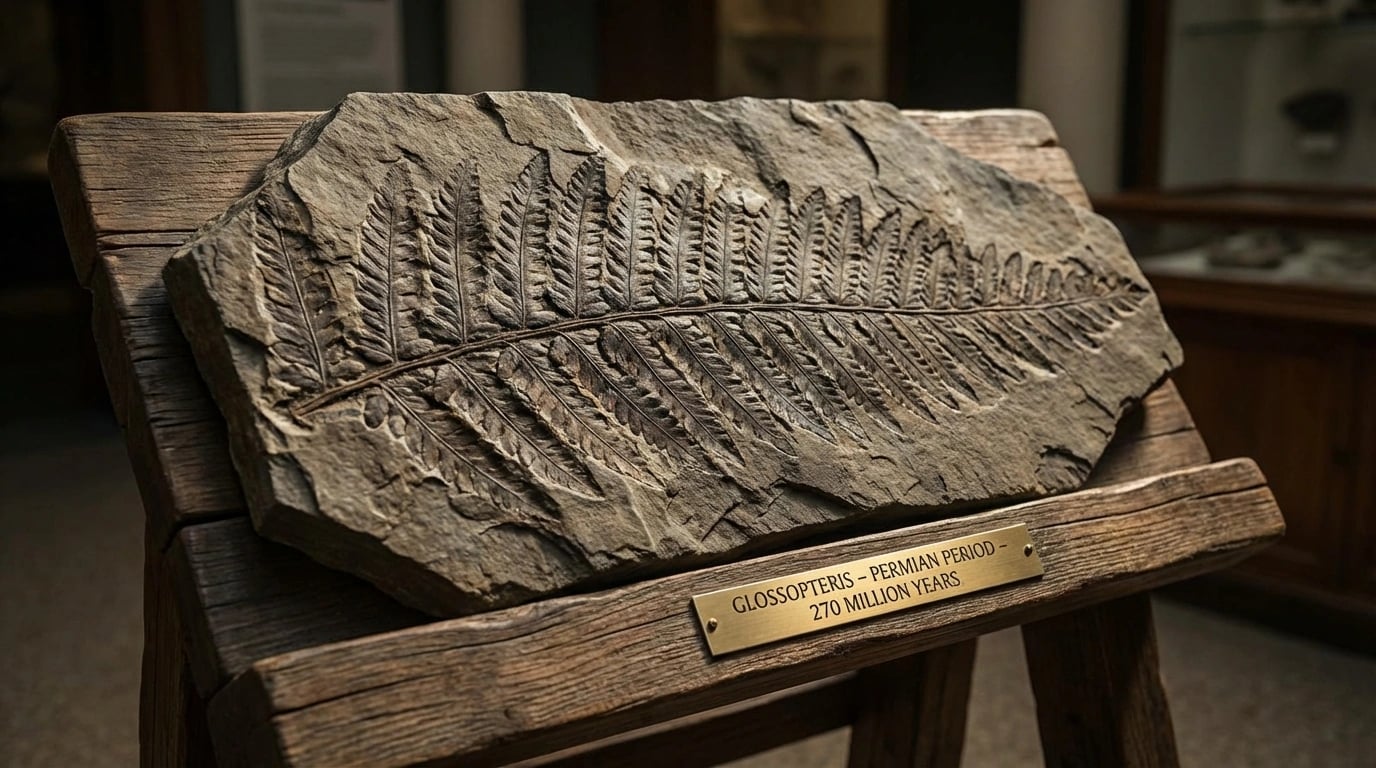
Plants are among Earth’s most remarkable organisms, having evolved over hundreds of millions of years to thrive in virtually every terrestrial environment. Understanding plant evolution and adaptation reveals how these living systems developed sophisticated strategies to survive, reproduce, and flourish across diverse climates and conditions. From the earliest land colonizers to modern flowering species, plants demonstrate nature’s incredible capacity for innovation and resilience.
Plant evolution represents one of the most transformative stories in biological history. Early plants emerged from aquatic algae approximately 450 million years ago, developing the structural and physiological innovations necessary for life on land. This transition required revolutionary adaptations: protective outer layers to prevent water loss, vascular systems to transport nutrients and water internally, and reproductive mechanisms suited to terrestrial environments. Over millennia, plants diversified into hundreds of thousands of species, each refined by natural selection to exploit specific ecological niches. Today’s plant kingdom showcases the cumulative effects of adaptation—from towering trees with root systems that anchor them against wind to desert succulents storing water in fleshy leaves.
The mechanisms driving plant adaptation operate continuously across generations. Environmental pressures such as drought, flooding, temperature extremes, and competition for sunlight have sculpted plant physiology and morphology in remarkable ways. Xerophytic plants in arid regions developed waxy cuticles and reduced leaf surface areas to minimize water loss. Conversely, hydrophytic plants adapted to wetland environments with air-filled tissues for buoyancy and roots designed for waterlogged soils. Photosynthetic efficiency, root architecture, seed dispersal mechanisms, and chemical defenses against herbivores all represent solutions evolved through countless generations of natural selection.


Contemporary plant adaptation extends beyond inherited traits into dynamic responses within single organisms. Plants exhibit remarkable phenotypic plasticity—the ability to modify their growth patterns and physiology in response to immediate environmental conditions. A seedling receiving limited light will elongate its stems to reach sunlight, while one exposed to strong wind will develop thicker, stronger stems. These responsive adaptations occur without genetic changes and demonstrate plants’ sophisticated sensory capabilities. Plants perceive light quality, gravity, touch, and chemical signals, integrating this information through hormonal signaling systems that guide development and survival.
Flowering plants, or angiosperms, represent perhaps the most dramatic example of adaptive radiation in plant history. Their appearance roughly 130 million years ago transformed terrestrial ecosystems. Flowers evolved as sophisticated reproductive structures, attracting specific animal pollinators through color, scent, and nectar rewards. This coevolutionary relationship between flowers and insects created mutual dependencies that accelerated diversification in both groups. The success of angiosperms demonstrates how adaptation extends beyond survival mechanisms to include reproductive strategies and ecological partnerships. Today, flowering plants dominate terrestrial vegetation and provide the foundation for most terrestrial food webs.
Understanding plant evolution and adaptation carries profound significance for modern conservation and agriculture. As climate change rapidly alters environmental conditions worldwide, knowledge of how plants adapt helps scientists predict species responses and identify populations with beneficial traits. Botanical researchers explore wild plant relatives of crops to discover genetic resources conferring drought tolerance, disease resistance, or enhanced nutrition. Additionally, studying historical plant adaptation informs efforts to preserve biodiversity and restore degraded ecosystems. Botanical art and scientific illustration have long served to document plant diversity, celebrating the visual richness that evolution has produced.
The study of plant evolution continues revealing new insights into how life diversifies and persists. Advances in molecular genetics allow scientists to trace evolutionary relationships among plant species with unprecedented precision, revealing deep connections between seemingly disparate groups. Fossil records provide snapshots of ancient plant communities and the transitions that shaped modern floras. Gum trees’ living ink palette reminds us that evolution produces not merely functional organisms but visually stunning diversity worthy of appreciation and study. By comprehending how plants adapted to past challenges, we gain perspective on their potential to adapt to future ones, underscoring why botanical knowledge remains essential for environmental stewardship and human survival.

|
joerussell Australian abstract artists based in Byron Bay and curator of the GumPrints art print collection. |
Leave a Reply