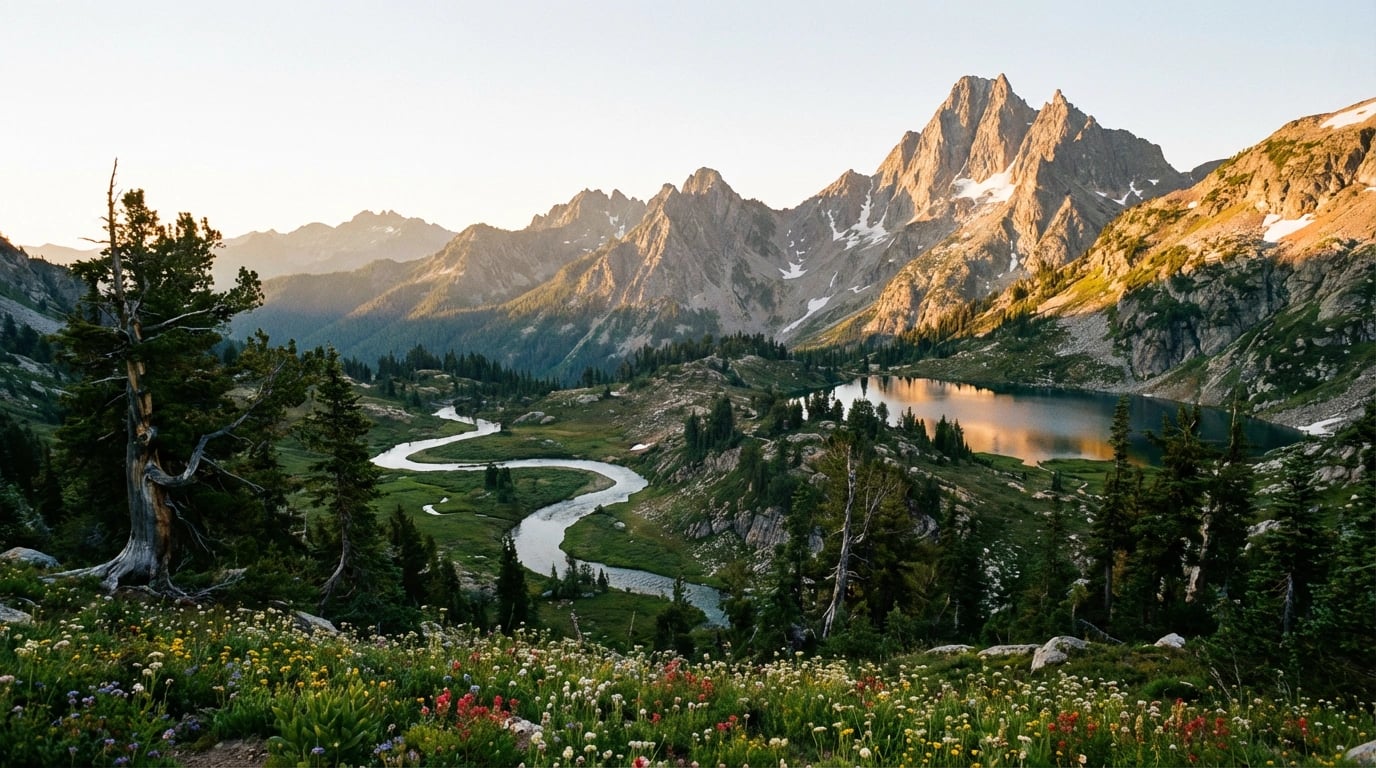
Understanding what makes great landscape art is essential for anyone looking to enhance their home with meaningful, visually stunning pieces. Whether you’re a collector, interior designer, or simply someone who appreciates natural beauty captured on canvas, knowing the fundamental elements that elevate landscape art from ordinary to extraordinary will transform how you select and appreciate these works. This comprehensive guide explores every aspect of landscape artistry, from composition and color theory to emotional resonance and technical mastery.
Great landscape art combines technical skill with emotional depth, creating works that transcend mere representation of nature. The finest landscape pieces balance composition, color harmony, light handling, perspective, and emotional impact to create timeless works that resonate with viewers across generations. These elements work together synergistically—each supporting and enhancing the others—to produce artwork that captures not just the physical appearance of a scene, but its essence, mood, and spirit. Moreover, exceptional landscape art invites viewers into a visual journey, encouraging them to explore the scene with their eyes while evoking memories, emotions, and personal connections to the natural world.
Composition: The Foundation of Visual Impact
Composition serves as the architectural blueprint of landscape art, determining how elements arrange themselves within the frame to guide the viewer’s eye. The most successful landscape compositions employ established principles like the rule of thirds, leading lines, and focal points to create visual hierarchy and balance. These foundational techniques prevent artwork from feeling static or chaotic, instead establishing a clear path for the eye to follow through the piece.
Furthermore, exceptional landscape artists understand how to create depth through layering—establishing distinct foreground, middle ground, and background elements. This spatial organization mimics how we naturally perceive landscapes in real life, creating an immersive quality that draws viewers into the scene. Additionally, the placement of horizon lines plays a crucial role; positioning them in the upper third emphasizes expansive land or water, while lower placement celebrates dramatic skies.
Balancing Symmetry and Asymmetry
Great landscape art typically avoids perfect symmetry, which can feel artificial and unstimulating. Instead, artists create dynamic tension through asymmetrical balance, where visual weight distributes unevenly yet harmoniously across the canvas. This approach mirrors nature’s organic irregularity, making compositions feel authentic and alive rather than staged or manufactured.
Consequently, viewers experience a sense of natural rhythm when engaging with well-composed landscape art. The strategic placement of trees, rocks, water features, and other elements creates visual anchors that hold the composition together while maintaining interest throughout the entire piece.
Color Harmony and Palette Selection
Color relationships in landscape art profoundly impact emotional response and visual cohesion. Masterful landscape artists demonstrate sophisticated understanding of color theory, utilizing complementary, analogous, or triadic color schemes to create harmony or deliberate contrast. The palette chosen sets the mood—warm oranges and reds evoke sunset serenity or autumn warmth, while cool blues and greens suggest tranquility or distance.
Moreover, color temperature plays a critical role in establishing atmospheric depth. Warm colors naturally advance toward the viewer, while cool colors recede into the background. This phenomenon, when skillfully applied, enhances the illusion of three-dimensional space on a two-dimensional surface. Artists who understand this principle create landscapes with remarkable spatial depth and realism.
Seasonal and Regional Color Authenticity
Exceptional landscape art captures the distinctive color signatures of specific seasons and geographical locations. The silvery-green hues of Australian eucalyptus landscapes differ dramatically from the rich browns and greens of European forests. Similarly, spring meadows demand different palettes than winter mountain scenes. This authenticity connects viewers to specific places and times, creating powerful associative memories.
Therefore, artists who study their subjects thoroughly—observing how light interacts with local vegetation, water, and terrain—produce work with genuine sense of place. This commitment to color accuracy elevates landscape art beyond generic nature scenes to become specific, memorable visual experiences.
Light, Shadow, and Atmospheric Perspective
Light represents perhaps the most transformative element in landscape art, capable of turning ordinary scenes into extraordinary moments. The quality, direction, and intensity of light dramatically alter how we perceive landscapes—the golden hour bathes everything in warmth, overcast skies create even, subdued tones, while dramatic backlighting produces striking silhouettes and contrasts.
Additionally, shadows serve as more than mere absence of light; they define form, create contrast, and establish time of day. Skillful shadow rendering demonstrates technical proficiency while adding depth and dimensionality to otherwise flat surfaces. Shadows also contribute to mood—long, dramatic shadows suggest early morning or late afternoon, while short shadows indicate midday.
Atmospheric Perspective and Distance
Atmospheric perspective, also called aerial perspective, describes how atmosphere affects our perception of distant objects. This phenomenon causes distant elements to appear lighter, bluer, and less detailed than foreground elements. Great landscape artists masterfully employ this principle, progressively softening edges and reducing contrast as elements recede into the distance.
According to atmospheric perspective principles in art, this technique creates convincing depth perception. Consequently, viewers experience landscapes as expansive, three-dimensional spaces rather than flat representations, enhancing the immersive quality that distinguishes exceptional work from mediocre attempts.
Technical Mastery and Brushwork
Technical proficiency forms the foundation upon which artistic vision manifests. Great landscape artists possess comprehensive understanding of their chosen medium—whether oil, watercolor, acrylic, or digital—and demonstrate control over fundamental techniques. This mastery allows them to execute their creative vision without technical limitations constraining their expression.
Furthermore, brushwork quality reveals an artist’s skill level and intentionality. Confident, purposeful strokes convey energy and spontaneity, while careful, controlled application demonstrates precision and patience. The best landscape artists vary their brushwork throughout a piece, using loose, expressive marks in some areas while rendering critical focal points with meticulous detail.
Medium-Specific Techniques
Each artistic medium offers unique possibilities and challenges for landscape representation. Watercolor artists exploit transparency and flow to create luminous skies and atmospheric effects. Oil painters leverage rich texture and blending capabilities to build complex color relationships. Understanding these medium-specific characteristics allows artists to maximize expressive potential while working within technical parameters.
Therefore, collectors and enthusiasts benefit from understanding these technical distinctions when selecting landscape art prints for their homes. Recognition of technical excellence enhances appreciation and helps identify truly exceptional work.
Emotional Resonance and Storytelling
Beyond technical excellence, great landscape art connects with viewers on emotional and psychological levels. These works transcend literal representation to evoke feelings, memories, and contemplative states. Whether conveying the peaceful solitude of a misty morning, the drama of an approaching storm, or the joy of a sunlit meadow, emotionally resonant landscapes touch something fundamental in human experience.
Moreover, narrative elements can elevate landscape art beyond pure scenery. A solitary tree might suggest endurance and resilience, a winding path invites exploration and journey, while turbulent skies hint at change or challenge. These subtle storytelling elements engage viewers’ imaginations, transforming passive observation into active participation.
Personal Connection and Universal Themes
The most powerful landscape art balances personal artistic vision with universal themes that resonate across cultures and generations. Natural environments connect us to fundamental human experiences—the passage of seasons reflects life cycles, water symbolizes change and continuity, mountains represent challenges or aspirations. Artists who tap into these archetypal associations create work with lasting relevance.
Consequently, emotionally intelligent landscape art maintains its impact over time, continuing to speak to new viewers long after its creation. This enduring quality separates truly great work from trendy or superficial pieces that lose relevance as tastes change.
Subject Matter and Unique Perspective
While technique and composition matter tremendously, subject matter selection distinguishes memorable landscape art from forgettable work. Great artists possess the vision to recognize compelling scenes that others might overlook—discovering beauty in ordinary moments, unusual vantage points, or underappreciated locations. This fresh perspective invites viewers to see familiar environments through new eyes.
Additionally, originality in approach matters significantly. Rather than replicating famous viewpoints photographed millions of times, exceptional landscape artists seek distinctive angles, lighting conditions, or seasonal moments that reveal something unique. This commitment to originality ensures their work contributes meaningfully to the landscape tradition rather than merely repeating it.
Cultural and Regional Specificity
Landscape art that authentically represents specific geographical regions and cultural perspectives offers particular value. Different landscape art styles emerge from distinct environments and artistic traditions, each offering unique aesthetic qualities. Australian landscape art, for instance, captures the distinctive light, colors, and vegetation of that continent in ways that differ fundamentally from European or Asian traditions.
Therefore, collectors seeking landscape art for their homes benefit from exploring diverse regional approaches, discovering perspectives that complement their personal aesthetic while offering visual interest and cultural richness. When matching art to specific rooms, these distinctive characteristics become important considerations.
Balance Between Detail and Simplification
Great landscape artists understand when to include meticulous detail and when to simplify or suggest. This selective focus guides viewer attention to important elements while preventing visual overwhelm. Excessive detail everywhere creates busy, chaotic compositions, while insufficient detail produces empty, uninteresting work. The balance between these extremes defines artistic sophistication.
Furthermore, strategic simplification often communicates more effectively than laborious rendering of every leaf and stone. Impressionist landscapes demonstrate this principle beautifully—suggesting forms through color and light rather than delineating them precisely. This approach engages viewers’ perceptual systems, inviting them to complete the image mentally and creating more active engagement with the artwork.
Focal Points and Visual Hierarchy
Establishing clear focal points through selective detail application creates visual hierarchy that guides viewer experience. The most detailed, highest-contrast area naturally attracts attention first, while softer, simplified surrounding areas provide context without competing for focus. This intentional hierarchy ensures viewers experience the composition as the artist intended, following a designed visual journey.
Consequently, understanding this principle helps art enthusiasts appreciate the deliberate choices artists make. What might initially appear as incomplete rendering often represents sophisticated decision-making about emphasis and restraint. When displaying landscape art prints, proper lighting and placement can enhance these focal points further.
Timeless Quality and Authenticity
Great landscape art possesses a timeless quality that transcends temporary trends and fashions. While contemporary styles and techniques evolve, the fundamental elements that make landscape art compelling remain remarkably constant across centuries. Works that prioritize these enduring qualities—strong composition, authentic observation, emotional truth, and technical excellence—maintain relevance regardless of changing tastes.
Moreover, authenticity separates truly great landscape art from derivative or commercial work. Authentic pieces reflect genuine artistic vision and personal connection to the subject rather than calculated attempts to match market preferences. This sincerity resonates with viewers, creating lasting appreciation that superficial prettiness cannot achieve.
Investment Value and Lasting Appeal
From a collector’s perspective, landscape art demonstrating these timeless qualities represents sound investment. Such works maintain visual and emotional appeal over decades, continuing to enhance living spaces long after purchase. When selecting landscape art for home decor, prioritizing these enduring qualities over trendy styles ensures satisfaction for years to come.
Therefore, educating yourself about what constitutes greatness in landscape art pays dividends whether you’re beginning a collection or refining an existing one. Browse diverse options at a trusted landscape art print shop to experience these principles in practice and discover pieces that speak to your personal aesthetic while demonstrating artistic excellence.
Conclusion: Developing Your Eye for Great Landscape Art
Understanding what makes great landscape art enhances both your appreciation and selection process. The elements explored in this guide—composition, color harmony, light handling, technical mastery, emotional resonance, unique perspective, detail balance, and timeless quality—work together to create landscape art that transcends decoration to become meaningful visual experience. As you develop your eye for these qualities, you’ll find yourself drawn to pieces with depth, authenticity, and lasting appeal.
Remember that appreciating great landscape art is both intellectual and intuitive. While understanding these principles provides valuable framework for evaluation, your personal response matters equally. The best landscape art for your space combines technical excellence with emotional connection, creating an environment that nurtures and inspires you daily.

|
joerussell Australian abstract artists based in Byron Bay and curator of the GumPrints art print collection. |
Leave a Reply