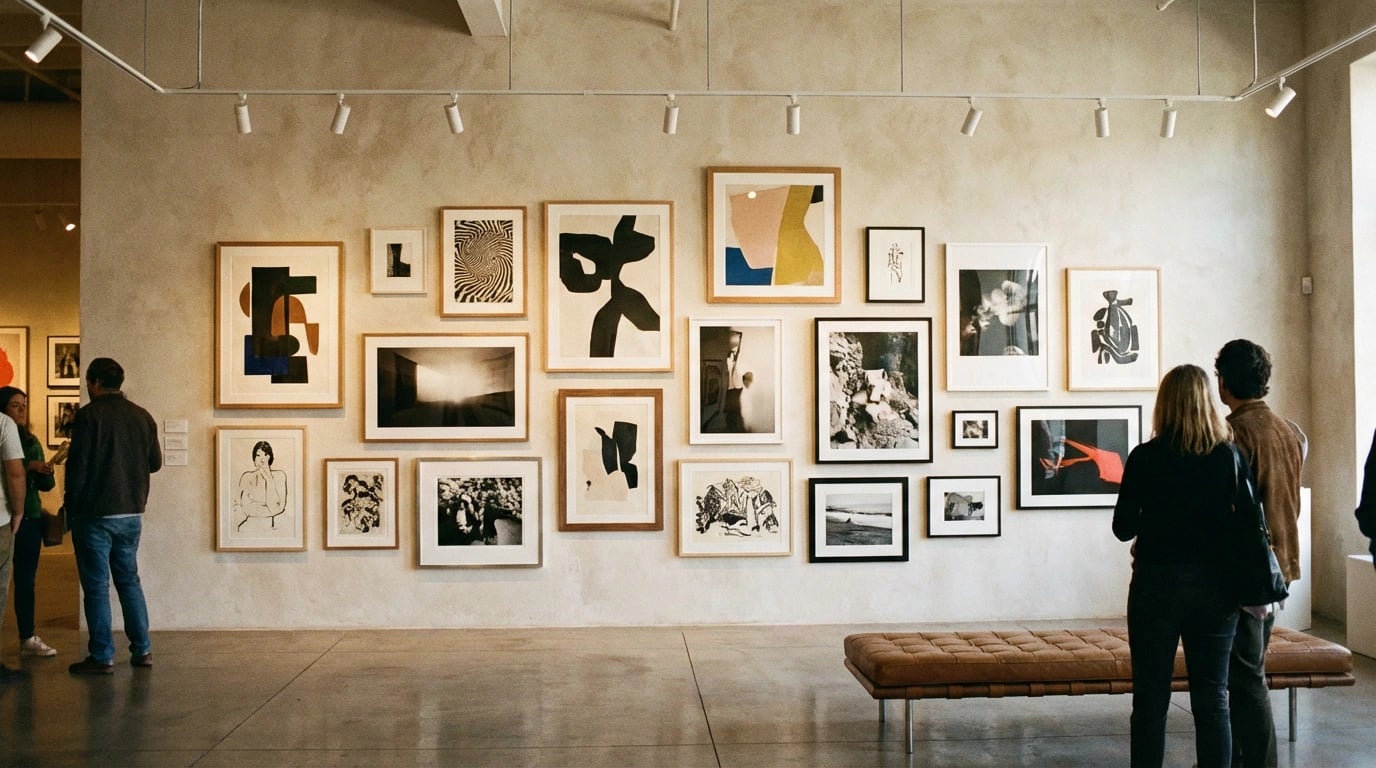
Purchasing art prints for your home can transform your living spaces from ordinary to extraordinary. However, navigating the world of prints, reproductions, and limited editions requires knowledge and careful consideration. Whether you’re a first-time buyer or an experienced collector, understanding the nuances of quality, sizing, framing, and authenticity will ensure you make informed decisions that you’ll cherish for years to come.
The key to buying exceptional art prints lies in understanding seven fundamental principles: evaluating print quality and techniques, selecting the right size for your space, choosing appropriate paper and materials, verifying authenticity and editions, considering framing options, matching your decor style, and budgeting wisely. These essential tips will guide you through the purchasing process, helping you avoid common pitfalls while building a collection that reflects your personal aesthetic and complements your home beautifully.
1. Understand Print Quality and Techniques
The printing technique used dramatically affects both the visual appeal and longevity of your artwork. Giclée printing, considered the gold standard for fine art reproductions, utilizes high-resolution inkjet printers with archival-quality inks that can last over 100 years when properly cared for. This method produces exceptional color accuracy and fine detail that rivals original artworks.
Traditional offset lithography remains popular for larger print runs, while screen printing offers a distinctive aesthetic with layered, vibrant colors. Each technique has its advantages, so understanding these differences helps you appreciate pricing variations and quality levels. Additionally, examine the color saturation, sharpness, and overall finish before making your purchase.
When evaluating print quality, look closely at fine details and gradients. High-quality prints should display smooth color transitions without visible banding or pixelation. Furthermore, check that the colors appear true to the original artwork and that the print shows no signs of streaking or inconsistency.
Key Quality Indicators
- Sharp, crisp details without blurriness or grain
- Smooth color gradients and transitions
- Accurate color reproduction faithful to the original
- Even ink distribution across the entire surface
- No visible printer marks or defects
2. Select the Right Size for Your Space
Choosing the appropriate print size requires careful consideration of your wall dimensions and furniture placement. A common mistake is selecting artwork that’s too small for the available space, which can make the piece appear insignificant and disconnected from the room. Conversely, oversized prints in small spaces can feel overwhelming and claustrophobic.
As a general guideline, artwork hung above furniture should span two-thirds to three-quarters of the furniture’s width. For standalone wall art, measure your wall space and allow for adequate breathing room on all sides. Moreover, consider the viewing distance—larger rooms with greater viewing distances can accommodate bigger prints without appearing overwhelming.
Before committing to a purchase, create a paper template matching your desired print dimensions and tape it to the wall. This simple technique allows you to visualize the size in context and make adjustments before buying. You might also explore our comprehensive guide on matching art to different rooms for space-specific recommendations.
Standard Print Sizes and Applications
Small prints (8×10 to 11×14 inches) work beautifully in gallery walls, hallways, or intimate spaces like powder rooms. Medium prints (16×20 to 24×36 inches) suit most living rooms, bedrooms, and dining areas. Meanwhile, large statement pieces (30×40 inches and above) create dramatic focal points in spacious areas with high ceilings.
3. Choose Quality Paper and Materials
The substrate on which your print is produced significantly impacts its appearance, durability, and value. Archival-quality, acid-free paper prevents yellowing and deterioration over time, ensuring your investment maintains its beauty for decades. Cotton rag papers, often called museum-quality, offer superior longevity and a luxurious texture that enhances the perceived value of the artwork.
Different paper finishes create distinct visual effects. Matte papers reduce glare and provide a soft, classic appearance ideal for traditional artwork and photography. Glossy finishes enhance color vibrancy and contrast, making them excellent for contemporary pieces with bold colors. Semi-gloss or satin finishes offer a balanced middle ground with subtle sheen and enhanced depth.
Canvas prints provide a textured, painterly quality that works exceptionally well with landscape art and abstract pieces. However, ensure the canvas is properly stretched and primed for printing. Additionally, fine art paper weights typically range from 190 to 310 GSM (grams per square meter), with heavier weights indicating more substantial, premium materials.
Material Considerations for Longevity
- Look for “archival” or “museum-quality” designations
- Verify acid-free and lignin-free composition
- Choose 100% cotton rag for maximum longevity
- Consider UV-resistant inks for fade prevention
- Opt for heavier paper weights for durability
4. Verify Authenticity and Edition Information
Understanding edition types helps you gauge both the exclusivity and potential value of your purchase. Limited edition prints, numbered and signed by the artist, typically command higher prices due to their scarcity. The numbering format (such as 25/100) indicates which print in the series you’re purchasing and the total edition size.
Open edition prints, produced without quantity restrictions, offer more affordable options while still maintaining quality standards. These prints don’t carry the same collectibility factor but remain excellent choices for decorating your home. According to traditional printmaking practices, artists often destroy plates or screens after completing limited editions to preserve their integrity.
Always request a certificate of authenticity when purchasing limited editions or original prints. This documentation should include the artist’s signature, edition number, print title, dimensions, printing technique, and paper type. Furthermore, research the artist or publisher to ensure they have a reputable track record and legitimate business practices.
What to Look for in Documentation
Legitimate art prints should include clear edition information, either printed on the artwork itself or provided in accompanying documentation. The artist’s signature—whether hand-signed or stamped—adds authenticity and value. Therefore, verify that all documentation matches the physical print you’re purchasing.
5. Consider Framing and Presentation Options
Professional framing protects your investment while enhancing its visual impact. Quality framing includes UV-protective glazing that shields artwork from harmful light exposure, acid-free matting that prevents discoloration, and proper mounting techniques that allow the paper to expand and contract naturally with humidity changes.
Frame style should complement both the artwork and your interior design. Modern, minimalist pieces often look best in simple, clean-lined frames, while traditional landscapes may benefit from more ornate moldings. Additionally, mat borders create visual breathing room and draw attention to the artwork itself, with standard mat widths ranging from 2 to 4 inches.
When budgeting for art purchases, factor in framing costs, which can sometimes equal or exceed the print price. However, professional framing significantly extends the life of your artwork and presents it in the best possible light. You can also explore ready-made frame options that offer good quality at lower price points.
For those interested in landscape art specifically, check out popular landscape art styles that pair beautifully with various framing approaches.
6. Match Your Decor and Personal Style
Successful art selection involves harmonizing with your existing interior design while expressing your personal aesthetic. Consider your room’s color palette when choosing prints—artwork can either complement existing tones or introduce accent colors that add visual interest. Neutrally-decorated spaces offer the most flexibility, allowing bold, colorful prints to become stunning focal points.
The art style should also align with your overall design approach. Contemporary interiors pair naturally with abstract, geometric, or minimalist prints, while traditional spaces benefit from classic landscapes, botanical illustrations, or figurative works. Nevertheless, don’t feel constrained by rigid rules—thoughtfully chosen contrasting pieces can create exciting visual tension.
Think about the mood you want to create in each room. Calm, serene landscapes work beautifully in bedrooms and meditation spaces, while energetic, vibrant pieces enliven social areas like living rooms and dining spaces. Consequently, consider how the artwork will make you feel each time you encounter it.
Explore color matching techniques for landscape art to create cohesive, professionally designed spaces.
Creating Cohesive Gallery Walls
Gallery walls allow you to display multiple prints together, creating a curated collection that tells a story. Maintain visual unity through consistent framing, coordinated color palettes, or thematic connections between pieces. Meanwhile, vary the sizes and orientations to create dynamic visual interest while maintaining balance.
7. Budget Wisely for Long-Term Value
Setting a realistic budget for art prints involves considering both immediate costs and long-term value. While it’s tempting to opt for the cheapest options, investing in quality prints, materials, and framing pays dividends through longevity and sustained visual appeal. Quality artwork maintains its beauty for decades, making it a worthwhile investment in your home environment.
Research typical pricing for different print types to establish realistic expectations. Original prints and small limited editions command premium prices, while open edition giclée prints offer excellent quality at more accessible price points. Additionally, emerging artists often provide opportunities to acquire quality work at lower costs than established names.
Consider building your collection gradually rather than furnishing every wall immediately. This approach allows you to invest in higher-quality pieces that truly resonate with you. Moreover, spreading purchases over time gives you opportunities to discover new artists and refine your aesthetic preferences.
Browse our curated collection of landscape art prints to find quality pieces at various price points that fit your budget and style.
Maximizing Value in Your Purchase
- Compare prices across multiple sellers for similar works
- Watch for seasonal sales and promotions
- Consider purchasing directly from artists when possible
- Factor in total costs including framing and shipping
- Prioritize quality over quantity for lasting satisfaction
Remember that purchasing art prints represents an investment in your daily environment and well-being. Quality artwork elevates your mood, inspires creativity, and creates a personalized sanctuary that reflects your unique taste and values.
Making Your Final Decision
Armed with these seven essential tips, you’re now equipped to make confident, informed decisions when purchasing art prints. From understanding print quality and techniques to selecting appropriate sizes, materials, and framing options, each element contributes to the overall success of your purchase. Therefore, take time to evaluate each aspect carefully before committing to a piece.
Remember that buying art should ultimately be an enjoyable, rewarding experience. Trust your instincts and choose pieces that genuinely speak to you, as you’ll be living with them daily. Furthermore, don’t hesitate to ask sellers questions about printing methods, materials, and artist backgrounds—reputable dealers welcome inquiries and provide transparent information.
For comprehensive information on every aspect of the buying process, visit The Complete Art Print Buying Guide for additional insights and detailed recommendations. Additionally, explore our tips for creating beautiful home decor with art prints to maximize the impact of your purchases.
Start building your art collection today with confidence, knowing that each carefully selected piece will bring beauty, personality, and joy to your home for years to come. The perfect print awaits—one that captures your imagination and transforms your space into a true reflection of your personal style.

|
joerussell Australian abstract artists based in Byron Bay and curator of the GumPrints art print collection. |
Leave a Reply