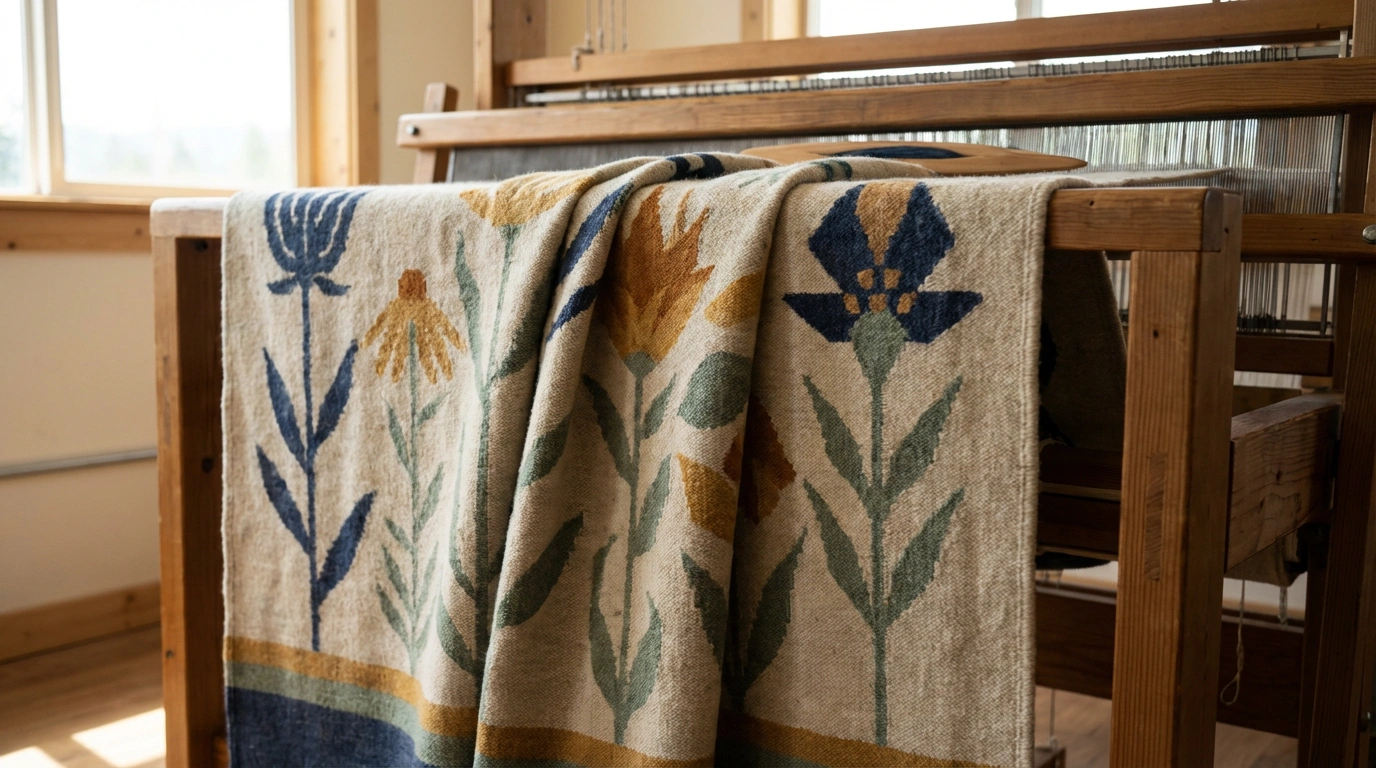
Australian native floral prints represent a uniquely distinctive design tradition that captures the essence of the continent’s rich botanical heritage. These prints showcase the vibrant colours, intricate patterns, and distinctive forms found in Australia’s remarkable native plants. From delicate wildflowers to bold eucalyptus leaves, native floral designs have become increasingly popular in contemporary home décor, fashion, and artistic applications. Understanding the characteristics, cultural significance, and design applications of Australian native florals allows you to appreciate and incorporate these beautiful botanical elements into your own creative projects or personal spaces.
Australian native floral prints celebrate the country’s extraordinary biodiversity and offer a meaningful way to connect with the natural landscape. These designs typically feature iconic native species such as waratahs, banksias, flannel flowers, and numerous varieties of eucalyptus leaves. The prints are characterised by their bold colour palettes, organic shapes, and the authentic representation of Australia’s unique flora. Whether used in interior design, textiles, or fine art, these floral designs bring warmth, personality, and a distinctly Australian aesthetic to any space. The growing appreciation for native florals also reflects a broader movement towards celebrating local biodiversity and sustainable design practices.
Understanding Australian Native Flora in Design
The foundation of effective native floral print design lies in understanding the botanical characteristics of Australia’s unique plant species. Indigenous Australians recognised and utilised these plants for thousands of years before European settlement, embedding significant cultural meaning into many native species. Today, contemporary designers draw inspiration from both the aesthetic qualities and cultural heritage of these plants. Working with native florals requires knowledge of plant structure, growth patterns, and seasonal variations to create authentic, botanically accurate representations.
Australian native plants have evolved in isolation, developing distinctive characteristics that set them apart from plants found elsewhere globally. This isolation resulted in highly specialised adaptations to Australia’s diverse climates, from tropical rainforests to arid deserts. Furthermore, the variety of native species provides designers with an exceptional palette of forms, colours, and textures to explore. understanding which gum leaves make the best art subjects can help designers select specimens that translate effectively into print media.
Botanical Accuracy in Representation
Creating authentic native floral prints requires careful attention to botanical detail and accuracy. Successful designers study the specific characteristics of each plant species, including leaf shape, petal formation, stem structure, and overall growth habit. This meticulous approach ensures that prints are not only visually appealing but also educationally valuable. Many contemporary artists and designers combine scientific observation with artistic interpretation to create prints that honour both the accuracy of the plant and the creative vision of the designer.
Popular Native Floral Specimens for Prints
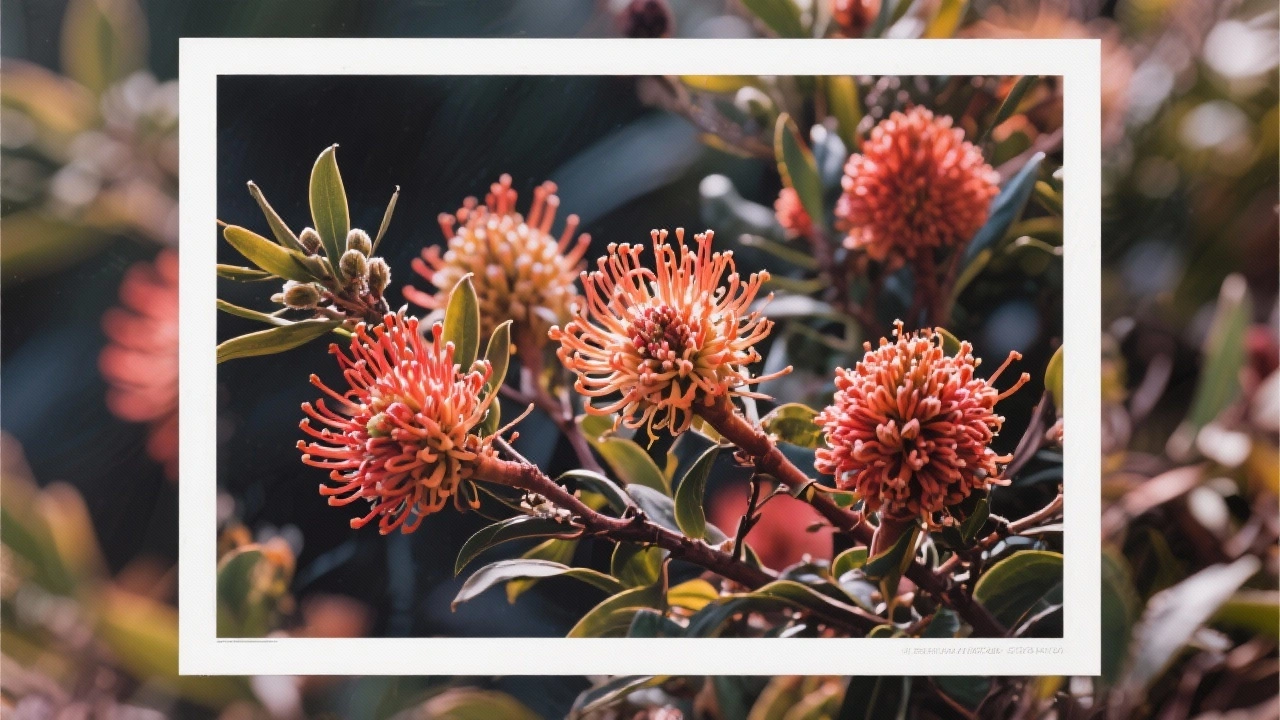
Certain Australian native plants have become particularly popular subjects for floral prints due to their distinctive visual appeal and immediate recognisability. These species offer varying levels of complexity and colour richness, making them suitable for diverse design applications. Understanding the characteristics of these popular specimens helps designers select appropriate subjects for specific projects and audiences.
Iconic Native Species
The waratah stands as one of Australia’s most recognisable native flowers, featuring dramatic crimson blooms and striking architectural form. This New South Wales native flower has become synonymous with Australian floral design and appears frequently in contemporary prints and textiles. Additionally, banksias offer remarkable visual interest with their distinctive cylindrical flower spikes and intricate individual florets. These woody shrubs provide designers with complex, layered forms that create dynamic, textured prints.
Flannel flowers present another beloved choice for native floral prints, recognised by their soft, velvety petals and unique appearance. Native to New South Wales, these flowers add delicate, tactile qualities to designs. Meanwhile, waratahs, native orchids, and various eucalyptus flowers provide additional options for diverse aesthetic approaches. exploring which native species work best as art subjects helps designers make informed creative decisions about print composition and visual impact.
Leaf Forms and Foliage Elements
Beyond flowers, Australian native foliage offers exceptional design potential through eucalyptus leaves, acacias, and ferns. Eucalyptus leaves display remarkable variety in size, shape, and colour, from pale blue-green to deep emerald tones. These leaves provide elegant, linear elements that balance more complex floral forms within design compositions. Acacias, commonly known as wattles, contribute feathery, delicate foliage that adds movement and grace to prints. Many successful native floral designs combine multiple foliage types to create visually rich, layered compositions.
Colour Palettes and Design Characteristics

Australian native florals display distinctive colour characteristics shaped by the country’s unique light conditions and environmental factors. The intense, clear Australian sunlight produces vibrant hues that translate beautifully into print media. Native flowers and foliage exhibit colour combinations that rarely appear in plant species found elsewhere, creating instantly recognisable design aesthetics.
Natural Colour Ranges
Red and crimson tones dominate many native flowers, particularly waratahs and banksias, creating bold, energetic visual statements. Yellow, golden, and orange hues appear frequently in wattle flowers and various native blooms. Consequently, designers often incorporate these warm tones as primary colours in native floral prints. Simultaneously, cooler tones including soft creams, pale pinks, and muted purples provide balance and sophistication in design compositions. The interplay between warm and cool tones reflects the diversity of Australia’s native flora across different regions and seasons.
Contemporary Design Applications
Modern floral print design approaches Australian native specimens with both respect for their natural characteristics and creative freedom for artistic interpretation. Some designers pursue photorealistic representation, capturing precise botanical detail. However, others embrace stylised, abstract approaches that emphasise colour, pattern, and emotional response. Furthermore, many contemporary designers combine native florals with geometric elements, minimalist backgrounds, or mixed-media techniques to create prints that appeal to current design trends whilst maintaining authentic connections to native species.
The versatility of native floral designs accommodates various aesthetic preferences and interior design styles. Whether incorporated into maximalist schemes celebrating bold pattern and colour or minimalist spaces featuring single, statement prints, Australian native florals adapt effectively to diverse contexts. discover more about design possibilities and creative inspiration for incorporating these beautiful elements into your own projects.
Applications in Contemporary Interior Design
Native floral prints have experienced significant growth in popularity within interior design applications across residential and commercial spaces. These designs bring authentic Australian character to interiors whilst celebrating the country’s natural heritage. The versatility of native florals allows designers to create cohesive, sophisticated spaces that reflect both personal aesthetic preferences and environmental values.
Textiles and Soft Furnishings
Fabrics featuring native floral prints provide an accessible way to incorporate these designs into interior spaces. Cushions, upholstery, curtains, and bedding textiles showcase native florals in functional applications. These soft furnishings allow homeowners to introduce pattern and colour whilst maintaining flexibility to update designs seasonally or refresh interior schemes. Additionally, textile applications of native floral prints often reach broader audiences than fine art prints, making these designs increasingly accessible to diverse markets.
Wall Art and Decorative Displays
Framed native floral prints function as focal points within interior spaces, drawing attention and establishing design direction for rooms. Gallery walls combining multiple prints create dynamic, visually engaging displays that celebrate Australia’s botanical diversity. Moreover, large-scale prints command attention and establish strong design statements within minimalist contemporary interiors. Many designers strategically position native floral prints to coordinate with other design elements, creating cohesive, intentional interior schemes.
The accessibility of native floral prints through various price points and production methods ensures availability for diverse budgets and aesthetic preferences. From original artworks to reproductions and digital prints, options exist for every design application and financial consideration. Australian native plants (Wikipedia) provides comprehensive information about the botanical diversity that inspires these beautiful designs.
Sustainability and Cultural Significance

The contemporary appreciation for Australian native floral prints reflects broader cultural shifts towards celebrating local biodiversity and supporting sustainable design practices. Using native flora as design inspiration encourages recognition and preservation of Australia’s unique ecosystems. This growing interest in native plants extends beyond aesthetic appreciation to encompass environmental consciousness and cultural acknowledgement of Indigenous botanical knowledge.
Environmental Awareness Through Design
Native floral print design can serve as a gateway to broader environmental education and conservation awareness. When individuals develop appreciation for specific native plants through design applications, they often become motivated to learn more about these species and their ecological importance. Consequently, this engagement can translate into support for habitat preservation and sustainable gardening practices. Many designers intentionally incorporate educational elements into their work, providing information about featured species and their ecological roles. Furthermore, choosing designs featuring native plants rather than exotic species reflects a commitment to celebrating local biodiversity and reduced environmental impact.
Indigenous Knowledge and Respect
Acknowledging the Indigenous heritage of Australian native plants represents an essential aspect of ethically engaging with native floral design. Aboriginal and Torres Strait Islander peoples maintained sophisticated knowledge systems regarding native plants, utilising them for food, medicine, materials, and cultural purposes. Contemporary designers increasingly recognise this heritage, incorporating respectful representation and cultural acknowledgement into their work. This approach moves beyond superficial aesthetic appreciation to embrace genuine respect for the cultural significance and ecological knowledge associated with native flora.
The enduring appeal of Australian native floral prints lies in their ability to celebrate natural beauty, support environmental awareness, and connect individuals with Australia’s unique botanical heritage. Whether through interior design applications, textile creations, or fine art prints, these designs continue to inspire and delight diverse audiences. By understanding the characteristics, cultural significance, and creative possibilities of native florals, you can make informed decisions about incorporating these beautiful elements into your own spaces and projects. The continued evolution of native floral design ensures that these distinctive prints remain relevant, appreciated, and celebrated in contemporary creative practice.
Leave a Reply