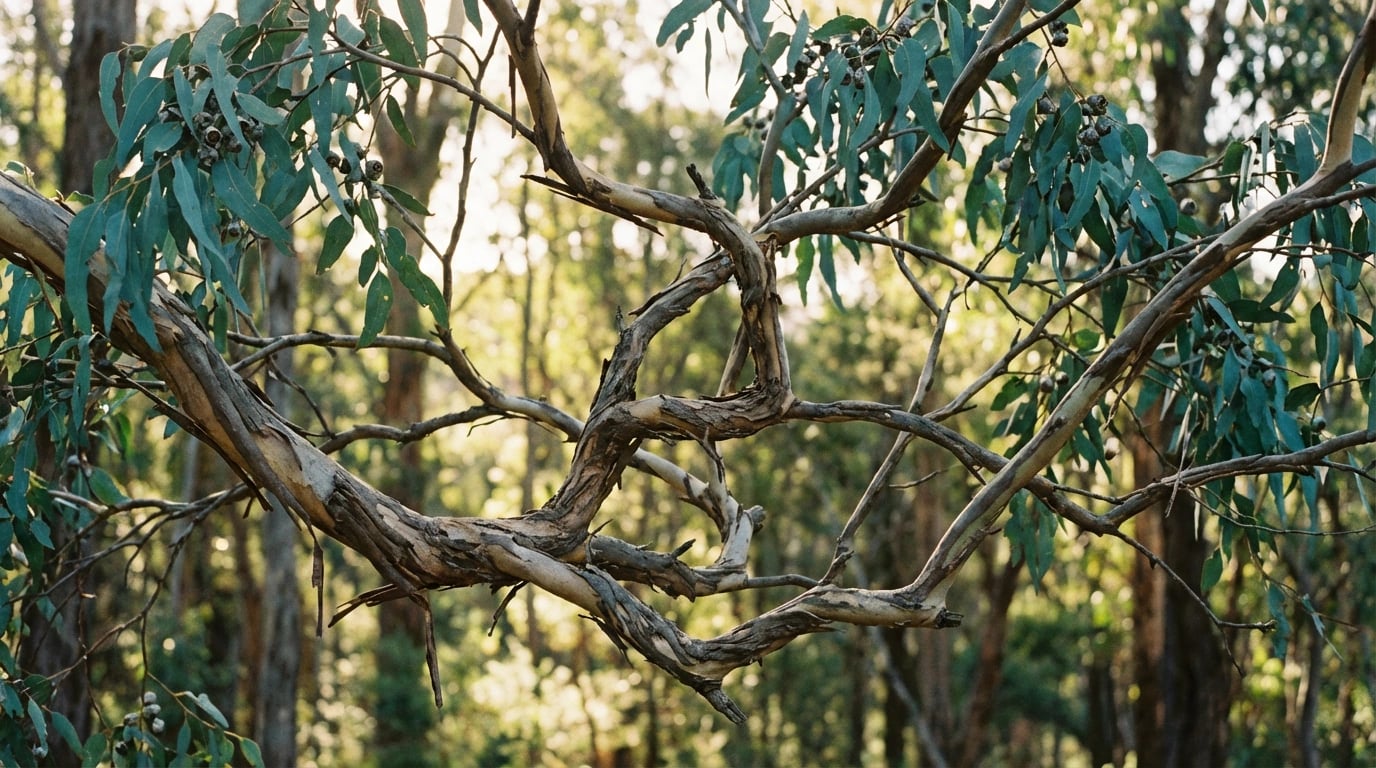
Artists and botanical illustrators have long been captivated by the distinctive beauty of eucalyptus, those quintessentially Australian trees whose elegant forms and subtle colour variations present both challenge and inspiration. The graceful arcs of their branches, the delicate variations in their leaves, and the textured bark create endless opportunities for artistic expression. Whether you’re working in watercolour, pen and ink, or coloured pencil, understanding the unique characteristics of these native plants is essential for creating compelling botanical illustrations that capture their essence.
Eucalyptus botanical illustration requires a keen eye for the geometric patterns hidden within these remarkable plants. The key to successful representation lies in observing the mathematical precision of leaf arrangement, the spiral patterns in branch growth, and the symmetrical yet organic forms that define different species. By mastering fundamental techniques including accurate leaf shape rendering, understanding phyllotaxis patterns, and capturing the distinctive silvery-blue hues, artists can create botanical illustrations that are both scientifically accurate and aesthetically striking. Moreover, attention to subtle details such as oil gland dots, leaf veining, and the characteristic peeling bark elevates your work from simple sketches to professional-level botanical art.
Understanding Eucalyptus Structure and Geometry
The foundation of excellent botanical illustration begins with comprehending the underlying geometric principles that govern eucalyptus growth patterns. These native Australian plants exhibit fascinating mathematical relationships in their structure, from the Fibonacci sequence visible in branch arrangements to the precise angles at which leaves emerge from stems. Consequently, artists who understand these patterns can create more convincing and scientifically accurate representations.
Leaf arrangement follows specific phyllotaxis patterns that vary between juvenile and mature foliage. Furthermore, many species display heteroblasty, meaning their leaf shape dramatically changes as the plant matures. Juvenile leaves often appear rounder and paired opposite each other, whilst mature foliage typically becomes elongated and alternates along the stem. This transformation presents unique artistic opportunities and challenges that distinguish different gum leaves as art subjects.
Analysing Branch Architecture
Branch structure in eucalyptus follows predictable yet organic patterns. The main trunk typically exhibits verticillate branching, where multiple branches emerge from similar points in whorls. However, secondary branches often display more irregular patterns, creating the characteristic open canopy. Additionally, understanding the natural droop and curve of branches helps artists avoid stiff, unnatural representations that lack the graceful flow inherent to these trees.
Observing live specimens reveals how gravity affects branch orientation and how leaves twist to maximise light exposure. These subtle movements and adjustments create the dynamic quality that makes botanical illustrations come alive on the page.
Essential Techniques for Accurate Representation
Mastering eucalyptus illustration requires developing specific technical skills that address the unique characteristics of these plants. Beginning with accurate preliminary sketches establishes the foundation for detailed work. Therefore, invest time in creating multiple studies before committing to your final illustration. Light pencil guidelines help maintain proper proportions and angles throughout the drawing process.
Leaf rendering demands particular attention to the characteristic lanceolate shape common in many species. Start by establishing the central midrib, then build outward symmetrically. The edges should flow smoothly without appearing mechanical. Moreover, capturing the slight curl or twist many eucalyptus leaves exhibit adds dimensionality and realism to your work. Mastering these techniques separates amateur attempts from professional botanical illustration.
Depicting Textural Elements
Bark texture varies dramatically across eucalyptus species, from smooth and mottled to deeply furrowed or decoratively peeling. Representing these textures convincingly requires varied mark-making techniques. Cross-hatching works well for rough bark, whilst stippling can suggest the fine texture of smooth-barked varieties. Additionally, leaving strategic areas of white paper creates the impression of peeling bark catching light.
Oil glands appear as translucent dots when leaves are held against light. In illustration, these can be suggested through tiny stippled dots or small circles, particularly when working in pen and ink. This detail significantly enhances botanical accuracy and demonstrates observational skill.
Capturing the Distinctive Colour Palette
The subtle blue-green and silvery tones characteristic of eucalyptus foliage present unique colour mixing challenges. These hues result from the waxy coating that protects leaves from Australia’s harsh sun. Consequently, achieving authentic colours requires understanding both pigment selection and layering techniques. Cool greens formed from combinations of phthalo blue and various yellows create more convincing eucalyptus tones than warmer sap greens.
Layering transparent washes builds depth and luminosity that flat colour application cannot achieve. Start with pale yellow-green undertones, then gradually introduce cooler blue-greens in subsequent layers. Furthermore, leaving tiny flecks of lighter underpainting visible through upper layers suggests the waxy bloom on fresh foliage. The techniques used in watercolour eucalyptus painting translate well across various media.
Managing Tonal Values
Establishing a clear value structure separates successful botanical illustrations from muddy, confusing compositions. Eucalyptus foliage often appears as mid-tones, making it essential to reserve highlights and shadows strategically. The underside of leaves typically appears lighter and more silvery than upper surfaces, whilst older foliage tends toward darker, more subdued greens.
Creating a small value study before beginning your final illustration helps identify where darkest darks and lightest lights should appear. This planning stage prevents overworking areas that should remain luminous and fresh.
Botanical Accuracy and Scientific Detail
Traditional botanical illustration serves both artistic and scientific purposes, requiring precise attention to diagnostic features. According to botanical illustration standards, accurate representation of reproductive structures, leaf venation patterns, and species-specific characteristics remains paramount. Therefore, artists should work from living specimens or high-quality reference materials whenever possible.
Documenting specific features distinguishes one eucalyptus species from another. These include bud cap shape, flower structure, seed capsule form, and leaf venation patterns. Moreover, including dissected views of flowers or cross-sections of buds provides valuable scientific information whilst creating visually interesting compositional elements. Understanding botanical art principles ensures your work meets both aesthetic and educational standards.
Researching Your Subject Species
With over 700 eucalyptus species, accurate identification forms the crucial first step in botanical illustration. Each species possesses distinctive characteristics that merit careful documentation. Field guides, herbarium specimens, and botanical databases provide essential reference information. Additionally, noting habitat, flowering season, and growth habit enriches your illustration’s educational value.
Photographing specimens from multiple angles creates a comprehensive reference library for studio work. However, working from life whenever possible captures subtleties that photographs miss, particularly regarding colour and three-dimensional form.
Composition and Design Principles
Strong composition transforms accurate botanical observation into compelling artwork. Consider how individual elements arrange within your picture plane to create visual interest whilst maintaining scientific clarity. The rule of thirds provides a useful starting framework, though botanical illustration often requires modifications to accommodate specimen structure. Furthermore, negative space plays a crucial role in preventing compositions from appearing cluttered or cramped.
Arranging multiple elements—leaves, flowers, buds, and seed capsules—requires balancing visual weight across the composition. Typically, larger elements anchor the composition whilst smaller details provide supporting information. Additionally, overlapping elements creates depth, though transparency should be avoided in scientific illustration to prevent confusion about which structures belong to which part of the plant. The artistic approaches explored in Australian eucalyptus art demonstrate how creative composition enhances botanical subjects.
Establishing Focal Points
Every illustration benefits from a clear centre of interest that draws the viewer’s eye. In eucalyptus botanical work, this often focuses on flowers or distinctive foliage clusters. Consequently, rendering this area with greatest detail and contrast whilst allowing peripheral elements to recede slightly guides viewer attention effectively. However, all elements should receive sufficient attention to maintain botanical accuracy.
Linear elements such as branches naturally create directional flow within compositions. Position these thoughtfully to lead the eye through the illustration rather than directing attention away from important features.
Medium Selection and Application Methods
Different artistic media offer distinct advantages for eucalyptus botanical illustration. Watercolour remains the traditional choice, valued for its transparency and ability to capture delicate colour gradations. The fluid nature of watercolour suits the organic forms of botanical subjects, whilst layering techniques build complexity and depth. Moreover, watercolour’s portability makes it ideal for field work and plein air studies.
Coloured pencil provides exceptional control for detailed work and allows easier corrections than paint media. Layering multiple colours creates rich, nuanced tones that capture the subtle variations in eucalyptus foliage. Additionally, coloured pencil combines effectively with other media in mixed-media approaches. Pen and ink produces crisp, precise illustrations ideal for scientific documentation, though it demands confidence as corrections prove challenging.
Paper Selection Considerations
Substrate choice significantly impacts final results. Hot-pressed watercolour paper provides the smooth surface essential for fine detail, whilst cold-pressed papers offer texture that can enhance certain effects. Furthermore, paper weight matters—lighter papers may buckle with wet media, whilst heavier stocks remain stable through multiple washes and layers.
For coloured pencil work, slightly textured paper holds pigment effectively whilst allowing smooth blending. Bristol board works excellently for pen and ink, providing a hard surface that prevents feathering and maintains crisp lines. Exploring options in quality art materials ensures your technical execution matches your artistic vision.
Building Layers and Depth
Regardless of medium, successful eucalyptus illustration relies on gradual development rather than immediate completion. Start with light applications, progressively building intensity through multiple layers. This approach allows for adjustments and prevents overworking that deadens colour and freshness. Additionally, allowing each layer to fully dry before applying subsequent layers maintains clarity and prevents muddiness.
Reserve highlights strategically, either through masking fluid in watercolour or by avoiding certain areas altogether. These bright accents suggest the waxy leaf surface and create the luminous quality characteristic of healthy eucalyptus foliage. The connection between artistic technique and botanical subject matter enriches both gum art appreciation and practical skill development.
Mastering eucalyptus botanical illustration represents a rewarding journey that combines scientific observation, technical skill, and artistic sensitivity. The geometric patterns inherent in these remarkable Australian natives provide endless opportunities for artistic exploration whilst demanding rigorous attention to accuracy. By developing strong observational skills, mastering medium-specific techniques, and understanding the botanical characteristics that distinguish different species, you create illustrations that serve both aesthetic and educational purposes. Whether you’re documenting local flora, creating decorative artwork, or contributing to scientific knowledge, the principles outlined in this guide provide a solid foundation for capturing the distinctive beauty of eucalyptus in all its geometric glory.

|
joerussell Australian abstract artists based in Byron Bay and curator of the GumPrints art print collection. |
Leave a Reply