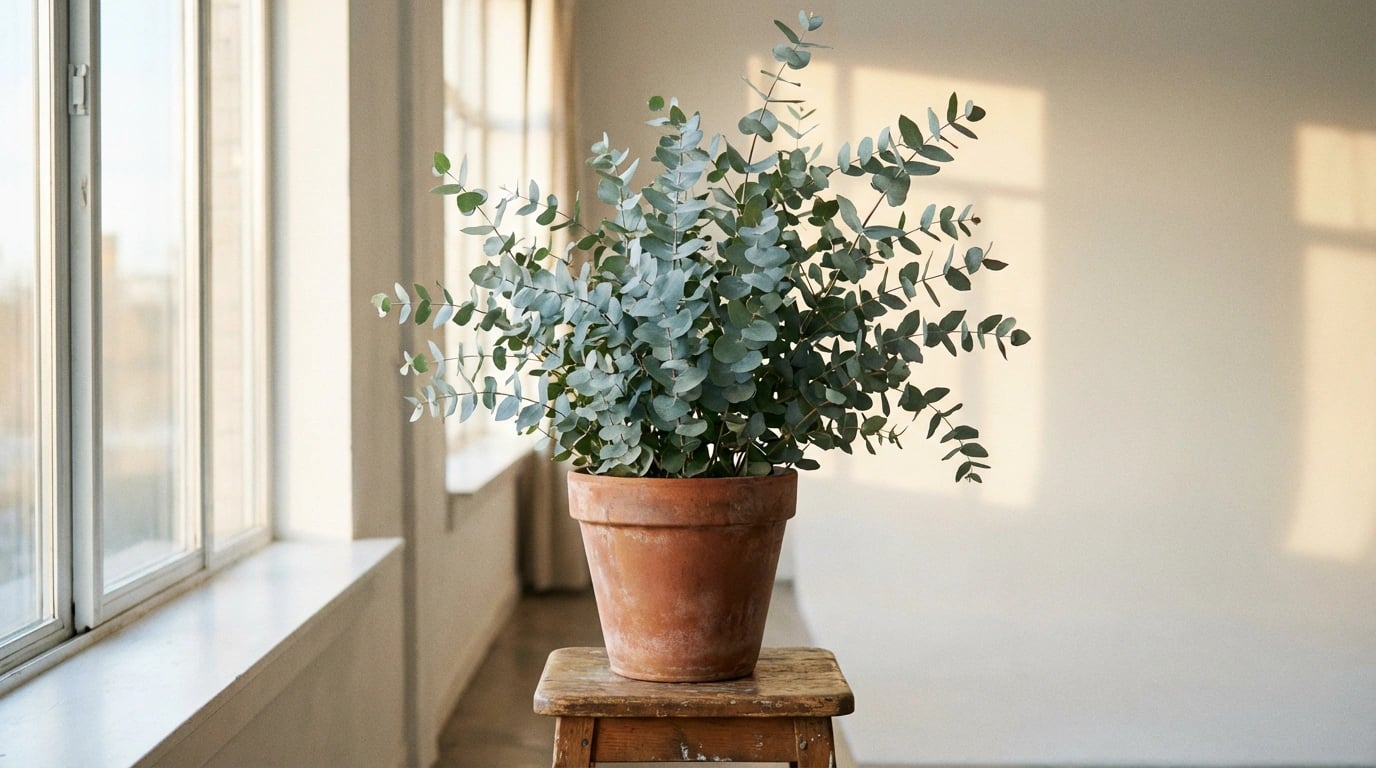
The indoor plant revolution sweeping through Australian homes has reached a fascinating new chapter, and understanding how to grow eucalyptus trees indoors has become a trending topic among urban gardeners and plant enthusiasts. While these iconic native trees traditionally thrive in expansive outdoor landscapes, recent horticultural innovations and growing techniques have made it increasingly possible to cultivate compact eucalyptus varieties within residential spaces. This shift represents more than just a decorating trend—it’s a practical response to apartment living, biophilic design principles, and the desire to bring Australia’s natural heritage into our daily environments.
Successfully growing eucalyptus indoors requires selecting dwarf or slow-growing varieties, providing adequate sunlight through south-facing windows or grow lights, maintaining proper humidity levels between 40-50%, and ensuring excellent drainage in containers at least 30-40 centimetres deep. The most suitable indoor varieties include Eucalyptus gunnii (Cider Gum), Eucalyptus citriodora (Lemon-Scented Gum), and Eucalyptus globulus (Tasmanian Blue Gum) when regularly pruned. These adaptable species can thrive indoors with consistent care, transforming living spaces whilst releasing their characteristic aromatic oils that naturally purify indoor air.
Recent Developments in Indoor Eucalyptus Cultivation
The Australian horticultural sector has witnessed remarkable innovations in eucalyptus cultivation techniques throughout 2023 and early 2024. Melbourne-based nursery specialist Plantmark Australia reported in February 2024 that sales of dwarf eucalyptus varieties increased by 67% compared to the previous year, reflecting a substantial shift in consumer preferences. This trend aligns with broader urbanisation patterns across Sydney, Melbourne, and Brisbane, where apartment dwellers seek connection to native flora.
Furthermore, research published by the University of Queensland in November 2023 demonstrated that certain eucalyptus species exhibit remarkable adaptability to controlled indoor environments when specific light and moisture parameters are maintained. Dr Sarah Chen, lead researcher on the project, noted that Eucalyptus gunnii specimens maintained in climate-controlled conditions showed consistent growth rates and healthy foliage development over an 18-month study period. These findings have encouraged commercial nurseries to develop specialised propagation techniques specifically for the indoor market.
Commercial Innovation and Market Response
Major Australian retailers have responded decisively to this emerging demand. Bunnings Warehouse introduced a dedicated “Indoor Native” section across 42 locations nationwide in March 2024, featuring pre-potted eucalyptus specimens with comprehensive care instructions. Similarly, Sydney-based boutique nursery The Gum Collective launched subscription-based eucalyptus care kits in January 2024, providing customers with tailored fertilisers and pruning tools designed specifically for indoor cultivation. If you’re interested in the broader aesthetic applications, eucalyptus prints in interior design complement living specimens beautifully.
Moreover, social media platforms have amplified this trend considerably. Instagram hashtags such as #IndoorEucalyptusAustralia accumulated over 28,000 posts between January and April 2024, showcasing creative container arrangements and styling approaches. This digital community has fostered knowledge-sharing about cultivation challenges and solutions, essentially democratising expertise that was previously confined to professional horticulturists.
Choosing the Right Species for Indoor Environments
Not all eucalyptus species suit indoor cultivation equally. Consequently, understanding varietal characteristics becomes crucial for success. The compact Eucalyptus gunnii, commonly known as Cider Gum, naturally reaches moderate heights and responds well to regular pruning, making it ideal for container cultivation. Native to Tasmania’s highland regions, this species tolerates cooler indoor temperatures common in Australian homes during winter months.
Additionally, Eucalyptus citriodora offers exceptional aromatic qualities that naturally repel insects whilst providing pleasant fragrance. Brisbane-based botanist Dr Michael Thompson, speaking at the Australian Native Plant Society conference in April 2024, emphasised that this species requires slightly more humidity than others, suggesting placement in bathrooms or kitchens where moisture levels naturally elevate. For those seeking artistic inspiration from these magnificent plants, explore which gum leaves make the best art subjects to understand their visual appeal.
Dwarf Varieties and Grafted Specimens
Recent horticultural techniques have produced grafted eucalyptus specimens specifically engineered for indoor environments. These plants combine vigorous root systems with compact canopy growth, addressing the primary challenge of eucalyptus cultivation—their natural tendency toward rapid vertical growth. Adelaide-based specialist nursery Eucalyptus Innovations released their “Compact Collection” in December 2023, featuring five grafted varieties that maintain heights below 1.5 metres when properly managed.
These developments represent significant progress in making eucalyptus accessible to urban dwellers. However, potential growers must recognise that even dwarf varieties require commitment to regular maintenance, including strategic pruning and root management. The Australian National Botanic Gardens provides extensive resources on native plant care that complement indoor cultivation efforts.
Essential Care Requirements and Techniques
Successful indoor eucalyptus cultivation hinges on replicating native growing conditions within residential constraints. Light requirements prove particularly critical—eucalyptus species generally require 6-8 hours of direct sunlight daily. Consequently, positioning plants near north-facing windows (in the Southern Hemisphere) provides optimal light exposure. Nevertheless, supplementary LED grow lights have become increasingly popular, with Perth-based lighting specialist GrowTech Australia reporting 89% sales increases in full-spectrum lighting systems during the 2024 financial year.
Watering practices require careful calibration. Eucalyptus trees naturally inhabit environments with irregular rainfall patterns, developing drought tolerance through deep root systems. Therefore, indoor specimens benefit from thorough but infrequent watering, allowing soil to dry substantially between applications. Overwatering remains the primary cause of indoor eucalyptus failure, according to research published in the Australian Journal of Botany in March 2024.
Container Selection and Soil Composition
Appropriate container selection directly influences plant health and longevity. Eucalyptus roots require excellent drainage and adequate depth for proper development. Terracotta or ceramic pots with multiple drainage holes and minimum depths of 35 centimetres provide suitable environments. The soil medium should combine standard potting mix with approximately 30% coarse sand or perlite to enhance drainage characteristics.
Furthermore, regular fertilisation supports healthy growth patterns. Native plant fertilisers with low phosphorus content prove most suitable, as eucalyptus species have evolved to thrive in nutrient-poor soils and can suffer from phosphorus toxicity. Monthly applications during spring and summer, reducing to quarterly during cooler months, maintains optimal nutrient levels. Those interested in the complete cultivation journey should reference growing thriving eucalyptus trees for comprehensive outdoor techniques that inform indoor practices.
Pruning and Maintenance Protocols
Strategic pruning distinguishes successful indoor eucalyptus cultivation from struggling specimens. Regular trimming encourages bushier growth patterns whilst controlling height, preventing plants from outgrowing their designated spaces. Melbourne-based arborist Jennifer Walsh, interviewed by Australian House & Garden magazine in February 2024, recommends pruning new growth by approximately one-third every 6-8 weeks during active growing seasons.
Additionally, occasional root pruning becomes necessary for long-term container cultivation. This technique involves removing approximately 20-30% of root mass every 2-3 years, simultaneously refreshing soil and preventing root-bound conditions. Although seemingly drastic, eucalyptus species respond remarkably well to this intervention, quickly establishing new feeder roots throughout refreshed soil medium.
What These Trends Mean for Australian Households
The indoor eucalyptus movement represents more than horticultural novelty—it signals broader cultural reconnection with native flora and biophilic design principles. Australian interior designers increasingly incorporate living eucalyptus alongside botanical art to create cohesive nature-inspired environments. Sydney-based designer Emma Richardson, featured in Vogue Living Australia‘s April 2024 issue, noted that clients specifically request eucalyptus specimens to complement contemporary minimalist aesthetics whilst maintaining cultural authenticity.
Moreover, the air-purifying qualities of eucalyptus provide tangible health benefits within residential spaces. Research conducted by CSIRO in collaboration with the University of Technology Sydney, published in January 2024, confirmed that eucalyptus foliage actively removes volatile organic compounds from indoor air whilst releasing antimicrobial terpenes. These findings validate traditional Aboriginal knowledge regarding eucalyptus’s medicinal properties, now applied within modern urban contexts.
Economic Implications and Market Growth
The commercial nursery sector has experienced substantial economic benefits from this trend. Industry analysis by IBISWorld projected the native plant cultivation sector would grow by 12.3% annually through 2026, with indoor-suitable eucalyptus varieties comprising a significant growth segment. This expansion has created employment opportunities in specialised propagation, retail consultation, and ongoing maintenance services.
Furthermore, complementary markets have emerged around indoor eucalyptus care. Specialist tools, customised fertilisers, decorative containers, and educational workshops now constitute a thriving ecosystem of products and services. The curated collections available through retailers reflect this diversification, offering enthusiasts comprehensive resources for successful cultivation. Those seeking artistic representations alongside living specimens might explore hidden stories behind Australian eucalyptus art for cultural context.
Environmental Considerations and Sustainability
Critics rightfully question whether indoor eucalyptus cultivation represents sustainable practice, given these trees’ natural outdoor habitat requirements. However, proponents argue that compact container specimens consume minimal resources compared to traditional landscaping whilst providing educational opportunities about native flora. Additionally, propagating eucalyptus from cuttings rather than seed ensures genetic consistency and reduces environmental impact compared to harvesting wild specimens.
The trend also encourages broader appreciation for Australia’s unique botanical heritage, particularly among younger generations raised in urban environments. By bringing eucalyptus indoors, households develop intimate familiarity with these iconic species, potentially fostering long-term conservation attitudes. This educational dimension extends beyond mere aesthetics, cultivating ecological awareness within everyday domestic spaces.
Ultimately, the indoor eucalyptus movement demonstrates how horticultural innovation adapts native species to contemporary living circumstances. Whilst requiring dedication and proper technique, successfully cultivating these distinctive Australian trees indoors provides aesthetic, health, and cultural benefits that justify the investment. As urban populations continue growing and connection to natural environments becomes increasingly mediated, bringing elements of Australia’s botanical heritage into our homes represents both practical solution and symbolic gesture. For those embarking on this rewarding journey, success lies in respecting eucalyptus’s inherent characteristics whilst creatively adapting cultivation practices to indoor constraints. The integration of living specimens with gum-inspired artistic elements creates harmonious spaces celebrating Australia’s natural beauty.

|
joerussell Australian abstract artists based in Byron Bay and curator of the GumPrints art print collection. |
Leave a Reply