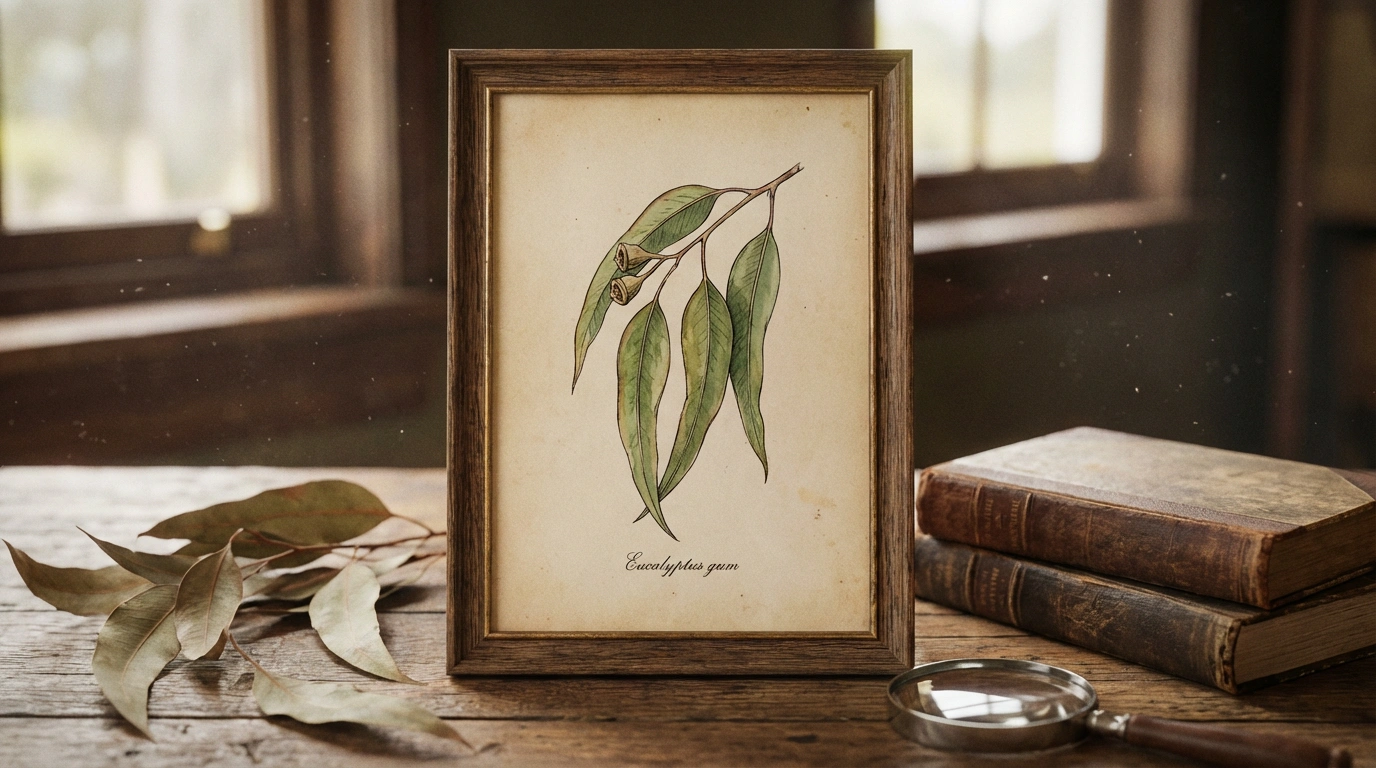
When it comes to capturing the natural beauty of Australian flora, few subjects offer the artistic potential that gum leaves provide. These distinctive foliage pieces have inspired countless artists, botanists, and nature enthusiasts for generations. Whether you’re working with watercolours, pencils, oils, or digital media, understanding which gum leaf varieties make the best artistic subjects can significantly enhance your creative practice. This comprehensive guide explores the characteristics, qualities, and techniques for selecting and depicting the most compelling gum leaves in your artwork.
The best gum leaves for art subjects typically combine striking visual characteristics with practical drawing advantages. Species such as the Eucalyptus globulus (Southern Blue Gum), Corymbia citriodora (Lemon-scented Gum), and Eucalyptus leucoxylon (South Australian Blue Gum) consistently produce the most rewarding results. These varieties offer distinctive shapes, interesting surface textures, colour variations, and natural curves that translate beautifully across different artistic mediums. Their morphological diversity means you’ll rarely run out of compositional possibilities when working with these specimens.
Understanding Gum Leaf Anatomy for Art
Before selecting your artistic subjects, it’s essential to understand the fundamental structure of gum leaves. These leaves present a fascinating study in botanical geometry, featuring elongated shapes, distinctive venation patterns, and varying degrees of curvature. Most gum species display lanceolate or linear-lanceolate leaf forms, meaning they taper at both ends like a slender lance point. This characteristic shape immediately makes them recognisable and aesthetically pleasing as art subjects.
The venation pattern in gum leaves creates natural linear rhythms that guide the viewer’s eye through your composition. Additionally, the leaf surface often displays subtle colour gradations, from deep forest greens to silvery blues or bronze hues. Understanding these anatomical features helps you accurately capture the essential character of your subject. Furthermore, the waxy coating on many gum leaves creates interesting light-reflective qualities that add depth and dimension to your artwork.
Leaf Shape Variations
Different gum species exhibit remarkable variations in leaf shape and size. Some varieties produce narrow, fine leaves ideal for delicate line work, whilst others feature broader, more substantial foliage perfect for bold studies. The size range varies considerably—from small, compact leaves to expansive specimens spanning over 20 centimetres in length. As a result, you can select leaves that suit your preferred drawing scale and level of detail.
Surface Texture and Detail
The surface characteristics of gum leaves present wonderful opportunities for capturing texture through shading and mark-making. Many species display visible veining, subtle ridges, and varying surface finishes that add visual interest. These textural elements become focal points in your artistic interpretation, allowing you to demonstrate technical skill and observational accuracy simultaneously.
Top Gum Leaf Species for Artistic Study
Selecting the right species is fundamental to successful botanical artwork. Certain gum varieties have proven themselves exceptionally rewarding for artists across all skill levels. Moreover, Eucalyptus species (Wikipedia) demonstrate remarkable diversity, offering artists numerous options. The following species consistently deliver compelling artistic results through their distinctive characteristics and visual appeal.
Eucalyptus Globulus (Southern Blue Gum)
The Southern Blue Gum stands as an excellent primary choice for botanical artists. This species produces elongated, grey-green leaves with a distinctive waxy appearance. The foliage displays beautiful linear venation that’s neither too subtle nor overly complex, making it manageable for artists developing their observational skills. Additionally, the silvery-blue colouration provides wonderful opportunities for exploring cool colour palettes and metallic highlights.
Corymbia Citriodora (Lemon-scented Gum)
The Lemon-scented Gum offers artists dramatically different characteristics. This species produces smaller, more delicate leaves with a vibrant glossy finish. The foliage often displays subtle yellow and green tones alongside deeper forest shades. Consequently, this variety provides excellent practice for capturing colour complexity and surface reflectivity. The smaller scale suits detailed studies and intricate botanical illustrations perfectly.
Eucalyptus Leucoxylon (South Australian Blue Gum)
This species delivers particularly striking artistic potential through its variable leaf morphology. Depending on the season and specimen maturity, leaves range from narrow juvenile forms to broader adult foliage. The colour palette spans blue-green, grey, and occasionally bronze tones. Therefore, working with this species challenges artists to adapt their techniques across different leaf configurations whilst maintaining species consistency.
Eucalyptus Erythrocorys (Red Cap Gum)
For artists seeking distinctive visual elements, the Red Cap Gum provides excellent compositional opportunities. The leaves display broader forms compared to many gum species, with pronounced texture and visible venation. The foliage features warmer green tones with occasional bronze highlights. This variety suits artists preferring bolder studies and more pronounced textural representation in their work.
Colour and Texture Considerations
Colour selection significantly influences your artistic outcomes when working with gum leaves. These plants present remarkable chromatic diversity that extends beyond simple green tones. Understanding the colour characteristics of different species helps you select subjects matching your artistic vision and medium capabilities. Furthermore, seasonal variations mean the same species can present different colour opportunities throughout the year.
Green Tones and Variations
Gum leaves display an impressive spectrum of green hues, from vibrant lime-greens to deep forest and blue-green shades. Cool-toned greens dominate many species, particularly those with waxy, silvery coatings. Warm greens appear more frequently in species with softer foliage. Therefore, considering your colour palette preferences when selecting specimens ensures harmonious artistic outcomes. Additionally, understanding these tonal variations helps prevent flat, unconvincing greens in your finished work.
Texture and Surface Finish
The textural qualities of gum leaves vary considerably between species and even individual specimens. Some leaves display smooth, glossy surfaces reflecting light dramatically. Others present matte finishes with subtle surface irregularities and ridging. Meanwhile, exploring different artistic approaches reveals how effectively various techniques capture these textural nuances. The choice between glossy and matte-surfaced leaves significantly affects your shading strategy and highlight application.
Composition and Arrangement Techniques
Creating compelling compositions with gum leaves requires understanding how individual specimens interact within the overall design. The natural curves, points, and orientations of different leaves offer endless compositional possibilities. Additionally, the way leaves overlap and relate spatially creates visual rhythm and movement throughout your artwork. Strategic arrangement transforms simple botanical studies into dynamic, engaging compositions.
Single Specimen Studies
Beginning with individual leaf studies builds fundamental observational skills. A solitary gum leaf, presented with careful attention to form, colour, and texture, creates a satisfying composition through simplicity. This approach allows total focus on capturing botanical accuracy and technical proficiency. Moreover, single specimen arrangements suit various artistic mediums and skill levels effectively. The minimalist approach often produces striking results, particularly when executed with confidence and precision.
Multi-Leaf Arrangements
Combining multiple leaves creates opportunities for exploring composition principles including balance, contrast, and visual flow. Arranging leaves at varying angles and overlapping positions generates depth and complexity. Furthermore, mixing different leaf ages, sizes, or species within one composition provides educational and aesthetic value. Consequently, developing strong arrangement skills elevates your botanical artwork from technical exercise to compelling artistic statement. As you progress, experimenting with mixed-species combinations expands your creative possibilities considerably.
Incorporating Stems and Branches
Including stems, branches, or adjacent foliage in your compositions provides contextual information about the specimen’s growth habit. These supporting elements create visual connections between leaves and establish botanical authenticity. However, balancing detailed leaf work with supporting elements requires thoughtful composition planning. Therefore, sketching multiple arrangement variations before committing to your final design ensures the most successful outcome for your particular artistic vision.
Selecting Fresh Specimens for Your Artwork
Securing high-quality gum leaves significantly impacts your artistic success. Whether harvesting from local trees or sourcing specimens strategically, understanding selection criteria ensures you work with optimal subjects. Fresh, healthy leaves provide superior colour saturation, texture clarity, and handling characteristics compared to aged or damaged foliage. Therefore, developing a specimen-selection protocol becomes essential for consistent artistic results.
Seasonal Considerations
Gum trees produce new foliage continuously, though certain seasons offer particularly vibrant specimens. Spring typically delivers fresh, tender growth with brilliant colouration. Summer growth presents more mature leaves with established colour character. Autumn and winter produce interesting colour variations including bronzes and deeper tones. Consequently, timing your collecting trips to coincide with optimal seasonal growth ensures access to superior specimens. Moreover, seasonal variation provides natural subjects for exploring different artistic approaches and colour palettes throughout the year.
Specimen Condition Assessment
When selecting individual leaves, look for specimens free from significant damage, pest evidence, or disease. Slight variations and imperfections add character and authenticity to your work—however, severely damaged leaves often lack the structural integrity needed for detailed study. Fresh leaves with turgid (full) tissue hold their form better during extended study sessions. Additionally, selecting leaves that have been attached to the tree only hours before collecting ensures optimal colouration and flexibility. As a result, early morning collecting trips frequently yield superior specimens compared to mid-afternoon harvesting.
How long can fresh gum leaves remain suitable for artistic study?
Fresh gum leaves typically remain optimal for detailed artistic work for 3–5 days when stored properly in cool conditions with adequate humidity. Placing stems in water and keeping specimens away from direct sunlight extends their viability significantly. After this period, leaves begin drying, becoming brittle and losing colour saturation. However, dried leaves offer different artistic opportunities, particularly for pen-and-ink studies or monochromatic work where subtle colour loss matters less.
Can I use preserved or dried gum leaves for botanical artwork?
Absolutely. Dried gum leaves provide excellent subjects for certain artistic approaches. The preserved form shows interesting colour transformations and develops subtle textural characteristics. Press-dried leaves work particularly well for creating herbarium-style illustrations or vintage botanical studies. However, achieving fresh colour accuracy becomes more challenging with dried specimens, making this approach better suited for artists comfortable working from memory or photographic reference material.
Common Mistakes When Depicting Gum Leaves
Understanding frequent artistic pitfalls helps you develop stronger observational skills and more convincing artwork. Many artists encounter similar challenges when working with botanical subjects. Recognising these common mistakes enables you to avoid them, accelerating your skill development. Therefore, learning from collective experience proves invaluable for improving your botanical illustration practice.
Oversimplifying Leaf Shape
A frequent error involves rendering gum leaves as simple geometric forms without capturing their natural curves and asymmetries. Real leaves display subtle irregularities, gentle twists, and organic variations that simple oval or lance shapes miss entirely. Subsequently, observing and drawing these subtle characteristics distinguishes accomplished botanical art from generic leaf representations. Taking time to study individual specimen variations before beginning your final artwork ensures more authentic, compelling results.
Neglecting Venation Patterns
Gum leaf venation creates essential structural and visual character that deserves careful attention. Many artists either ignore venation entirely or render it too uniformly and mechanical. Actually, gum leaves display subtle venation that guides light and creates visual interest without overwhelming the composition. Therefore, observing how veins follow the leaf’s natural curves and vary in prominence helps capture botanical accuracy convincingly.
Inadequate Colour Layering
Rendering gum leaves with flat, uniform colour produces unconvincing results. Real leaves display subtle colour gradations, reflected light, shadows, and undertones that require multiple colour layers to capture authentically. Moreover, gum leaves often feature blue-green or silvery tones that demand careful colour mixing and application strategies. As a result, investing time in building colour gradually through layering creates more sophisticated, visually compelling artwork compared to single-application approaches.
Poor Specimen Selection
Beginning artwork with damaged, dried, or poorly lit specimens creates unnecessary challenges. A specimen displaying clear colours, intact structure, and interesting characteristics makes the artistic process significantly more enjoyable and rewarding. Conversely, struggling with compromised subjects undermines confidence and produces disappointing results. Therefore, developing selective collecting practices ensures you work with inspiring subjects that elevate your artistic outcomes considerably. Additionally, maintaining fresh reference materials throughout your project keeps your work grounded in authentic botanical observation.
Developing Your Gum Leaf Artistic Practice
Creating a sustained botanical art practice requires establishing good habits and regular engagement with your subject matter. Whether you’re a seasoned artist exploring Australian flora or a beginner discovering botanical illustration for the first time, consistent practice builds observational skills and technical proficiency. Furthermore, exploring creative approaches to gum leaf subjects reveals new possibilities for artistic expression and personal development.
Starting with abundant, accessible species like Southern Blue Gum or Lemon-scented Gum allows you to develop fundamental skills without searching extensively for rare specimens. As your confidence grows, experimenting with less common varieties and challenging arrangements expands your artistic range considerably. Moreover, maintaining a sketchbook dedicated to regular gum leaf studies documents your progress and builds a valuable reference library for future work.
The beauty of working with gum leaves lies in their endless variety and accessibility throughout Australia’s landscapes. Whether you’re working in watercolours, graphite, coloured pencils, or digital media, these distinctive foliage subjects reward careful observation and dedicated practice. By understanding leaf anatomy, selecting appropriate species, and avoiding common pitfalls, you’ll develop the skills needed to create compelling botanical artwork that captures the elegant complexity of Australian gum leaves.
As you continue developing your artistic practice, remember that every specimen offers learning opportunities. Seasonal variations, individual plant differences, and changing environmental conditions ensure you’ll always discover something new about these fascinating subjects. Therefore, approaching gum leaf artwork with curiosity, patience, and respect for botanical accuracy ensures both technical improvement and genuine artistic growth. Your dedication to mastering these subjects will ultimately result in artwork that authentically celebrates the natural beauty of Australia’s iconic botanical treasures.
Leave a Reply