
Gum art represents one of Australia’s most distinctive and celebrated artistic traditions, capturing the essence of the nation’s iconic eucalyptus trees through various creative mediums. From delicate watercolours depicting intricate gum leaves to bold abstract interpretations of ancient forests, this artistic genre has become synonymous with Australian identity and natural beauty. Whether you’re an artist seeking inspiration, a collector exploring native botanical art, or simply curious about this uniquely Australian art form, understanding gum art opens up a world of creative possibilities rooted in our spectacular natural landscape.
This comprehensive guide explores everything you need to know about gum art, from its historical significance to contemporary techniques, artistic styles, and how to incorporate these stunning works into your home or creative practice. The versatility of gum trees as artistic subjects—with their distinctive bark, graceful foliage, and ever-changing colours—has inspired generations of Australian artists to create works that celebrate our native flora in ways both traditional and innovative.
Understanding Gum Art: Origins and Significance
The tradition of depicting eucalyptus trees in Australian art stretches back thousands of years, beginning with Indigenous Australian rock art and bark paintings. Aboriginal artists have long understood the spiritual and practical significance of gum trees, incorporating them into creation stories and documenting their uses in traditional culture. These early representations established gum trees not merely as botanical subjects but as powerful cultural symbols embodying the Australian landscape’s soul.
European settlers arriving in Australia encountered these unfamiliar trees with fascination and, initially, bewilderment. Early colonial artists documented eucalyptus species with scientific precision, creating botanical illustrations that served both artistic and educational purposes. As Australian national identity developed throughout the nineteenth and twentieth centuries, gum trees became increasingly prominent in landscape paintings, symbolising the unique character of the Australian bush. Artists like Hans Heysen elevated gum tree painting to fine art, capturing the majestic beauty of ancient eucalypts with extraordinary technical skill.
Today, gum art encompasses a vast spectrum of interpretations, from photorealistic renderings to highly stylised abstractions. The eucalyptus genus itself offers remarkable diversity, with over 700 species providing endless inspiration for artists. This botanical variety translates into artistic diversity, with each species offering distinctive visual characteristics—from the smooth, multicoloured bark of rainbow gums to the papery texture of scribbly gums and the towering presence of mountain ash.
Artistic Techniques and Mediums
Gum art practitioners employ numerous techniques and mediums, each offering unique possibilities for capturing eucalyptus beauty. Watercolour remains exceptionally popular for botanical gum art, allowing artists to achieve the delicate translucency of gum leaves and the subtle colour variations in bark. The medium’s fluid nature perfectly suits depicting the graceful movement of gum branches and the dappled light filtering through eucalyptus canopies.
Oil painting provides artists with the capacity to build rich, textured surfaces that convey the depth and character of ancient gum forests. This medium particularly excels at capturing the complex colour palettes found in gum tree bark—the ochres, greys, whites, and occasional vibrant tones that make eucalyptus bark so visually striking. Meanwhile, acrylic painting offers versatility and quick drying times, making it ideal for both detailed botanical studies and bold contemporary interpretations.
Printmaking techniques have become increasingly popular in gum art, with artists exploring methods for capturing gum leaves through various processes. Linocut, etching, and screen printing each offer distinctive aesthetic qualities suited to different artistic visions. Photography and digital art have also emerged as significant mediums, with artists using modern technology to capture and manipulate images of gum trees in innovative ways that challenge traditional representations.
Mixed Media and Experimental Approaches
Contemporary artists increasingly combine multiple mediums to create layered, textural works that explore gum trees through experimental lenses. Collage techniques incorporating actual gum leaves, bark fragments, or seed pods add three-dimensional elements and authentic materiality. Some artists integrate resin, gold leaf, or unconventional materials to create works that push beyond traditional botanical art boundaries whilst maintaining their connection to eucalyptus subjects.
Styles and Interpretations in Gum Art
Gum art encompasses remarkable stylistic diversity, reflecting both individual artistic vision and broader movements within Australian art. Botanical realism remains a cornerstone approach, with artists meticulously documenting eucalyptus species’ anatomical details. These works serve educational purposes whilst demonstrating exceptional observational skills and technical precision, creating scientifically accurate yet aesthetically compelling representations.
Impressionistic gum art captures the atmospheric qualities of eucalyptus landscapes—the shimmer of light on silver-grey foliage, the haze of distance in vast forests, the movement of leaves in coastal breezes. This approach prioritises emotional resonance and sensory impression over photographic accuracy, evoking the experience of being within gum tree environments rather than simply observing them. The result often feels more experiential and evocative than strictly representational works.
Abstract interpretations have gained considerable prominence in contemporary gum art, with artists reducing eucalyptus forms to essential shapes, colours, and patterns. These works might focus on the rhythmic repetition of leaves, the organic curves of branches, or the colour harmonies found in bark textures. Abstract gum art allows viewers to engage with eucalyptus imagery in fresh ways, discovering new visual relationships and emotional responses. The “Gum print 2” exemplifies this approach, translating the essence of gum trees into abstract visual language that captures their spirit without literal representation.
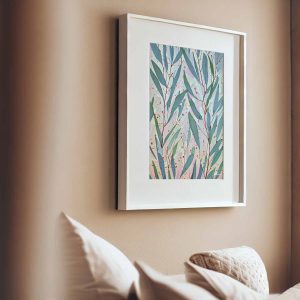
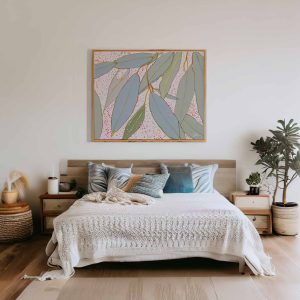
Minimalist gum art strips away extraneous detail, focusing on singular elements—perhaps a single gum leaf suspended against negative space, or the elegant silhouette of a solitary tree. This reductive approach emphasises form, composition, and the power of simplicity, creating contemplative works that invite sustained viewing and reflection.
Creating Your Own Gum Art
Beginning your gum art journey requires both observation and experimentation. Spending time amongst eucalyptus trees provides essential visual research—notice how light interacts with leaves, how bark textures change across species, how branches create distinctive patterns against sky. Photographing gum trees from various angles and in different lighting conditions builds a valuable reference library for studio work.
Understanding which gum leaves make the best art subjects helps focus your artistic exploration. Different eucalyptus species offer varied visual characteristics—some with broad, rounded leaves; others with narrow, lance-shaped foliage. Consider what qualities attract you most: colour, texture, shape, or the way leaves cluster on branches. These observations inform your artistic choices and help develop your distinctive approach.
Essential Materials and Setup
Your chosen medium determines specific material requirements, but certain basics apply across approaches. Quality paper or canvas provides the foundation for lasting work. For botanical studies, consider hot-pressed watercolour paper with smooth surfaces ideal for detailed work. For expressive paintings, cold-pressed papers or stretched canvases offer more texture and tooth.
Invest in good brushes appropriate to your medium—fine detail brushes for botanical precision, broader brushes for expressive mark-making. If working with watercolours, professional-grade paints offer superior pigment quality and mixing properties compared to student grades. Similarly, artist-quality oils or acrylics provide better coverage, colour intensity, and longevity than economy options.
Developing Your Artistic Voice
Whilst learning from established artists provides valuable foundations, developing your unique perspective on gum trees distinguishes memorable art from competent copies. Explore stories behind Australian eucalyptus art to understand how other artists have found their distinctive voices. Consider what aspects of gum trees resonate most deeply with you—their ecological importance, their aesthetic beauty, their cultural significance, or their personal meaning.
Experimentation proves essential in discovering your style. Try different approaches: render the same subject realistically, impressionistically, then abstractly. Work in varied colour palettes, from naturalistic to highly stylised. Combine techniques or introduce unconventional materials. This exploratory process, whilst sometimes frustrating, ultimately reveals what feels most authentic to your artistic vision.
Collecting and Displaying Gum Art
Building a gum art collection allows you to surround yourself with works celebrating Australia’s iconic trees whilst supporting local artists. When selecting pieces, consider how they complement your space aesthetically and what they communicate about your connection to Australian landscape and culture. Quality matters more than quantity—a single exceptional piece often provides more satisfaction than numerous mediocre works.
Exploring options through dedicated galleries and online platforms like our shop provides access to diverse gum art styles and price points. Original paintings command higher prices but offer unique ownership of one-of-a-kind works. Limited edition prints provide more accessible entry points whilst maintaining artistic integrity and investment potential. Consider the artist’s reputation, the work’s condition, and provenance when making significant purchases.
Displaying gum art effectively requires thoughtful consideration of lighting, placement, and framing. Natural light beautifully illuminates gum art but ensure artworks avoid direct sunlight, which causes fading over time. Picture lights or track lighting provide controlled illumination that enhances viewing without causing damage. The relationship between eucalyptus prints and interior design offers guidance on integrating these works harmoniously into various spaces.
Framing and Preservation
Professional framing protects your investment whilst enhancing presentation. Conservation-grade materials—acid-free mats, UV-protective glass or acrylic, and quality frames—ensure longevity. For works on paper, mounting and matting create visual breathing room and physical separation from glazing. Framing choices should complement rather than overpower the artwork, with simpler frames often serving contemporary and abstract pieces best, whilst more ornate options suit traditional botanical studies.
Regular maintenance keeps gum art looking its best. Dust frames gently with soft, dry cloths. Monitor humidity levels, as excessive moisture or dryness affects both paper and canvas. If moving house, wrap framed works in protective materials and transport them upright rather than flat to prevent pressure damage.
Contemporary Trends and Future Directions
Contemporary gum art increasingly intersects with environmental consciousness, with artists using eucalyptus imagery to raise awareness about habitat conservation, climate change impacts, and biodiversity loss. These works transcend pure aesthetics, functioning as visual activism that prompts viewers to consider their relationship with Australian ecosystems. Some artists donate proceeds from gum art sales to environmental organisations, creating direct connections between art appreciation and conservation action.
Digital technologies are transforming how artists create and share gum art. Digital painting software enables experimentation without material costs, whilst social media platforms provide unprecedented opportunities for artists to reach global audiences. Augmented reality applications allow viewers to visualise how gum art appears in their spaces before purchasing, whilst virtual galleries make Australian art accessible worldwide. Learning to paint like Australia through eucalyptus mastery now involves both traditional skills and digital literacy.
The integration of Indigenous perspectives and collaboration between Indigenous and non-Indigenous artists enriches contemporary gum art with deeper cultural understanding and shared storytelling. These partnerships acknowledge that eucalyptus trees carry profound significance within Aboriginal culture, with knowledge systems developed over tens of thousands of years. Respectful collaboration creates opportunities for cultural exchange that benefits both artists and audiences, producing works that honour traditional connections whilst exploring contemporary expression.
Emerging Artists and Innovation
A new generation of Australian artists brings fresh perspectives to gum art, often combining traditional subjects with contemporary techniques and conceptual frameworks. These emerging practitioners explore themes of identity, place, and belonging through eucalyptus imagery, creating works that resonate with contemporary audiences whilst maintaining connections to established traditions. Supporting emerging artists through purchases and commissions nurtures this creative ecosystem’s continued vitality.
Installation art incorporating gum trees—whether actual tree elements, large-scale projections, or immersive environments—pushes gum art beyond conventional formats. These experiential works transform viewers’ relationships with eucalyptus imagery, creating memorable encounters that challenge passive observation. As exhibition spaces evolve and audiences seek more interactive experiences, installation-based gum art will likely expand.
Sustainable Practices
Artists increasingly adopt sustainable practices in creating gum art, using environmentally responsible materials, non-toxic paints, and ethically sourced papers and canvases. Some incorporate fallen gum leaves and bark rather than harvesting from living trees, ensuring their art practice doesn’t harm the subjects they celebrate. This ecological mindfulness aligns artistic practice with the environmental values many gum art collectors hold dear.
The broader trend toward Australian native floral prints reflects growing appreciation for indigenous flora beyond purely decorative purposes. As Australians increasingly embrace native gardens and sustainable landscaping, gum art serves both aesthetic and educational functions, familiarising people with eucalyptus diversity whilst beautifying their environments.
In conclusion, gum art represents a dynamic, evolving field that honours Australia’s natural heritage whilst embracing contemporary innovation. Whether you’re creating, collecting, or simply appreciating these works, engaging with gum art deepens your connection to the eucalyptus trees that define Australian landscapes. As environmental challenges intensify and cultural conversations evolve, gum art will undoubtedly continue adapting, ensuring these magnificent trees remain celebrated through visual creativity for generations to come. The enduring appeal of eucalyptus as artistic subject matter testifies to both their visual splendour and their profound significance within Australian consciousness.

|
joerussell Australian abstract artists based in Byron Bay and curator of the GumPrints art print collection. |
Leave a Reply