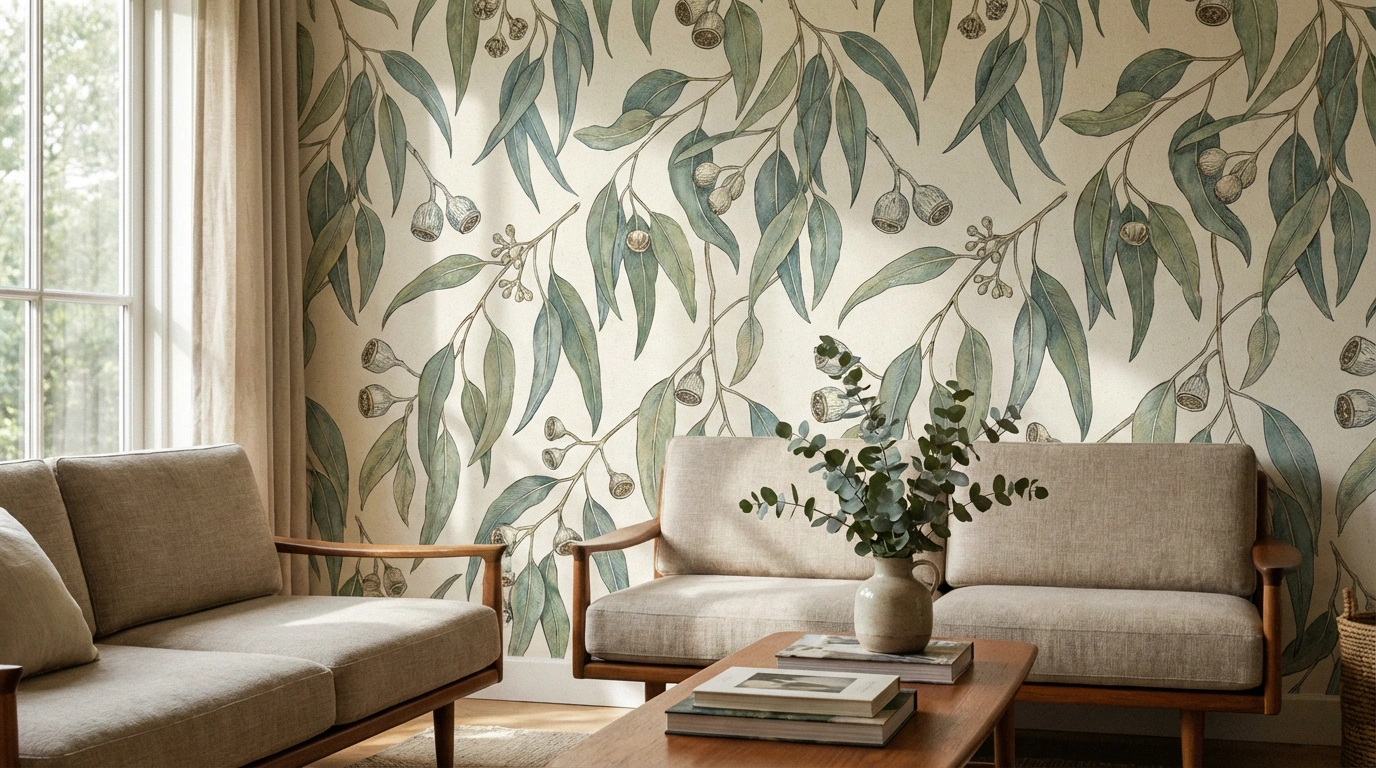
Eucalyptus prints have become a beloved element in Australian interior design, bringing the natural beauty of our native landscape indoors. These versatile botanical artworks offer a timeless aesthetic that complements various design styles, from minimalist to coastal. Whether you’re refreshing a single room or redesigning your entire home, incorporating eucalyptus prints can create a calming, sophisticated atmosphere that celebrates our unique Australian flora.
To successfully incorporate eucalyptus prints into your interior design scheme, you’ll need to consider placement, scale, colour palette, and framing options. The key is selecting prints that harmonise with your existing décor while adding visual interest and a connection to nature. Moreover, understanding how to position these prints effectively will enhance the overall flow and ambiance of your space, creating a cohesive design that feels both intentional and inviting.
Choosing the Right Eucalyptus Print Style
The first step in incorporating eucalyptus prints into your space involves selecting the appropriate artistic style. Botanical prints range from photographic realism to watercolour interpretations and abstract representations. Therefore, consider your room’s existing aesthetic when making this decision.
For contemporary interiors, minimalist eucalyptus prints with clean lines and neutral backgrounds work exceptionally well. These designs typically feature simple branch compositions on white or cream backgrounds. Conversely, traditional spaces benefit from more detailed botanical illustrations with vintage styling. Furthermore, coastal or Hamptons-style homes pair beautifully with soft watercolour eucalyptus prints in muted greens and blues.
Additionally, you’ll want to research which gum leaves create the most visually appealing compositions for your specific needs. Different eucalyptus species offer varying leaf shapes and colours, from the silvery-blue tones of baby blue gum to the deeper greens of silver dollar eucalyptus. Consequently, selecting the right species representation ensures your print aligns with your design vision.
Determining Optimal Placement and Scale
Proper placement significantly impacts how eucalyptus prints enhance your interior design. Start by identifying focal points in each room where artwork will have maximum visual impact. Typically, these areas include spaces above sofas, beds, console tables, or dining room sideboards.
Scale is equally important when positioning prints. As a general rule, artwork should occupy approximately two-thirds to three-quarters of the furniture width beneath it. For instance, a print above a king-size bed should span roughly 120-150 centimetres in width. However, smaller prints can work effectively when grouped together.
Recommended Placement Guidelines
Follow these practical guidelines for optimal positioning:
- Hang prints at eye level, typically 145-150 centimetres from the floor to the centre of the artwork
- In dining areas, position prints slightly lower to maintain visual connection whilst seated
- Leave 15-20 centimetres of space between the top of furniture and the bottom of the print
- In hallways, create rhythm by spacing multiple prints evenly along the wall
Meanwhile, consider the viewing distance when determining print size. Larger rooms with substantial viewing distances can accommodate oversized prints, whilst intimate spaces work better with smaller, more delicate pieces. This approach ensures the artwork remains proportionate to its surroundings.
Coordinating Colours with Your Interior Palette
Colour coordination transforms eucalyptus prints from simple decorations into integral design elements. Begin by identifying your room’s dominant colours and undertones. Eucalyptus prints naturally feature greens, but these range from sage and olive to blue-green and grey-green variations.
For monochromatic schemes, select prints with subtle colour variations that complement your existing palette. White or cream backgrounds maintain an airy, spacious feeling whilst allowing the eucalyptus imagery to become the focal point. Additionally, consider how natural light affects colour perception throughout the day, as this influences how your prints appear in different lighting conditions.
If you’re working with Australian native floral prints alongside eucalyptus designs, ensure the colour temperatures align. Cool-toned eucalyptus pairs harmoniously with blue-greens and greys, whilst warmer selections complement beiges and taupes. The principles of colour theory suggest using analogous colours for cohesive, calming spaces.
Creating Contrast and Balance
Sometimes, strategic contrast elevates your design. Deep green eucalyptus prints against pale walls create stunning visual impact without overwhelming the space. Conversely, lighter prints on darker walls add subtle sophistication and prevent the room from feeling too heavy. Therefore, test print samples against your walls before committing to final selections.
Selecting Frames and Display Methods
Frame selection significantly influences how eucalyptus prints integrate into your interior design. The frame acts as a bridge between the artwork and your room’s architectural elements, furniture, and overall style. Consequently, choosing appropriate framing enhances visual cohesion.
Step 1: Match Frame Style to Room Aesthetic
Contemporary spaces benefit from slim metal frames in black, white, or brass finishes. Traditional interiors pair well with wooden frames in natural timber or painted finishes. For coastal styles, consider light timber or white-washed frames that echo beachside textures.
Step 2: Choose Appropriate Matting
Mat boards create breathing space around prints and add sophistication. White or cream mats suit most eucalyptus prints, providing clean separation from the frame. Generally, mat width should be 5-10 centimetres, though larger prints can accommodate wider mats for dramatic effect.
Step 3: Consider Glass Options
Standard glass works for most applications, but consider non-reflective glass for prints opposite windows or in brightly lit areas. UV-protective glass preserves print quality over time, particularly important for valuable or sentimental pieces.
Alternatively, explore frameless options for contemporary spaces. Mounted canvas prints or prints on timber panels offer texture and depth without traditional framing. You can explore various presentation styles through curated eucalyptus print collections to find options that suit your preferences.
Creating Gallery Walls and Groupings
Gallery walls featuring eucalyptus prints create stunning focal points that showcase your design vision. This approach allows mixing different sizes, orientations, and even complementary subject matter whilst maintaining visual harmony through consistent framing or colour themes.
Start by arranging prints on the floor to experiment with layouts before hanging. The most successful gallery walls balance symmetry and asymmetry. For instance, anchor the arrangement with a larger central print, then surround it with smaller complementary pieces. Furthermore, maintain consistent spacing between frames, typically 5-8 centimetres, for professional results.
Layout Strategies for Gallery Walls
Several proven layouts work particularly well with eucalyptus prints:
- Grid layout: Uniform-sized prints arranged in neat rows and columns for contemporary appeal
- Salon style: Varied sizes clustered together with frames touching or nearly touching for eclectic charm
- Linear arrangement: Prints aligned along a central horizontal line for streamlined sophistication
- Organic clustering: Asymmetrical groupings that feel naturally balanced through careful placement
When creating groupings, consider incorporating techniques from mastering eucalyptus artistic techniques to understand visual balance and composition. This knowledge helps you arrange prints in ways that guide the eye naturally through the display whilst maintaining overall harmony.
Maintaining Flexibility in Your Design
Finally, remember that interior design evolves over time. Install hanging systems that allow easy repositioning of prints as your tastes change or seasons shift. Removable adhesive strips work well for lightweight prints, whilst picture rails offer flexibility for frequently updated displays. This adaptability ensures your eucalyptus prints remain fresh and relevant throughout changing design trends.
By following these systematic steps, you’ll successfully incorporate eucalyptus prints into your interior design, creating spaces that celebrate Australian botanical beauty whilst reflecting your personal style. The versatility of eucalyptus imagery means these prints adapt beautifully to various rooms and purposes, from creating serene bedroom retreats to establishing sophisticated living areas that welcome guests with natural elegance.

|
joerussell Australian abstract artists based in Byron Bay and curator of the GumPrints art print collection. |
Leave a Reply