Starting your plant parenting journey can feel overwhelming, especially when you’re unsure which plants will actually survive your lifestyle. The good news? Many plant species are incredibly forgiving and thrive even in less-than-ideal conditions. Whether you’re juggling a busy schedule, have limited natural light, or tend to forget watering days, understanding which plants are most resilient can transform your gardening experience from frustrating to fulfilling. This guide will walk you through identifying and cultivating the hardiest plant varieties that practically thrive on neglect.
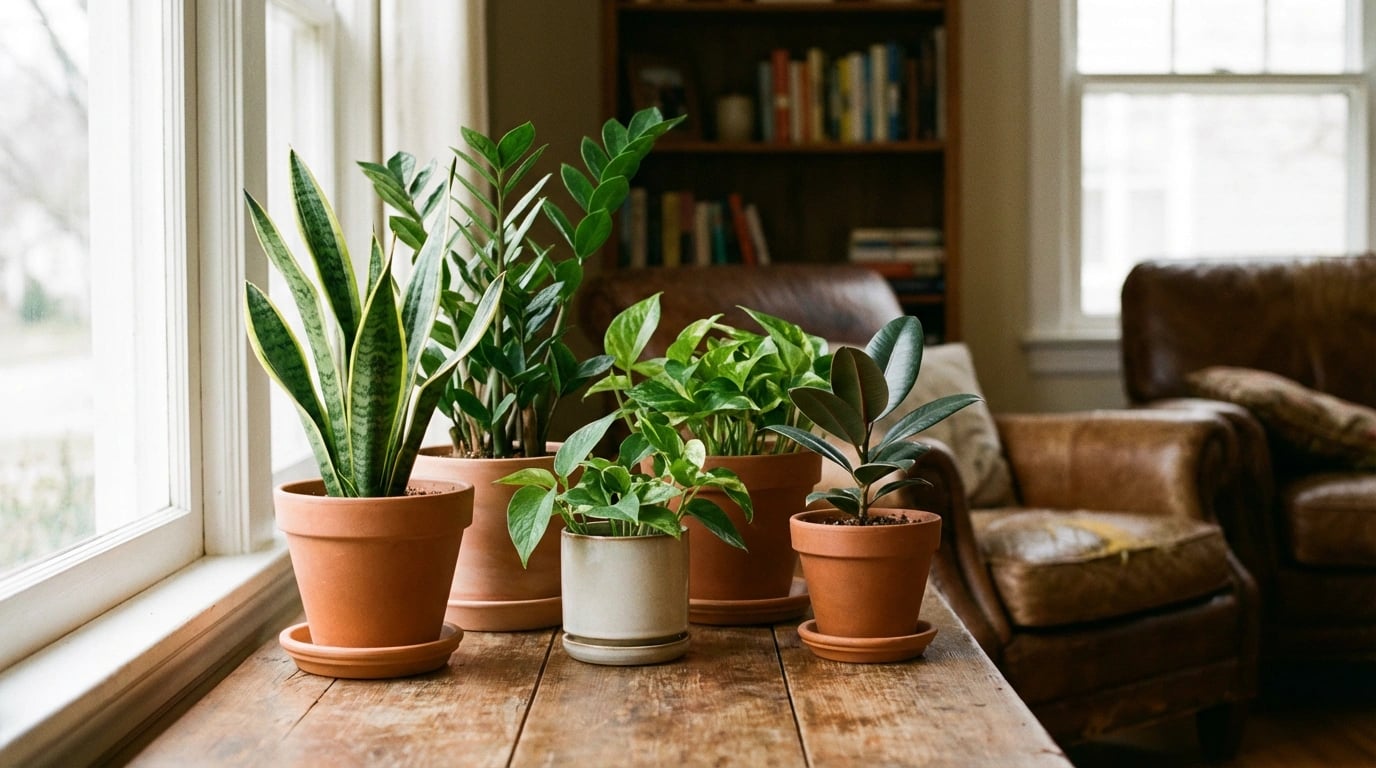
The most resilient plants for beginners include succulents like jade plants and aloe vera, pothos vines, snake plants, and ZZ plants. These species excel at adapting to various light conditions, tolerate irregular watering, and rarely succumb to common pests or diseases. They’re ideal for anyone learning the fundamentals of plant care without the pressure of constant maintenance.
Step 1: Assess Your Growing Environment
Before selecting resilient plants, evaluate your home’s conditions honestly. Consider factors like natural light availability, temperature stability, humidity levels, and your schedule flexibility. Most resilient beginner plants adapt remarkably well, but understanding your space helps narrow down the best candidates.
Ask yourself these questions: Does your home receive bright, indirect light most of the day? Is the temperature relatively stable year-round, or does it fluctuate dramatically? How often are you home to water your plants? Your answers will guide which resilient species suit your environment best. For instance, if you have a dim corner office, snake plants and pothos thrive there—conditions where other plants struggle.
Additionally, consider whether you prefer low-maintenance specimens or plants with modest care requirements. Even among resilient varieties, some tolerate neglect better than others. Understanding plant adaptation and evolution helps explain why certain species handle challenging conditions so effectively.
Step 2: Choose Plants Based on Light Availability
Light is perhaps the most crucial factor when selecting resilient plants. Fortunately, many hardy varieties tolerate low-light conditions that would devastate traditional houseplants. Snake plants, ZZ plants, and pothos vines excel in moderate to low indirect light, making them perfect for offices, bathrooms, or north-facing windows.
If you’re blessed with bright, indirect light, you have even more options. Jade plants, aloe vera, and other succulents flourish in well-lit locations. Meanwhile, plants like the peace lily and philodendron adapt gracefully to a range of light conditions, making them excellent choices for rooms where light varies seasonally.
One practical approach: start with plants suited to your brightest available space, then branch into low-light varieties as you build confidence. This gradual expansion helps you develop stronger plant care instincts. Learning to identify plant species quickly also helps you spot when a plant isn’t receiving adequate light.


Step 3: Master the Watering Schedule
Overwatering ranks as the number-one killer of beginner plants. Resilient species like succulents, snake plants, and ZZ plants have evolved to store water in their tissues, requiring infrequent watering. Most need water only when soil is completely dry—sometimes just once every two to three weeks.
Here’s a foolproof watering strategy:
- Check soil moisture by inserting your finger one inch below the surface
- Water thoroughly only when soil feels completely dry at that depth
- Ensure pots have drainage holes to prevent waterlogging
- Use room-temperature water and water less frequently in winter
- Empty drainage trays after watering to prevent root rot
The beauty of resilient plants? They’ll show you when they’re thirsty by wilting slightly. You’ll quickly develop an intuitive sense of timing. Comparing tropical versus desert plant care reveals why desert-adapted plants require such different watering strategies than their tropical cousins.
Step 4: Select Container and Soil Type
Choosing appropriate containers and soil significantly impacts plant resilience. Use pots with drainage holes in the bottom—this single feature prevents the most common beginner mistake. Container size matters too; select pots only slightly larger than the root ball to avoid excess soil that retains unwanted moisture.
For resilient plants, especially succulents, use specialized cactus and succulent soil or create your own by mixing regular potting soil with perlite or coarse sand. This ensures excellent drainage and prevents root rot. For other hardy varieties like pothos and snake plants, standard potting mix works perfectly fine.
Material choice affects watering frequency as well. Terracotta pots breathe better and dry faster than plastic containers, which can be helpful when you’re learning moisture balance. Our guide to backyard plants includes valuable information about selecting appropriate growing mediums for various species.
Step 5: Monitor Growth and Adjust Care
Even resilient plants benefit from occasional monitoring and care adjustments. Inspect leaves monthly for dust accumulation, yellowing, or pest damage. Wipe dust off leaves with a soft, damp cloth to improve photosynthesis. Most resilient varieties rarely face pest problems, but early detection prevents infestations from spreading.
Watch for signs your plant needs adjustment. Yellowing lower leaves typically indicate overwatering, while brown leaf tips suggest low humidity or mineral buildup in water. Pale or leggy growth indicates insufficient light. Each observation teaches you something valuable about plant care.
Most resilient plants require minimal fertilizing. Feed them during growing season (spring and summer) with diluted, balanced fertilizer every month or two. Stop feeding during fall and winter when growth naturally slows. Understanding plant ecosystems helps explain how different seasons affect plant behavior and nutritional needs.
Remember, plant parenthood is a learning journey. Even experienced plant enthusiasts continue discovering new aspects of cultivation. Start with one or two resilient varieties, master their care routines, then expand your collection. Within months, you’ll develop genuine expertise and confidence.
The resilience of these hardy plants means your mistakes become valuable learning experiences rather than setbacks. Embrace the process, celebrate your successes, and enjoy the living, growing green space you’re creating in your home. Houseplants (Wikipedia) provides additional historical and horticultural context for understanding their popularity and benefits.