Identifying plant species can seem daunting, especially when you’re surrounded by unfamiliar vegetation. However, learning how to identify plant species quickly doesn’t require a botany degree. With the right techniques and a systematic approach, you can confidently recognize plants in your garden, on hikes, or during botanical exploration. This guide walks you through practical methods that work whether you’re a casual gardener or an aspiring plant enthusiast.
The fastest way to identify plants involves examining distinctive features like leaf shape, flower characteristics, growth patterns, and habitat. Start by observing the overall structure and color. Then focus on specific details such as leaf margins, venation patterns, and any unique markings. Cross-reference these observations with reliable identification resources. Most plants can be narrowed down to a species within minutes once you know which features to prioritize.
Examine Leaf Structure and Arrangement
Leaves provide the most reliable clues for quick plant identification. Start by determining whether leaves are simple or compound. Simple leaves have a single blade, while compound leaves consist of multiple leaflets attached to one stem. This distinction alone eliminates many possibilities immediately.
Next, examine the leaf margins—the edges can be smooth, serrated, lobed, or wavy. Equally important is the venation pattern, which refers to how veins are arranged. Common patterns include parallel (like grasses), pinnate (feather-like), and palmate (hand-like). Additionally, observe leaf arrangement on the stem: opposite leaves grow in pairs, alternate leaves stagger along the stem, and whorled leaves radiate from a central point.
Document Leaf Characteristics
Take photos of both leaf surfaces, capturing the texture, color, and any distinctive features. Note the leaf size, measuring from tip to base. Look for hairs, waxy coatings, or glands that might be visible. These details narrow down identification significantly and help when consulting reference materials later.
Understanding how to identify unique plant kingdom characteristics begins with these foundational leaf observations. They’re often the quickest pathway to accurate species recognition, especially when examining unfamiliar vegetation in various ecosystems.
Observe Flowers and Fruit
Flowers are nature’s most distinctive plant feature. They provide critical identification clues that often clinch a species determination. Begin by noting the flower color, size, and general shape. Are petals arranged symmetrically or asymmetrically? Count the number of petals, stamens, and other reproductive structures.
Examine how flowers are arranged on the stem. Some cluster densely in a spike or raceme, while others form umbrella-like umbels or flat-topped corymbs. This arrangement pattern, called an inflorescence, is highly species-specific and helps narrow identification quickly.
Analyze Fruit and Seeds
If flowers have faded, examine the fruit instead. Fruits reveal essential details: are they berries, pods, capsules, nuts, or winged seeds? The structure and appearance of fruit often uniquely identify a species. Take photos from multiple angles and note the color, texture, and size for reference comparison.
Many species identification resources emphasize flowers and fruit because these reproductive structures vary dramatically between species. Therefore, they’re invaluable when cross-referencing with field guides or botanical databases.
Check Growth Habit and Habitat
Understanding where a plant grows and how it develops provides essential context clues. Growth habit refers to the plant’s overall form—whether it’s a herbaceous annual, woody shrub, climbing vine, or towering tree. The height, branching pattern, and bark texture all contribute to identification.
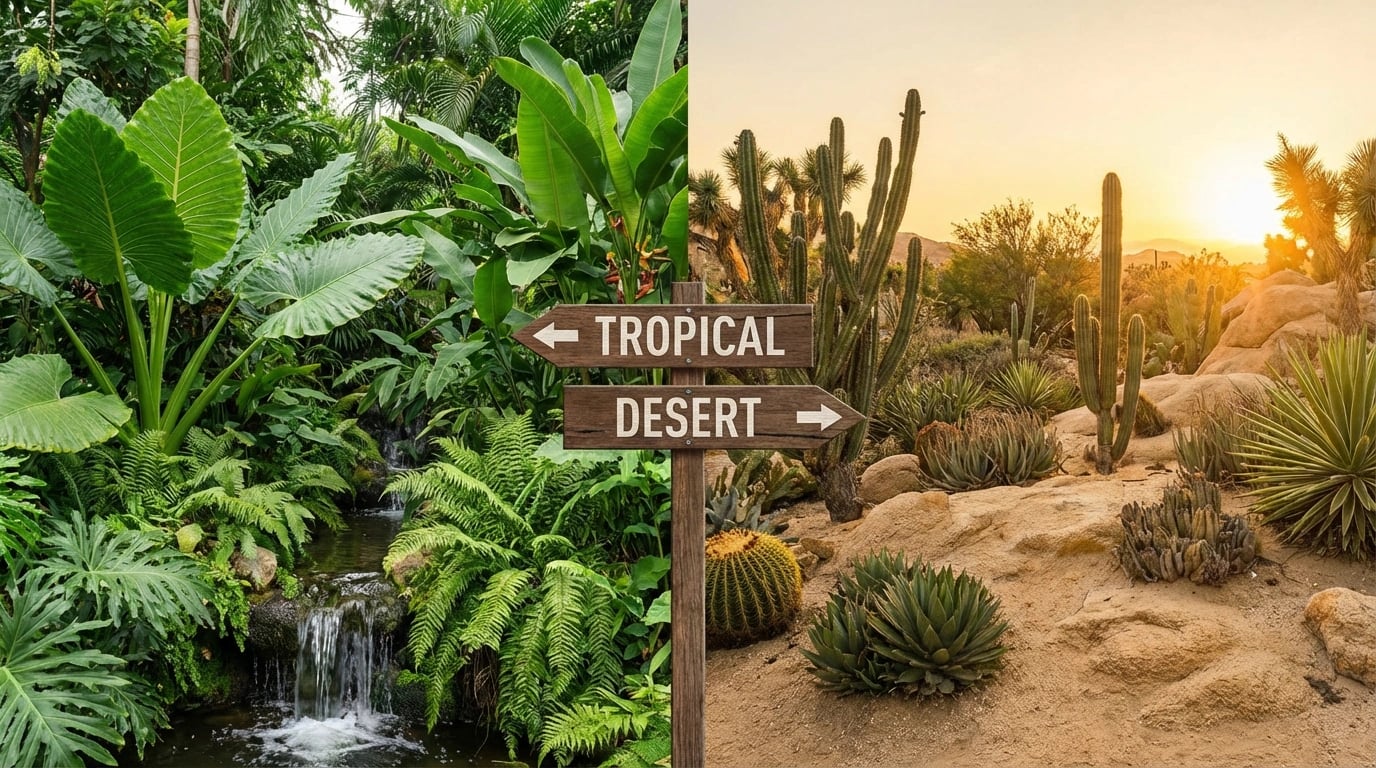
Equally important is habitat. A plant growing in a wetland environment likely belongs to different species than identical-looking vegetation in desert conditions. Note the surrounding ecosystem, soil type if visible, and climate indicators. Temperature, moisture, and light conditions naturally favor certain species over others, making habitat observation a powerful elimination tool.
Document Environmental Context
Record the location, time of year, and general growing conditions. Include whether the plant is solitary or grows in colonies. This contextual information dramatically accelerates identification when you consult resources. Learning about how to identify plant ecosystems enhances your ability to recognize which species naturally occur in specific environments.
Moreover, understanding plant diversity within ecosystems helps you anticipate which species are likely present. This knowledge acts as a powerful filter when reviewing identification possibilities.
Use Digital Tools and Resources
Modern technology has revolutionized plant identification. Mobile apps with image recognition technology can identify plants from photos in seconds. Apps like Seek by iNaturalist and PictureThis analyze your photos against extensive plant databases, offering rapid results with accuracy rates that improve continuously.
However, technology works best when combined with manual research. Regional field guides remain invaluable for detailed information about local flora. Online botanical resources like botanical taxonomy information (Wikipedia) provide scientific classification frameworks that help organize your observations systematically.
Cross-Reference Multiple Sources
Never rely on a single source. Compare results from identification apps with field guide descriptions and online botanical databases. This multi-source approach prevents misidentification and confirms accuracy. Join online plant identification communities where experienced members help verify species based on your photos and descriptions.
When exploring botanical art or wanting to understand the most colorful plants worldwide, these same identification techniques apply. Recognizing species accurately enriches both your scientific knowledge and aesthetic appreciation of plant diversity.
Verify Your Identification
The final crucial step involves verification. Once you’ve identified a plant, confirm your conclusion by checking multiple characteristics against authoritative sources. Match your observations—leaf shape, flower structure, growth habit, and habitat—against detailed descriptions in reliable references.
Visit local botanical gardens or herbaria when possible. Speaking with professional botanists or experienced gardeners accelerates learning. These interactions provide real-world confirmation and often reveal identification tricks specific to your region.
Keep a Plant Journal
Document your identifications with photos, notes, and location information. Over time, this personal reference library becomes invaluable. You’ll recognize patterns, develop expertise, and identify similar species increasingly quickly. Understanding the complete guide to plant evolution and adaptation adds depth to this practice, connecting species identification to broader ecological understanding.
Plant identification is a skill that improves with practice. Start with common species in your area before tackling rare or unusual plants. As your observation skills sharpen, identification becomes faster and more reliable. Visit our shop to explore beautiful botanical art prints celebrating plant diversity, which can inspire deeper appreciation for the species you’re learning to identify.
Remember that patience and careful observation are your strongest allies. Even experienced botanists sometimes need to research unfamiliar specimens. Each identification attempt builds your knowledge foundation, making future plant recognition progressively easier and more enjoyable.

|
joerussell Australian abstract artists based in Byron Bay and curator of the GumPrints art print collection. |